When Is Drone Photography Worth It for a Real Estate Listing?
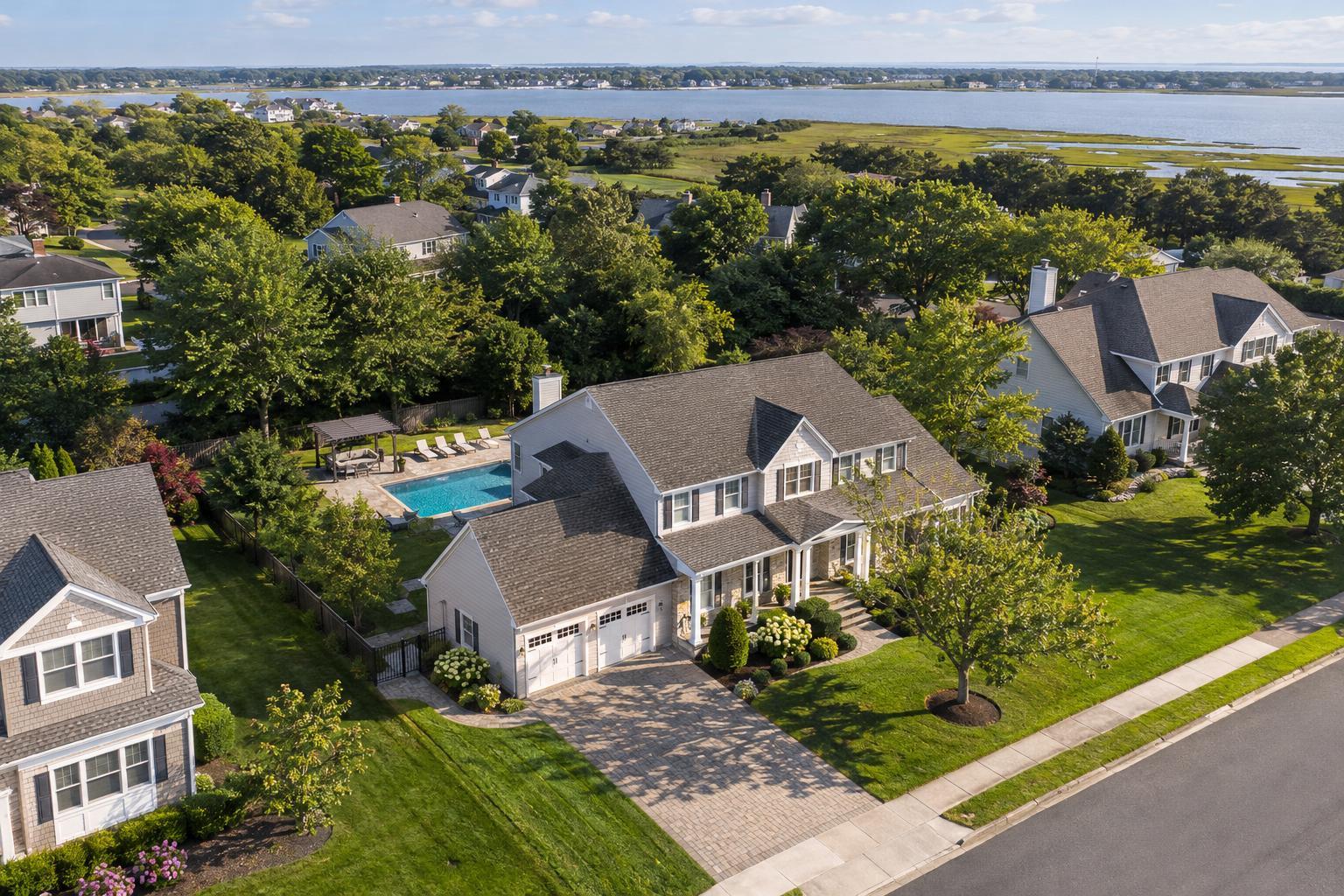
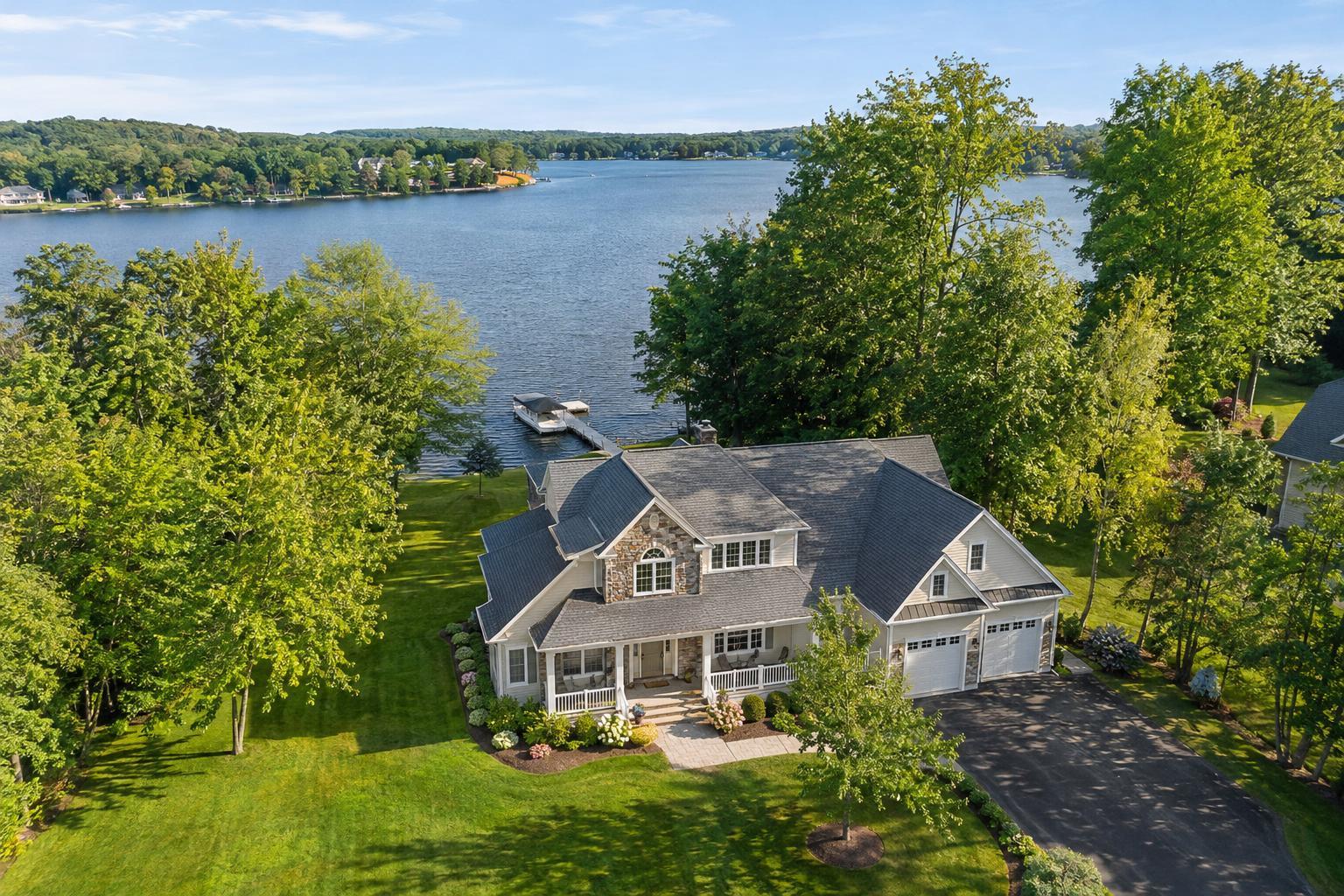
Aerial drone photography captures a charming lakeside home with lush greenery, a private dock, and picturesque water views, perfect for showcasing real estate.

When Is Drone Photography Worth It for a Real Estate Listing?
For real estate agents in NYC or New Jersey, the question isn’t whether drone photography real estate is trendy—it’s when it genuinely adds value for a particular property. Drone imagery can showcase scale, setting, and exterior features in ways that ground-level shots simply can’t, but it isn’t the right fit for every listing. Knowing when to choose aerial property photography (and when to skip it) can help you create more meaningful presentations without wasting marketing dollars.
What Makes Aerial Property Photography Valuable?
Ground photography is the foundation of any real estate listing, providing clear views of rooms, finishes, and street-level curb appeal. But some properties have features or locations that are hard to capture from the ground alone. That’s where drone photos and video come in, offering a wider context that can answer questions like:
- How does the home sit on its lot?
- What does the backyard really look like in relation to the house?
- How close is the property to the water, parks, or major roads?
- Are there skyline views, roof decks, or unique architectural layouts that matter from above?
Aerial media is most effective when it reveals something important—something that a buyer or renter would ask about, but can’t see for themselves until a visit.
Property Types That Benefit Most from Drone Photography
Homes with Land, Water, or Impressive Outdoor Spaces
If you’re listing an estate with sizeable grounds, a dramatic pool, several outbuildings, or outdoor entertaining spaces, an aerial shot can instantly clarify the scale and layout. The same goes for properties on larger suburban lots, homes with gardens or tennis courts, or listings near preserved natural areas.
- Waterfront homes (ocean, bay, river, or lakefront)
- Suburban properties with big backyards, pools, patios, or gardens
- Sites with detached garages, barns, or guest houses
- Properties where outdoor elements are a genuine part of the selling story
Listings Oriented Toward Views or Special Settings
Aerial media is powerful for showcasing where a home sits in relation to water, parks, marinas, or skyline vistas. This is especially helpful for:
- Shore and waterfront homes near the Jersey Shore or NYC waterways
- City apartments with a wraparound roof deck or terrace overlooking iconic views
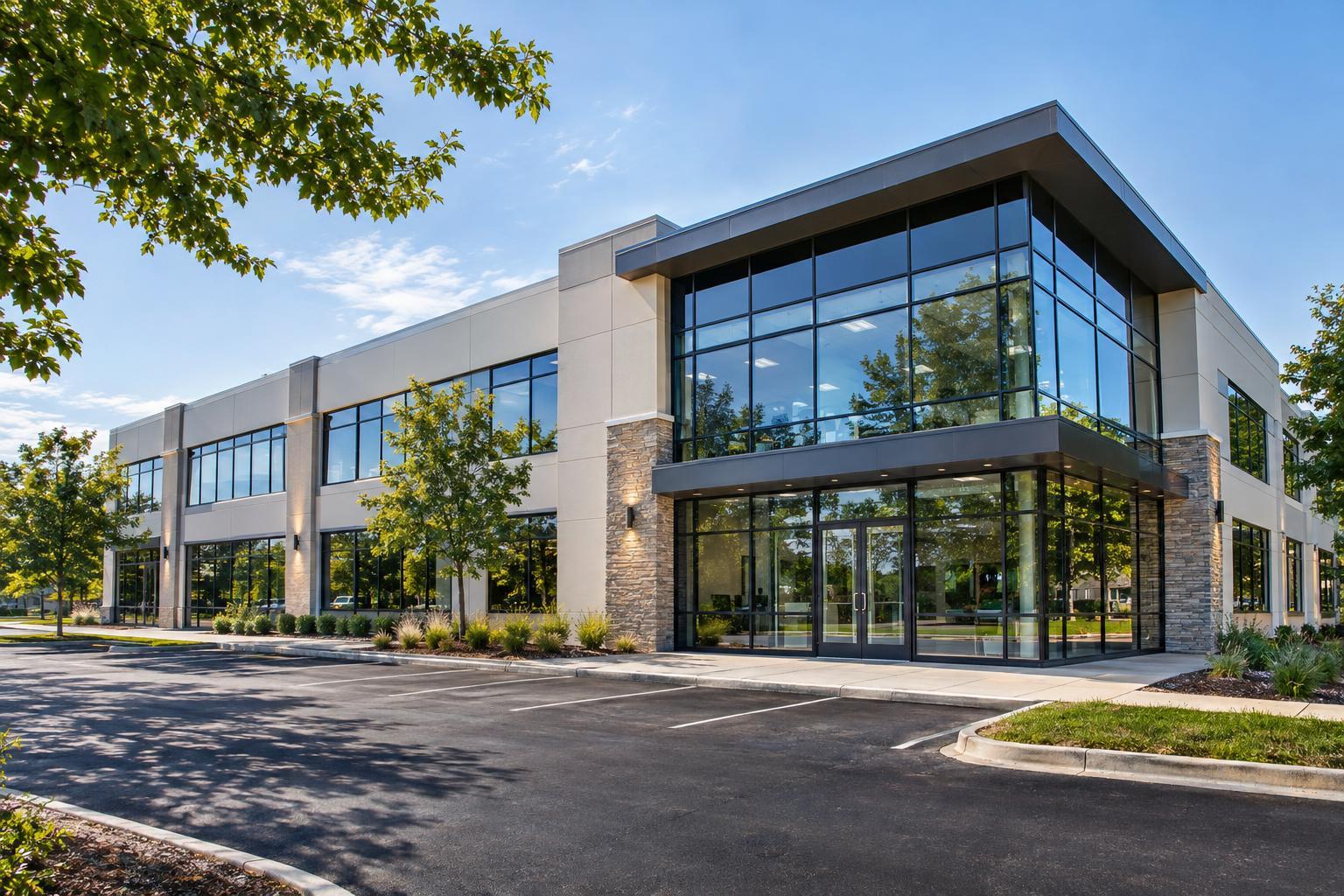
- Commercial properties where location, access, and neighborhood activity are part of the value proposition
Distinctive Urban and Commercial Properties
Not every apartment or brownstone in Brooklyn or Manhattan will benefit from a drone shot. But some stand out because of:
- A private or shared roof deck with real outdoor space
- Courtyards or terraces that can’t be appreciated from ground level
- Multiple-building layouts needing a visual site overview
- Commercial sites that need to show parking, transit, major roads, or access points
Aerial photography, used thoughtfully, can make these layouts far easier to understand for remote viewers.
When Is Drone Coverage Less Useful?
Sometimes, adding drone images is more of an expensive gesture than a strategic investment. Drone photography may not move the needle if:
- The property is an interior-focused apartment or small condo with no exterior space or views
- Surrounding buildings are so dense there’s little usable context to capture
- The lot is compact, and ground photos tell the story just fine
- Curb appeal and selling points are all inside, making interiors, a floor plan, or video more impactful
Dense city blocks, under-construction exteriors, and locations with airspace restrictions or tricky access can also make drone flights more trouble (and cost) than they’re worth.
Local Realities: NYC vs. New Jersey
Challenging NYC Airspace and Density
Real estate drone photography services in NYC come with a unique set of boundaries. Between FAA rules, nearby airports, crowded neighborhoods, and ever-changing local restrictions, not every Brooklyn, Manhattan, Queens, Bronx, or Staten Island address is viable for a drone flight. Roof access is sometimes possible with proper permissions, but operations are always subject to pilot discretion, property rules, and weather conditions.
Before considering drone imagery in New York City, weigh feasibility carefully and be open to other media—floor plans, video, 3D tours—that are often more reliable for urban properties.
Broader Aerial Opportunities in New Jersey
In contrast, New Jersey offers more open skies and a huge variety of property types. Suburban homes, waterfront lots, and commercial parcels often have both the space and the setting for drone coverage. Whether it’s capturing the full depth of a pool and backyard, showing how close a home is to a marina, or placing a business site within a local corridor, drone images are often more practical here.
Still, even in NJ, drone flights require case-by-case review. Airspace rules, weather, safety, and access always apply.
Deciding If Drone Media Makes Sense for Your Listing
Before adding drone photos or video to your marketing package, ask the simple question: What does the buyer really need to see to understand this listing?
If drone imagery would clearly explain something important—a sprawling backyard, direct waterfront access, city views from a private deck—then it’s often worth the investment. If the drone can’t reveal anything new, focus your resources on high-quality interiors, a floor plan, or other media that better answer common buyer questions.
Quick decision checklist:
- Is there land, water, roof space, or special exterior context hard to show from the ground?
- Would a drone shot clarify the property’s relationship to its surroundings?
- Is there a safe place for takeoff and landing?
- Are there any local, airspace, or safety obstacles that might prevent a flight?
- Would another medium (video, floor plan, virtual tour) be more useful for this property?
How Aerial Media Fits into a Balanced Listing Package
Drone photography isn’t a cure-all for property marketing. It works best as a complement—not a replacement—for your interiors, exteriors, and floor plans.
A well-rounded listing will usually include:
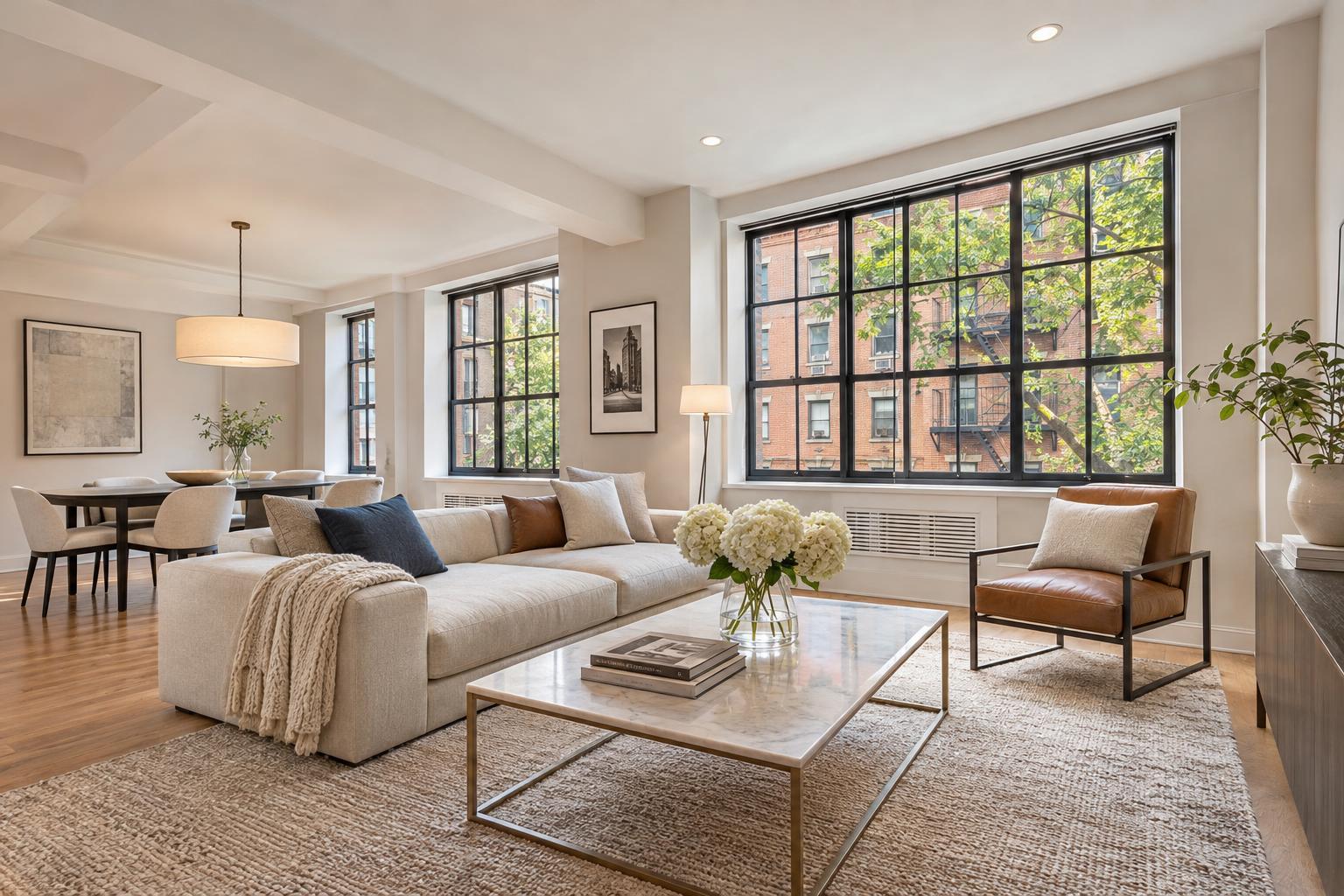
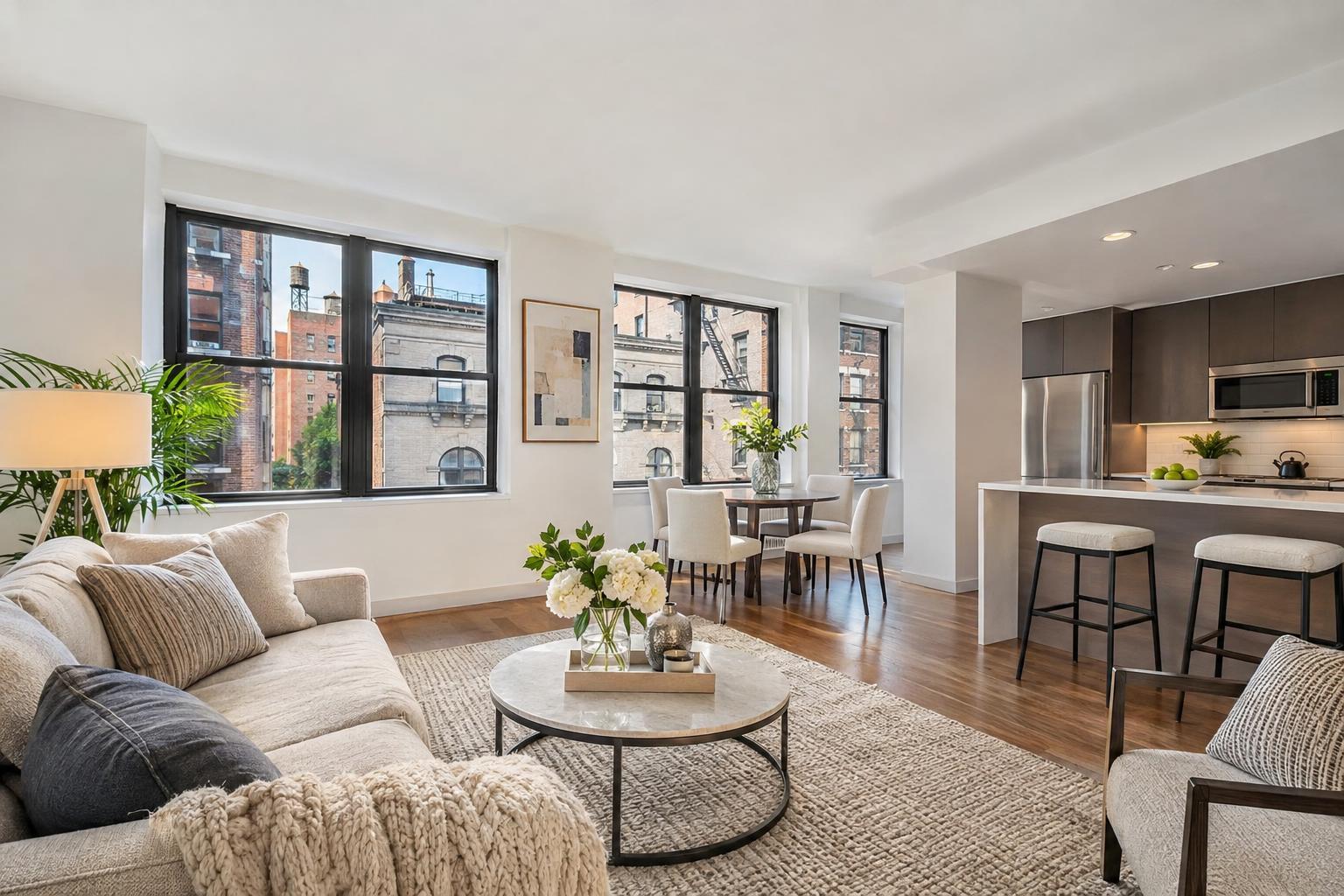
- Interior and exterior photography for spaces, finishes, and curb appeal
- Aerial stills for wider context or scale, if justified for the property
- On-site listing video, especially for movement or “walk-through” storytelling
- Floor plan for clear spatial relationships
- 3D or virtual tour for interactive viewing
Depending on the property, aerial images may be the star (think waterfront homes or commercial sites that need context) or just a small supporting detail.
RealtaSnap: Marketing-Focused Drone and Real Estate Photography
RealtaSnap specializes in listing-ready real estate media for NYC and all of New Jersey, including drone coverage where it makes sense and is feasible. Every drone request is reviewed individually for safety, airspace, weather, access, and the story you want to tell. Our team helps you decide if aerial shots, video, or another media type will give your listing the context and clarity it needs.
You can browse our real estate media services or schedule your next shoot online. With transparent pricing, easy booking, and local expertise, we keep things straightforward—no guesswork or hidden complications.
FAQ
Question: Can you use drone photography for every real estate listing?
Answer: No, not every property is eligible. Drone flights depend on local airspace, weather, access, safety, and pilot discretion. NYC listings, in particular, have stricter limitations due to city regulations and density. Each address is reviewed individually.
Question: Is aerial photography useful for smaller NYC apartments or condos?
Answer: Usually, no. For most apartments without exterior features, interior photography, a detailed floor plan, or a 3D tour usually give buyers a clearer sense of the space. Drone images make sense only if they can show something meaningful—like a private roof deck or exceptional views that ground photos can’t capture.
Question: What should I provide if I’m interested in aerial media?
Answer: To start, have the exact property address handy, and let the media provider know which features matter most (e.g., yard size, pool, waterfront access, roof space). This helps determine if a drone shot is feasible and genuinely beneficial for your listing.
Ready to explore your options? Visit www.RealtaSnap.com for more details or to book your next marketing shoot.