How to Choose Real Estate Marketing Services for NYC Listings
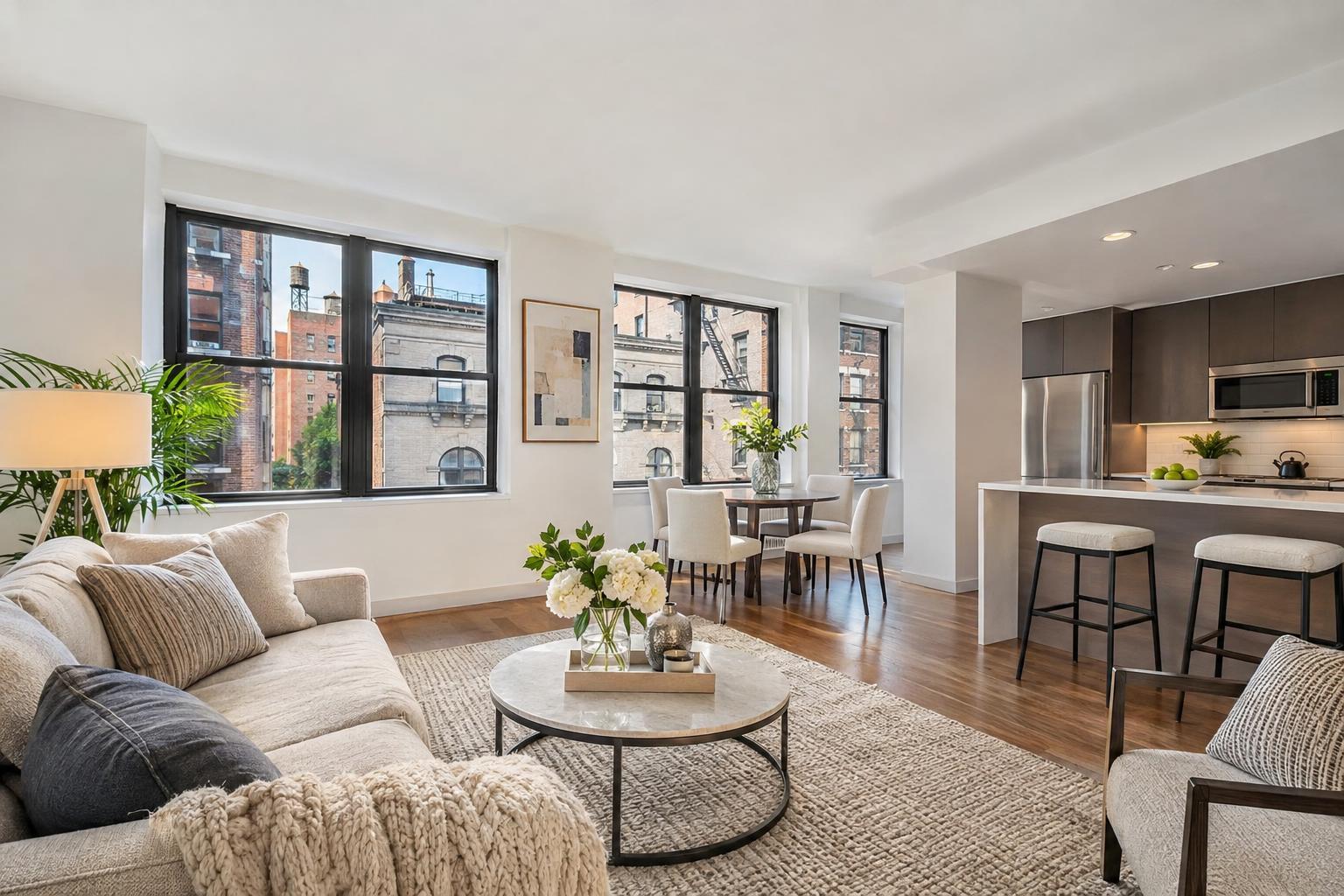
The stylish and modern interior featuring an open living and dining area exemplifies real estate marketing in NYC, highlighting spaciousness and urban views.

How to Choose Real Estate Marketing Services for NYC Listings
Real estate marketing in NYC is all about making smart choices. If you’re representing a Manhattan apartment, a Brooklyn brownstone, a new development, or a mixed-use commercial building, your marketing strategy isn’t about checking every media box—it's about selecting a set of visual assets that actually helps buyers or tenants understand what makes the property unique.
Let’s dig into what NYC agents, brokers, property managers, and developers should know about building a media plan that works for your specific listing.
Start with the Story, Not the Service Menu
Every listing in New York City tells a different story. Before you book a photo shoot or order any add-ons, spend a moment pinning down what the property needs to communicate. Ask yourself:
- Can photos alone explain the layout, or are there tricky elements like split levels or combined units?
- Are there standout features—views, outdoor space, building amenities—that need more context?
- Is the listing vacant or lived-in? Is it furnished, half-moved, or ready for a new vision?
- Are there unique logistics, like elevator reservations, restricted access times, or building policies around media?
- Where will you actually use the media? A listing portal isn’t the same as a slide deck or a social campaign.
Thinking in terms of your actual audience will help you avoid the two biggest mistakes: leaving a stunning listing under-documented or throwing every possible service at a property when not all are needed. Each piece of media you select should have a purpose in explaining and marketing the property.
Why Photography Still Leads NYC Property Marketing
For nearly every listing, professional photography is the foundation. Crisp, well-composed HDR images help buyers or tenants form a quick and accurate impression—whether they’re scrolling past dozens of listings or preparing for a private tour.
But a “good set” of images depends on what you’re marketing:
- Manhattan studios typically need a focus on light, views, building amenities, and functional layout.
- Brooklyn brownstones are all about showing off layers: façade, stoop, parlor, garden, original details.
- Commercial properties should cover reception, workspaces, conference areas, visitor access, and curb appeal.
- New developments need a consistent story across model units, amenities, and shared spaces.
Opt for quality over quantity. The right photography package covers key rooms, attractive bathrooms, best views (through windows, on balconies, from rooftops), unique architectural features, and, if possible, building amenities or highlights from the neighborhood.
Strong images remain essential even on listings where you’ll add other formats like video or 3D tours. Still photos are practical for sharing, easy to scan at a glance, and form the backbone for listing, social, or print presentations.
The Case for Video: Showing Movement and Flow
Video becomes powerful in NYC marketing when a property’s flow, atmosphere, or transitions can’t be captured by static shots alone. Think:
- Multi-level spaces—like duplexes, triplexes, or townhouses—where the stairs and layout really matter.
- Properties with a dramatic entertaining sequence or outdoor transition.
- High-end condos where the lobby and amenities are as much the sell as the unit itself.
- Commercial listings where circulation and work zones need to be understood quickly.
A true listing video is more than a photo slideshow. It’s filmed on site to capture real movement, room relationships, and natural light—all vital in helping viewers picture themselves in the space.
If video will be used heavily in social media or agent outreach, a short trailer (vertical or square, 30–60 seconds) can be a useful addition. This isn’t a replacement for the main listing video, but a quick, engaging “preview” for your channels.
When a Floor Plan Adds the Missing Piece
Floor plans earn their keep on listings where layout questions might slow a buyer down. In NYC, that means pre-war apartments with unique flows, co-ops with wings or galleries, duplexes or penthouses, combo units, and commercial suites.
A floor plan can clarify:
- How bedrooms connect (or don’t) to living spaces
- Whether there’s a separate office or den
- Which level connects to the garden or rooftop
- The overall sense of scale and flexibility
Remember: Floor plans require on-site access. RealtaSnap, for example, scans the physical property—no guessing from old PDFs or digital sketches. Combination listings need all areas accessible for a complete and accurate scan.
This is especially important in NYC, where renovation plans and combo units are almost part of the real estate DNA. Make sure what’s being marketed matches what’s captured on the floor plan.
3D Virtual Tours for Remote Exploration
Interactive 3D tours (think Matterport) let buyers and tenants “walk” through a property online, exploring room by room at their own pace. These tours are particularly helpful when:
- The property has a complex layout, multiple levels, or hidden spaces
- There are access limitations and not every interested party can visit in person
- The expected pool of buyers or tenants includes out-of-state or international clients
A 3D tour isn’t the same as video. It’s entirely self-guided, giving viewers control over where they go and how long they look. In NYC, combining photography and a floor plan is often enough, but a 3D tour can be a big value-add for townhouses, new developments, and larger or more intricate commercial properties.
As with floor plans, onsite capture is a must. You can’t create an interactive tour from a collection of photos.
Using Drone for True Context—Not as a Default
Drone photography or video can show a property’s place in the cityscape: how close it is to green space, waterfront, transit, or how it sits among other buildings. This kind of context is valuable for:
- Townhomes or brownstones with visible rooflines, gardens, or outdoor character
- Waterfront or park-adjacent properties
- Larger homes, estates, and new developments
- Commercial listings with distinctive lots, parking, or visibility
Drone work in New York City is always case by case. Dense streets, FAA rules, local permits, weather, and access all come into play. Flight is never guaranteed, and sometimes carefully shot exterior photos can be just as effective for showing curb appeal or outdoor highlights.
Virtual Staging: Bringing Possibility to Empty Rooms
Virtual staging transforms unfurnished, empty rooms into inviting, livable spaces—making it easier for buyers to imagine how a space could feel. This service works best when:
- The room is completely vacant and clean
- There are no physical items or clutter competing with the virtual furniture
If you’re aiming to virtually stage an occupied room, the physical furniture needs to be removed first (or you’ll need a clutter-removal edit). Think of virtual staging as a complementary tool—it’s a way to present potential, but it shouldn’t replace actual documentation of the current property.
Matching Services to NYC Property Types
NYC real estate isn’t one-size-fits-all—nor should your marketing be. Here’s how media choices often break down:
- Manhattan apartments and condos: Emphasize natural light, finishes, and views. Photography is essential; add floor plans for trickier layouts or when showing split wings or pre-war quirks. Video brings an edge for larger condos or high-amenity buildings.
- Brooklyn brownstones or townhomes: Multiple levels and unique details mean photography, video, and a floor plan work well in tandem. Drone adds context if flight is feasible, but it’s never a given.
- New developments or amenity-rich buildings: The story is about shared spaces as much as the unit. Consistency across visual assets helps maintain a professional brand.
- Commercial properties: Function, flow, and location sell the space. Start with photography and floor plans; layer in video, 3D tours, or drone only when it helps illustrate value or flexibility.
Choosing a Media Provider: What to Really Look For
A provider’s best images are only the starting point. Before you book, check:
- Do they clearly define what’s included and what the process looks like?
- Is there prep guidance for both vacant and lived-in spaces?
- Are policies clear, especially around drone, virtual staging, and property access?
- Can you book and coordinate everything you need in one place, online, and on your schedule?
- Is communication straightforward, especially around tricky logistics or special requests?
RealtaSnap offers a streamlined online booking process for NYC and New Jersey, letting you choose media services, enter property and access details, add special notes, and secure your time—all through the official scheduling platform. No back-and-forth, no hidden steps, and service is always tailored to your needs.
Putting It All Together
Effective NYC property marketing comes down to clarity, not quantity. Start with strong professional photography. Use floor plans where layout needs explanation. Add video if movement and lifestyle matter, 3D tours when self-guided exploration is valuable, drone for aerial context when feasible, and virtual staging to highlight the potential of empty spaces.
For agents and teams ready to create a tailored media plan, you can learn more or book online with RealtaSnap, serving both NYC and New Jersey listings.
FAQ
Question: Does every NYC real estate listing need the full suite of services?
Answer: No—most listings benefit from professional photos, but floor plans, video, virtual tours, drone, and virtual staging should be chosen based on what helps explain the property. Simpler apartments may need just photos; more complex homes or commercial spaces often benefit from additional formats.
Question: Can virtual tours or floor plans be created from existing photos or digital plans?
Answer: No. Both floor plans and 3D virtual tours require on-site capture to accurately reflect the existing property as it is—not a guess based on old images or architectural renderings.
Question: When is virtual staging the right call?
Answer: Virtual staging is most effective in completely vacant, clean rooms where showing potential use helps buyers envision the space. For occupied rooms, physical furniture must be removed or a clutter-removal edit arranged before staging can happen.
Ready to put together a marketing plan that fits your next NYC or New Jersey listing? Start with www.RealtaSnap.com to see your options and reserve your shoot.