How to Choose a Real Estate Videographer for Your Next Listing
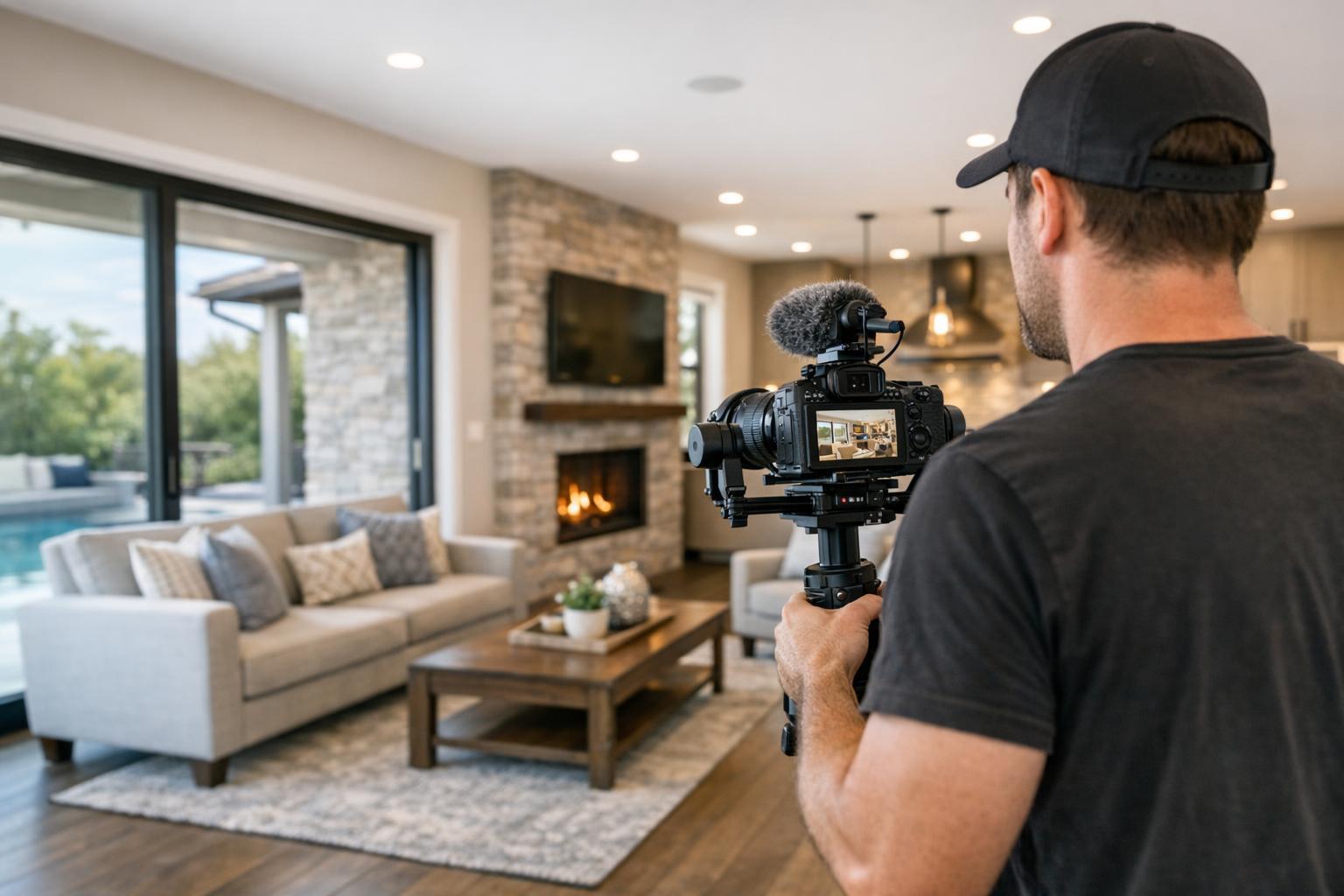
A real estate videographer captures footage of a stylish living room with a fireplace and views of a pool through large glass doors.

How to Choose a Real Estate Videographer for Your Next Listing
A real estate videographer can be the difference between a listing that gets skipped and one that resonates with buyers or renters before they ever walk in the door. Photos spotlight moments—a sunlit kitchen, a restored brownstone fireplace—but a real estate video tour brings the story of the entire property to life. Especially in busy NYC, where apartment layouts can be tough to untangle from stills alone or in New Jersey homes where the exterior context is just as important as the interiors, a polished video can make your listing feel real and memorable well before the showing.
Let’s get practical about what a good property videographer does, how to evaluate your options, and how to ensure the final product is actually useful for the way you market real estate.
What Makes Real Estate Video So Useful to Agents?
Photographs lay the foundation when launching a listing, but video tours offer something different. They introduce motion, context, and the all-important feel of moving through a space. For agents and marketers, video is a tool to answer early questions buyers have:
- How do the rooms connect?
- What’s the flow from the front door through to the living areas, kitchen, and backyard?
- What can you actually see out those windows?
- How big do the rooms feel—really?
A real estate video tour reveals architecture, light, and layout as an experience, not just a collection of moments.
For example:
- A classic Brooklyn brownstone with a winding staircase benefits from a gentle room-to-room progression that helps audiences understand its scale and character.
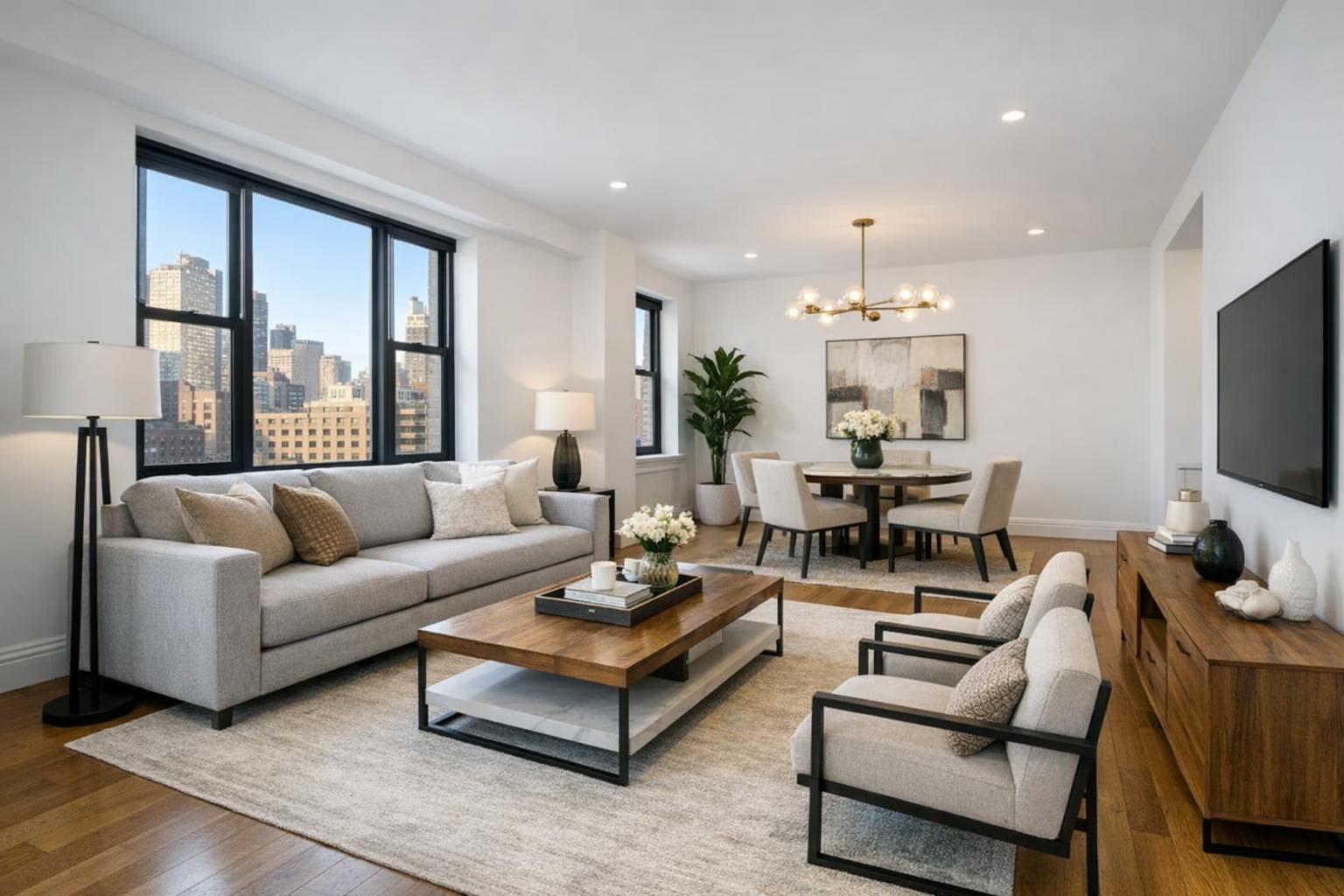
- A tight Manhattan apartment, on the other hand, often needs a concise walkthrough to clarify layout and flow—entry to main space, kitchen to bedroom, plus key views.
- In the New Jersey suburbs, large houses may need a video that includes both the approach, exterior amenities, and the connection from living rooms out to the yard, pool, or deck.
Planning and Storytelling: It’s Not Just About Pretty Clips
Every property has a unique story to tell, and that story should drive the video. Start by thinking about what your target viewer should understand by the end of the tour. Is it the path from the foyer through a show-stopping living room? The gleam of morning sunlight on a breakfast nook? A seamless transition from indoor spaces to an impressive backyard?
A focused creative brief helps your videographer plan shots, choose natural paths, and avoid wasted time. Here’s what agents, brokers, and property marketers should consider:
- Flow between rooms (entry, common areas, private spaces)
- True scale of main spaces and outdoor areas
- Lighting and the feel of daylight in various rooms
- Special details (original millwork, restored fireplaces, unique windows)
- Connection between inside and outside—terraces, backyards, gardens
- Contextual shots (lobby, building amenities, neighborhood, when relevant)
Not every detail deserves equal billing; the most effective real estate video tours prioritize clarity and narrative over documenting every closet.
What Video Captures That Photos Can’t
Professional photography and video in real estate go hand in hand, but they serve different purposes. Photos let viewers study finishes, zoom in on hardware, or linger on one room at a time. Video, on the other hand, is about movement and sequence:
- A slow glide from a sunny kitchen into the dining room demonstrates openness.
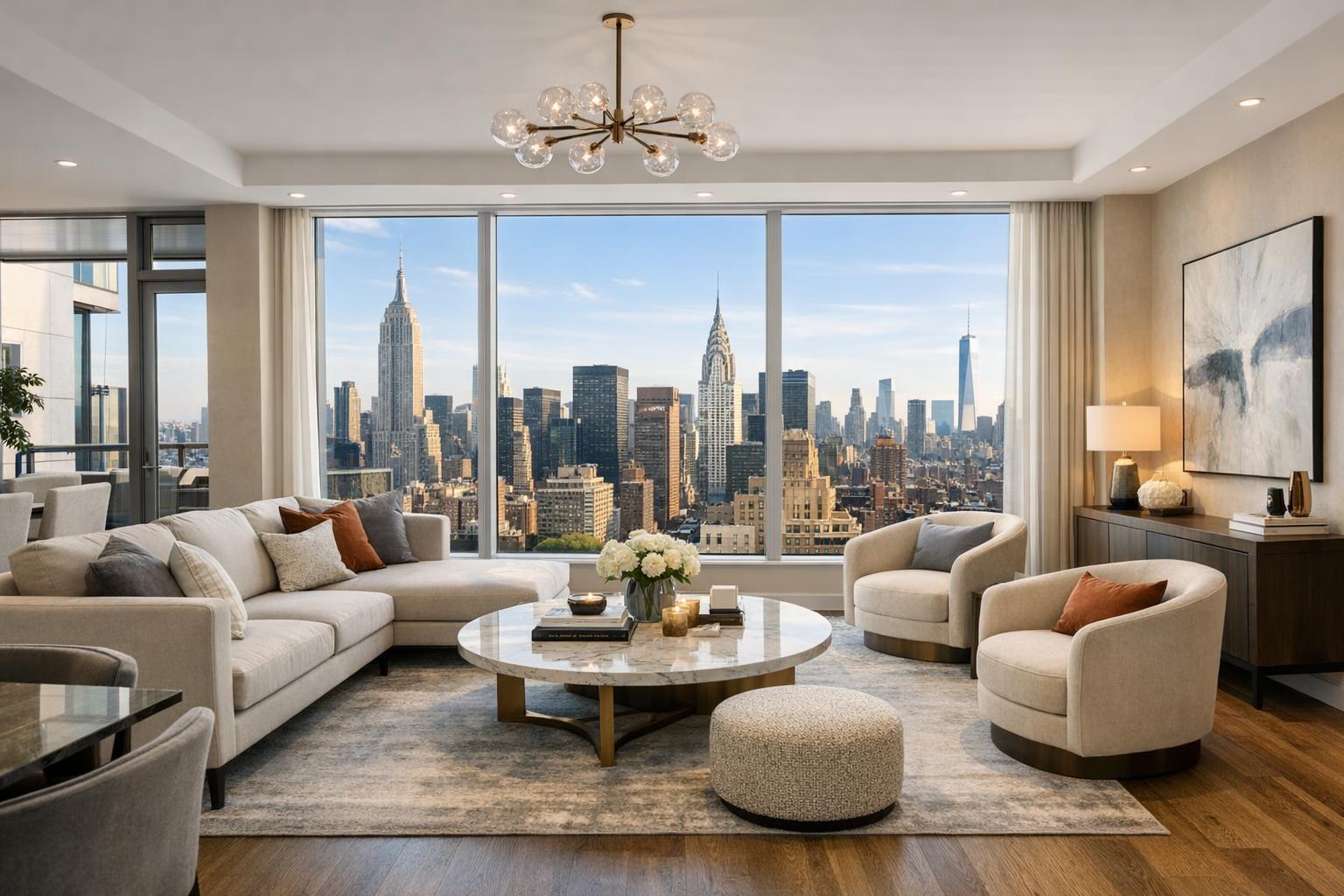
- Approaching a window with a steady shot can make a New York skyline or leafy backyard come alive.
- Capturing the trip from the front door through the home helps potential buyers visualize their own daily movements.
A well-constructed real estate video can convey:
- Flow: Are the living spaces open and connected, or defined and private?
- Scale: How tall are those ceilings? Is the hallway wide and spacious or snug and efficient?
- Light and Setting: Does daylight fill the main areas? How does the front door connect with the street or a garden?
- Character and Details: Let that ornate crown molding or period fireplace get its proper spotlight.
- Energy and Pacing: Is the home calm and serene, or lively and social?
The idea is not to replace listing photos, information, or floor plans—but to add another dimension to your marketing assets.
Reviewing Portfolios: Dig Beyond the Highlights
Evaluating a property videographer doesn’t stop at the most eye-catching reel. Take the time to watch through complete sample videos—especially ones that match your type of listing: condos, townhouses, brownstones, or larger detached homes.
Pay attention to:
- Camera movement: Does the pacing help you understand the home’s flow, or is it just a series of dramatic swoops and spins?
- Composition and lighting: Are spaces shown clearly, with vertical lines intact and natural colors?
- Storytelling: Does the video route feel logical and natural—entry to main space to bedrooms and beyond?
Flashy editing and fast cuts work for quick social teasers, but for full property tours, clarity and steadiness matter much more.
On-Site Capture: Planning, Prep, and Logistics
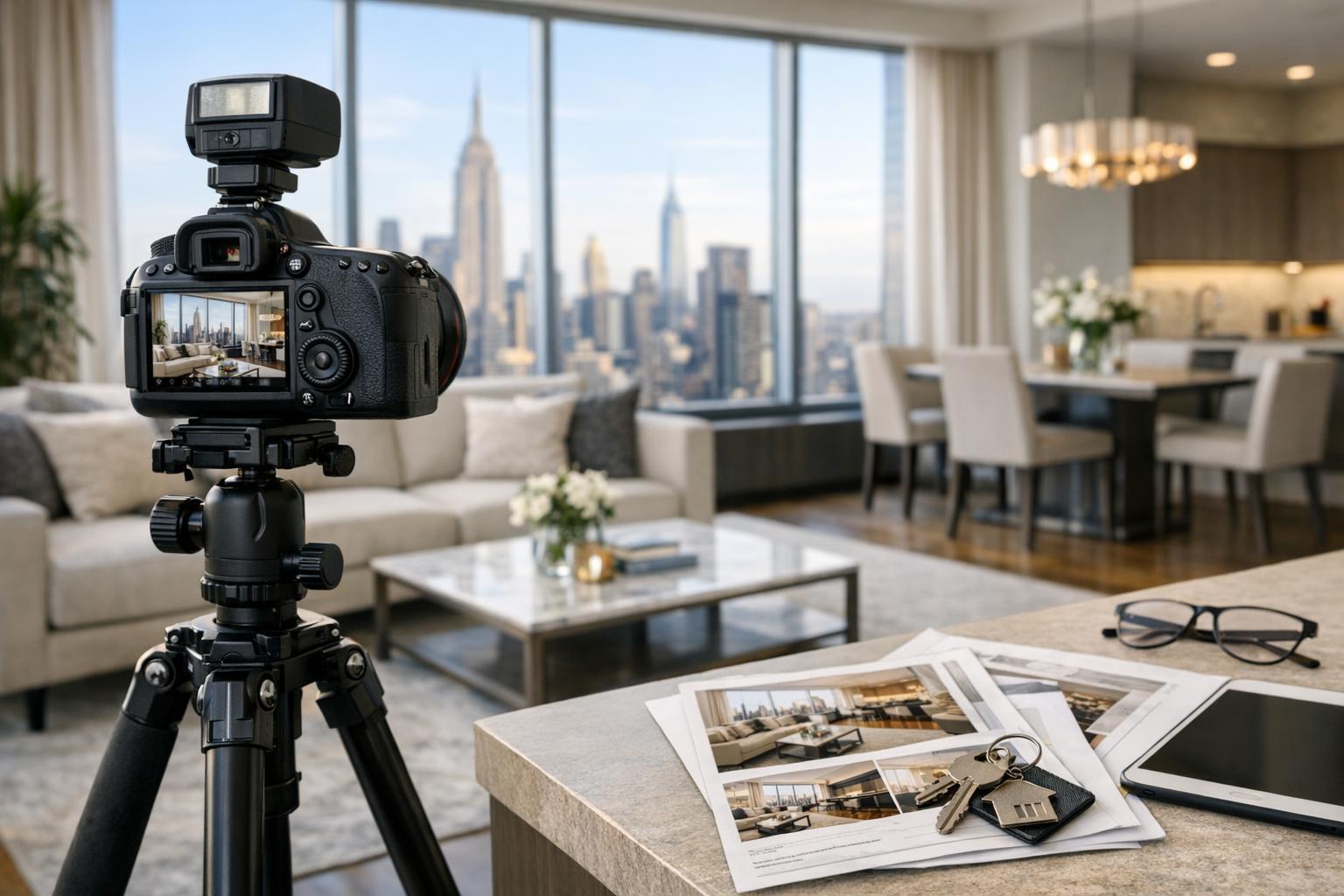
Unlike slideshow videos assembled from photos, true listing video tours are filmed on location. This allows the finished product to flow naturally from space to space, matching the real experience of moving through the property. Before shoot day, talk with your videographer about:
- Priority spaces, rooms, and views to be featured
- Any key amenities or outdoor features
- Whether an agent or homeowner will appear in the video
- The property’s status (occupied, staged, vacant, or in prep)
- Special building or neighborhood access procedures
- Desired video formats for MLS, websites, or marketing
It’s also worth coordinating preparations:
- Declutter and clear personal items when possible
- Make sure rooms are tidy, cords are hidden, and lights are working
- Plan for people and pets to be out of frame during filming
NYC listings often have unique challenges like tight layouts, limited access windows, and building restrictions. In New Jersey, plan for both interiors and exteriors to tell the full story—don’t skip the front walk or backyard if those areas drive value.
Matching Video Format to the Listing and Marketing Plan
Not every home needs the same level of video or storytelling. For a straightforward listing, a simple, concise walkthrough often makes the most sense. Higher-end properties, expansive homes, or listings with notable amenities might warrant longer videos, custom branding, or interview segments.
RealtaSnap offers varied video formats to fit these needs—including standard one-minute videos, premium edits with motion graphics or agent branding, and premium interview options if an agent or homeowner’s story enhances the pitch. These are all captured on-site, with the final product edited from actual property footage.
Choose a scope that makes sense. A compact apartment rarely benefits from a lengthy film, but a distinctive brownstone or a New Jersey home with extensive grounds might call for more in-depth coverage.
See more about videography options for NYC and New Jersey listings
Social Media Cuts: When Does a Short Clip Make Sense?
Full listing videos and social media cuts aren’t interchangeable. The former guides viewers through the property; the latter focuses on the most dramatic moments for platforms like Instagram Reels or TikTok.
Consider commissioning alternate social cuts if you plan to:
- Spotlight an eye-catching view, rooftop, or backyard
- Tease a new listing on social media
- Create a quick hit that points viewers to a full listing video
- Shine a brief spotlight on unique historical or architectural details
RealtaSnap provides social media cuts and 30-second trailers as video add-ons, keeping your content flexible for different platforms.
Drone Footage: When It’s Worthwhile—and When It’s Not an Option
Aerial video provides powerful context for homes with sprawling lots, waterfront access, or unusual architecture, but it isn’t always feasible—especially in densely packed parts of NYC. Whether drone footage can be shot depends on airspace regulations, weather, site safety, and pilot discretion. Sometimes it’s simply not possible.
If aerial video is important, share the property address early in your conversation so feasibility can be checked ahead of time.
Comparing Providers: What Really Matters
Price is always a factor, but it isn’t the only consideration. As you compare potential videographers, look for clarity around:
- Portfolio samples of similar properties
- Camera work, composition, and pacing
- On-site workflow and pre-shoot communication
- Expected video length and included graphics or branding
- Music and editing approach
- Options for social media cuts or aerial footage
- Revision policies
- Turnaround time and delivery methods
A responsive, experienced provider will be direct about what’s possible and what to expect at every step.
Local Approach for NYC and New Jersey Listings
For agents and marketers in NYC and New Jersey, practical, attentive real estate video is especially valuable. RealtaSnap specializes in media that fits the realities of both Manhattan and Brooklyn apartments, historic brownstones, North Jersey family homes, and everything in between. Video is always shot on site, with options spanning from efficient standard cuts to more detailed edits and branding for premium listings.
Browse our videography page for more service info and sample work: RealtaSnap Real Estate Videography NYC
A great real estate video isn’t about being the flashiest or the longest. It’s about showing the property clearly and convincingly, making it easy for buyers to visualize themselves in the space.
If you have an upcoming property that could benefit from professional video, we’d be happy to help. Visit www.RealtaSnap.com.
FAQ
Question: How long should a real estate video tour be?
Answer: It really depends on the property and what you hope to achieve. Smaller listings or apartments usually do best with short, focused videos, while larger homes or properties with complex amenities may need more time to capture the setting and features without becoming repetitive.
Question: Can a videographer create a property video from my existing listing photos?
Answer: Not if you want a genuine walkthrough-style video. Proper listing videos are filmed on-site, which allows for smooth movement and a logical room-to-room experience. RealtaSnap captures all video content directly at the property, not from a photo slideshow.
Question: Is drone footage always available for real estate video tours?
Answer: Drone coverage depends on several factors, including local airspace rules, weather, safety, and pilot discretion. In some locations—especially in parts of New York City—drone flights may not be feasible. It’s best to discuss drone options during the initial planning to see what’s realistic for your listing.