How to Choose an Architectural Photographer in NYC for Property Marketing
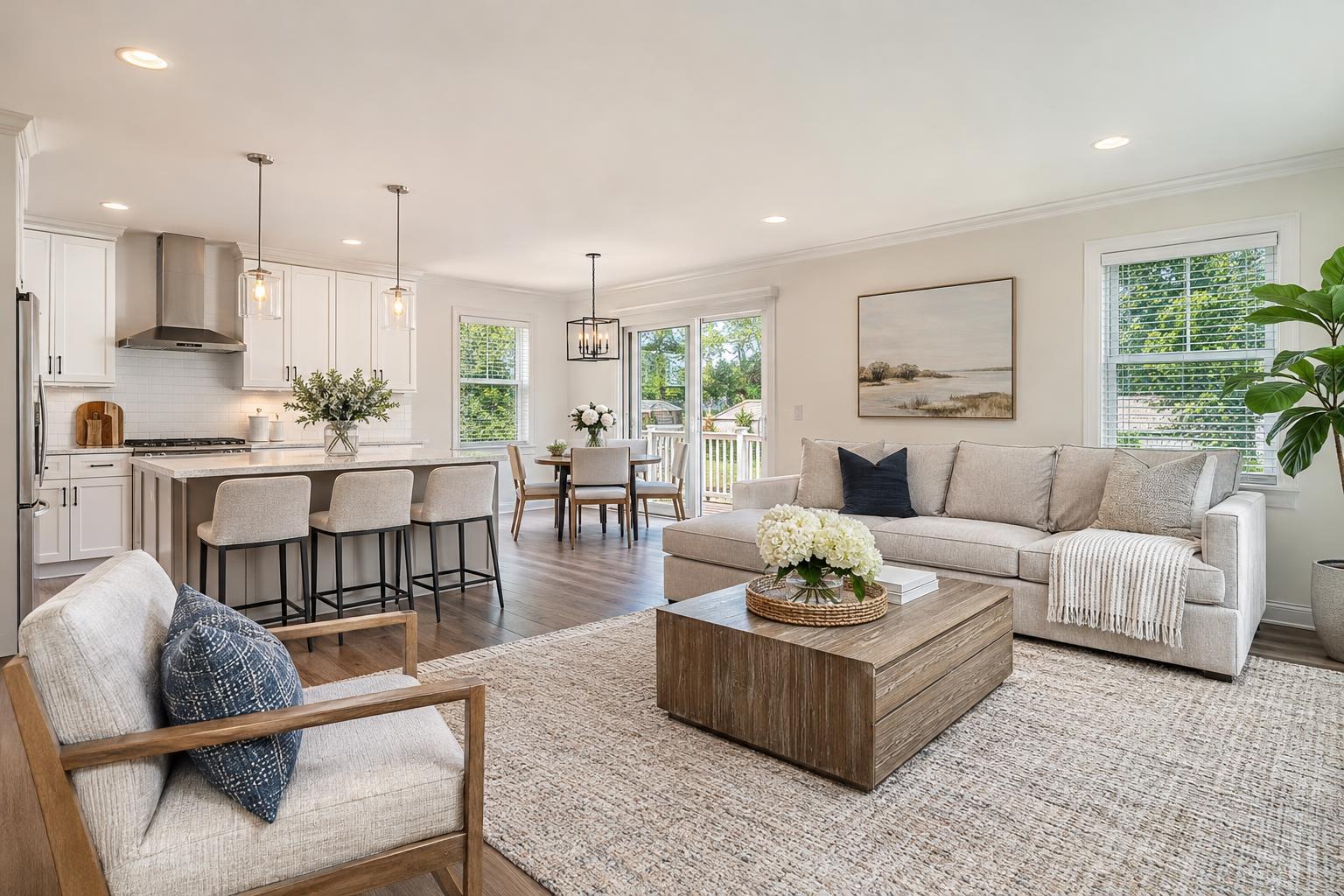
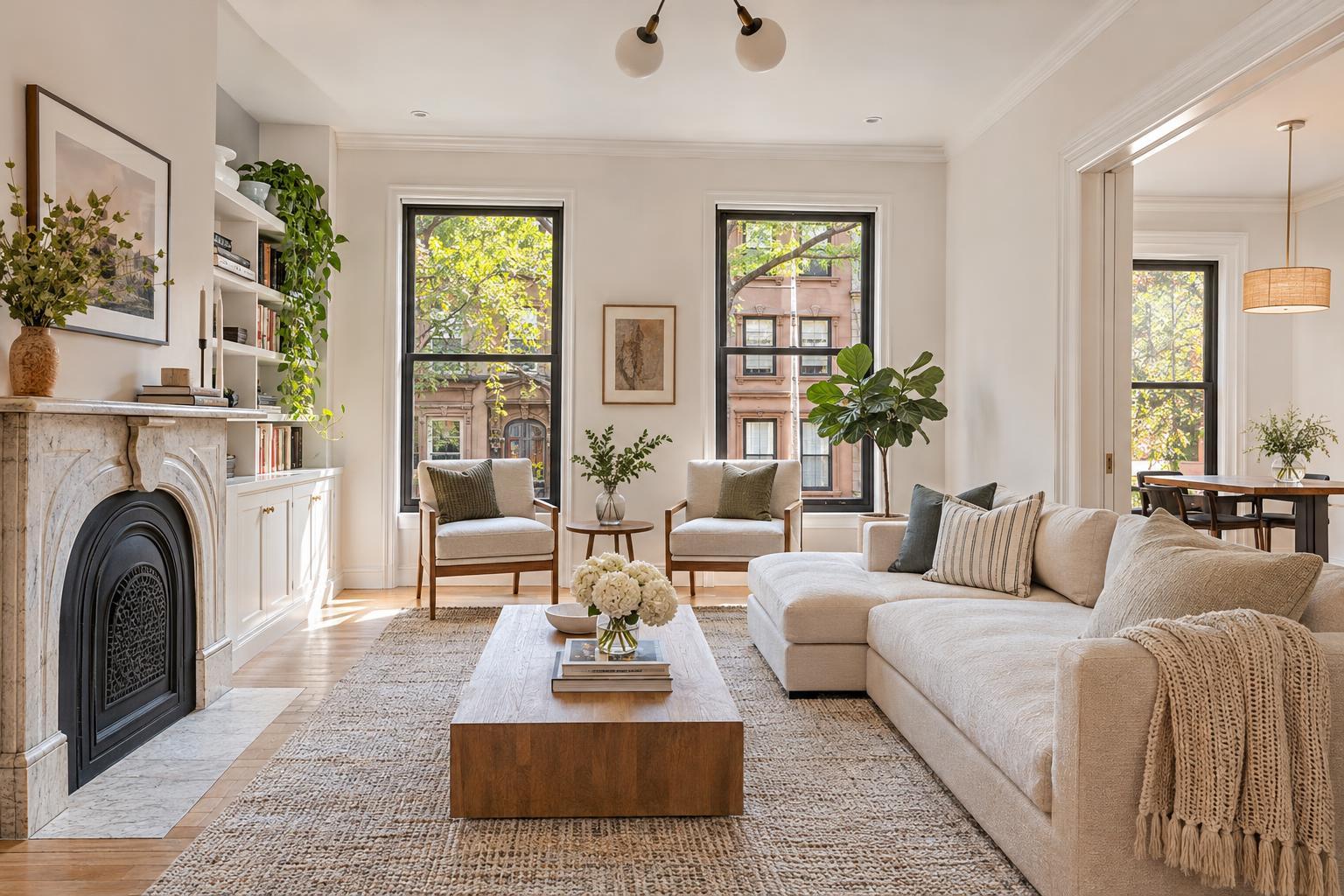
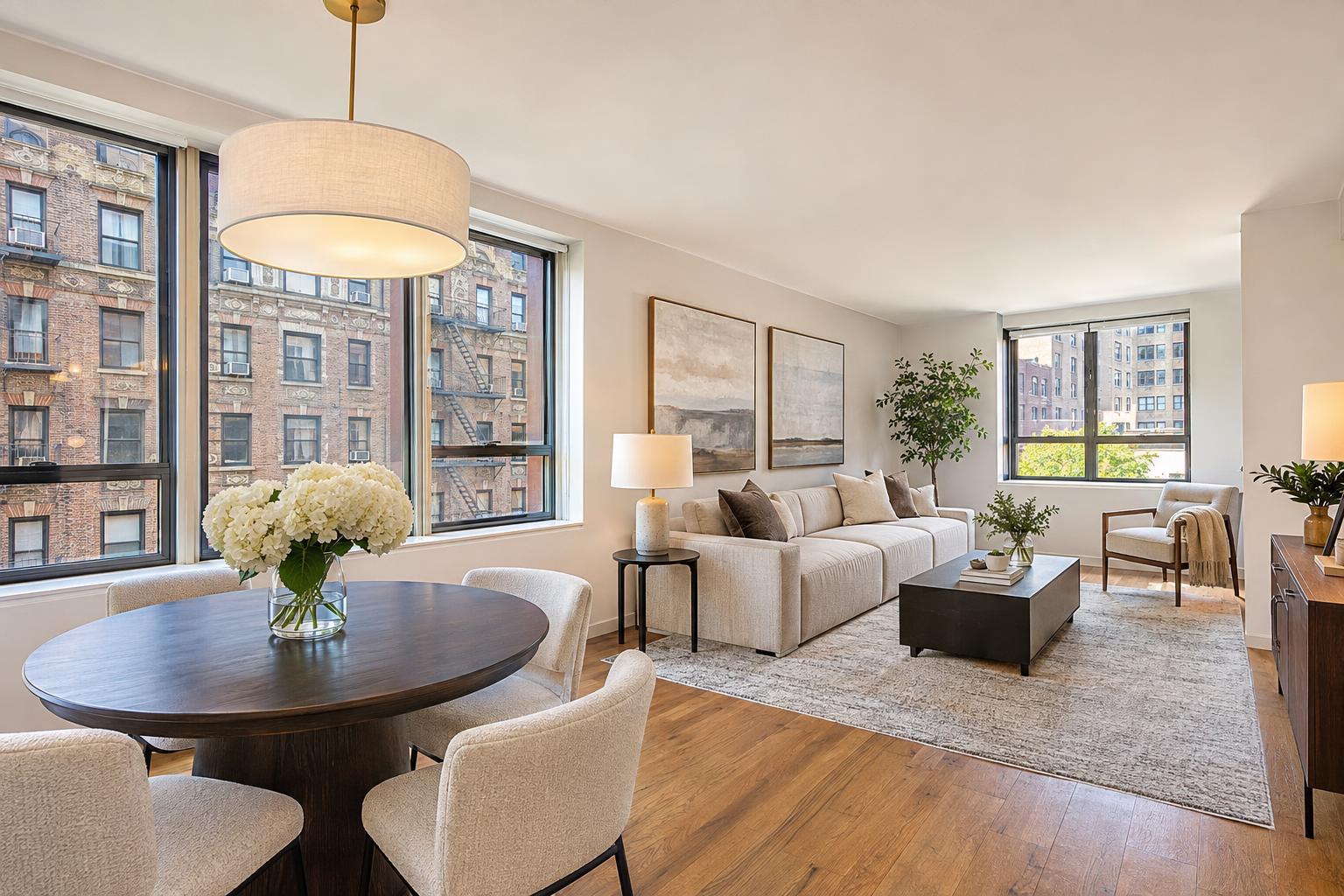
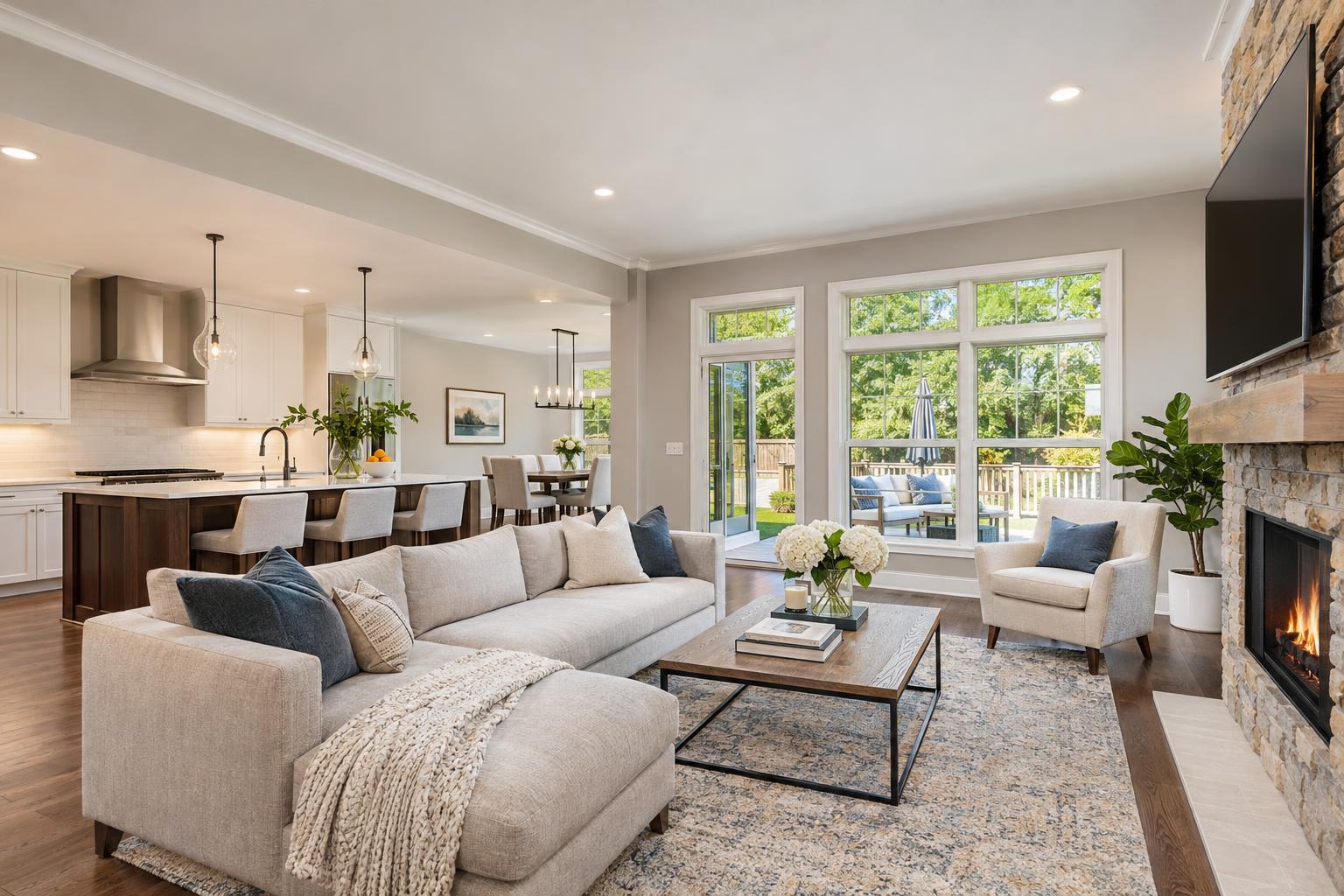
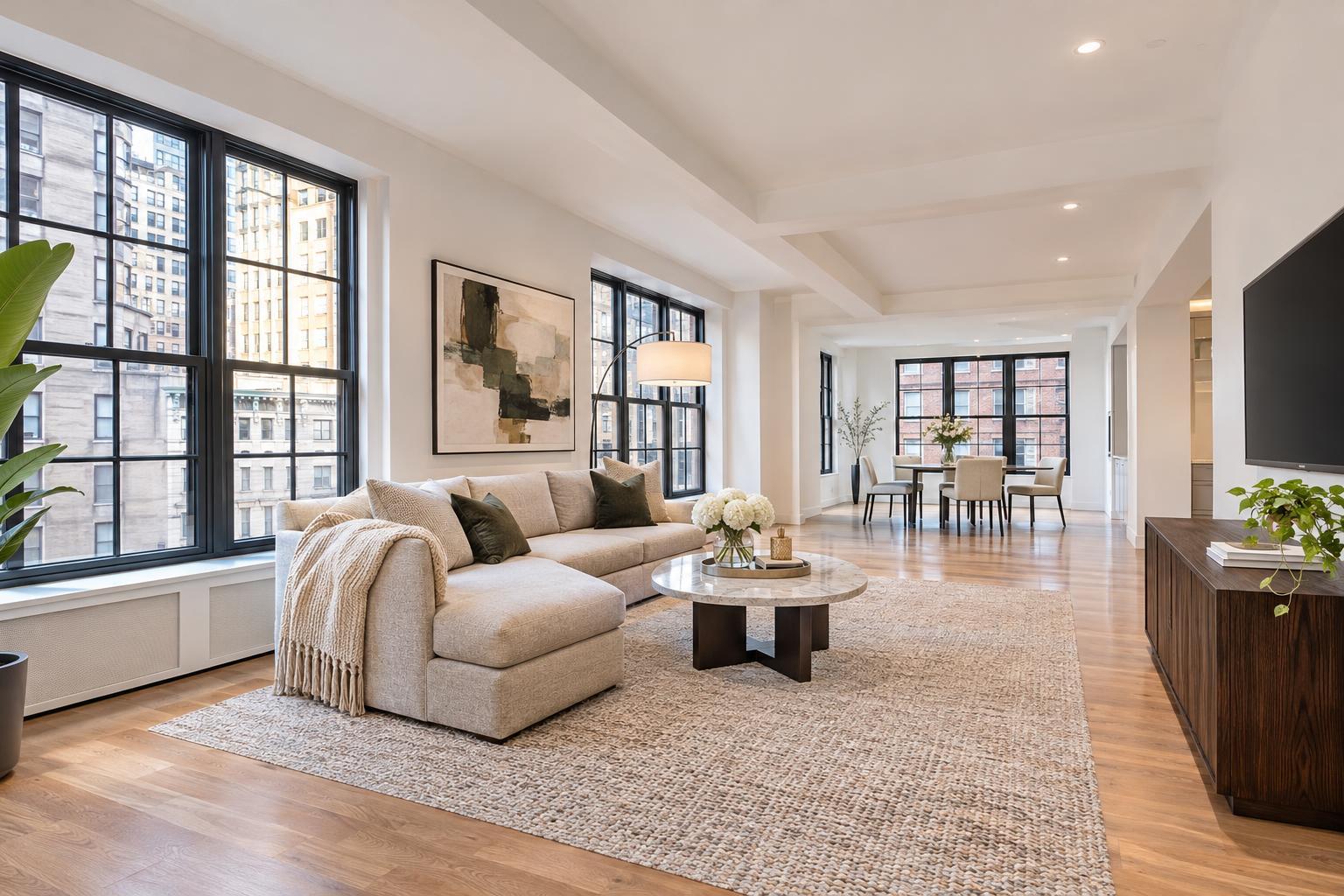
The architectural photographer NYC captures a modern, elegantly furnished open-concept living and dining area with large windows overlooking urban buildings.

How to Choose an Architectural Photographer in NYC for Property Marketing
Choosing an architectural photographer in NYC for your property marketing is more than a line item—it’s a crucial strategic decision, especially when visuals need to do more than check a box. The right images will showcase your space’s proportions, finishes, natural light, and atmosphere so that buyers, tenants, or clients see what makes the property unique. For design-forward residences, offices, new developments, and commercial spaces, professional property photography is all about clarity and credibility, not just coverage.
Let’s break down what separates a truly professional shoot from routine real estate photos and how to select a photographer who will support your marketing goals for New York City property.
What Sets Architectural Photography Apart?
While most real estate photography is designed for speed and efficiency, architectural photography takes a far more intentional approach. The difference shows up in both what’s photographed and how it’s presented.
Typical listing photos prioritize wide angles and full-room shots. By contrast, architectural photography brings in careful composition, straight lines, proportional accuracy, controlled lighting, and genuine respect for materials and design choices. The goal is to represent a space honestly, while emphasizing what makes it stand out—whether that’s custom millwork, a landmark view, original brownstone details, or spatial flow in a modern office.
Key considerations in architectural photography:
- Selecting the most meaningful angle, not just the widest one
- Maintaining true vertical and horizontal lines (so nothing feels skewed)
- Balancing window and interior lighting for a natural look
- Including details that add story—unique hardware, stonework, or specialty finishes
- Connecting one image to the next to build a sense of progression through the property
- Setting the architectural context, such as entrances, gardens, or facade shots
These choices lend depth to images, providing context for both the property’s design and the experience of moving through the space.
Evaluating a Photographer’s Portfolio
When reviewing portfolios for property marketing, don’t focus solely on whether the images are crisp and bright. Instead, dig deeper:
- Do the photos capture both whole rooms and details that reveal craftsmanship?
- Are lines and proportions believable, or do images rely on distortion to make tight spaces feel larger than life?
- How do they handle tricky lighting, like a sun-drenched window in a Soho loft or the warm, moody lighting of a restaurant interior?
- Does each photo contribute to a clear visual story—making the space feel livable, walkable, or inviting?
Also consider whether the photographer’s experience aligns with your property type. For example:
- Manhattan condos and co-ops: Light, views, and compact layouts demand strategic angles and smart composition.
- Brooklyn brownstones and townhouses: Sense of progression matters, from the historic stoop and parlor level through modern renovations and garden spaces.
- Offices and commercial interiors: Clarity around function—showing circulation, work zones, reception, and amenities—makes the difference.
- Retail, restaurants, and customer-facing venues: Street context, branded elements, and inviting layouts are often priorities.
- New developments: Cohesive style and consistency across units and amenities are critical for multi-purpose marketing assets.
Beyond Style: Workflow and Practical Expertise
A skilled architectural photographer in NYC brings much more than technical knowledge. Planning, clear communication, and reliable access can make or break a shoot.
Questions to ask before booking:
- Have you shot similar property types or scales?
- Can you provide examples that show both wide coverage and thoughtful details?
- How do you handle mix of bright windows and interior light? What about tricky layouts?
- Is it possible to supply a custom shot list or highlight specific features?
- What’s involved in preparing the space and granting building access?
- What edited deliverables are included, and are they suitable for both print and digital marketing?
- Are video, floor plans, 3D tours, or drone shots options for this project if needed?
A responsive photographer should guide the conversation, suggest practical solutions, and adapt recommendations to your unique property—never simply promise the same approach for every assignment.
Building a Targeted Shot List
A thoughtful shot list goes beyond “every room from every angle.” For property marketing, tailor the priorities to what audiences need to understand most:
- Main gathering areas and their flow (living, kitchen, dining)
- Signature features (terrace, landmark views, custom fixtures)
- Meaningful details (architectural millwork, hardware, or feature wall)
- Building entrance, lobby, and shared amenities
- Outdoor context (garden, rooftop, neighborhood shots)
Remain flexible: Start with essentials, but let the photographer spot additional opportunities on site. The most memorable images often come from seeing the light or discovering relationships between spaces you hadn’t considered beforehand.
Preparing Your Space
No level of photo editing can hide every distraction. Before the session, take time to tidy up:
- Remove personal effects, cords, clutter, and temporary items
- Streamline countertops, window ledges, and furniture arrangements
- Be deliberate about what’s visible in mirrors or glass reflections
- For offices and commercial spaces, coordinate with staff or tenants so key areas look inviting, not worn or cluttered
If you’re considering AI virtual staging, know that it’s intended for clean, empty spaces. Existing furniture should be physically removed, or clutter removal must be ordered first so virtual designs look convincing.
Scheduling and Access: NYC Considerations
Properties across NYC present unique logistical challenges. It’s important to share details early:
- Entry instructions and building contacts
- Elevator reservations (especially for larger buildings or penthouses)
- Insurance requirements if needed
- Timed access to roof decks, terraces, or amenities
- Occupancy or construction schedules
- Light controls and exterior conditions
For aerial photography, feasibility depends on FAA rules, airspace, weather, and pilot discretion. Roof access can help but doesn’t guarantee a drone flight.
Choosing Deliverables That Fit Your Marketing Plan
What you need from the session depends on how you plan to market the property. Brokers may want a tidy set of listing-ready images, while developers might need a fuller asset library for web, print, and campaigns. Architects and designers may require documentation with strong emphasis on materiality or design intent.
Sometimes, additional media adds context:
- Video can showcase how spaces connect.
- Floor plans help viewers quickly understand layout—requiring on-site capture.
- 3D tours allow interactive online exploration, with physical scanning required.
- Drone imagery can tell the story of the building’s relationship to its surroundings, subject to access and conditions.
To get these extras, let your photographer know up front, since proper capture can’t be added after the fact.
RealtaSnap: Market-Ready Photography for NYC Properties
RealtaSnap delivers clean, market-ready property photography for clients throughout NYC and New Jersey. The team is comfortable with everything from design-centric residences and brownstones to modern offices and commercial locations. Whether you’re looking to tell a nuanced architectural story or launch a new development, RealtaSnap can offer package options, add-on media, and a streamlined online booking process.
If you want to review specific services, check out RealtaSnap’s NYC photography page or browse examples and info at the main website.
FAQ
Question: How does architectural photography differ from basic real estate photography?
Answer: Basic real estate photos offer a broad overview of rooms and features, focusing mostly on clear coverage. Architectural photography adds depth by highlighting proportions, lines, materials, and the design’s intent. It’s about interpreting the space, not just documenting it.
Question: Can I add floor plans or 3D tours to my photo shoot?
Answer: Absolutely, as long as you request these before the session. Floor plans and 3D tours require on-site capture and physical access to the property—they can’t be produced remotely from photos or previous plans.
Question: What makes RealtaSnap a good choice for NYC property marketing?
Answer: RealtaSnap combines local experience in New York City and New Jersey with thoughtful, market-ready visuals. The team handles everything from straightforward listings to complex architectural shoots, with options for additional media and an easy online booking system.
If you have a project coming up, you can start by visiting www.RealtaSnap.com.