How to Choose Commercial Real Estate Photography for Your Property
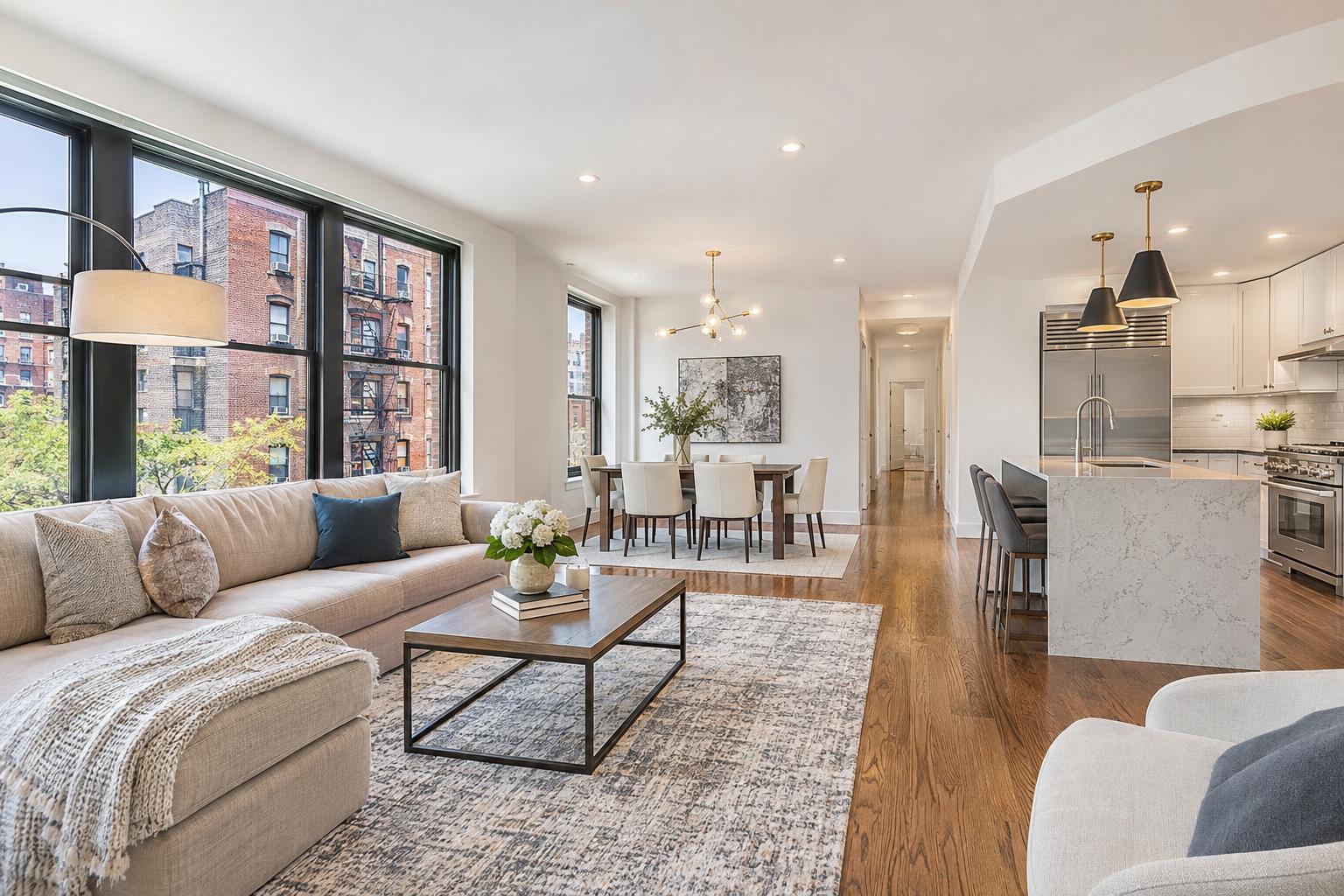
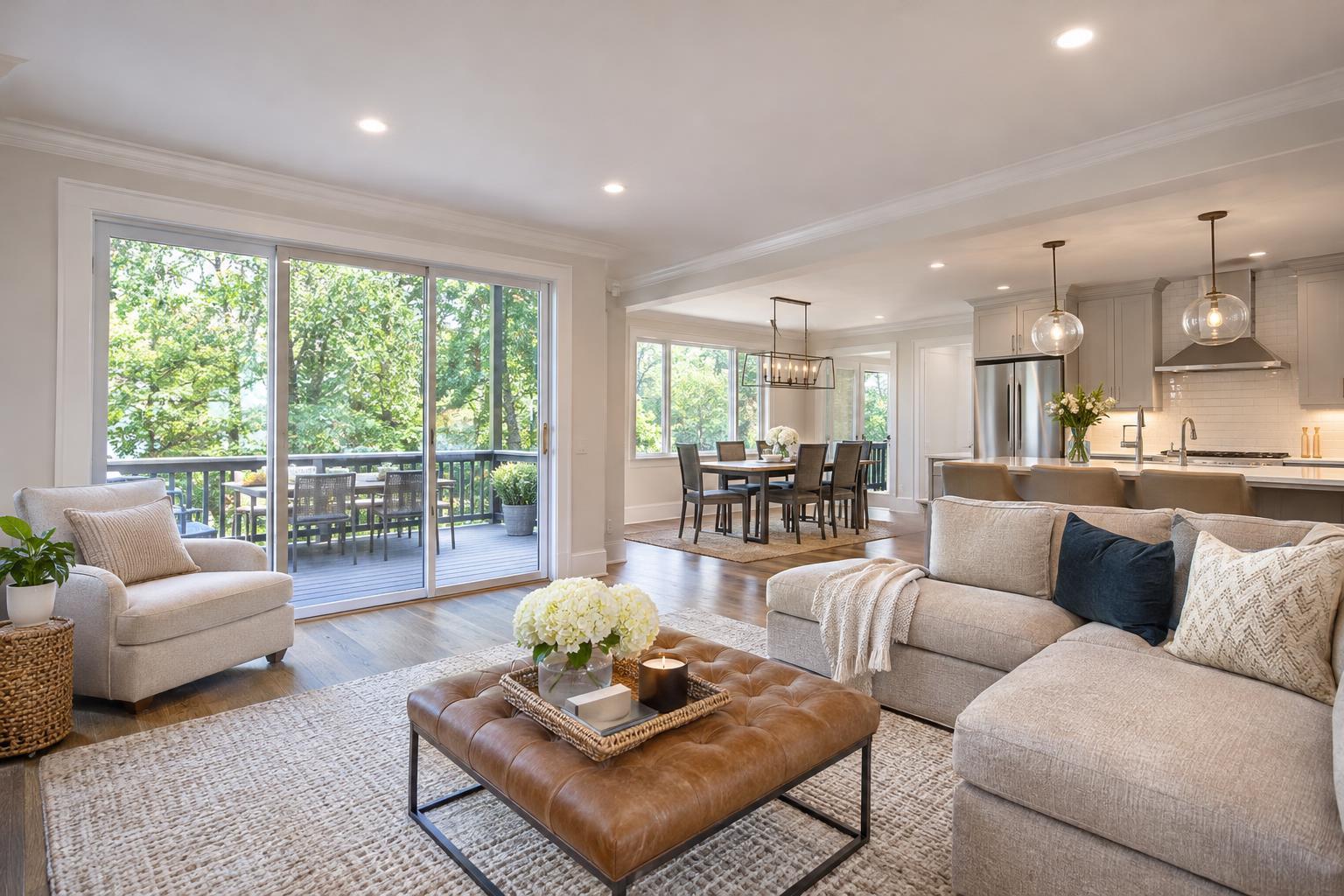
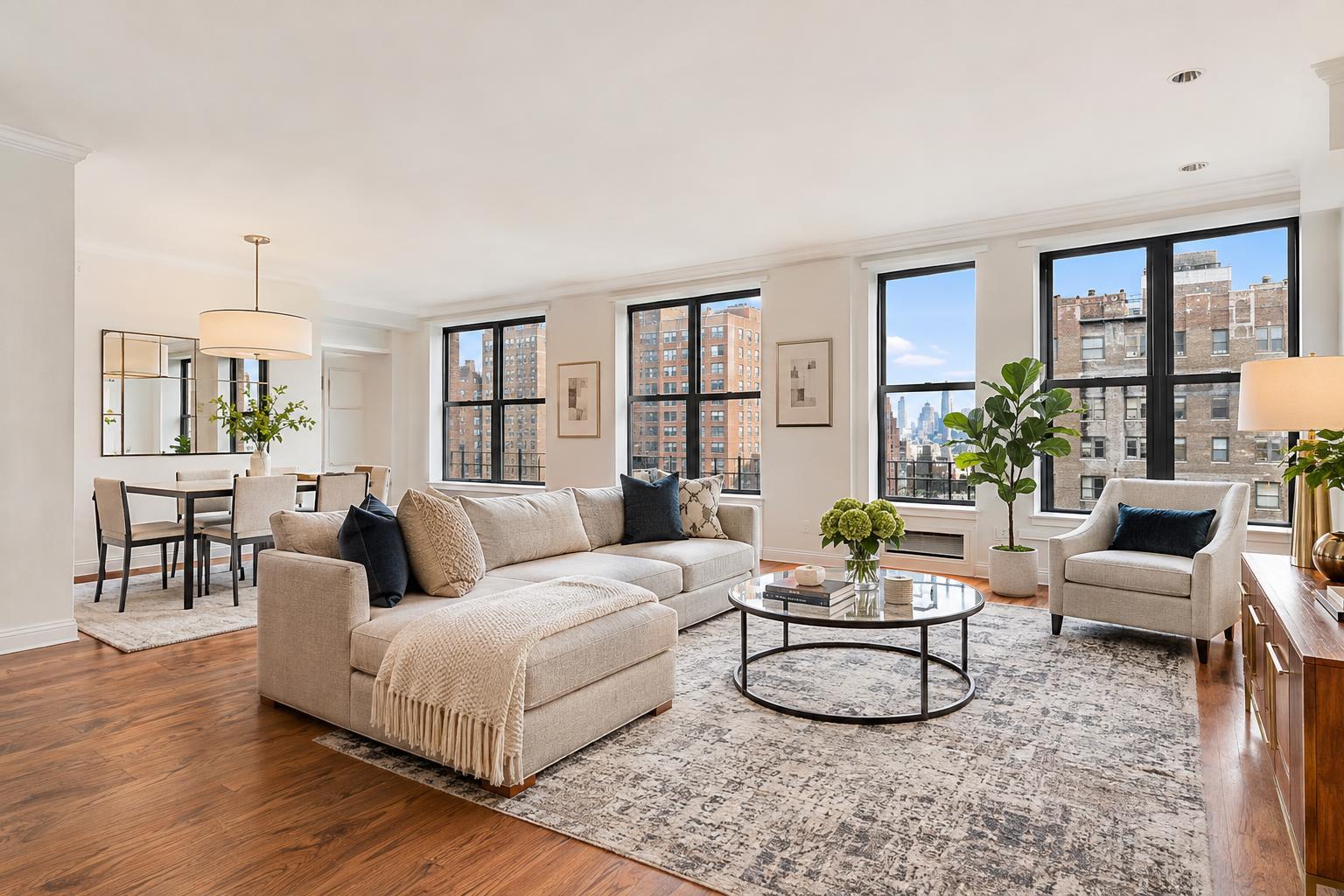
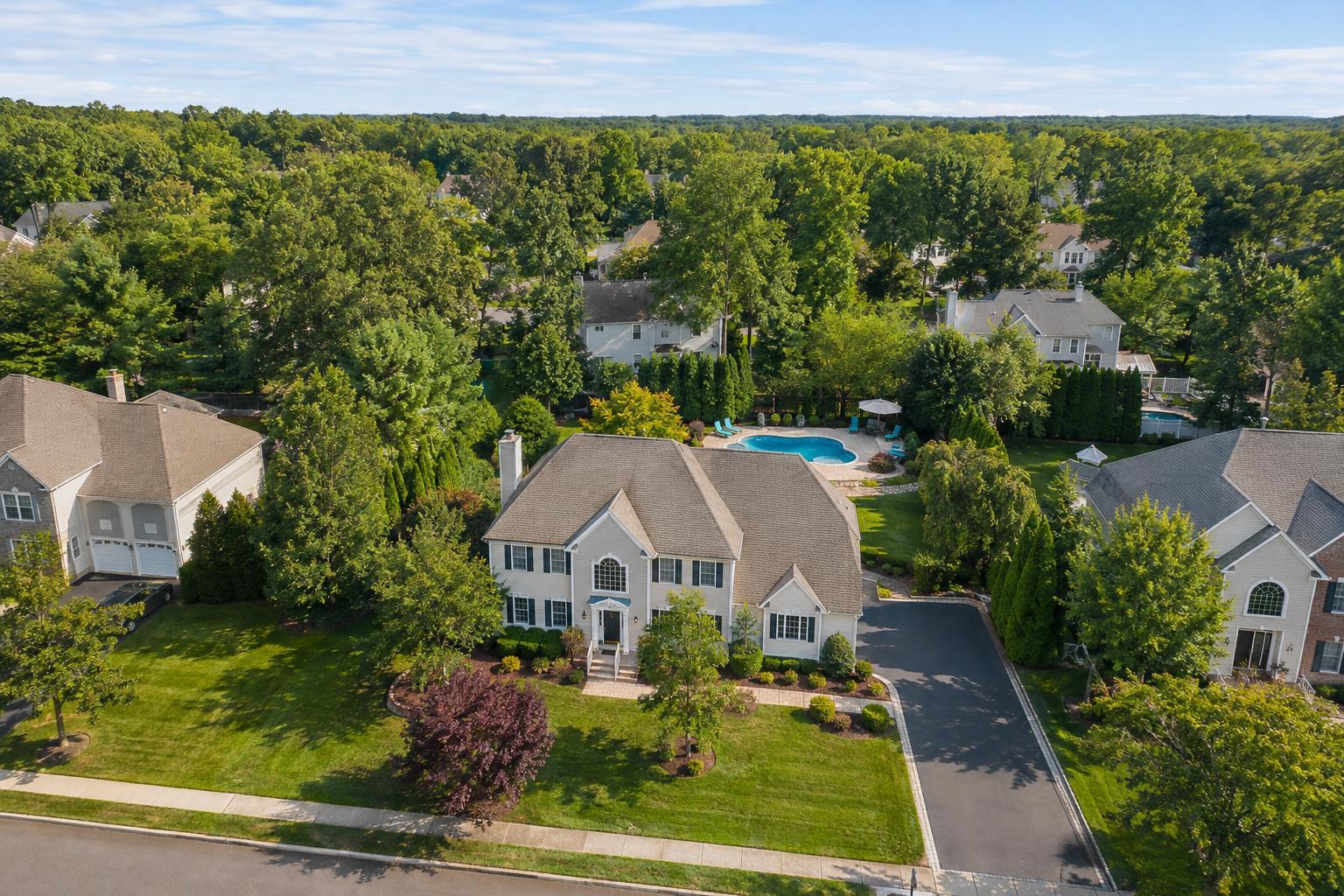
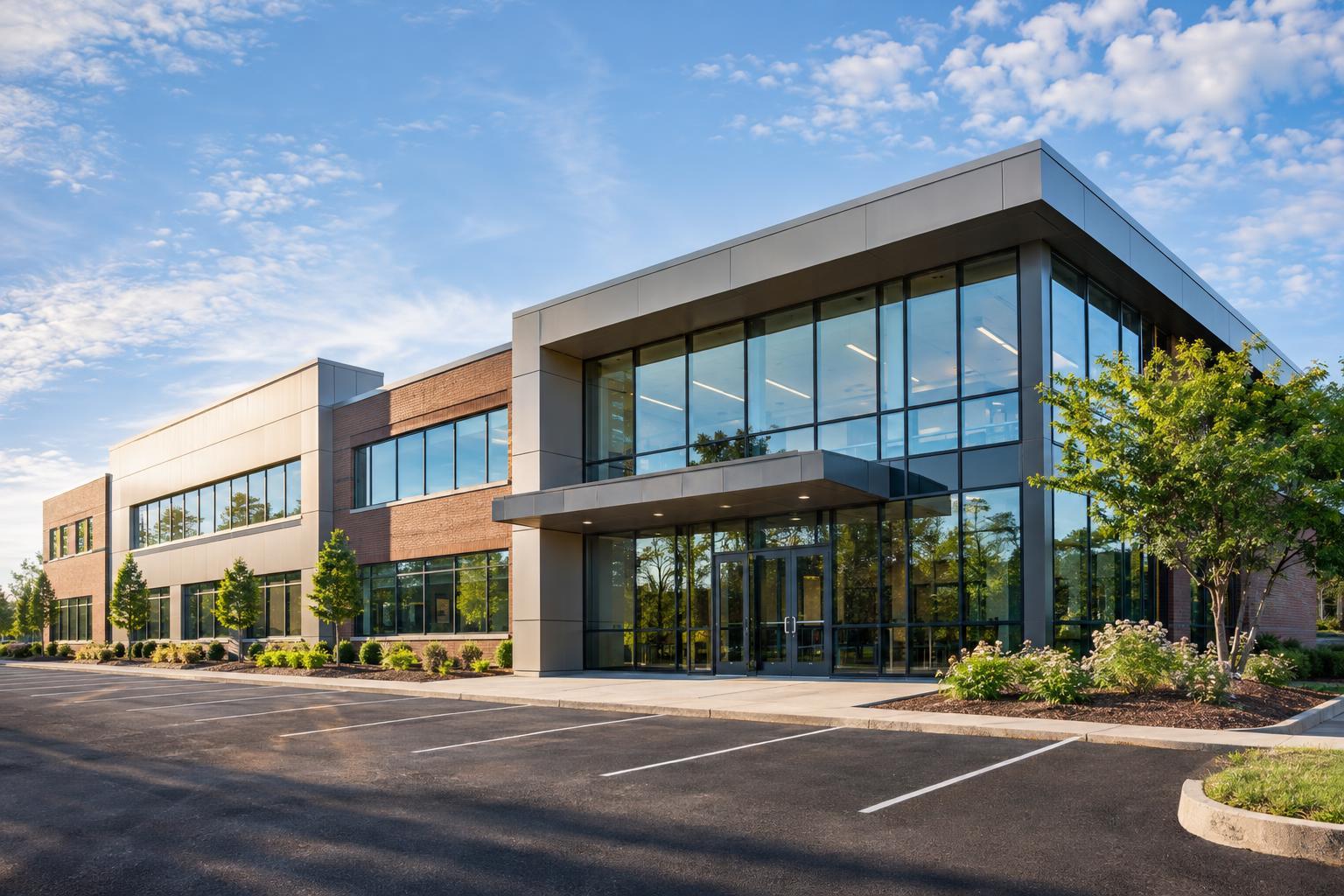
A modern commercial building with large glass windows and a sleek architectural design is captured in high-quality real estate photography, showcasing its expansive exterior and landscaped surroundings under a clear blue sky.

How to Choose Commercial Real Estate Photography for Your Property
Commercial real estate photography in NYC and New Jersey is rarely a one-size-fits-all decision. Whether you’re a broker, property manager, developer, or business owner, your building’s story deserves more than a polished snapshot. The right images clarify what the property is, highlight what makes it work, and help others see why it suits their goals—whether they’re leasing, buying, investing, or planning.
So, how do you select a commercial property photographer who gets that difference?
Know the Marketing Mission
Before reaching out for quotes or picking a shoot date, ask yourself what the photography is meant to achieve. Marketing a vacant ground-floor retail spot? Pitching a new mixed-use development? Documenting a warehouse for investors? Or showing off a company’s finished office build-out?
Clarifying these points will help you create a straightforward photography brief:
- Is the property for lease, sale, investment, or showcasing occupancy?
- Who’s your audience—future tenants, buyers, stakeholders, or prospective clients?
- Are there features that make the property stand out or especially functional?
- Where will these images go: listing platforms, a website, offering documents, social media, or signage?
- Is the space vacant, occupied, newly completed, or under construction?
- Do you need just the highlights, or documentation across multiple areas?
A clear game plan shapes what’s needed—photo, video, drone, or more—and prevents wasted spend on images no one will use.
Commercial vs. Residential Photography: What Changes?
A commercial property photographer comes at the project with a different mindset. Unlike residential jobs, where mood and lifestyle take the lead, commercial coverage leans into function, infrastructure, scale, and context. A few elements that matter:
- Believable scale and layout: Wide-angle lenses can make a space look enormous, but honest perspective is crucial. Offices, warehouses, and retail spots benefit when sightlines and proportions are true to life.
- Accurate lighting: Many commercial spaces mix window light, overheads, screens, and reflective surfaces. Good photography balances these for clear, natural results—showing both the interior and views, rather than one at the expense of the other.
- Context and surroundings: Especially in NYC and NJ, what’s outside the door can matter as much as what’s in the space. For urban storefronts, that might mean capturing the streetscape, signage visibility, transit, or parking. In suburban parks or campuses, the broader site context—parking, loading zones, or waterfront views—comes into play.
Tailoring Coverage by Property Type
Not every property needs an exhaustive shot list, but focus matters:
Offices
Office photos should highlight both appearance and utility:
- Exterior entrance, lobby, and reception
- Open workspaces, private offices, collaboration areas
- Meeting rooms, kitchens, lounge spaces, shared amenities
- Views, finishes, and anything that sets the property apart
In occupied settings, coordinate with staff and handle privacy concerns by clearing screens and sensitive materials.
Retail & Hospitality
Here, customer flow, visibility, and merchandising are key. Exterior photos matter for storefronts, especially where sidewalk traffic and signage affect perception. Interior details—materials, seating, display zones—round out the story.
Warehouses & Industrial
For industrial listings, capacity and logistics are crucial:
- Show ceiling heights, open floor areas
- Highlight loading docks, drive-in bays, circulation
- Include mezzanines, storage, site access, and parking
Keep operational disruptions in mind. Sometimes, equipment and racking tell the story, while at other times, they get in the way.
Mixed-Use & Development
These projects often require layered coverage:
- Capture residential-style spaces, retail storefronts, amenities, façades, and views
- Document the current stage—complete, under construction, or partially occupied
- Stick to what physically exists, rather than creating visual hypotheticals
Choosing the Right Photographer: What to Review
A glossy portfolio is a good first step, but it’s worth digging deeper:
- Relevant experience: Has the photographer covered similar commercial properties?
- Perspective and composition: Do their images keep lines straight and give a clear sense of scale?
- Lighting savvy: Are interiors balanced or blown out? Can you see both the features and the views?
- Space and context: Does the coverage explain how a property “works,” not just how it looks?
Professional judgment shows when images highlight what matters and avoid confusing drama or distortion.
Planning the Shoot: Making Access and Prep Easy
Even the best commercial property photographer can only capture what’s ready and available:
- Confirm who’s meeting the photographer and providing access to all relevant areas (suites, rooftops, mechanicals, amenities, etc.)
- Account for building rules around security, insurance, or elevator use—especially in New York buildings with strict procedures
- Consider the local context: Manhattan shoots might need timing around curb activity, while New Jersey sites might require coordination across a campus or site plan
Preparing the property is about removing distractions:
- Clear trash, extra signage, and unneeded supplies
- Tidy up desks and conference tables
- Replace burnt bulbs, open blinds as needed
- Decide whether employees or customers should appear in any shots
- Let building occupants know when photos will be taken to reduce interruptions
Timing is Everything With Exteriors
Exterior images can change dramatically hour by hour. Sun position, street activity, parked cars, and deliveries all affect the outcome. Plan for the images that matter most: a vibrant street for retail or a quiet moment to show off a building’s entrance.
When to Add Video, Aerial, Floor Plans, or 3D Tours
Photos are the baseline, but some properties need extra context:
- Video can help show how people move through a building, or explain circulation that’s hard to capture in stills. Listings with complex navigation benefit most.
- Aerial images or drone video provide a big-picture view—site layout, access roads, parking, and relationship to neighboring development. Drone work is always evaluated case by case, based on airspace, access, weather, and local rules.
- Floor plans turn confusing layouts into something quickly understandable—but they require on-site measurement and can’t be generated from PDFs alone.
- 3D tours (like Matterport) can help remote stakeholders explore a space at their own pace. Like floor plans, these need a physical scan of the property.
Useful Questions to Ask Upfront
A little Q&A can save a lot of hassle later. Before signing off with any commercial property photographer, consider asking:
- Have you shot properties like ours before?
- What information do you need to plan the right shot list?
- How will you handle unique lighting, wide open areas, or tricky access?
- What kind of site prep or coordination helps the shoot go smoothly?
- Can you advise on the value of drone, floor plans, or 3D tours for this project?
- How are occupied areas and privacy concerns managed?
- What can I expect in terms of deliverables?
You’re not looking for sweeping guarantees—just straightforward answers about what’s feasible and what’s not.
Start With a Clear Brief for Effective Results
Ultimately, great commercial photography starts with clear priorities and thoughtful preparation. A ground-floor retail listing might just need stellar storefront shots and an interior overview, while a multi-building office or warehouse could require much broader documentation.
If you need an experienced media partner, RealtaSnap serves commercial property owners and professionals throughout NYC and New Jersey. The platform is designed for efficiency and clarity—from online booking to consistent photo quality and honest service area guidance. To learn more or get started, visit RealtaSnap’s homepage.
FAQ
Question: How is commercial real estate photography different from residential photography?
Answer: Commercial photography focuses on communicating function, layout, infrastructure, and context. Rather than highlighting lifestyle, it reveals practical characteristics—like ceiling height, loading, or the relationship to the street—which are essential for leasing or business decisions.
Question: Do you need to clear out a working office or retail space for professional photography?
Answer: It’s a good idea to coordinate with tenants or staff, remove sensitive or distracting items, and let people know when photos will be taken. Some photos with people can add a sense of activity as long as privacy and workflow are respected.
Question: Can drone photos and video always be added for commercial properties in NYC and New Jersey?
Answer: Aerial media can provide helpful location and context, but each site is evaluated individually based on airspace, access, weather, and local regulations. Drone shoots aren’t automatically available everywhere, and require property approval.
If you’re ready to request a quote or book a session, you can start anytime at www.RealtaSnap.com.