What to Expect From a Professional Real Estate Video Tour
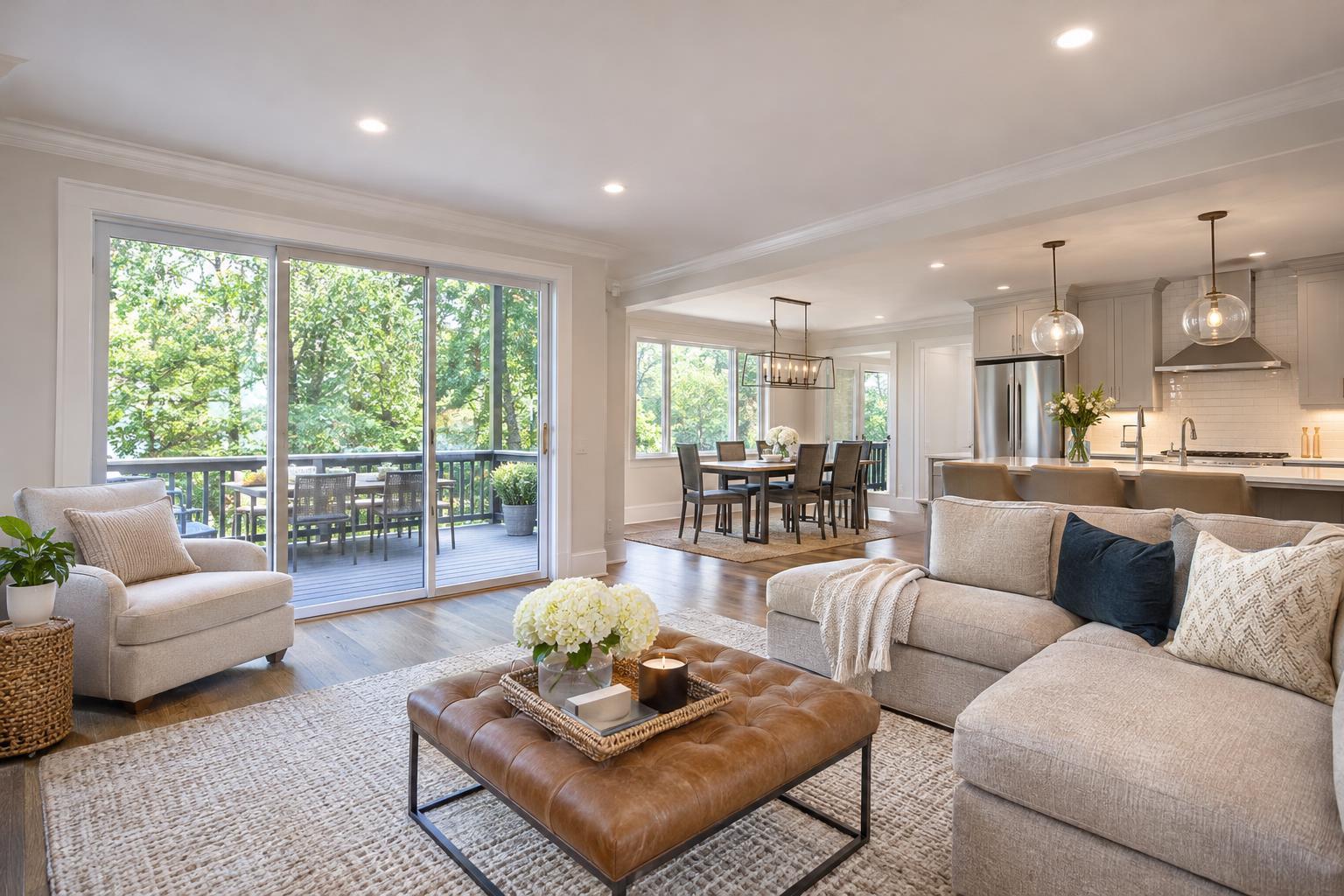
A spacious open-concept living area featuring modern furnishings and a kitchen, with large sliding doors leading to a deck surrounded by greenery, can be seen in the real estate video tour.

What to Expect From a Professional Real Estate Video Tour
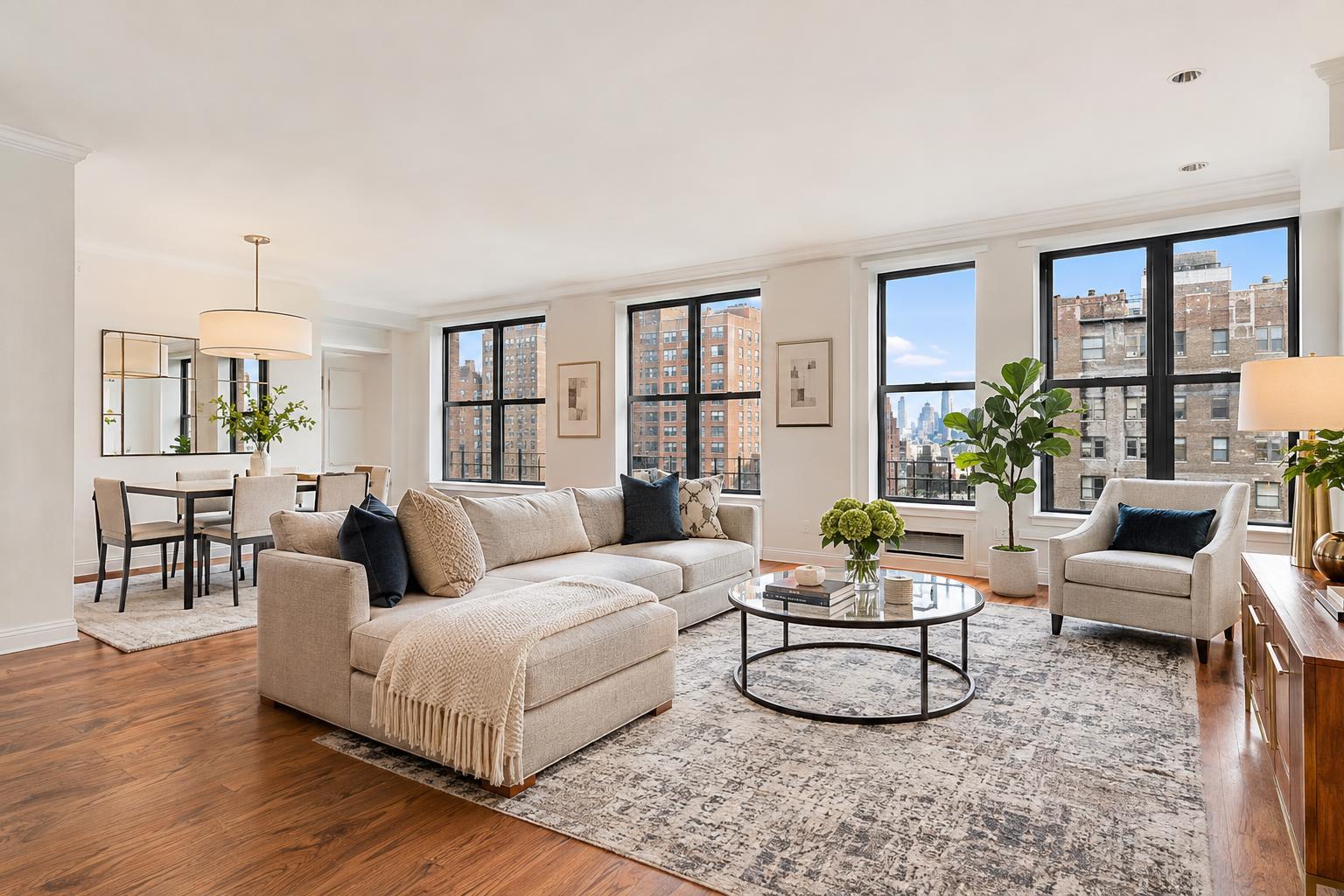
A real estate video tour in NYC or New Jersey can transform how a property listing is experienced, giving buyers, tenants, or even commercial clients a perspective that still photos alone simply can’t deliver. With movement and flow, video tours capture the way you actually move through an apartment, brownstone, new home, or office space—showcasing relationships between rooms, how natural light travels, and the scale of inviting features that are harder to grasp in photos.
Whether you’re an agent planning your next listing, a developer showcasing a new build, or a broker managing multiple property types, you probably have practical questions about how real estate videography actually works. Who benefits the most from a video tour? Does it replace your photography? How do you prepare for filming? And what creative options are available, from simple walkthroughs to high-end productions with drone footage or an agent-led video intro?
Let’s break down what you should know before booking a professional real estate video tour and explore how to get the most value from on-site videography.
What a Property Video Tour Actually Delivers
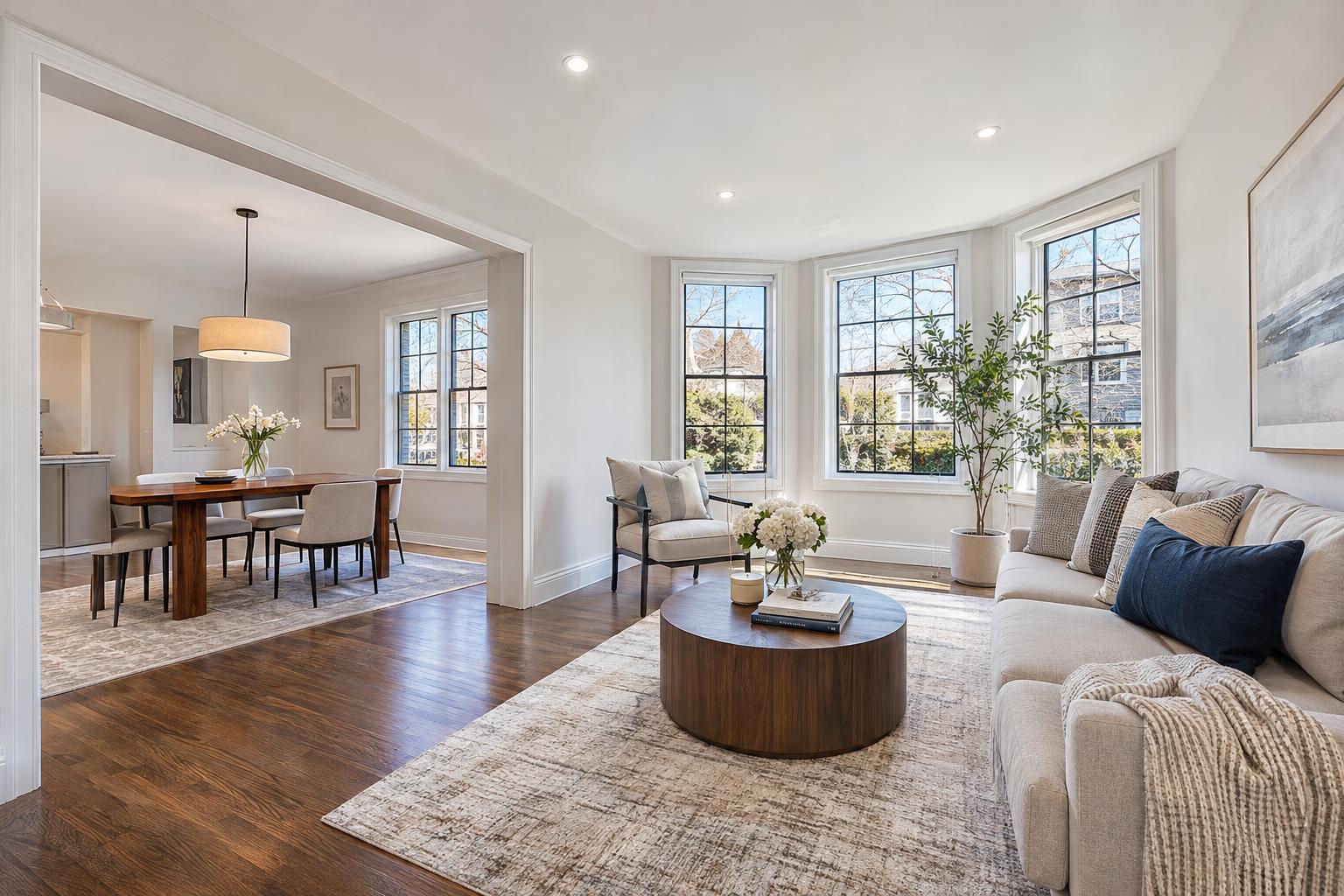
Unlike a slideshow stitched together from listing photos, a property walkthrough video is created on site with movement and planning in mind. Photos are valuable for capturing specific moments or room angles, but video lets prospects experience how a space opens up—whether it’s the transition from a bright foyer to a living area, a flow from kitchen to deck, or unique architectural elements revealed in sequence.
A well-structured video tour captures:
- The sense of arrival at the property
- Entry transitions into living spaces
- How kitchens, dining areas, and living rooms connect
- Sightlines, ceiling heights, and notable details like built-ins or fireplaces
- The way natural light appears at a certain time of day
- Patios, terraces, or backyard features
- Shared amenities, lobbies, or relevant neighborhood context
- The pace and atmosphere of the entire environment
Video is not about covering every square foot. In fact, too much footage can feel overwhelming. Instead, experienced videographers focus on the routes, highlights, and features that give prospects a true sense of layout and potential. Smooth camera moves and thoughtful sequencing make the whole tour feel intentional and easy to follow.
Not Just a Slideshow: The Difference Between On-Site Video and Still Photo Reels
Some agents ask if a video tour is just a set of photos with music and animation. It’s not. While slideshows can be useful for quick marketing snippets or social media, a real estate video tour is shot on location, using real movement to bridge the disconnect between separate photos.
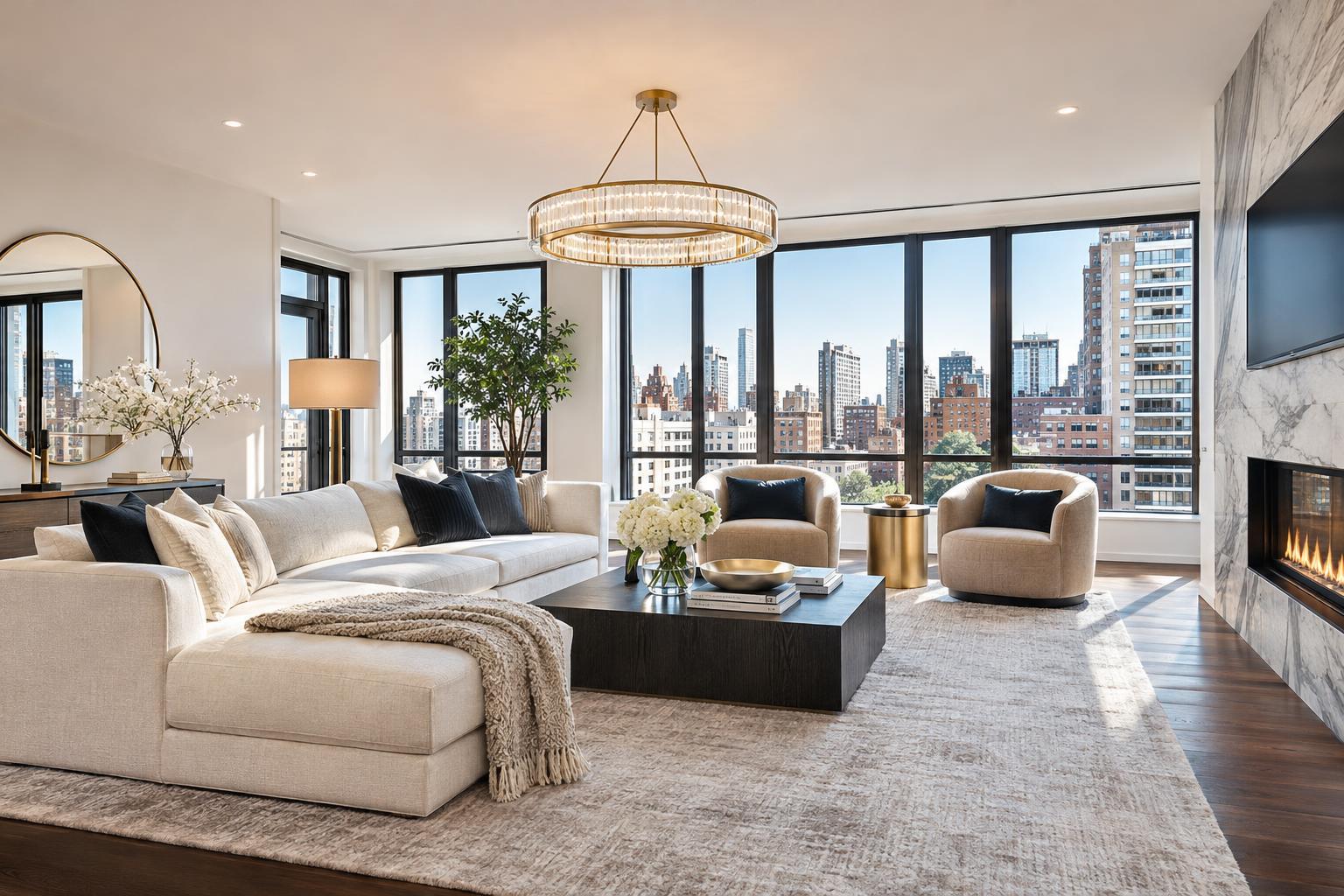
What does this mean for your listing? Only an on-site video can show you how a hallway leads into separate bedrooms, how staircases or elevators connect multiple floors, or how city views draw the eye through expansive windows. Video can highlight moments that would be missed in a static slideshow—think curtain movements, a city backdrop changing as you move, or a spacious great room unveiled with a continuous pan.
For listings with a story to tell—perhaps a Manhattan apartment with a unique gallery entry, a Brooklyn townhouse with a backyard oasis, or a commercial space where circulation matters—a dedicated video walkthrough gives viewers an experience that’s truer to life.
Preparing a Property for Filming
Great real estate videography starts before the camera ever rolls. Because the lens will travel through rooms and across spaces, unseen corners or overlooked clutter can become distractions.
A thoughtful pre-shoot walkthrough helps you see the space as a first-time viewer would. Preparation tips include:
- Clearing counters of small appliances and personal items
- Removing extra furniture that crowds walkways
- Hiding power cords, bins, pet items, and cleaning gear
- Ensuring beds are made and bathrooms are neat
- Replacing burned-out light bulbs and turning on strategic lights
- Opening curtains or blinds to take advantage of natural light
- Tidying up patios, balconies, and entryways
- Confirming access to shared spaces or amenities if they’ll be filmed
- Keeping pets safely out of camera range
If a property is occupied, coordinating timing and which rooms will be filmed ahead of time helps everything run smoothly. In condos or apartments, it’s often necessary to loop in building staff for elevator access or approval to film in common areas.
Timing Can Shape the Final Video
When you schedule a video shoot matters almost as much as how you prepare for it. Lighting conditions shift throughout the day, and street or building activity can change what’s possible on camera.
For example, a room with southern exposure might shine mid-morning, while sunset could highlight a west-facing terrace perfectly. Quieter times may be better for common amenities in a busy building. If you have a key feature—skyline views, dramatic double-height ceilings, or a brilliant garden—the videographer can plan the route and timing to highlight those strengths.
If exterior footage is essential, let the team know in advance—drone video, for example, is only possible under the right weather, safety, and access conditions.
Formats: Standard Walkthroughs, Premium Productions, and Agent-Hosted Videos
Not every property needs a big-budget video production, but thoughtful options exist for most listings. Depending on the space and marketing objective, you might choose from:
- Standard video tours: Typically concise (around a minute), with clean logo and contact info
- Premium videos: Longer runtime (up to 1.5 minutes), enhanced branding, motion graphics, and expanded coverage of amenities or neighborhood features
- Premium video with interview: Around three minutes, integrating agent or homeowner voiceover, added context on features and highlights, and a more narrative-driven approach
Consider a narrated, agent-led tour when the property has unique selling points that might be overlooked on camera—special renovations, flexible use spaces, or commercial amenities. An interview should feel natural and conversational, focusing on what makes the listing truly memorable.
Where Video Makes the Biggest Impact: Use Cases by Property Type
Video isn’t required for every listing, but certain properties in NYC and New Jersey truly benefit from motion and flow.
Manhattan Apartments
Unique layouts, separate entries, and combinations of formal and open spaces are common in New York City. Video helps make sense of nonstandard floorplans, gallery entries, and subtle loft features that confound photography alone. Adding lobby or amenity footage is often possible in high-rise buildings, depending on access.
Brooklyn Brownstones
With their iconic stoops, multi-level living, and original details like fireplaces, woodwork, and expansive staircases, brownstones come alive on film. Intelligent pacing can tie together all these levels, giving a complete sense of how the home connects top to bottom.
Larger New Jersey Homes
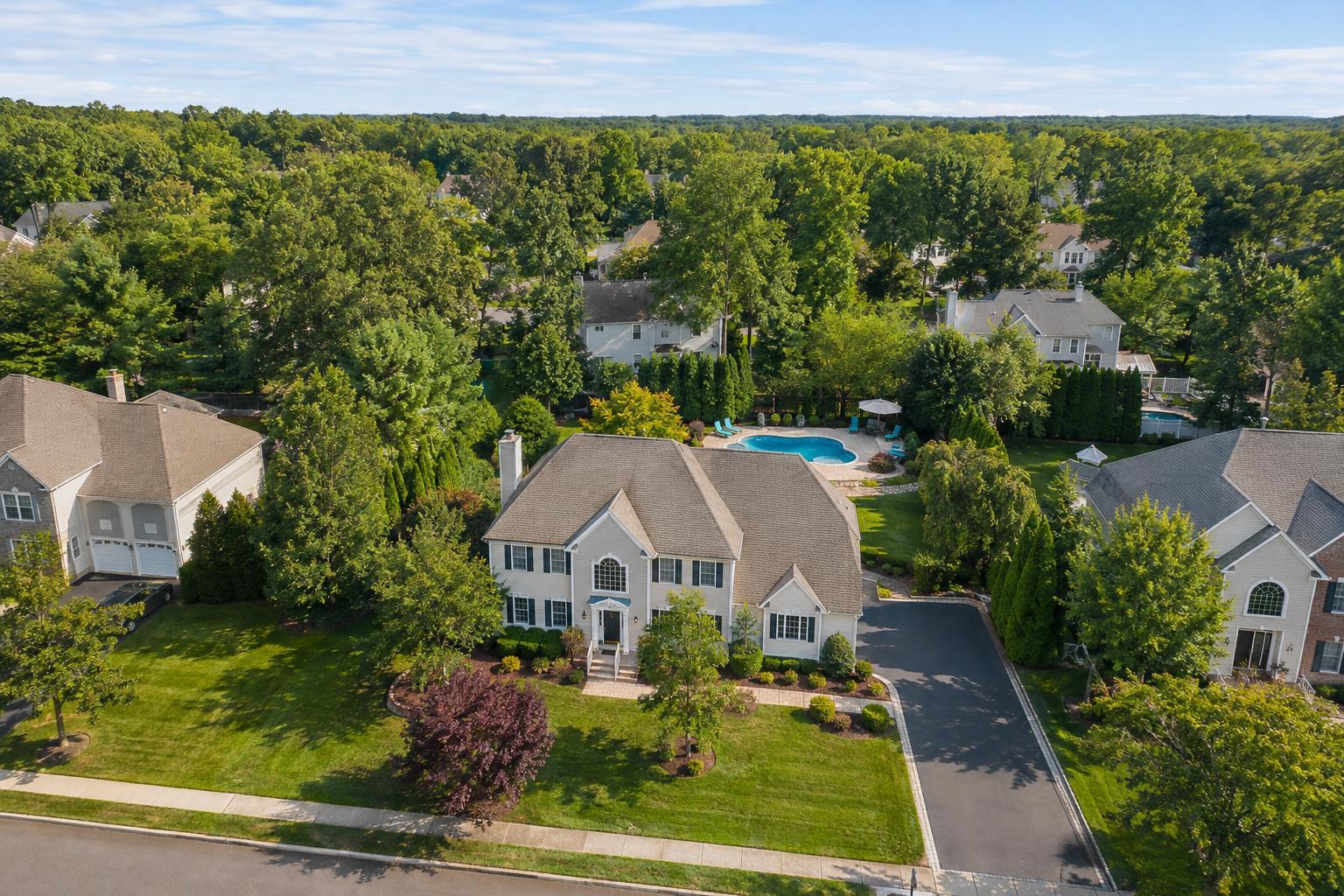
Newer or larger homes often have winding entries, multiple entertainment zones, finished basements, and outdoor areas. A video tour can highlight primary spaces, secondary bedrooms, and bonus features like a separate pool house or big yard. Drone footage is a popular add-on for expansive lots, but always depends on airspace, weather, and pilot approval.
New Developments
Selling the story of a new building may require context beyond the unit itself. Videos can blend interior footage with lobby, amenity, and neighborhood shots—giving buyers, renters, or investors a feel for the lifestyle as much as the address.
Commercial Properties
Functional, spacious work areas and logical circulation are essential for buyers and tenants evaluating commercial listings. Video can reveal frontage, interior divisions, high ceilings, conference rooms, and loading docks, helping viewers understand the potential of a workplace at a glance.
The Role of Drone Video
Aerial footage can offer spectacular context for properties with interesting locations—think waterfront homes, large lots, or buildings with dramatic city views. However, drone flights are only possible when safety, FAA rules, piloting concerns, and site access all align. In busy metro areas or near airports, drone coverage isn’t always guaranteed, so it should be arranged with plenty of lead time.
RealtaSnap provides on-site drone video as an add-on when feasible, creating a standalone asset or incorporating clips into your main property video.
Planning Your Real Estate Video Tour
For best results, think ahead about which spaces matter most and what story your video should tell. Before filming, clarify:
- The most important rooms and features to highlight
- Whether amenity spaces, neighborhood views, or exteriors are essential
- If an agent-led interview or voiceover would add value
- Any access or timing constraints for shared or exterior spaces
- Drone feasibility, if aerial context could help
- Branding and contact details for finished video graphics
- If you’ll need alternate, shorter video cuts for social use
Open communication with your videography provider helps ensure your final video accomplishes what you need, whether that’s drawing attention to unique selling points or providing essential context for out-of-area buyers.
Find more information about preparing for your shoot at the RealtaSnap Video Guide.
RealtaSnap: Your NYC & New Jersey Video Partner
RealtaSnap specializes in real estate videography and on-site video production for New York City and New Jersey properties, offering flexible packages that fit a range of residential and commercial listings. Video tours, premium productions, interviews, drone footage (where feasible), and custom social cuts can all be arranged through a simple, online booking process.
If you have an upcoming listing or want to discuss on-site video options, you can explore packages or book directly at www.RealtaSnap.com.
FAQ
Question: How long should a real estate video tour be?
Answer: The ideal video length depends on the property and the package you select. A typical standard tour is about one minute; a premium or agent-narrated tour generally runs between 1.5 and 3 minutes. The important thing is that the video stays focused on the property and covers the intended highlights.
Question: Can a real estate video tour include aerial drone footage?
Answer: Drone footage can add exterior context and sweeping views, but it’s only possible if the location, weather, airspace rules, and safety requirements allow. Drone availability should always be discussed early in the planning process.
Question: What’s the difference between video tours and photo slideshows?
Answer: A video tour is shot on-site and uses real motion to show how spaces connect and flow—something slideshows from still photos can’t do. A slideshow is simply a curated collection of photos with added transitions and music, but it won’t capture the experience of moving through a space.
If you’re ready to elevate your next real estate listing with professional videography, RealtaSnap would be happy to help. Visit www.RealtaSnap.com to get started.