How to Choose a Manhattan Real Estate Photographer for Your Listing
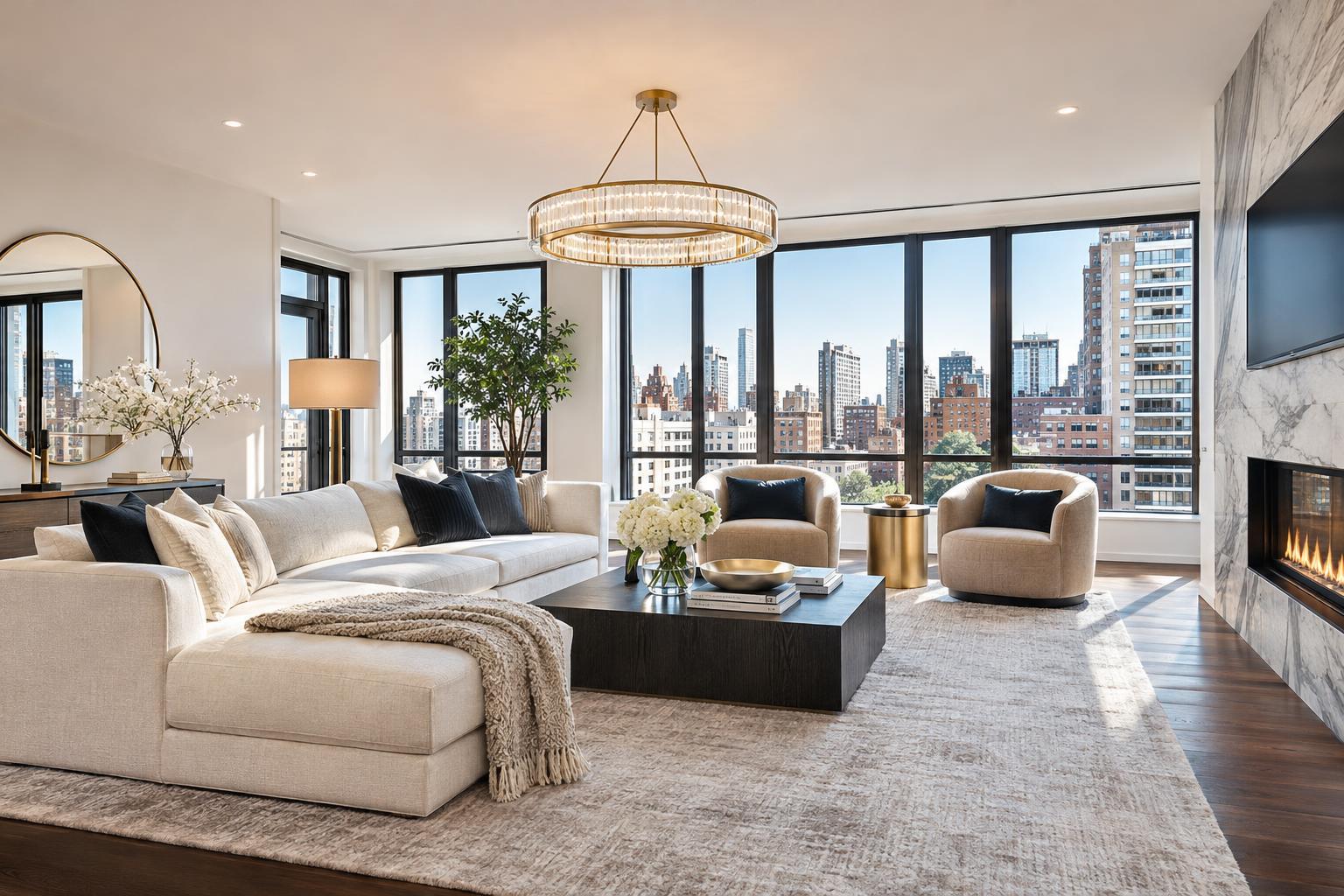
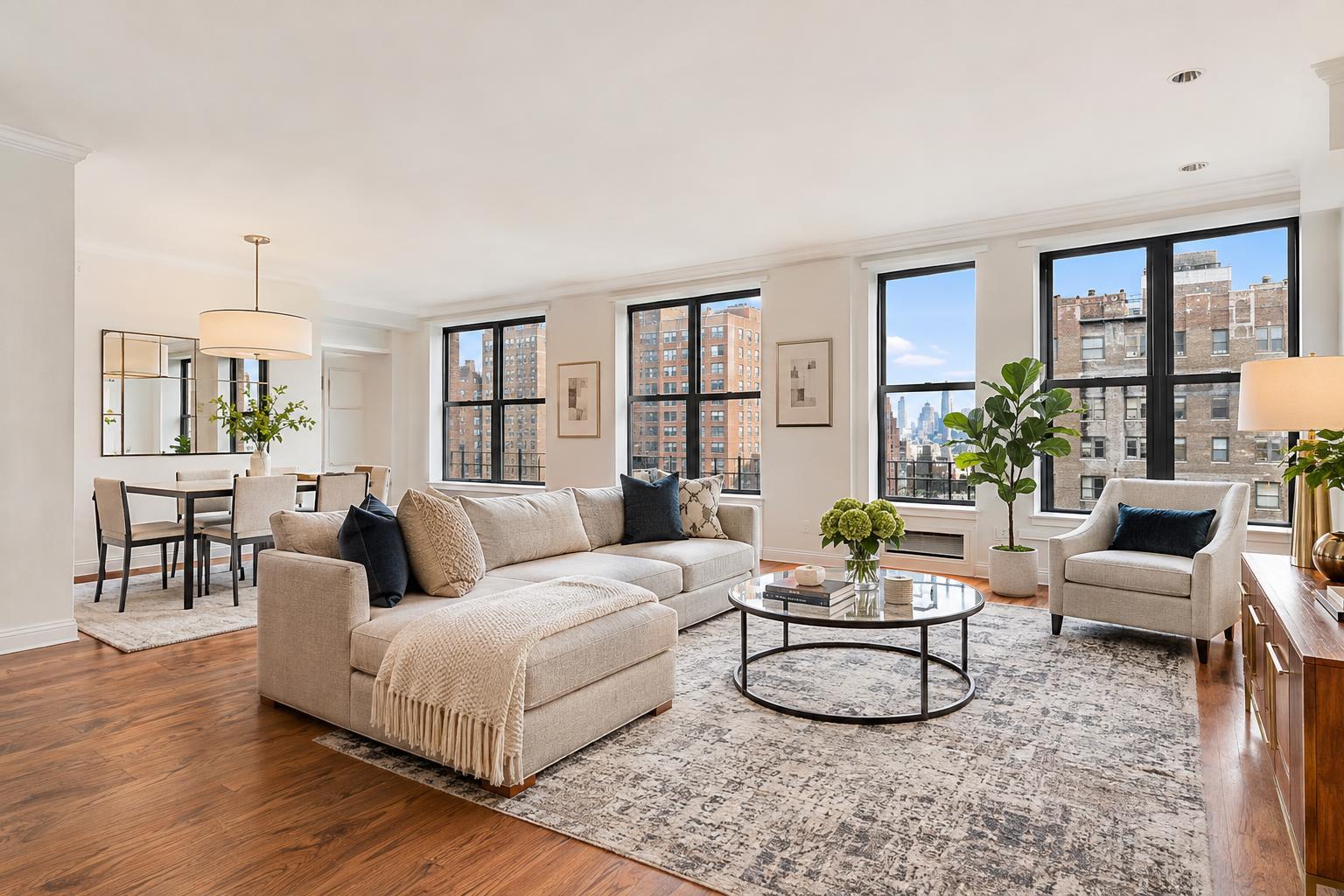
A beautifully staged living and dining area featuring modern furnishings and large windows showcasing city views, captured by a Manhattan real estate photographer.

How to Choose a Manhattan Real Estate Photographer for Your Listing
Selecting a manhattan real estate photographer is a crucial step for agents, brokers, and property managers who want their listings to stand out in New York City's fast-paced and nuanced property market. The right photographer can help you navigate everything from tricky building access to difficult interior lighting, ultimately delivering photos that make your property look as inviting—and as accurate—as possible.
This guide focuses on the practical criteria that matter most: image consistency across different room types, handling of color and window exposure, architectural accuracy, experience with a variety of properties, local logistics, and prepping spaces for the shoot. Let's get you ready to choose a partner who understands Manhattan's real-world listing challenges.
Portfolio Quality: Why Consistency Outranks Individual Standouts
Most photographers have a "hero" image or two—but what counts for a Manhattan property photographer is the ability to consistently deliver crisp, well-judged photos across various spaces and lighting situations.
When reviewing portfolios, don’t just skim the highlights or first few images. Dive deeper. Look for:
- Balanced, true-to-life brightness—without an artificial glow or washed-out appearance
- Natural colors (think walls, furnishings, flooring) that closely match what exists in the property
- Windows that show real views, not blown-out white rectangles
- Vertical lines that remain straight and true to the architecture
- Compositions that help you understand how rooms connect or flow
- Editing that’s polished, but doesn’t detract from the space’s character
Pay special attention to “problem” areas: bathrooms, galley kitchens, low-light bedrooms, and rooms with strong city views. Consistent performance in these spaces reveals a thoughtful and technically skilled photographer.
Getting Color and Window Exposure Right: A Tricky Balancing Act
Manhattan apartments often mix daylight, old-school overheads, halogen spots, and city reflections in the same room. Done wrong, white walls can turn strange colors, and million-dollar skyline views can disappear.
Before you book, ask your real estate photographer how they handle mixed lighting and bright windows. You don’t need a technical deep-dive—just reassurance that they know the difference between “bright” and “accurate.” Ideally, your property photos should let viewers make out:
- The room’s actual brightness and finish level
- The relationship between interior and exterior (what you see out the windows)
- Material colors that are believable, not just overly white or “warmed up” for impact
- The true size and scale of the space
If a particular view is a key selling feature, make sure to highlight that up front. That way, the shoot can be scheduled to make the most of it—even if it means a specific time of day.
Why Straight Lines and Accurate Perspective Matter
In NYC listings, crooked window frames, off-kilter cabinets, and slanted doorways can make a room feel awkward and, frankly, misleading. Look for a real estate photographer whose work keeps architectural lines true, but doesn’t stretch the space to the point of distortion.
Listing photography shouldn’t try to make every apartment look bigger than it is. The real aim is for viewers (and buyers) to understand the property’s layout, dimensions, and best features with clarity and trust. Well-framed images reinforce the sense of height in pre-war spaces, highlight details, and make small rooms feel functional—without resorting to distracting tricks.
Match Photographer Experience to Your Property Type
Manhattan is a patchwork of tiny studios, sprawling townhouses, classic co-ops, glassy condos, and everything in between. Not every real estate photographer thrives in every environment—so ask about their experience with your specific property type.
Apartment, condo, and co-op listings require photographic efficiency in tight spaces, and sometimes coordination with doormen or building staff. Townhouses and brownstones might need sequencing shots across multiple levels, with attention to historic details, gardens, and varying light from street to backyard. Larger residences or new developments often warrant broader coverage, amenities, and context shots. Discuss what matters most up front—clear communication improves outcomes.
Building Access, Scheduling, and Manhattan Logistics
NYC properties routinely come with extra layers of access requirements. That could mean providing the photographer with building entry instructions, doorman contact, details on service elevator reservations, certificate of insurance needs, or tips on how to access common areas.
Get clear on:
- Full address, unit, and key contacts
- Building access details (buzzers, doormen, elevators)
- Occupancy status (vacant, occupied, tenant-occupied, under renovation)
- Timing restrictions (quiet hours, move-in/move-out windows)
- Any areas that may be off-limits during the shoot
For occupied homes, let your photographer know in advance about any pets, residents working from home, or rooms with limited access. The more they know ahead of time, the smoother—and quicker—the appointment.
Smart Scheduling and Delivery Expectations
The direction your apartment faces, the time of day, and weather conditions can all impact the quality of listing photos. If you want to spotlight a sun-drenched living room or a spectacular terrace view, talk timing with your photographer.
Just as important as capture is understanding when and how you’ll receive the finished photos. With RealtaSnap, appointment times are booked through the online calendar, requiring at least 24 hours’ notice. Clients can select the number of photos needed (10 to 50), and add media services during booking. Discuss when you’ll get your images, file delivery format, and whether you’ll need a gap for agent review or prepping the MLS listing.
Explore scheduling and prep options at RealtaSnap.
Property Prep: Good Photos Start With a Ready Space
Even the best editing can’t fix a property that’s cluttered, messy, or hiding behind piles of personal items. A bit of prep before your photographer arrives makes a significant difference.
Here’s a quick checklist:
- Remove personal photos, visible cords, magnets, and clutter from common surfaces
- Clear kitchen counters of small appliances, dish racks, and miscellaneous packaging
- Tuck away toiletries, trash bins, laundry, and bath mats
- Make up beds, clear bedside tables, and tidy living area cushions and rugs
- Open shades or blinds to maximize light (unless privacy is a concern)
- Turn on all working lights and replace burned-out bulbs
- Hide pet beds, bowls, toys, and litter boxes
- Store away excess seasonal items and delivery boxes
- Let your photographer know about special features or angles to prioritize
If a vacant room could benefit from visual context, consider virtual staging. With RealtaSnap’s AI virtual staging, the room must be fully empty or clutter-free before staging. If existing furniture is present, you’ll need to remove it or order clutter removal edit services before virtual staging is applied.
Supporting Media: When Floor Plans, Video, or Tours Make Sense
Not every Manhattan listing needs more than professional photography. However, some properties do benefit from extra media:
- Floor plans: Useful for unusual layouts, multi-bedroom homes, duplexes, or properties with several common areas. Floor plans require the photographer to access the property for on-site capture. They can’t be made from PDFs or architectural plans alone.
- Listing video: Best for showing movement, the relationship of main spaces, or standout features like staircases or outdoor access. RealtaSnap videos are filmed on site, not stitched together from stills.
- 3D virtual tours: Handy for larger, unique, or remotely-marketed properties. Like photos and floor plans, virtual tours require on-site capture.
- Drone coverage: Manhattan drone shots are subject to FAA rules, weather, safety, access, and pilot discretion. Early discussion is key; not every property or neighborhood allows aerial photography.
Learn more about floor plan and virtual tour services from RealtaSnap.
Key Questions to Ask Before Booking
Set yourself up for a straightforward experience by getting clear answers from your photographer. Helpful questions include:
- Can I see full galleries from similar Manhattan listings?
- How do you handle rooms with mixed lighting, city views, and strong window light?
- What should I do to prep the property?
- What building details or access permissions will you need?
- How many photos make sense for this space?
- When and how will I get the finished files?
- Can you provide floor plans, video, virtual tours, or drone shots if we want them?
- Is virtual staging possible in partially furnished rooms?
Transparent answers mean you’ll know what to expect on shoot day and afterward.
Presenting Your Manhattan Listing in the Best Light
The right Manhattan property photographer brings not only technical skill but also a strong understanding of NYC logistical realities and market needs. Look for a partner who offers consistent portfolio quality, accurate colors, reliable window exposure, architectural precision, and hands-on experience with different property types. Ensure they’re prepared to work within building logistics, schedule wisely, help you prep the property, and deliver within your listing’s timeline.
RealtaSnap is built for the practical needs of Manhattan and NYC-area agents, offering clean, listing-focused photography and flexible add-ons for when your property genuinely benefits from extra media options. If you’re ready to book or just want to see sample work, visit www.RealtaSnap.com.
FAQ
Question: How many photos are ideal for a Manhattan apartment listing?
Answer: The number of images should fit the property's layout and features. Studios and smaller spaces need fewer shots, while larger or unique layouts may benefit from a broader visual story. It's more important to show the space clearly than to repeat similar angles.
Question: Do I need to stage or declutter before scheduling photography?
Answer: Photos should be taken after your property is clean, organized, and staged. For virtual staging, the room must be empty or arranged for clutter removal before edits can be applied.
Question: Can I request drone photos for a NYC property?
Answer: It’s possible in select Manhattan locations, but each project is reviewed case by case. Factors include building roof access, airspace, safety, weather, and compliance with FAA rules. Drone feasibility isn’t guaranteed for every address.
If you’d like to discuss your upcoming Manhattan listing or schedule a shoot, visit www.RealtaSnap.com.