How to Choose Luxury Real Estate Photography for a High-End Listing
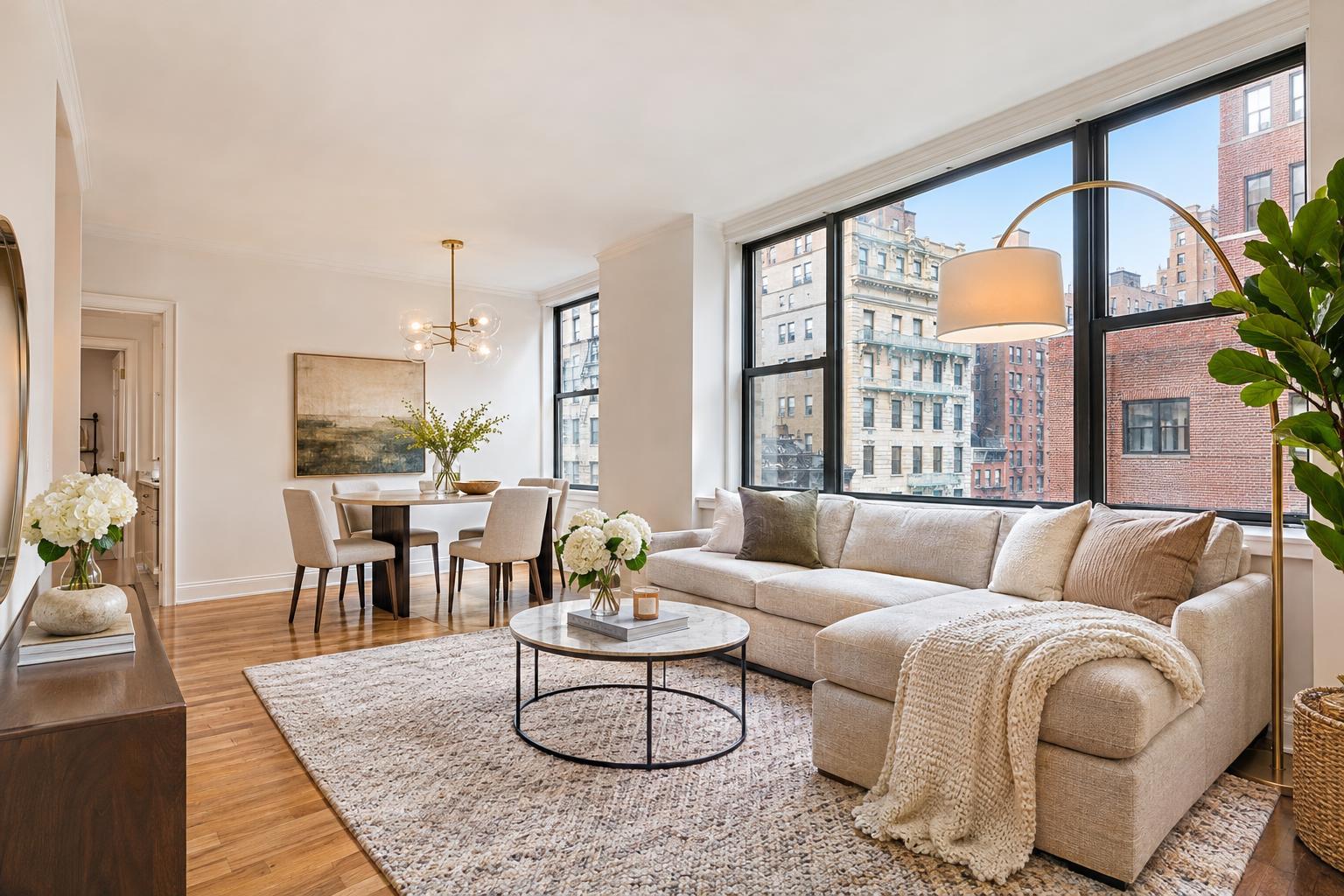
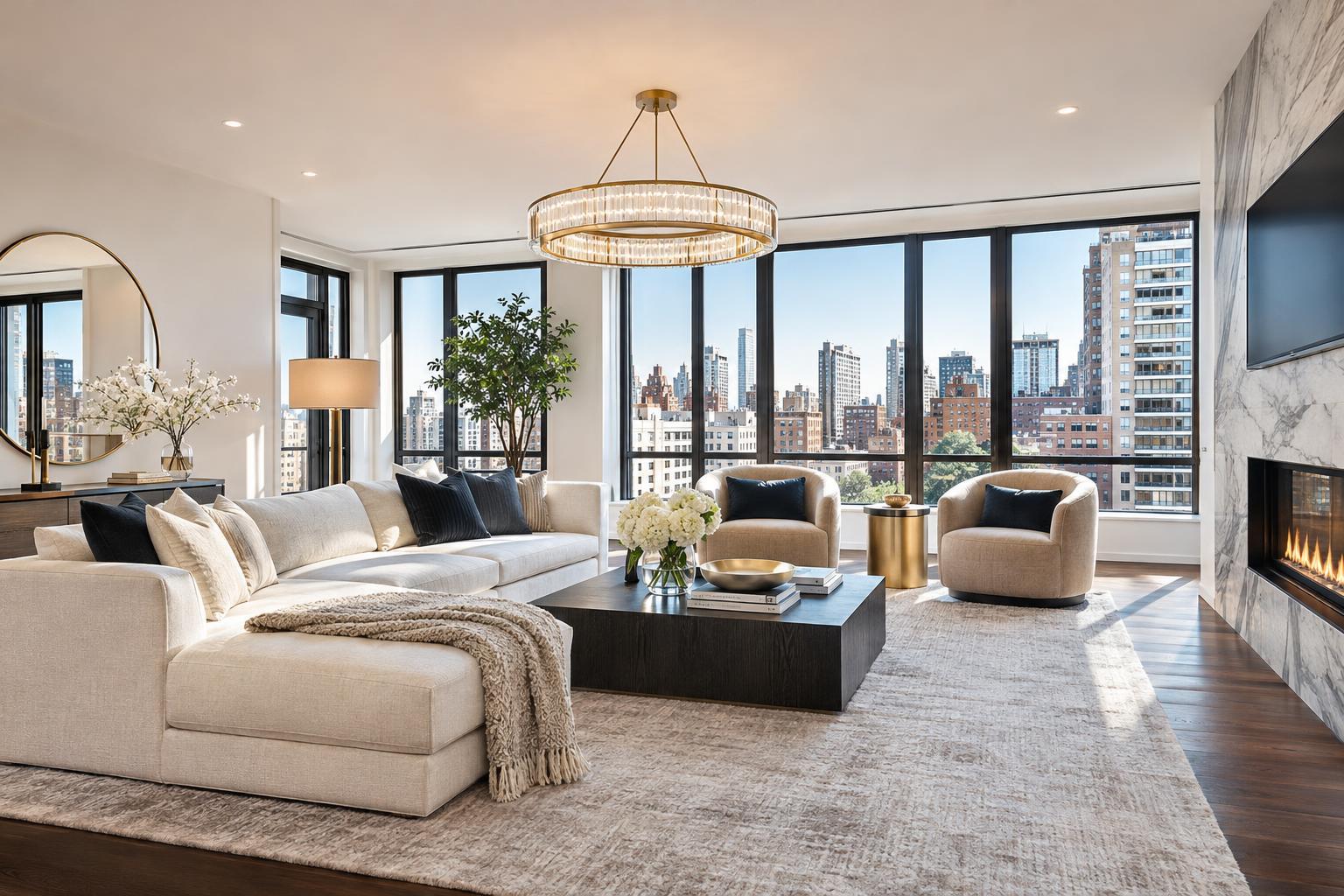
Luxury real estate photography captures an elegant living room with a plush sectional, stylish armchairs, a modern fireplace, and expansive windows showcasing a vibrant cityscape.

How to Choose Luxury Real Estate Photography for a High-End Listing
Luxury real estate photography in NYC and New Jersey isn’t about making a listing look flashy. It’s about helping buyers genuinely understand a property—its setting, finishes, proportions, lighting, and flow—while staying true to what’s actually there. For agents, brokers, and developers, getting it right takes more than snapping a set of pretty photos. The goal is to create a thoughtful visual story that does justice to the home’s best qualities without overpromising or over-curating.
Below, we’ll break down what makes high-end property photography effective, how to evaluate a photographer’s portfolio, and how to make sure your next listing stands out for all the right reasons.
Beyond Aesthetics: What Luxury Listing Photography Should Achieve
Luxury listings deserve more than basic, room-by-room documentation. The best photographers approach each property with curiosity and intention, figuring out which details and rooms truly define its identity. This could mean:
- Highlighting a living area’s sense of space and natural light, not just the furniture
- Showing how kitchen materials and appliances connect to entertaining areas
- Capturing window views and interiors together for believable context
- Focusing closely on custom millwork, fireplaces, period features, or refined finishes
- Organizing images to create an inviting, logical flow for online viewing
A well-chosen gallery gives every key room a job to do. That doesn’t mean covering every corner of every space—in fact, fewer but more deliberate shots are usually more persuasive than a long, unfocused slideshow.
Technical Quality: Standards Matter in High-End Photography
Anyone can photograph a luxury property, but true luxury real estate photographers sweat the technical details. Watch for:
Balanced Exposure, Especially with Views
Many premium homes feature expansive windows: Manhattan apartments with cityscapes, New Jersey residences with backyards or water views. Simply exposing for the interior or exterior alone leaves you with either blown-out windows or dark, dull rooms. Skilled photographers know how to balance both so the scenery adds to the listing without distracting from it.
Accurate Colors and Clean Editing
High-end buyers notice when a marble countertop looks magenta or every sky is a uniform electric blue. Editing should quietly improve the photos, not turn the home into something unrecognizable. Seek out portfolios with natural color and restraint—every surface, wood tone, and paint color should feel true to life.
Perspective and Architectural Integrity
Wide-angle lenses can be a blessing in tight city layouts, but overuse stretches walls and distorts furniture, which seasoned buyers spot immediately. Favor photographers who keep lines straight, room shapes realistic, and proportions honest.
A Photographer’s Approach by Property Type
“Luxury” covers a range of property styles in NYC and New Jersey, each with its quirks and priorities.
Manhattan Apartments
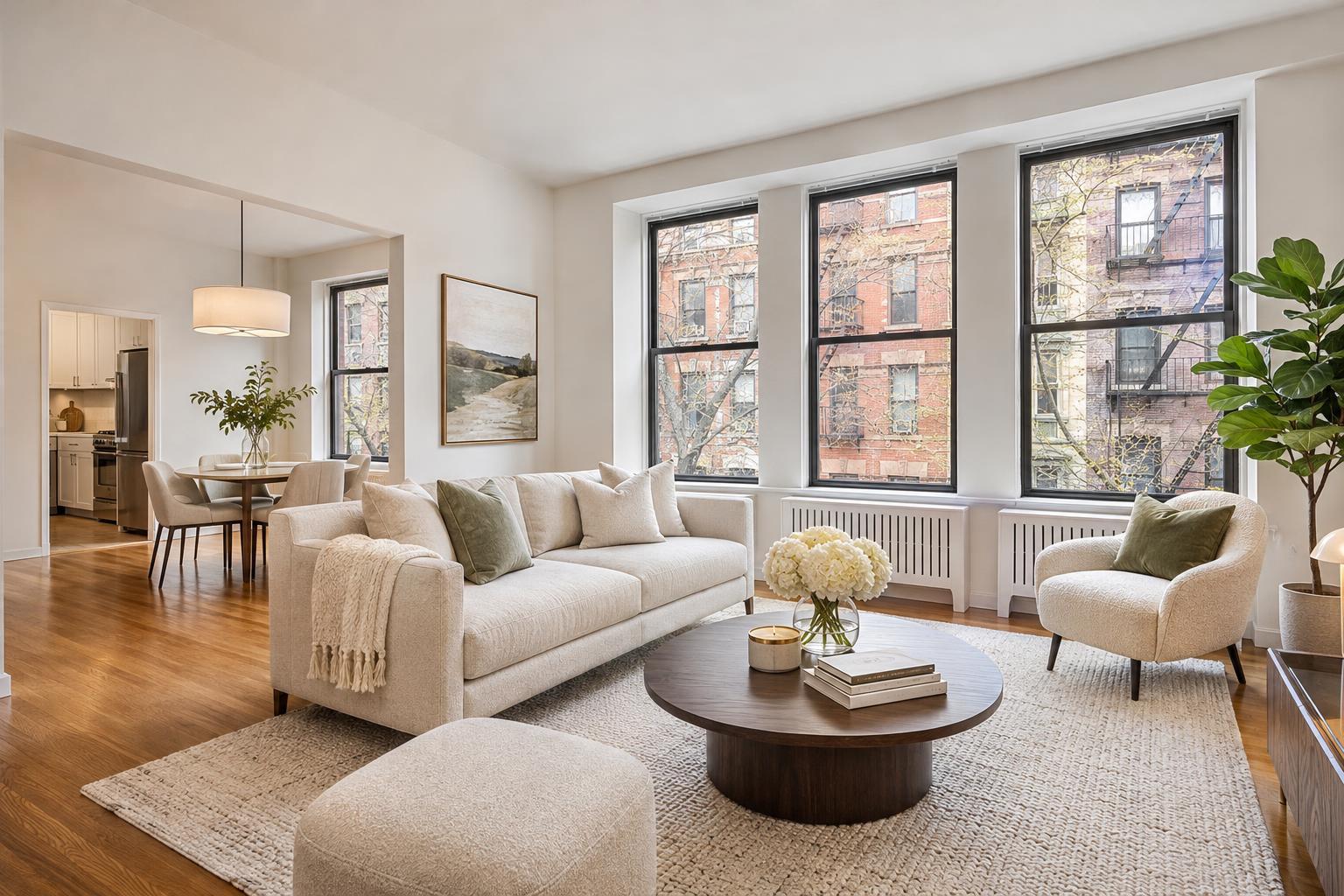
Compact square footage doesn’t mean less attention—quite the opposite. It takes real skill to photograph well-lit, open-feeling spaces while preserving actual scale. Look for photographers who show:
- Windowed rooms (with the view and the interior balanced)
- Amenities, lobbies, rooftop terraces
- Kitchens, baths, and bedrooms, often from tight vantage points
- The interplay between open-plan layouts and skyline or park perspectives
Brooklyn Brownstones and Architectural Residences
Older townhomes and pre-war condos often require more attentive storytelling. Millwork, staircases, fireplaces, and vintage details deserve careful framing. Verify that your photographer:
- Handles long, narrow spaces and historic features
- Prevents period elements from appearing dark or lost
- Can move smoothly from front rooms to rear gardens, roof decks, or vertical stair halls
New Development and Model Units
For developers, consistency is crucial—every staged unit and amenity space must fit a coherent brand. You’ll want a photographer who:
- Covers repeated layouts with similar lighting and style
- Understands material choices and design signatures
- Prepares for a clear mix of horizontals, verticals, and detail shots, depending on your use across websites, listings, and marketing collateral
Larger New Jersey Homes
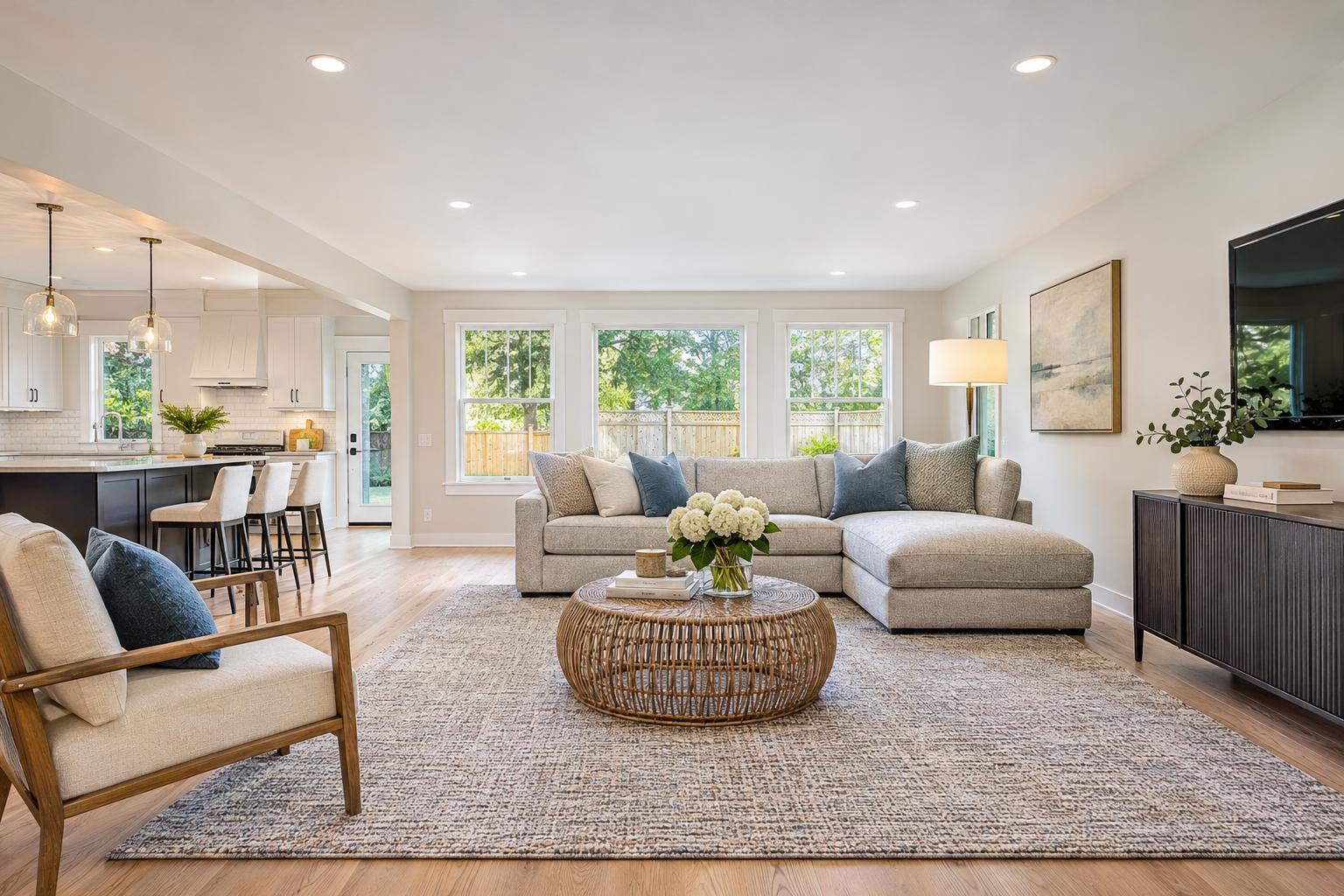
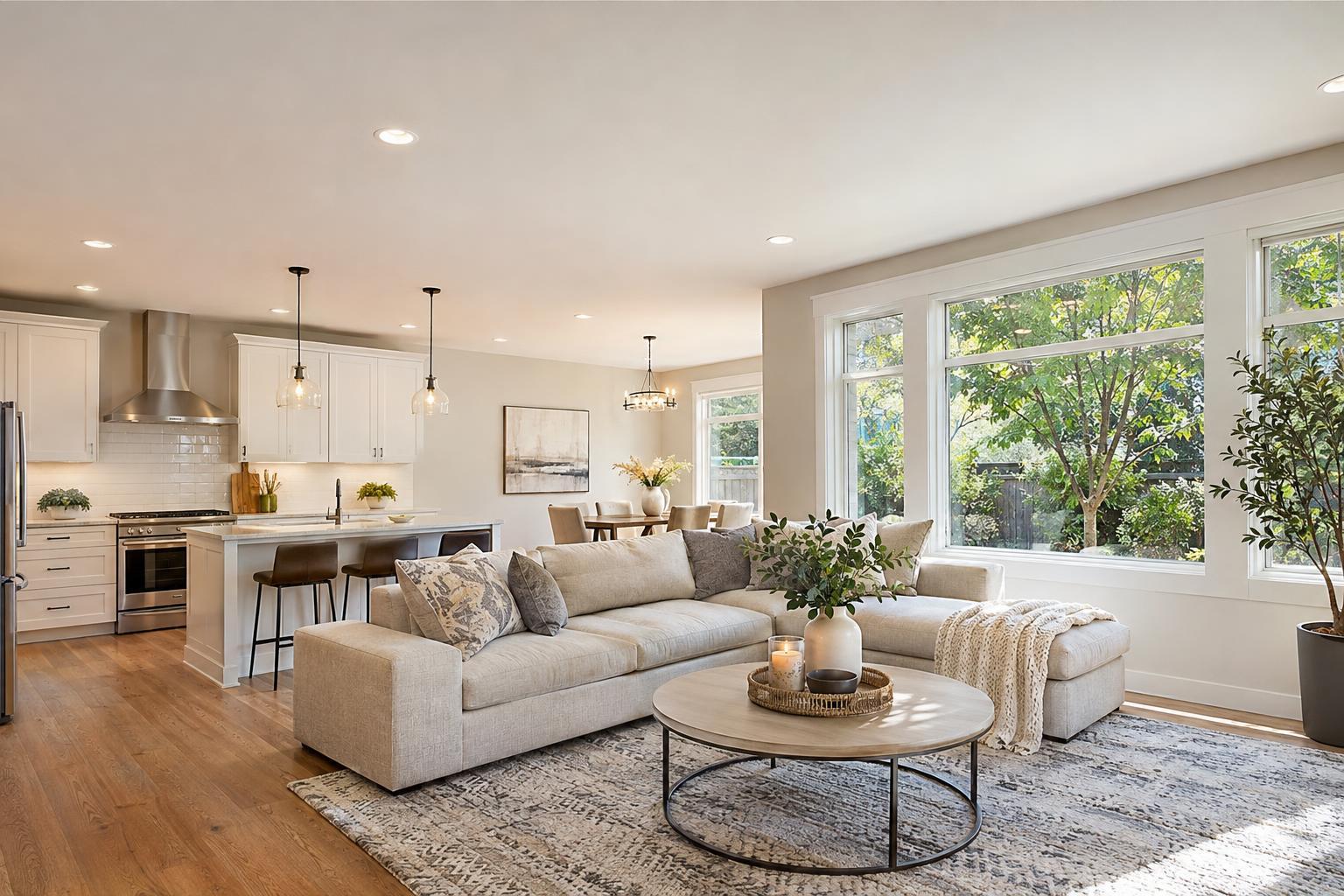
Big houses aren’t just about squeezing in more photos. They usually span indoor and outdoor living, entertaining zones, finished lower levels, and sometimes detached structures. The right photographer will:
- Prioritize a logical visual sequence
- Suggest drone images when they help show scale, acreage, or context (always subject to FAA rules, airspace, and site safety)
- Help you decide what truly needs a spotlight versus supporting images
How to Review a Portfolio: Practical Criteria
A great portfolio isn’t just a highlight reel of dramatic sunset exteriors. Look for consistency across multiple listings, and consider:
- Are room sizes and relationships believable?
- Do window exposures show both interior and exterior detail?
- Are whites neutral and colors lifelike?
- Do architectural lines remain straight and stable?
- Does the entire gallery tell a coherent story?
- Are special features shown with clear intent, not as filler?
It’s also smart to find examples that closely resemble your specific listing. A photographer comfortable with sprawling suburban homes might have a different eye than one who specializes in compact city units—and vice versa.
Preparing for the Photo Shoot: What Makes a Difference
Great photography still depends on physical readiness. No amount of editing can fix every single oversight. Prepare for your session by:
- Clearing surfaces and removing personal items or excess clutter
- Making sure all light fixtures work and have matching bulbs
- Tidying outdoor spaces, including porches, decks, and gardens
- Notifying building staff about common areas and access needs
If the home is occupied, prepping beforehand gives the photographer flexibility to focus on composition and detail instead of working around distractions or rushing to hide things at the last minute.
Clarity on Deliverables and Process
Before committing, discuss with your provider:
- The number of images included (and whether that fits the property’s scale)
- What type of editing is included and how extra edits are handled
- Delivery timeframe and formats required for web, print, or social media
- Optional media like virtual tours, floor plans, or video—choose these because they clarify the property, not because they’re trendy add-ons
For example, floor plans and Matterport tours can help communicate the layout. Video is often best for homes with significant square footage or an impressive arrival sequence. Drone content brings value when space, scale, or surroundings truly matter—always compliant with safety and regulatory guidelines.
Communication Counts: What Your Photographer Should Ask
Clear communication shapes the end result. A thorough luxury real estate photographer will want to know:
- Is the property staged, vacant, occupied, or under construction?
- Are there can’t-miss features like specific views, custom materials, or unique amenities?
- Are there access windows for amenity spaces or outdoor areas?
- Do building rules or elevator schedules affect timing?
- Who is the target buyer audience or marketing campaign?
Transparency also sets realistic expectations for what can (and can’t) be achieved in editing versus what must be handled on-site.
Considering RealtaSnap for NYC and New Jersey Luxury Listings
RealtaSnap serves agents, brokers, and developers throughout New York City and New Jersey, with HDR photography designed to fit the property instead of following a one-size-fits-all script. Whether it’s balancing a skyline view in Manhattan, highlighting Brooklyn brownstone details, producing clean model unit galleries, or sequencing large New Jersey homes, the coverage adapts to what the listing needs.
Curious about services, package options, and booking? You can review RealtaSnap’s offerings at www.RealtaSnap.com.
Choose Thoughtful, Honest Visuals Over Visual Overload
Truly effective high-end listing images feel both intentional and natural. They present every space at its best without overstating size, juicing up colors, or introducing effects that distract from the real asset. Start by reviewing portfolios for accuracy and story, then have a conversation about technical approach, preparation, image delivery, and any additional services that serve your goals.
To see how a professional approach can clarify your next NYC or New Jersey listing, visit www.RealtaSnap.com.
FAQ
Question: How many photos do I actually need for a luxury listing?
Answer: The right image count depends on the layout and number of key spaces. Smaller luxury apartments may only need focused shots of main rooms, views, and amenities, while larger homes benefit from extra coverage for multiple living areas and outdoor features—but a thoughtful, tightly edited gallery almost always makes a stronger impression than a bloated one.
Question: Are twilight photos necessary for every high-end property?
Answer: Twilight images are a strong choice when dusk lighting adds something special—like dramatic exteriors, skyline views, or glowing pool and landscape lighting. They work best as intentional highlights, not as automatic add-ons for every property.
Question: What should I ask when selecting a luxury real estate photographer?
Answer: Ask to see similar property types and discuss how the photographer handles exposure, color accuracy, straight lines, image selection, prep guidance, and access logistics. If your listing has unique features—like a roof deck, period craftsmanship, or extensive amenities—mention those upfront so the shoot can be planned accordingly.