What to Look for in a Real Estate Video Tour for Your Listing
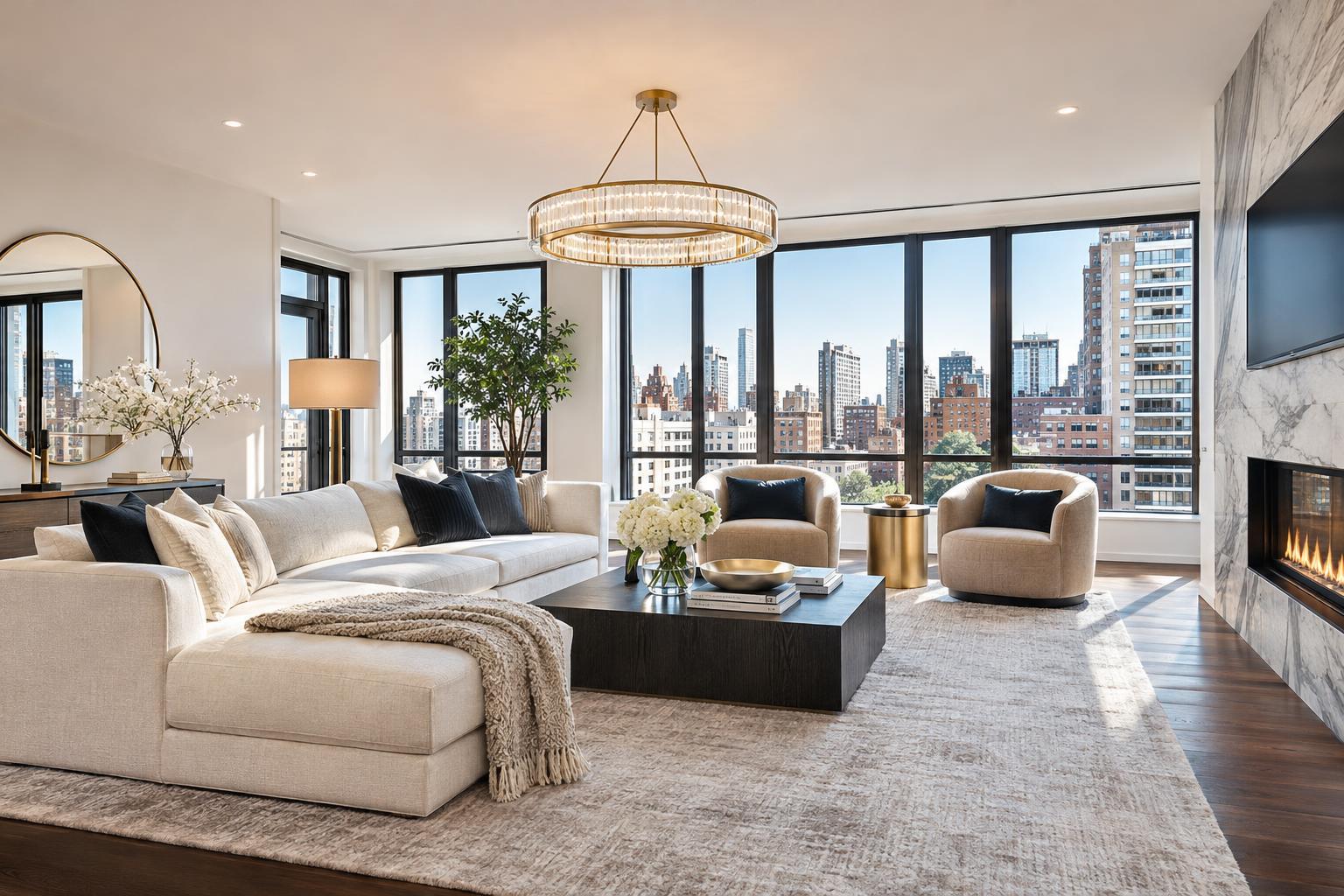
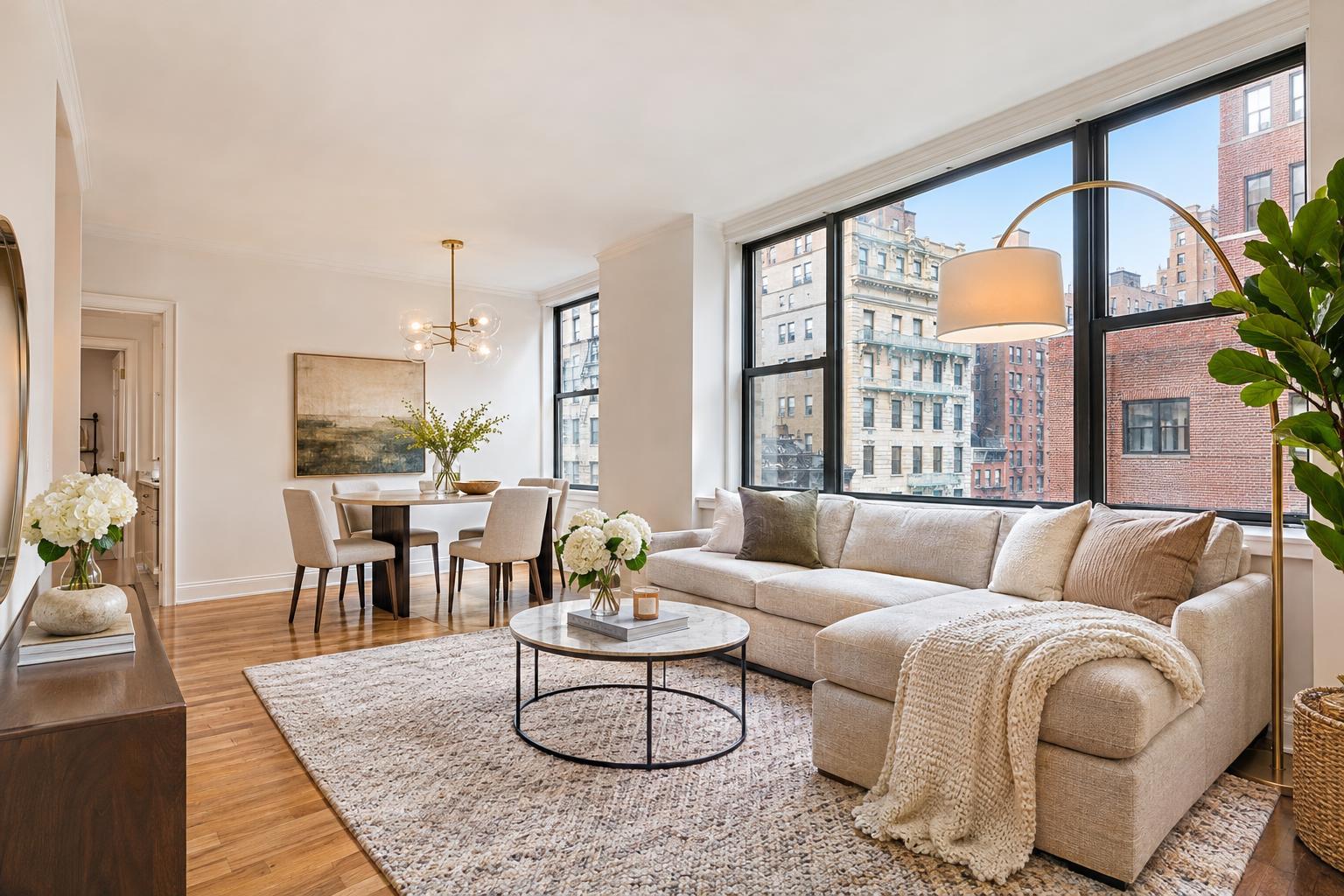
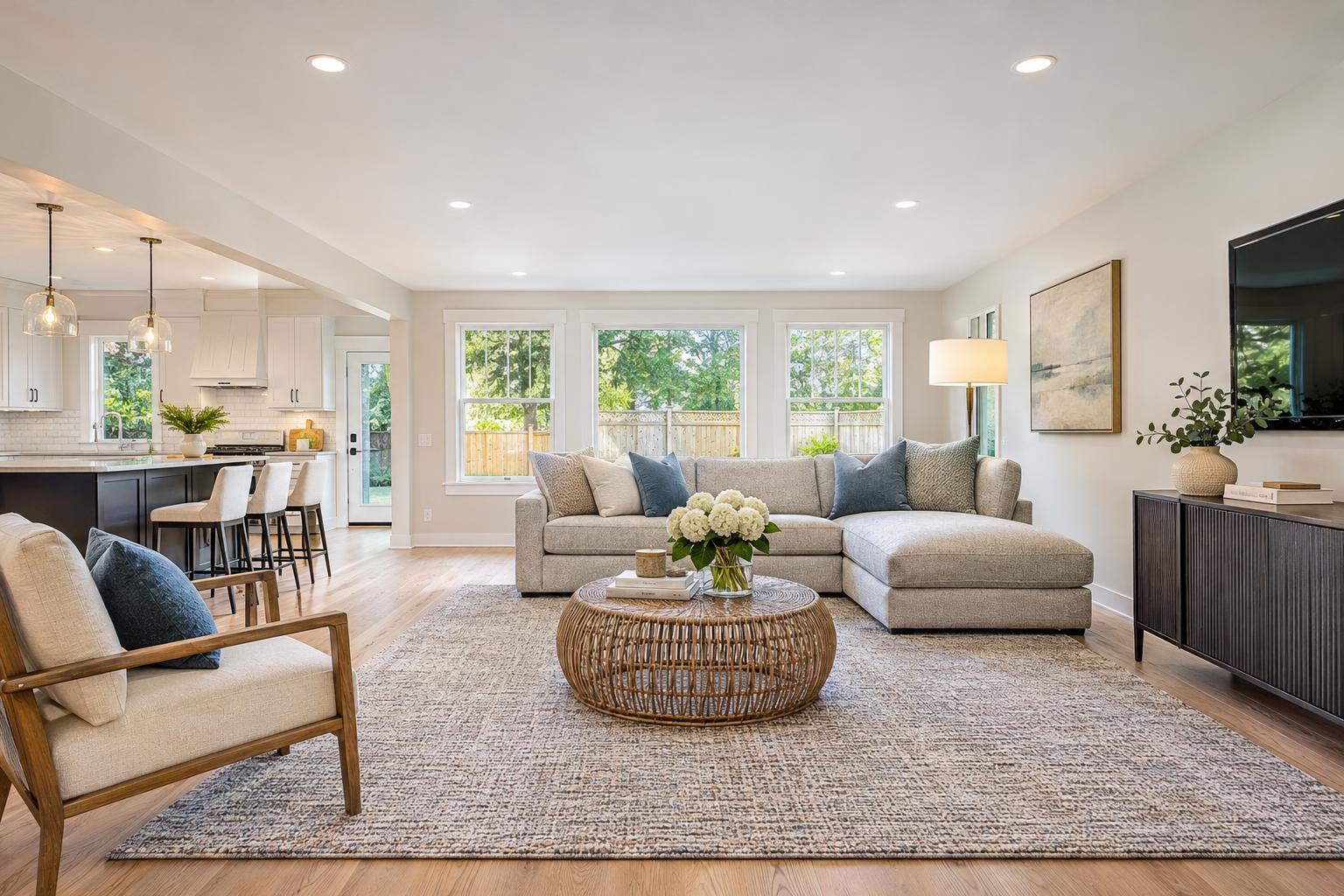
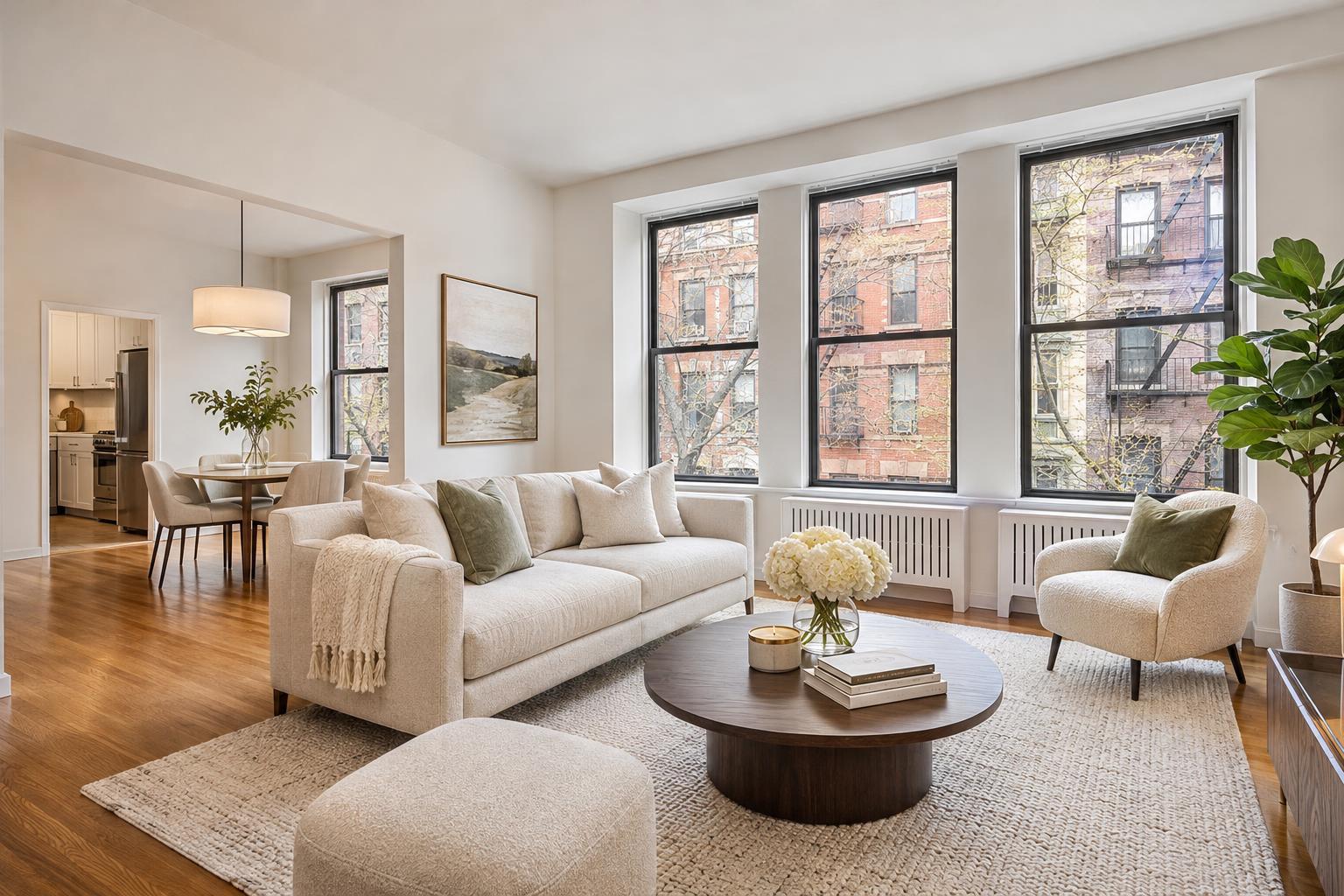
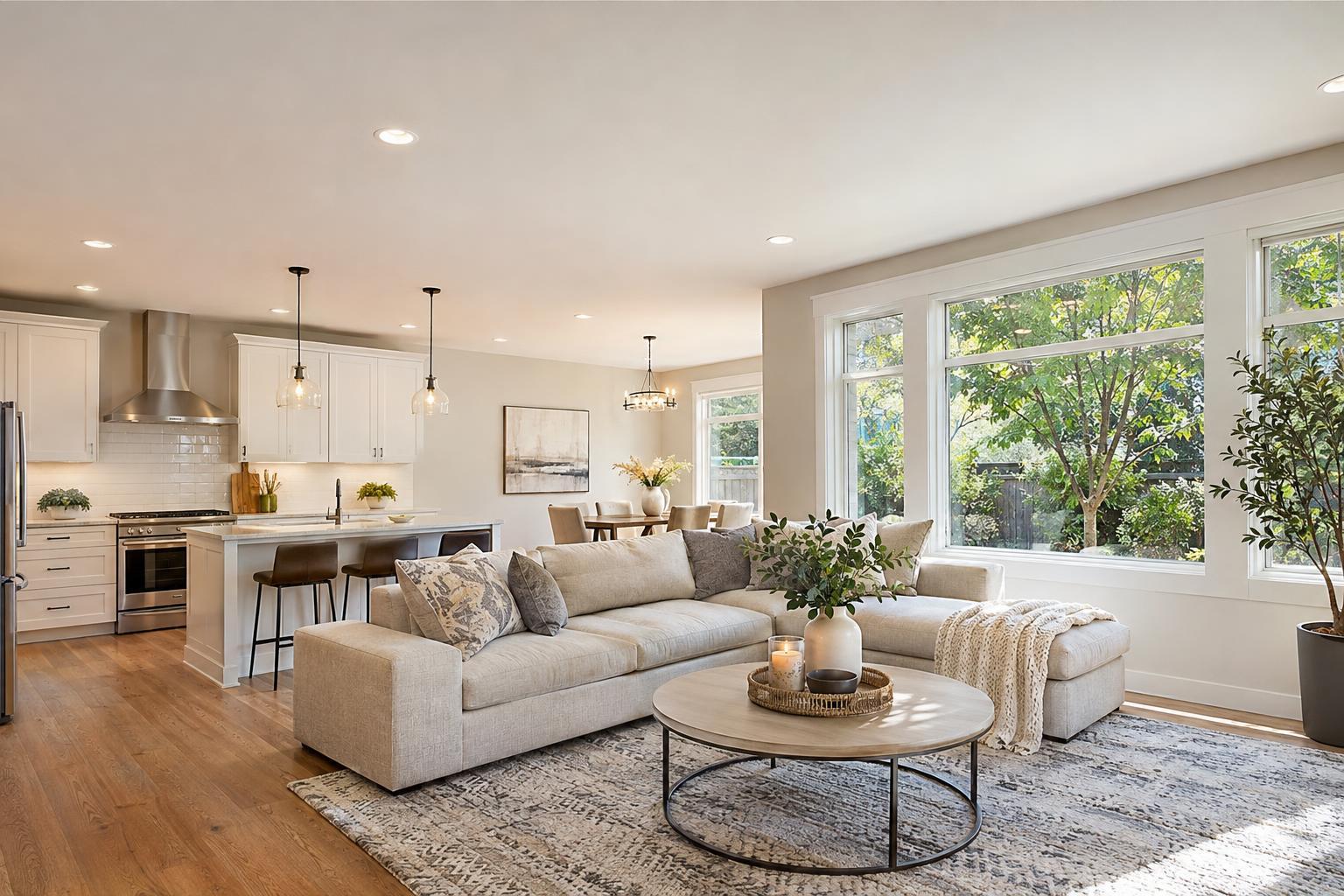
The spacious open-concept living area, featuring a modern kitchen with barstools and a cozy lounge with large windows, is showcased in this real estate video tour.

What to Look for in a Real Estate Video Tour for Your Listing
A real estate video tour in NYC or New Jersey can be the difference between an average listing and one that truly connects with its audience. For agents, property managers, and developers, adding video isn’t just about adding flair—it's about creating a visual narrative that still photos alone can’t achieve. But what sets an effective property walkthrough video apart, and how should you approach the decision to invest in professional real estate videography?
Why Video Belongs in Today’s Listing Strategy
Still photography remains crucial, capturing key rooms and attractive details at just the right angle. Video, however, adds a sense of movement—illustrating how each space relates to the next and how light and scale shape the experience of moving through a property.
A strong real estate video tour can:
- Show how rooms flow together, emphasizing layout and circulation
- Highlight dramatic transitions, such as from a bright living area to a private terrace
- Reveal architectural features—think staircases, tall windows, or an expansive kitchen—that come alive in motion
- Convey atmosphere through shifting light and perspective
While you can linger over still photos, a video creates continuity and delivers a feeling of what it's actually like to walk from the entryway to the heart of the home or out to the garden.
Beyond a Slideshow: What Makes a True Walkthrough
There’s a world of difference between a series of static photos and a professionally captured video. A slideshow made from images has its place, mostly for quick social media posts or basic listings, but it doesn’t provide the understanding of flow and space that buyers crave.
Professional videographers plan every shot—from the route the camera will follow to the timing of each room reveal. They ensure that camera movement feels smooth, the framing flatters each space, and every transition in light is handled thoughtfully. This isn't just technical skill; it's storytelling.
Key elements of high-quality real estate videography include:
- Controlled movement: The camera glides, never jerks, placing viewers right inside the space
- Pacing: Rooms aren’t rushed—viewers need a moment to absorb what they’re seeing
- Thoughtful framing: Each shot is chosen to enhance, not distract
- Natural lighting: Changes in daylight, bright windows, and soft interiors are all balanced on site
- Logical sequencing: The tour unfolds naturally, giving a real sense of how you’d move through the property
At RealtaSnap, listing videos are captured in person at NYC and New Jersey properties. That means the video shows actual movement through real spaces—not a virtual simulation or a patchwork of stills.
Tailoring Video Tours to the Property
No two listings are the same, and your video strategy should reflect that. Consider what features benefit most from being shown in motion and which parts of the property are essential to the flow of the tour.
Manhattan Apartments
Compact city apartments have their own rhythm. Focus on how the living area, kitchen, and sleeping spaces connect, as well as efficient storage and daylight patterns. Resist the urge to make everything look bigger—honest proportions help viewers imagine themselves living there.
Considerations:
- Show clear transitions between spaces and highlight updates, built-ins, or skyline views
- Make sure filming logistics (like elevator access) are squared away before the shoot
Brooklyn Brownstones & Townhomes
Brownstones are packed with character, often spread across multiple levels. A great tour starts with the building’s facade, then moves vertically from parlor to garden—showcasing original millwork, staircases, and backyard escapes along the way.
Tips:
- Let the flow of the house guide the tour
- Pause at key views, such as at the top of a grand staircase or out to a private courtyard
New-Development Residences
For new buildings and condos, it’s about the full experience—lobby, amenities, shared decks, and showpiece units. Small touches matter; unfinished corners or visible construction shouldn’t distract from the polish.
Tips:
- Coordinate access to amenity spaces ahead of the shoot
- Make sure lights and fixtures work throughout
Larger New Jersey Homes
Spacious suburban homes often feature outdoor living areas, basements, or unique entertaining zones. A well-planned video can unite indoor and outdoor living into a seamless journey. If applicable, aerial footage can offer a sense of grounds and context (always subject to airspace, weather, and safety).
Tips:
- Organize the sequence around lifestyle flow—arrival, entertaining, outdoor access
- Consider if drone video enhances the story, as feasibility is determined case by case
Commercial Spaces
For offices, retail, and industrial properties, highlight the relationship between work areas, loading zones, entrances, and customer-facing features. Each type of space calls for a distinct visual story—tailor your tour to the needs of likely tenants or buyers.
Preparing Your Property for Video
Video tours are far less forgiving of clutter or visual inconsistencies than traditional photos. As the camera moves, small messes or distractions quickly become glaring.
Preparation checklist:
- Remove personal items, excess furniture, cords, pet gear, and cleaning supplies
- Clear countertops, desks, and visible surfaces
- Open blinds to bring in natural light when possible
- Check all lightbulbs and turn on needed fixtures
- Secure pets (and plan for people who’ll be home)
- Ensure all spaces are accessible, including outdoor and amenity areas
- Note any tricky entry or building rules for your videographer
Before the shoot, take a walk-through with a critical eye. Even things like open closet doors, laundry baskets, or stray paperwork can pull focus for viewers.
Choosing the Right Video for the Job
The same video won’t work for every situation. A longer, immersive walk-through is ideal for listing sites or presentations. Shorter clips or highlight reels work better for social media, where quick visual hooks are key. It’s smart to decide early what kinds of video assets you’ll need—this saves time and ensures your videographer captures each shot with the intended audience in mind.
When booking with RealtaSnap, you can choose between full-length walk-throughs and social media cut-downs. Explore real estate videography options from RealtaSnap.
What to Ask Before You Book
A professional video partner should be transparent about their process so there are no surprises on shoot day (or in the final cut). Important questions include:
- Are videos filmed on site or pieced together from stills?
- How is the shooting route planned?
- What prep needs to happen before arrival?
- Will the final edit match the specific property and intended audience?
- Are alternate or social media versions available?
- What building coordination or access details must be confirmed?
- If requesting drone footage, how will feasibility be determined?
Local experience is helpful. Each part of NYC and New Jersey has its own quirks—elevator reservations, entry logistics, multi-unit coordination, or outdoor access can all affect the shoot.
Keeping Viewers Engaged
Ultimately, the best video tours are those that make it easy for potential buyers or tenants to imagine themselves in the space. Fast, jumbled montages or generic photo slideshows rarely help. The aim is to guide viewers naturally from room to room, letting them appreciate the property’s story without distraction.
If you're considering a video for your next listing in NYC or New Jersey, RealtaSnap offers on-site videography with flexible packages. Learn more or get started at www.RealtaSnap.com.
FAQ
Question: How long should a real estate video tour be?
Answer: The ideal length varies by property. For apartments or smaller spaces, a concise, focused walkthrough often works best. Larger homes or commercial spaces may need a bit more time to convey their layout and unique features. The video should feel clear and purposeful without lingering unnecessarily on similar rooms.
Question: Can you create a video tour from listing photos?
Answer: While a slideshow can be made from photos, it doesn't deliver the same sense of motion and continuity as a true on-site walkthrough video. RealtaSnap captures video on location so the end result feels natural and immersive.
Question: What preparation is needed before a real estate video shoot?
Answer: Clean and decluttered spaces work best for video. Remove excess items, clear surfaces, turn on appropriate lights, and ensure all rooms are accessible. Confirm access for any shared or exterior spaces that should appear in the video, and provide any necessary building or entry instructions in advance.