How to Choose Real Estate Photography in NYC for Your Next Listing
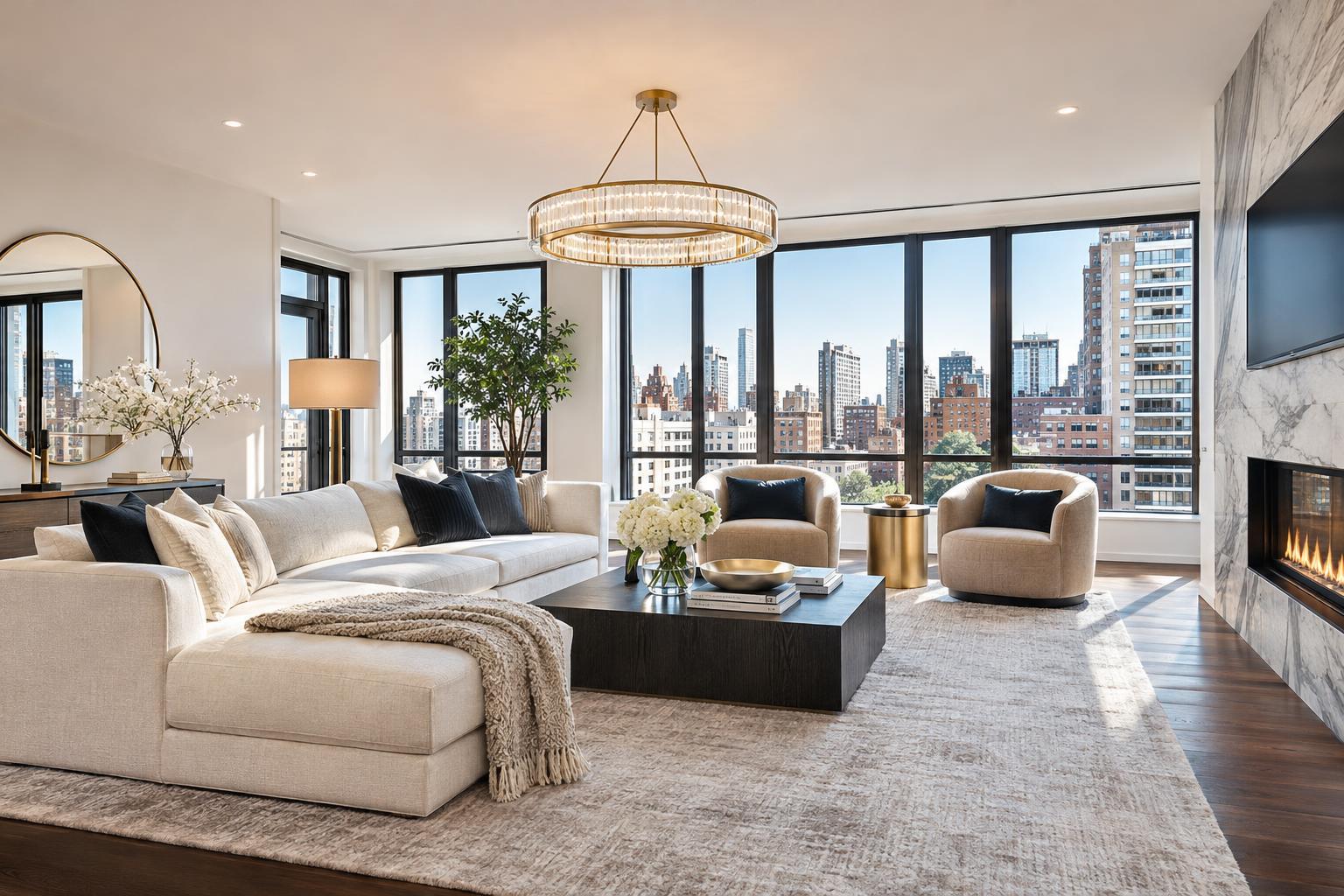
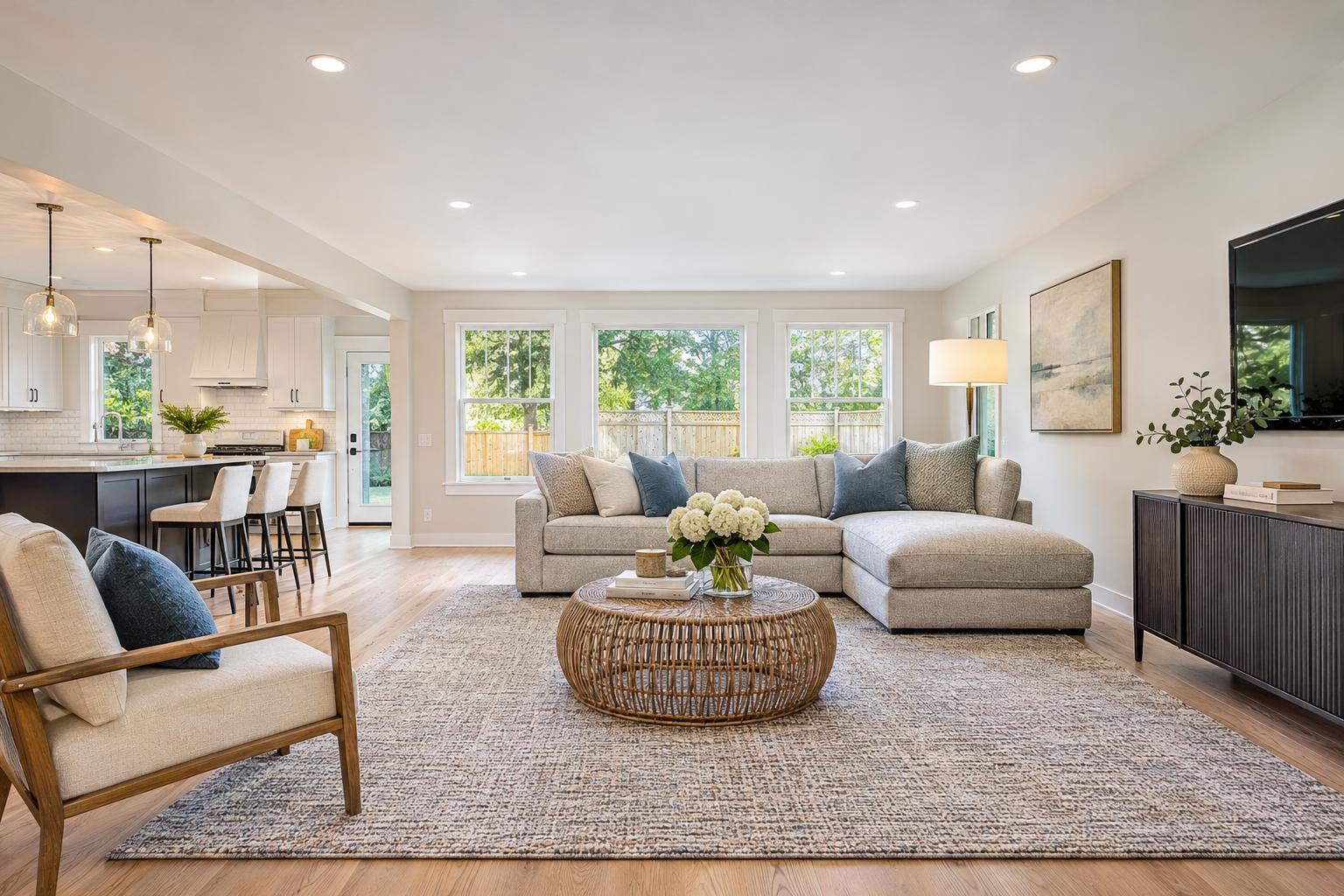
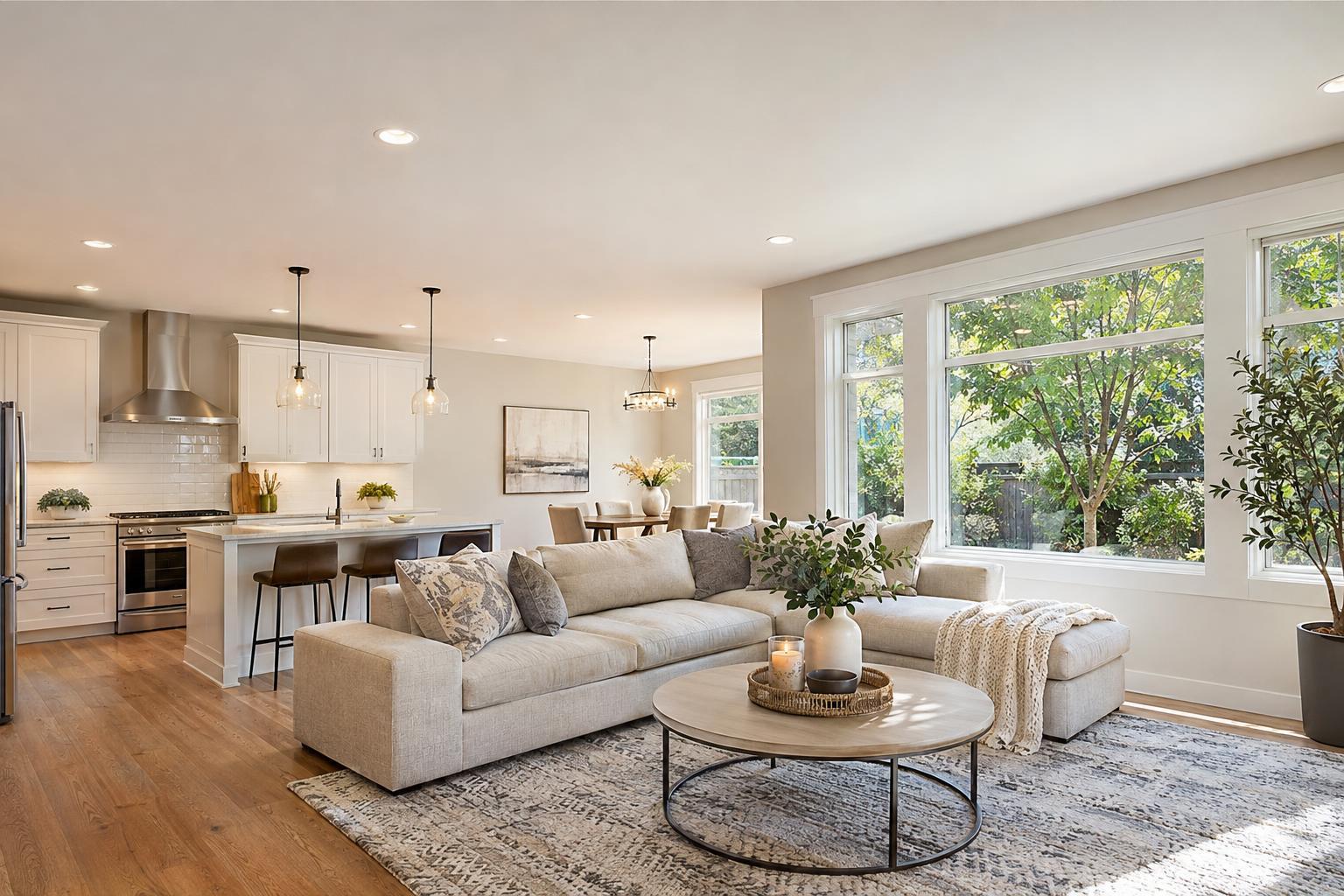
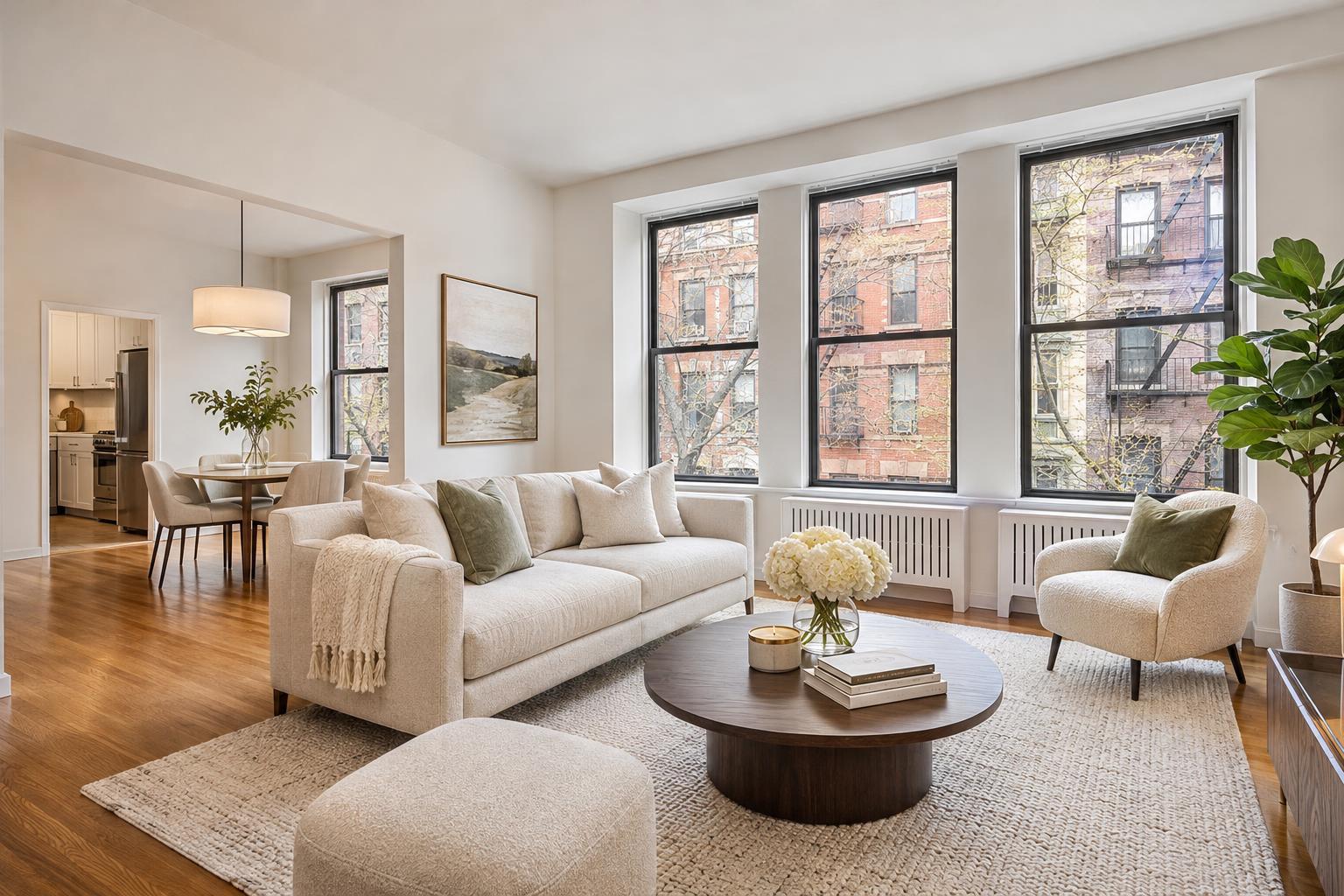
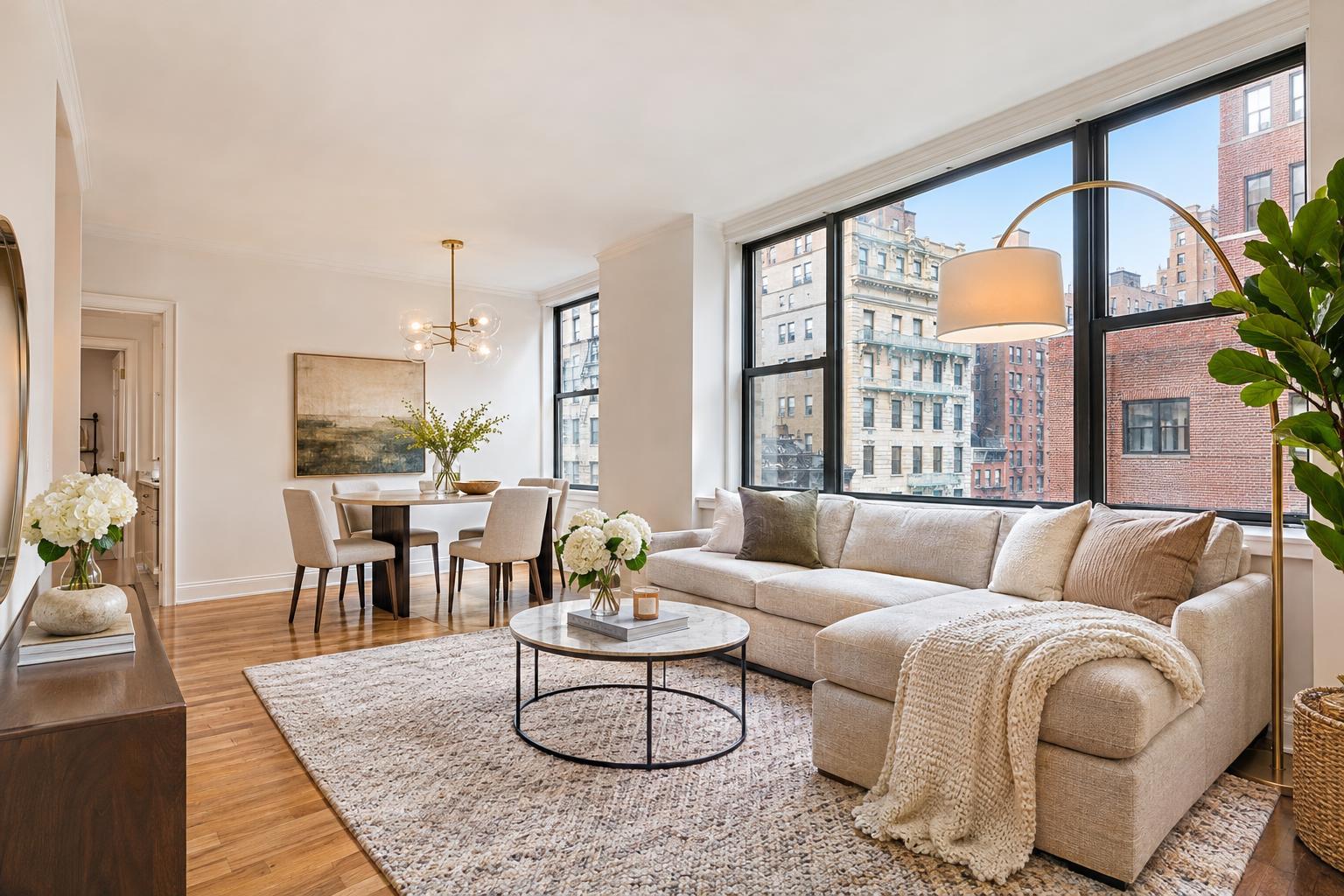
A beautifully staged New York City apartment features a bright, open living and dining area with large windows showcasing architectural views, exemplifying elegant real estate photography NYC.

How to Choose Real Estate Photography in NYC for Your Next Listing
Real estate photography in NYC is more than a checkbox for listing platforms. In a city where everything from cozy studios to brownstones and new-glass high-rises compete for attention, photos are often the first, and sometimes only, detailed introduction a buyer or renter will get. Agents, brokers, and property managers need more than attractive snapshots—they need a partner who understands what it takes to present New York City properties honestly, clearly, and professionally.
Whether you’re prepping a listing on the Upper West Side or a walk-up in Brooklyn, here’s how to select a real estate photographer who helps your listing tell the right story.
What Real Estate Photography Should Actually Do
Professional property photography in New York City isn’t about making every room look huge or hyper-staged. The right images help viewers quickly grasp how spaces connect, what the light feels like, and which features actually exist in the property.
Great listing photos should:
- Capture the real scale and flow between rooms—without distorting layouts
- Show details such as finishes, built-ins, or window views when they matter
- Balance lighting so interiors look inviting and views are readable (not white-out or black rectangles)
- Keep lines straight—warped doorways or stretched corners can mislead and distract
- Maintain consistency in color and style throughout the gallery
- Present the space as it exists, avoiding edits that would misrepresent permanent features
Minor retouching can clean up photos, but the goal is always to support an honest representation. Over-editing or digitally altering spaces can hurt credibility and lead to confusion or disappointment at showings.
Portfolios: What to Look For (and What to Ignore)
Portfolios are a starting point, but not every impressive cover photo means a photographer can handle your listing. Dive into full property galleries when possible. A reliable real estate photographer for NYC listings will show their ability with a range of properties: compact studios, classic pre-war apartments, brownstones, and larger homes.
Instead of just looking for dramatic shots, pay attention to:
- How smaller spaces, hallways, kitchens, or secondary bedrooms are handled
- Consistency: Are color, brightness, and perspective reliable from image to image?
- Handling of challenging lighting or outdoor/indoor transitions
- Clarity in showing room connections and flow—is it easy to “walk” the space in your mind?
- Portfolios that include properties similar to yours
If portfolio galleries skip less glamorous areas, it may be worth asking for additional samples. After all, these are often the trickiest spots to photograph in NYC.
Understanding NYC’s On-the-Ground Realities
New York City shootings are rarely as simple as “show up and snap.” Preparation might involve elevator reservations, doorman coordination, pets, tenants, narrow time slots, or building-specific rules. A seasoned photographer understands the rhythm and unpredictability of this environment and communicates clearly about what’s needed.
Small or unusual spaces require careful composition. Sometimes the best angle isn’t the widest one, but the one that makes the function of a room clear without confusion. For larger homes, look for photographers who tell a logical, visual story across several floors and living areas—without overwhelming with repetitive shots.
Clear Communication and Easy Scheduling
An effective real estate photography partner isn’t just about the finished photos—how you get there matters too. Before booking, consider:
- How simple is the scheduling process?
- Do they offer an online system for choosing packages, add-ons, and appointments?
- Are you able to provide specific property or access notes?
- Do you get guidance about how to prepare the listing?
- Are editing boundaries and delivery timelines explained up front?
With RealtaSnap, for example, agents and owners can book directly online, share notes and specific instructions, select services, and handle payment at checkout. Knowing what to expect (and when) helps minimize day-of stress.
Getting the Property Camera-Ready
Preparation goes hand-in-hand with great results. While a professional can control equipment and composition, they can’t declutter kitchen counters or make beds. For lived-in listings, encourage residents to focus on what’s visible in the most common photography angles.
A practical checklist might include:
- Clearing kitchen and bathroom surfaces
- Removing magnets, notes, or personal items from visible areas
- Making beds and tidying up linens
- Hiding clothes, cords, pet items, and bathroom clutter
- Letting in as much natural light as privacy or view allows
- Checking every bulb (and turning on lights before the shoot)
- Tidying any exterior spaces or removing vehicles if needed
If you plan to order virtual staging, note that RealtaSnap’s AI staging is for empty or properly decluttered rooms only. Furniture removal—either physical or through a paid “clutter removal” edit—is necessary first so the results look realistic and market-ready.
The Role of Editing—and Where to Draw the Line
Retouching plays an important part in delivering crisp, clean property photos. This can mean correcting color, fixing slight exposure imbalances, or cleaning up small distractions. However, editing shouldn’t cross into misrepresentation: things like removing permanent fixtures, altering layouts, or inventing upgrades aren’t appropriate in listing photography.
Reliable providers will be clear about what is considered a standard edit and what falls under special requests, so you know how your listing is being represented and what you’re actually paying for.
Complementary Media: When to Add More Than Photos
While strong photography is the foundation, some NYC listings benefit from more:
- Listing Videos
Video helps potential buyers or renters experience how a property flows—especially when there are unique transitions between spaces or standout features. - Floor Plans
Great for layouts that are tough to read in photos alone: a combined apartment, a quirky brownstone, or a home with multiple levels. For accurate floor plans, on-site capture is required. RealtaSnap does not create floor plans remotely from PDFs or architectural plans. - 3D Tours
Interactive 3D virtual tours let interested parties explore remotely at their own pace. Like photography and floor plans, these require an on-site scan. - Aerial Media
Drone photos or videos can place a property in its neighborhood—especially if there’s a rooftop, backyard, water view, or unique exterior context. Feasibility depends on airspace, weather, access, building height, and pilot discretion. Not every location in NYC can be photographed by drone, but a quick address check usually clarifies what’s possible.
Choose added services based on what actually improves the listing presentation for your audience rather than opting for a one-size-fits-all upgrade.
Comparing Real Estate Photography Partners: A Checklist
When narrowing down your options, don’t just look at price or single-hero images. Review:
- Samples of full galleries, especially for properties like yours
- How compact spaces and lighting challenges are addressed
- Image count and what’s included in packages or base rates
- Policies for editing, delivery, and adding complementary services
- How clearly and easily the provider communicates
Look for a team whose process and expertise fit the type of listing you’re bringing to market, not just the lowest initial quote.
Why RealtaSnap Fits NYC and Beyond
RealtaSnap provides real estate photography and a full spectrum of property media for listings across all five boroughs and throughout New Jersey, with select coverage in Westchester and Upstate New York. Everything is booked online—clients enter the address, choose services, add special instructions, and select an available time, all with 24 hours’ notice when possible. Only the services required for your listing are offered, with clear boundaries and transparent workflows.
To review media options for your next listing, visit RealtaSnap’s main website.
FAQ
Question: How many photos should I order for a standard NYC apartment listing?
Answer: The ideal image count depends on the space and features. For a compact apartment, you’ll usually want enough coverage to show each living area, kitchen, bedrooms, bathrooms, and any valuable details or views—but there’s no need to pad the gallery with extra angles. Prioritize shots that help people understand the space.
Question: Should I book photography before the apartment is fully ready?
Answer: It’s best to schedule after cleaning, decluttering, and basic repairs are complete. If possible, share a prep checklist with residents so they have time to tidy up. Confirm building access, doormen, or elevator needs in advance to prevent delays.
Question: Can RealtaSnap create a floor plan or virtual tour using my architect’s PDF or old listing photos?
Answer: No, floor plans and 3D tours require a physical, on-site scan of the property. RealtaSnap does not create these from PDFs, existing plans, or listing images. This keeps everything accurate and usable for buyers and sellers.
If you have an upcoming listing and need reliable, clear, and market-focused media, you can explore options or book directly at www.RealtaSnap.com.