How to Choose Real Estate Photography in NYC for Your Next Listing
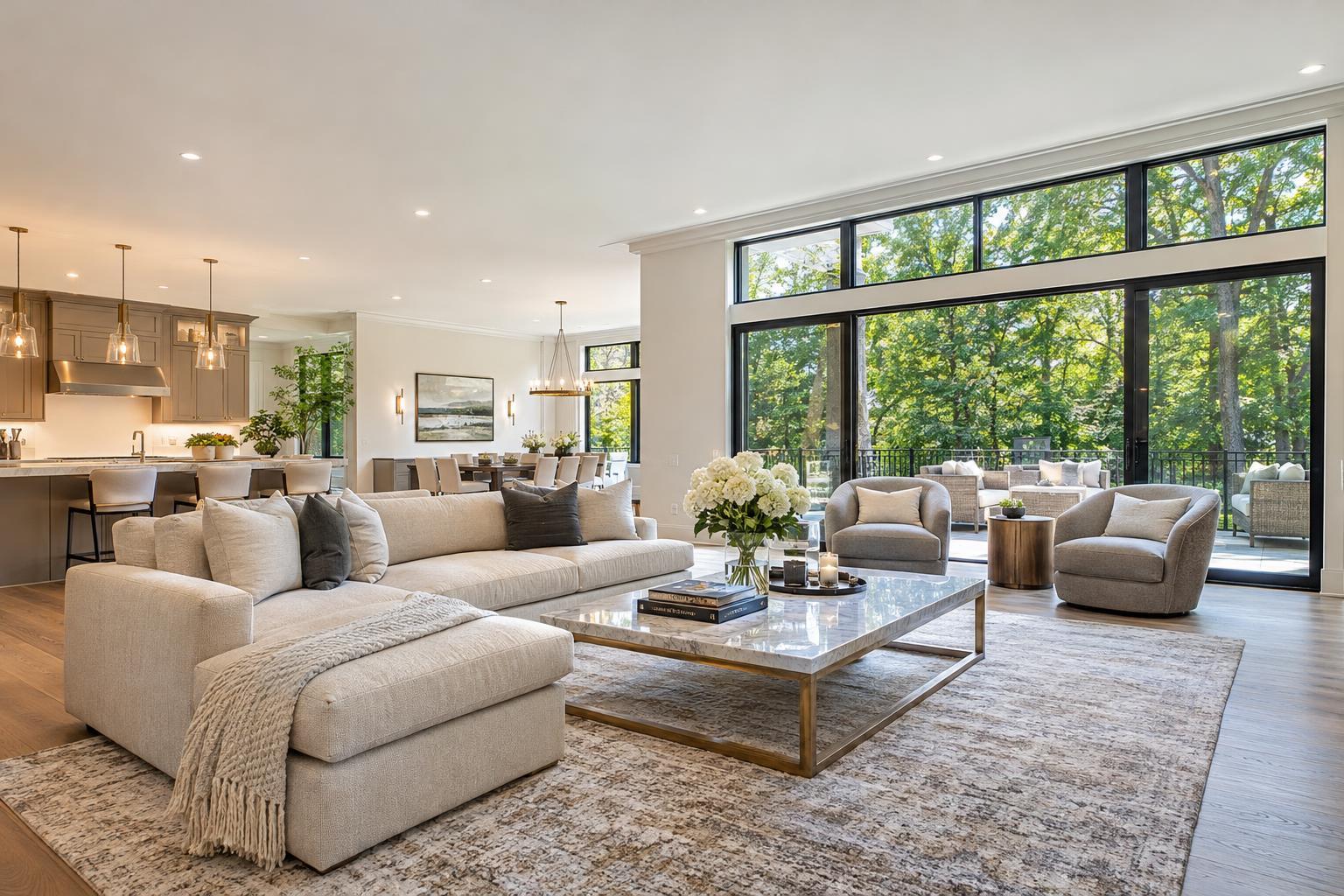
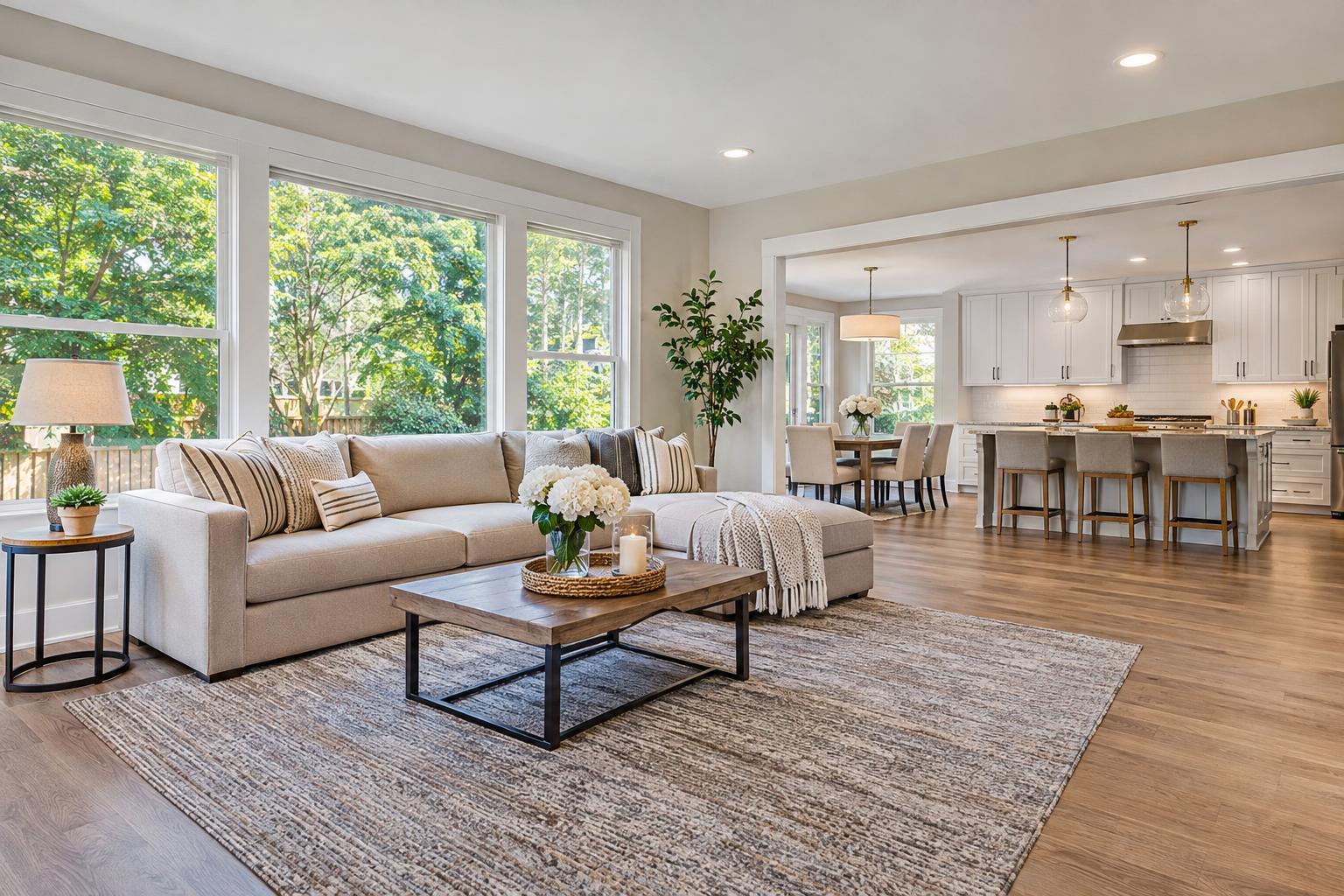
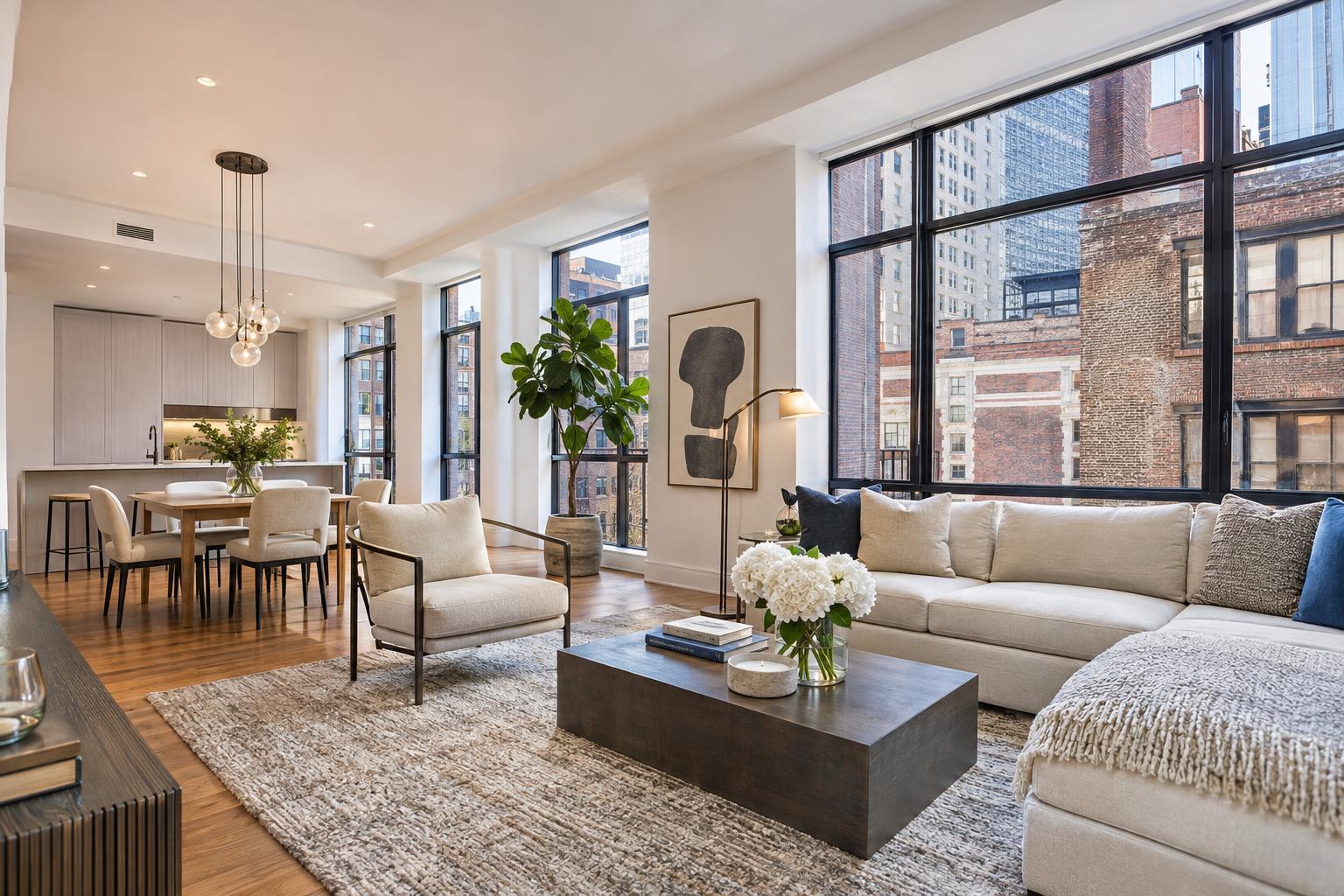
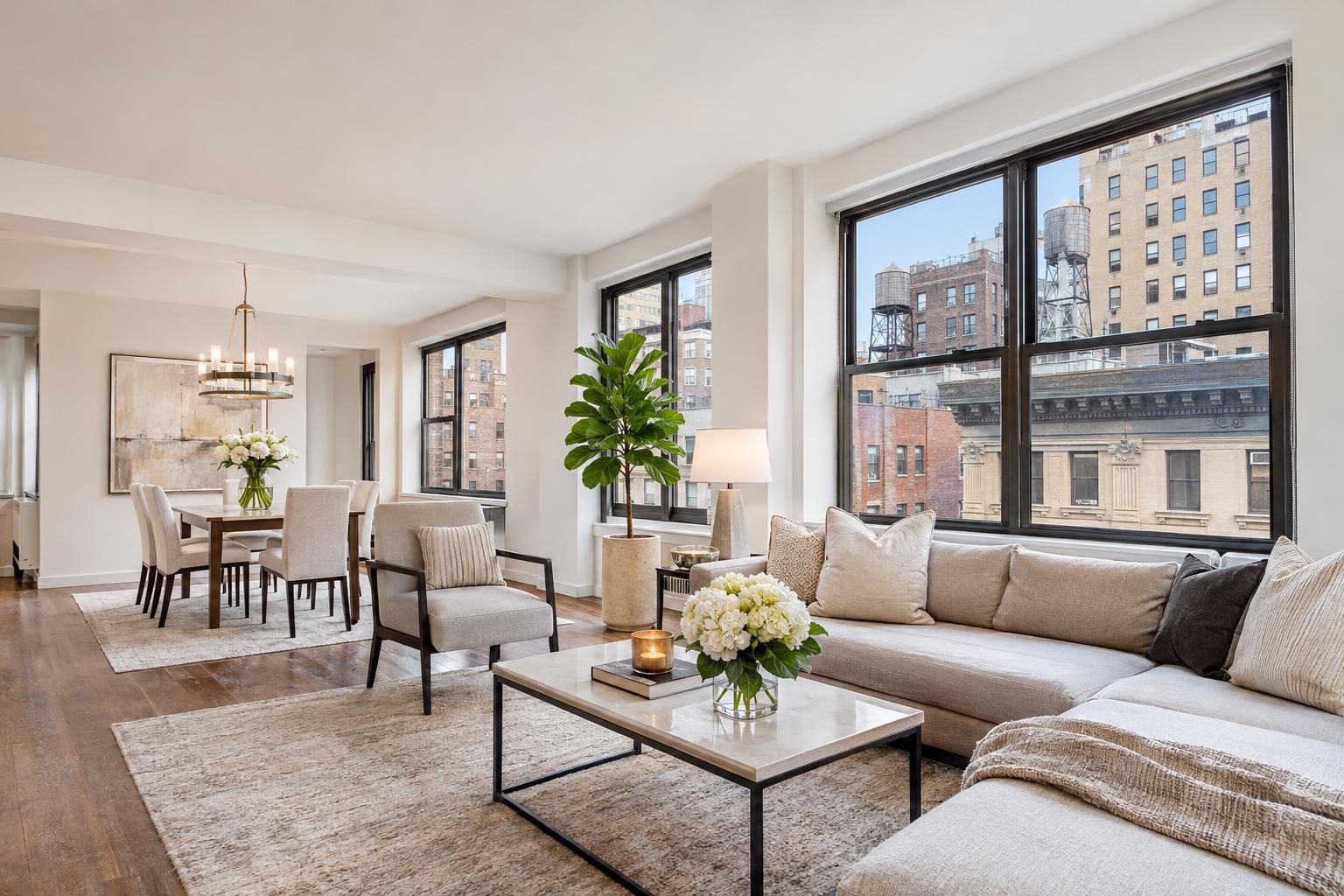
Spacious, elegantly designed apartment interiors with large windows showcasing a cityscape exemplify high-quality real estate photography NYC.

How to Choose Real Estate Photography in NYC for Your Next Listing
Real estate photography in NYC is more than just a checklist item for your next residential or rental listing. The images set the tone and expectation for buyers, renters, and agents before anyone ever steps through the door. In a city where every square foot counts and apartments can look dramatically different from block to block, hiring the right photographer is a practical decision that can help your listing stand out—and, just as importantly, remain accurate.
Evaluating Portfolios: What Really Matters With NYC Properties
It’s easy to be drawn in by beautifully lit images of sprawling homes, but most New York living spaces have their unique quirks—compact bedrooms, galley kitchens, and views worth showcasing. When you’re browsing a photographer’s previous work, focus on examples that feel relevant to what you’re selling or renting out.
Here are a few features to check:
- Rooms that feel true to size, not unnaturally stretched
- Furniture and walls that look proportional
- Compositions that show how one space connects to the next (without cramming all details into the frame)
- Evidence that they can make even a small or cluttered apartment look inviting but honest
A well-done photo doesn’t need to include every inch of a room. Instead, it should help viewers understand the way a home is laid out, how the light moves through each space, and what makes the apartment, townhouse, or brownstone genuinely livable.
Dealing With Difficult Light and Window Views
Every New Yorker knows the challenge of balancing sunlight with interior bulbs or dim corners. A professional property photographer in New York City should be adept at making sure:
- Rooms aren’t left shadowy or washed in garish yellow
- Window views aren’t completely blown out, especially if city vistas, parks, or peaceful courtyards are real selling points
- The lighting feels natural and believable, not over-processed
Especially in spaces like a Manhattan condo with skyline views, it’s essential that window scenes add to the sense of place rather than distract from it.
Keeping Architectural Lines and Features Straight
Older NYC homes can have remarkable details—moldings, built-ins, fireplaces—and converting those features into visual highlights requires a steady perspective. You shouldn’t see walls appearing to lean or doorframes that look warped. Straightening these lines in-camera or in post-processing shows technical skill and respect for the property’s architecture.
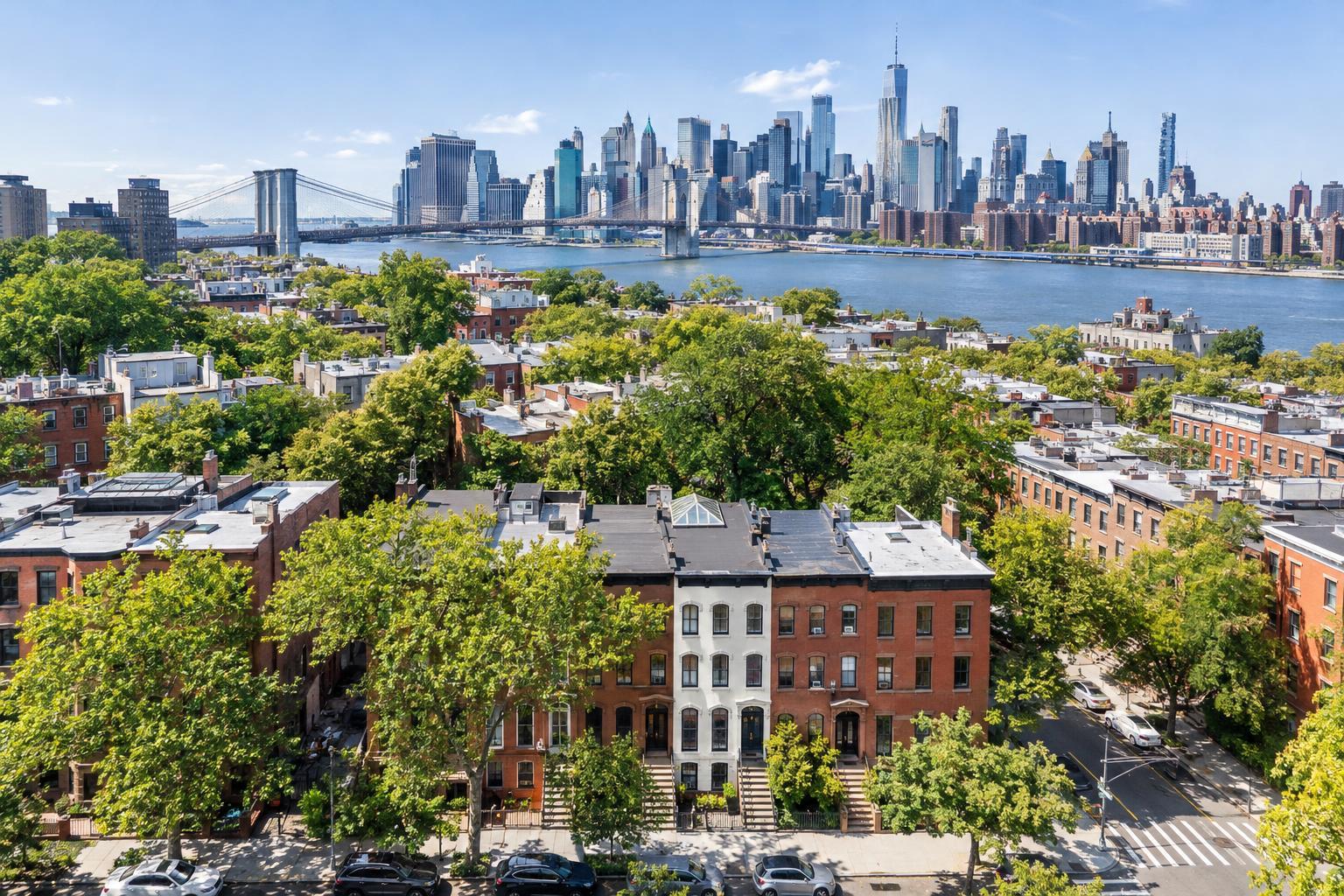
A Brooklyn brownstone, for example, depends on the photographer’s ability to showcase original woodwork, a classic fireplace, or a garden-level parlor in a way that looks refined but real.
Real Estate Photography vs. Standard Interior Photography
Not every attractive space photo is ideal for your listing. There’s an important distinction between images meant for marketing a property and those created for interior designers, architectural publications, or portfolios.
Real estate listing photos prioritize:
- Full, clear documentation of important rooms and features
- Flow and navigation—can viewers mentally walk through the space?
- Honest depiction of finishes, light, and condition
- Enough coverage so no critical space is left unexplained
Editorial or design photography, on the other hand, often emphasizes:
- Single dramatic compositions
- Artistic or stylized detail shots
- Scenes set for aesthetics over usability
For any active sale or rental, a real estate photographer in NYC should know how to strike the right balance between clarity and aesthetic appeal, making the home feel both accurately portrayed and desirable.
Before You Pick a Package: Scope Before Price
It’s tempting to shop for photography as if it’s purely a commodity, but not every project needs the same coverage. A simple rental might only require a handful of bright, organized shots. A multi-level brownstone or high-end condo likely calls for broader documentation.
Photography packages are generally priced by the number of delivered images. For example, with RealtaSnap, you can select from 10 photos (for smaller listings) to packages with 50 images (for large or uniquely featured properties). The most important factor is choosing enough coverage to communicate:
- All major rooms and connected spaces
- Any distinctive outdoor features or views
- Amenities or building context, when relevant
- The actual livability—does the set help someone imagine moving through the property?
Over-ordering can lead to redundant, less meaningful photos, while under-ordering risks leaving out important rooms or features.
Organizing Scheduling and On-Site Preparation
Logistics can be half the battle in any NYC shoot. Building access rules, elevator schedules, tenant routines, and even renovation activity can impact your appointment. The best photography providers will help set expectations up front and gather all the details that could affect the shoot.
If it’s a tenant-occupied or currently lived-in space, encourage occupants to:
- Clear clutter off counters and floors
- Open shades or blinds
- Remove personal or distracting items where possible
- Tidy up beds and main areas
A listing doesn’t have to look like a showroom, but images should make the home look easy to understand and inviting.
Choosing the Right Media for Each Listing
Photos are the foundation for nearly every listing, but some spaces benefit from additional media.
Floor Plans
A floor plan is particularly useful for larger, multi-level homes or apartments with unusual layouts. In NYC, every inch of space and each room’s placement matters to prospective buyers or renters.
Important: Floor plans require on-site, physical capture. They cannot be created from existing PDFs or old plans. If required, all relevant spaces need to be accessible during the shoot.
Video Walkthroughs
Video can offer a sense of how spaces connect in a way still photos simply can't. Properties with open floor plans, multiple floors, or striking renovations are great candidates. These videos are always captured on site, not generated as slideshows from still photos, to maintain authentic movement and flow.
3D Virtual Tours and Drone Media
Interactive 3D tours offer remote viewers a way to “walk” through a property. These, too, require on-site scanning. For aerial views or exterior context, drone media may be an option depending on airspace, safety, access, and pilot discretion. Drone flights are not guaranteed for every NYC address, and feasibility is determined case by case.
Virtual Staging
Virtual staging can make a vacant home feel complete, but there’s a catch: It works best only in empty or properly decluttered spaces. If a room has existing furniture or excessive clutter, those items must be removed (physically or via a paid edit) before digital furniture is added. This ensures the results look natural and not visually confusing.
Clear Editing Standards: What’s Honest, What’s Not
Editing should make a space look its best without crossing the line into misrepresentation. Adjusting for natural color, brightness, and minor spot removal is standard practice. However, altering structural details, hiding major flaws, or “fixing” entire layouts goes beyond what’s acceptable for real estate marketing.
If you need advanced edits—clutter removal, object retouching, or virtual staging—ask your provider about what’s possible and what’s not. RealtaSnap offers several editing add-ons, all detailed up front.
What to Ask a Prospective Photographer
Choosing a photographer is as much about process as it is about portfolios. Consider asking:
- Can I see examples from properties similar to mine?
- How will you document compact rooms, city views, or features that matter for this listing?
- How many photos would you recommend, and which rooms or features will you prioritize?
- What site-access details or preparation do you need from me?
- What types of editing or add-on media would be appropriate?
- How are final images delivered, and how long does it take?
You should walk away from these conversations feeling confident that the provider understands both your listing’s strengths and the on-the-ground realities of NYC property access.
Why RealtaSnap for NYC Listings?
RealtaSnap specializes in clean, accurate real estate photography for properties across all five boroughs, with an easy online booking process and a full range of add-ons for when listings need something extra. Everything starts with an address: just enter your property at RealtaSnap's scheduling page, choose the coverage, select your appointment, and handle payment—all in a few clicks.
Whether it’s a Manhattan high-rise, a Brooklyn brownstone, or a tidy Queens rental, RealtaSnap’s goal is to present each space in a bright, honest light—backed by practical logistics know-how and reliable delivery.
Ready to capture your listing the right way? Explore your options at www.RealtaSnap.com.
FAQ
Question: How many listing photos should I order for a studio or one-bedroom in NYC?
Answer: It depends on the layout and features, but most compact listings need enough photos to show every primary space—such as the main room, kitchen, bathroom, and any closets or distinctive features—without unnecessary repetition. A 10 or 20 photo package is common for smaller units.
Question: What if I want floor plans or a video for my listing?
Answer: Floor plans and video both require physical access and on-site capture. Make sure all areas are accessible during the appointment so the provider can document everything needed for your marketing materials.
Question: Can I use virtual staging if my rental still has furniture inside?
Answer: Virtual staging is designed for empty or properly decluttered rooms. If the apartment is still furnished, you’ll need to remove existing furniture or order a clutter removal edit before virtual staging can be applied. This keeps the final images clean and realistic.