How to Choose an Architectural Photographer in NYC for Property Marketing
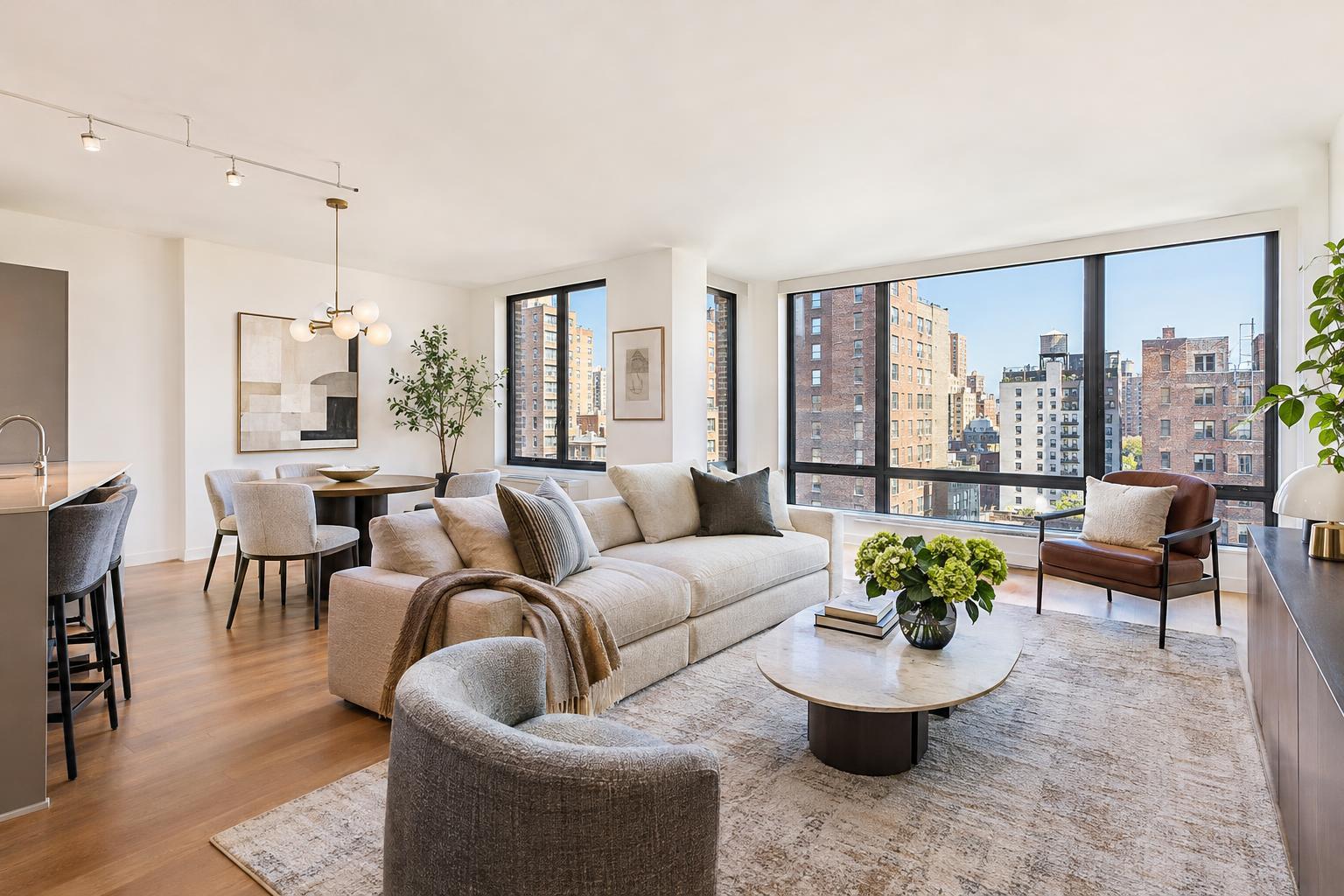
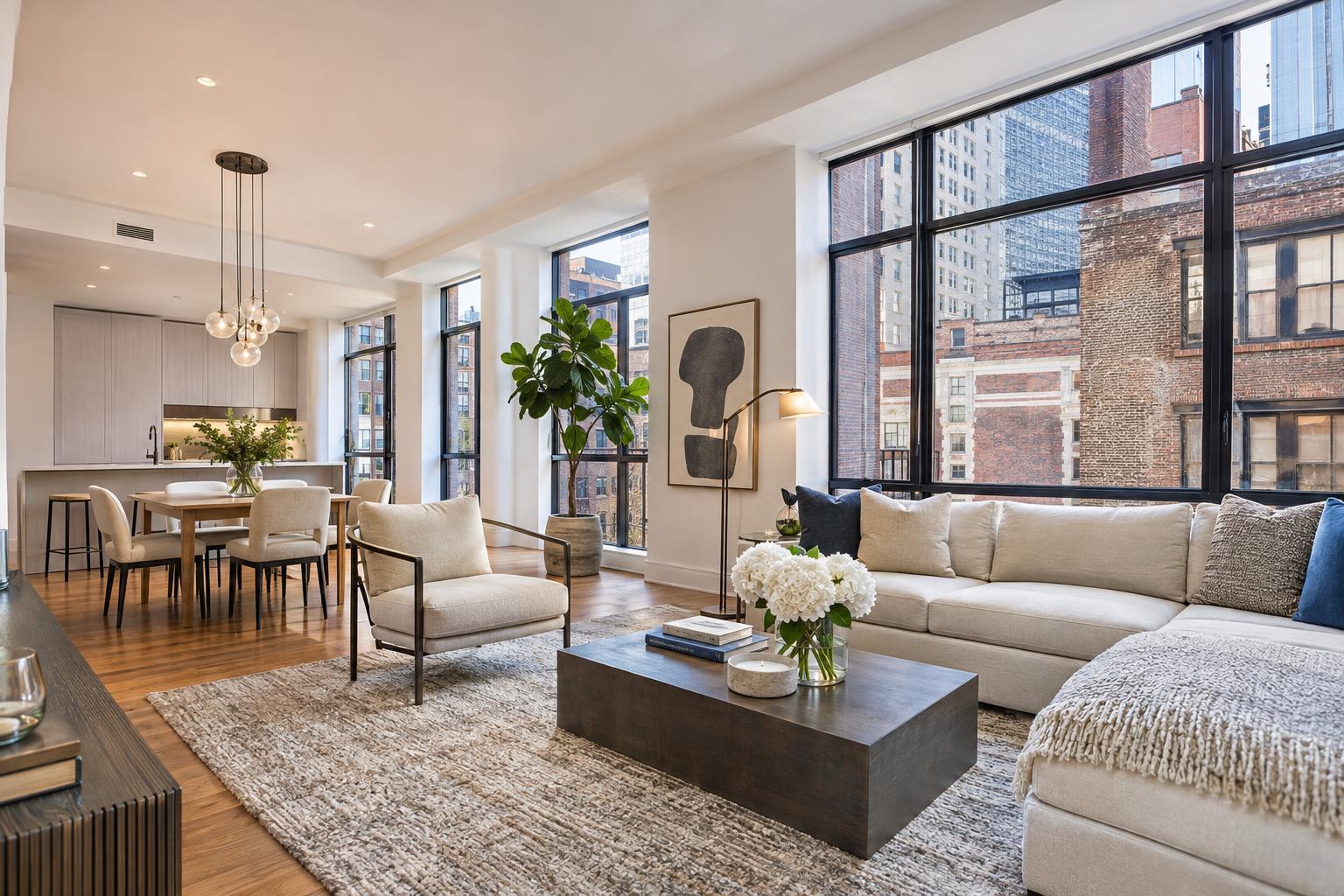
An exquisitely captured modern living space with large windows revealing a New York City backdrop, highlighting the skill of an architectural photographer in NYC.

How to Choose an Architectural Photographer in NYC for Property Marketing
In the search for an architectural photographer in NYC, property professionals often need more than just someone who takes striking photos. The real job is translating a physical space into an honest visual story—one that helps viewers online actually understand what makes a property special.
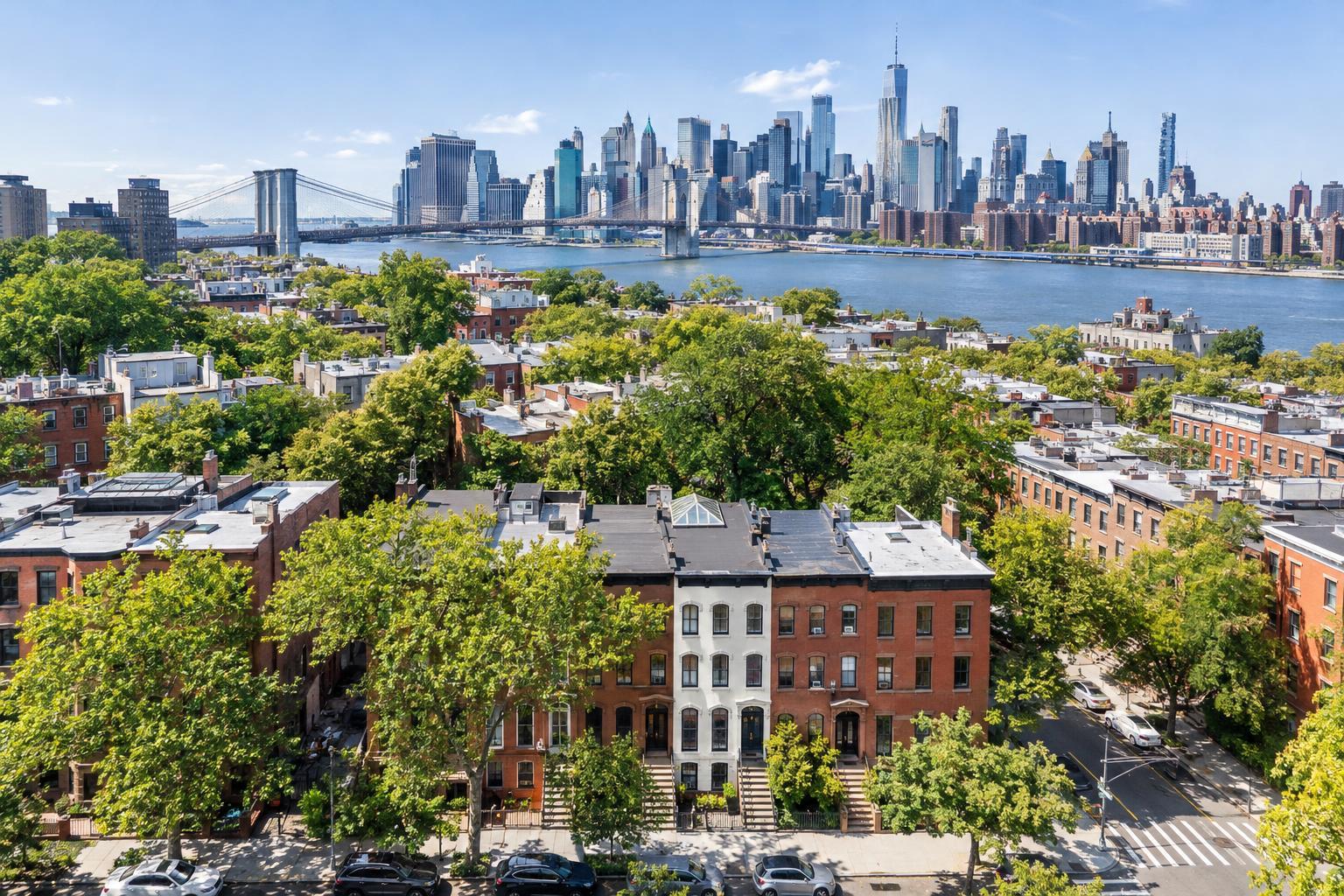
That’s especially important in New York City, where every apartment, brownstone, or commercial space comes with its own history, perspective, and marketing needs. Whether you’re representing a renovated Brooklyn townhouse, a new Manhattan development, or a high-traffic retail or office spot, your listing photos need to capture not only what’s there, but also the design, mood, and features that aren’t obvious from a single wide-angle shot.
Below, you’ll find practical guidance to help you identify the right NYC architectural photography services—and to prep for your next shoot.
Beyond Routine: Why Architectural Photography Matters
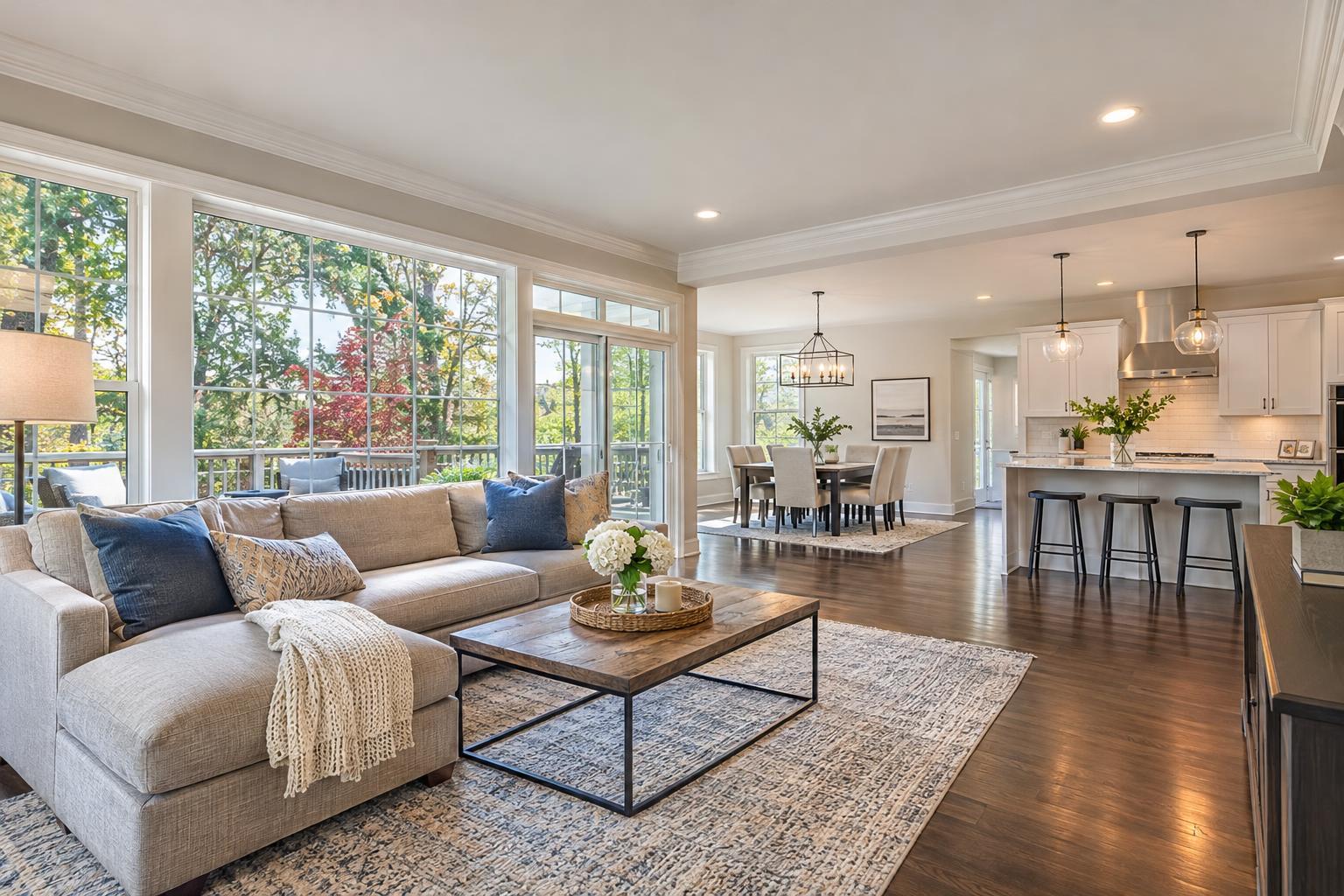
Standard real estate photography is about efficiently documenting the basic spaces buyers expect to see. Architectural photography, on the other hand, goes further. It’s less about just making a living room look big, and more about composition, materials, light, proportion, and the relationships between spaces.
For distinctive residential properties, commercial developments, or projects with a strong design vision, this approach is essential:
- Manhattan apartments often need creative framing to show flow, ceiling height, and upgrades.
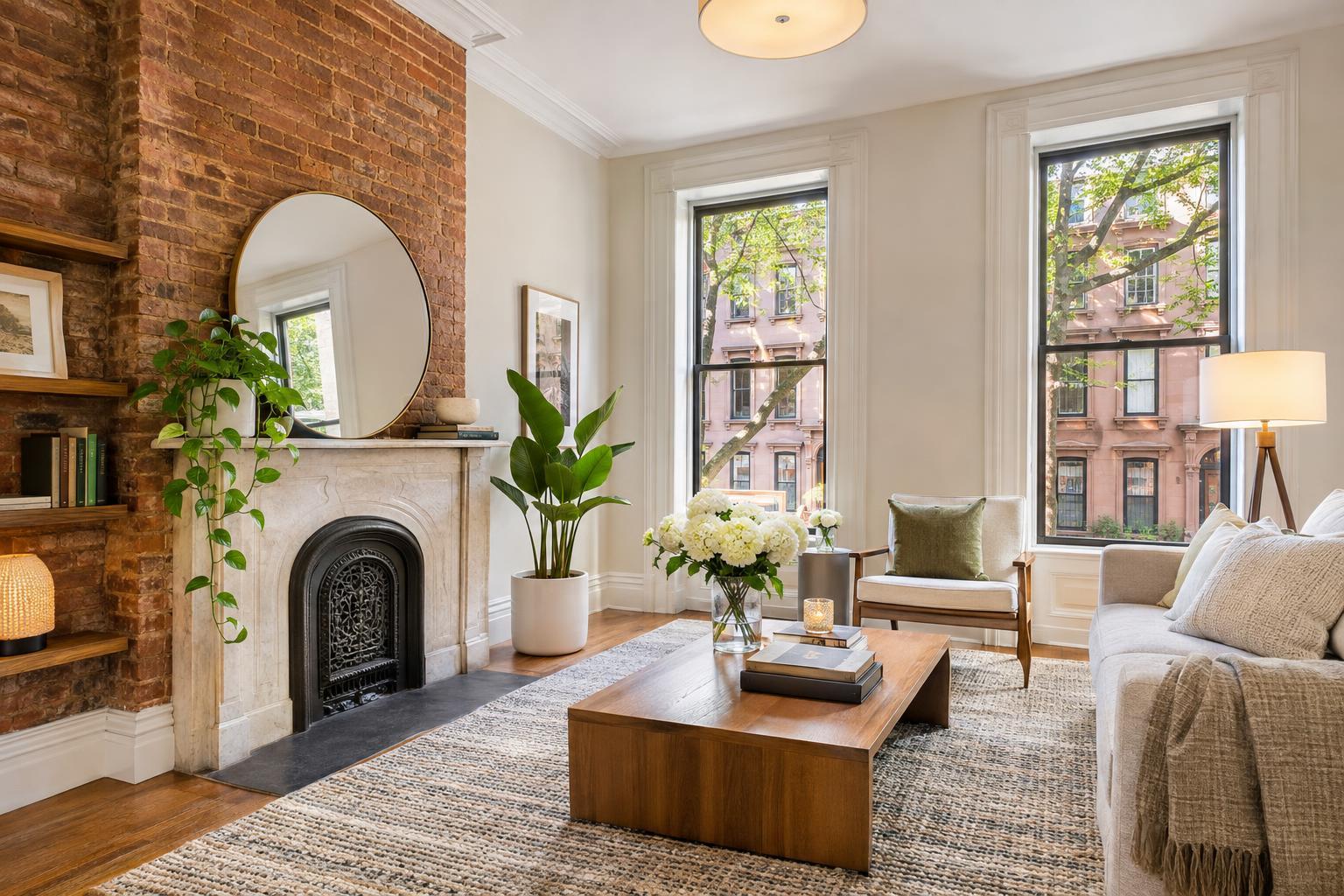
- Brooklyn brownstones rely on photography that respects original woodwork, stair details, natural light, and garden or roof access.
- Commercial and hospitality spaces require clear images of branding, finishes, lighting, and guest or customer experience.
A skilled architectural photographer is an interpreter as much as a technician.
What Sets Quality Architectural Photography Apart?
Evaluating a portfolio doesn’t require technical knowledge—but knowing what to look for can make a huge difference when hiring:
Thoughtful Composition Tells the Story
The best architectural photos are intentional. A good set will typically include:
- Broad views for context and flow
- Transitional shots to explain room relationships
- Select detail images to highlight unique features
Shooting from the doorway with a wide lens isn’t enough for most NYC listings. Instead, photographers should plan images that truly represent how the space is experienced, from a logical vantage point.
Perspective and Straight Lines
Nothing throws off a sophisticated listing like leaning walls or bowed doorways. High-quality architectural photography keeps edges vertical and horizontal, avoiding distracting distortion. This is especially challenging (and essential) in New York’s quirky, often vertical spaces—think tall brownstones, narrow lofts, and buildings crowded by neighbors.
Realistic, Balanced Light
Lighting is as much about what to minimize as what to highlight. Consistency should matter just as much as brightness. Look for:
- Window views that aren’t totally blown out
- Walls and floors whose colors look realistic
- Details that are visible in both sunlit and darker areas
A photo set should feel believable—like you could walk in tomorrow and recognize the space.
Details That Support the Big Picture
Close-ups have a place, but detail shots shouldn’t replace context. A knob, sconce, or stone finish is most meaningful when the main spaces are clearly shown first, so the viewer already knows where to place that feature in their mind.
Adapting to NYC’s Diverse Property Types
A one-size-fits-all approach doesn’t work in New York. The right photographer will adapt their approach based on the type of property:
Manhattan Apartments & Condos
Every room in a city apartment can be a selling point. Careful sequencing is crucial—view, floor plan, renovations, ceiling height, and light all contribute to marketing potential. Balancing wide context with detail creates a full picture.
Brooklyn Brownstones & Townhouses
A layered narrative matters here: show the entry, facade, original details, transitions between rooms, and the connection to outdoor space. Because of unpredictable light and multi-level layouts, timing and preparation are extra important.
New Developments & Model Units
These shoots often require images connecting units to amenities, communal spaces, and building branding. The image list should be determined up front, whether the photos are destined for web, press, marketing, or social media.
Offices, Retail, and Commercial Spaces
For commercial real estate photography in NYC, images should clarify both functionality and visual appeal. Think arrival areas, branding opportunities, workspaces, or display flow—and plan for the reality of staff, clients, or customers on site.
Hospitality Properties
Hotels, restaurants, and event venues require imagery that feels both accurate and atmospheric. Prep details (table settings, lighting) really affect how these spaces come across on camera.
How to Evaluate a Photographer’s Portfolio
Don’t rely just on three or four spectacular images. When looking for NYC architectural photography services, ask to see full galleries that match your type of property—in both style and function.
Helpful questions as you review:
- Do the photos make spatial sense, or do they leave you guessing?
- Are colors consistent and believable?
- Are windows, walls, and lines handled cleanly?
- Does the editing look natural—or is it distracting?
- Is there enough variety to tell a complete story?
- How are people, possessions, or temporary items managed in occupied spaces?
For property marketing (unlike a creative editorial spread), restraint is often a strength. The best work often balances visual impact and broad usefulness.
Define Scope & Objectives Up Front
A successful photography session starts long before the camera comes out. Clearly communicate:
- Property address and type
- Size and occupancy details
- Rooms, features, and views that matter most
- Whether exterior shots are needed
- Building access and requirements
- Any time or scheduling constraints (e.g., business hours, resident availability)
- What you expect to do with the photos (listing, design, press, etc.)
It’s also smart to clarify how many finished images are included, how editing is handled, and if there’s flexibility for extra shots or rushed turnaround. For larger or unique projects, a detailed (but not rigid) shot list can be helpful.
RealtaSnap, for example, lets clients select the number of final images that best fits their listing and encourages pre-shoot discussion about priorities and image selection.
Preparation Makes the Difference
Photos will only reflect what’s present on shoot day. A bit of preparation goes a long way:
- Remove clutter, cords, cleaning supplies, and personal items
- Make beds, straighten furniture, turn on or replace light bulbs
- Consider how window shades or curtains will affect light and views
- In commercial spaces, clear paperwork, boxes, and staff items from visible areas
- Decide in advance if you want people in the images or if the space should be shown “empty”
Virtual staging works best in cleared-out, vacant rooms rather than spaces cluttered with existing furniture or items.
For more preparation guidance, RealtaSnap provides a handy prep guide for property photography.
Communication and Coordination
A smooth photo experience depends on clear communication leading up to the appointment. Pay attention to how your photographer handles logistics—confirming timing, building rules, special features, or tricky access.
In NYC, where even getting in the front door can be a challenge, this advance coordination is just as important as technical skill.
When It Makes Sense to Add Floor Plans, 3D Tours, or Video
Though photography should be the foundation of property marketing, some listings benefit from complementary media:
- Floor plans can provide clarity on size, layout, and room relationships. These must be created through on-site capture, not pulled from existing images or plans.
- 3D tours like Matterport give remote viewers a chance to explore interactively, but require physical scanning of the property.
- Video can capture flow and transition between spaces, which can be particularly helpful for large or multi-level listings.
- Drone imagery may provide valuable context, especially when exterior views, location, or property scale are important. Drone sessions are always subject to airspace, weather, safety, and pilot discretion.
Use additional formats strategically—those extra deliverables make the most sense when they clarify or enhance what the photos already communicate.
RealtaSnap: Local Partner for Architectural Photography
If you’re searching for property photography that’s both organized and suited to New York’s unique market, RealtaSnap is a local provider offering on-site photography, 3D tours, floor plans, drone, and video for NYC and New Jersey listings. Services are tailored for a full range of property types, from urban apartments and brownstones to offices, hospitality, and new developments.
You can learn more, explore example work, and see availability for property photography in NYC.
A strong architectural photographer helps your audience see what matters, from broad layout to standout finishes. Pick a provider who understands your property type, clarifies the process, communicates reliably, and delivers results that match your marketing goals.
Ready to book your next shoot or need more information? Visit www.RealtaSnap.com.
FAQ
Question: What’s the real difference between architectural and regular real estate photography?
Answer: Standard real estate photography is designed to quickly capture major rooms and features for listings. Architectural photography focuses much more on design, materials, lighting, accurate representation, and the relationship between spaces—making it the preferred choice for properties with unique character, upgrades, or commercial value.
Question: How should I prepare a property (especially if occupied) for an architectural photo shoot?
Answer: Start by removing temporary clutter, cords, paperwork, and personal items. Make beds, arrange furnishings thoughtfully, and let your photographer know about rooms or features that deserve special attention. For offices or commercial spaces, plan for staff schedules and clean up communal areas in advance.
Question: Can a photographer make a floor plan or 3D tour from my existing photos?
Answer: No, creating accurate floor plans or 3D tours requires on-site capture with specialized equipment. Existing images can be useful for initial discussions or planning, but the actual scan or measurement needs to happen in person.