How to Choose Real Estate Photography Services for Your Next Listing
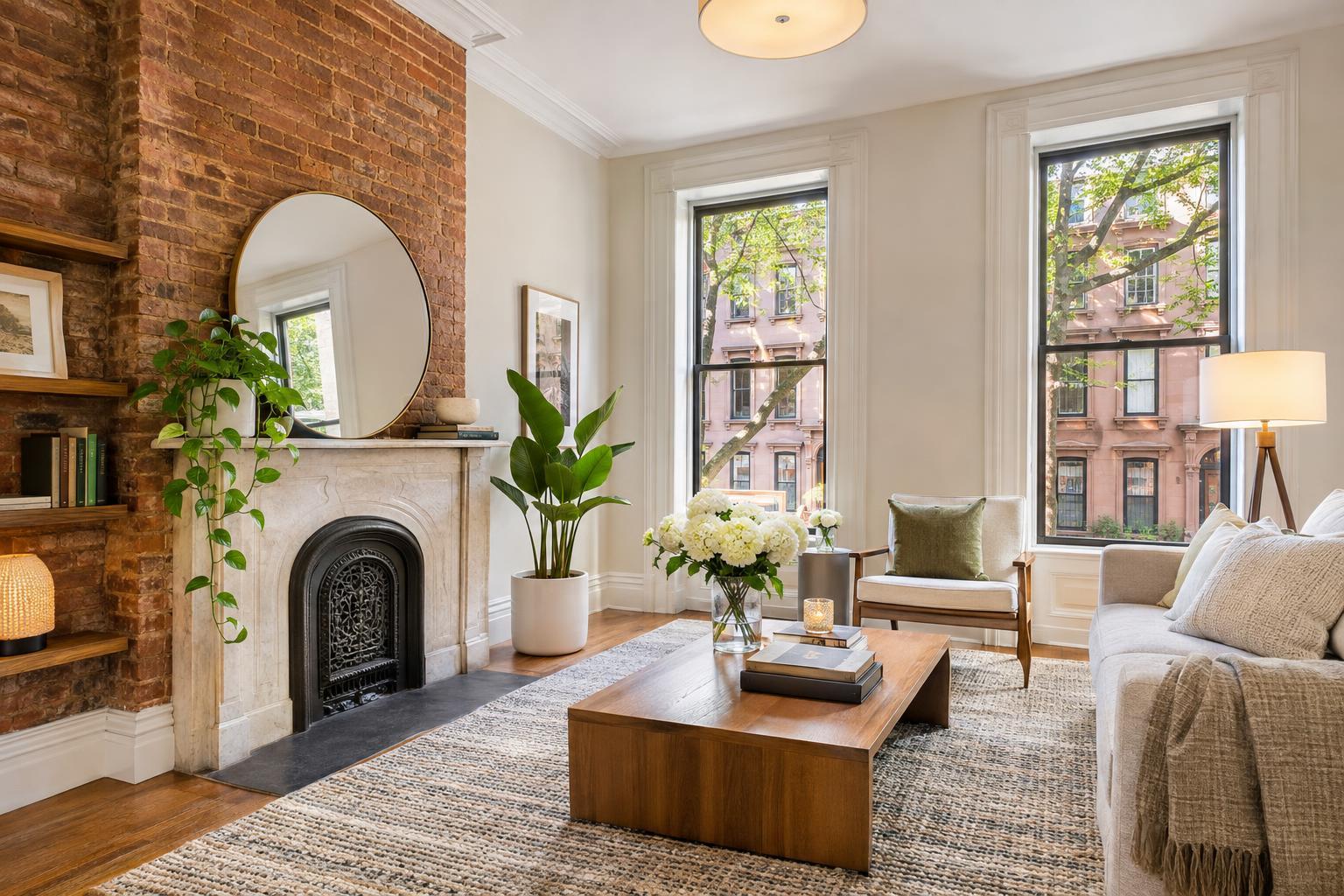
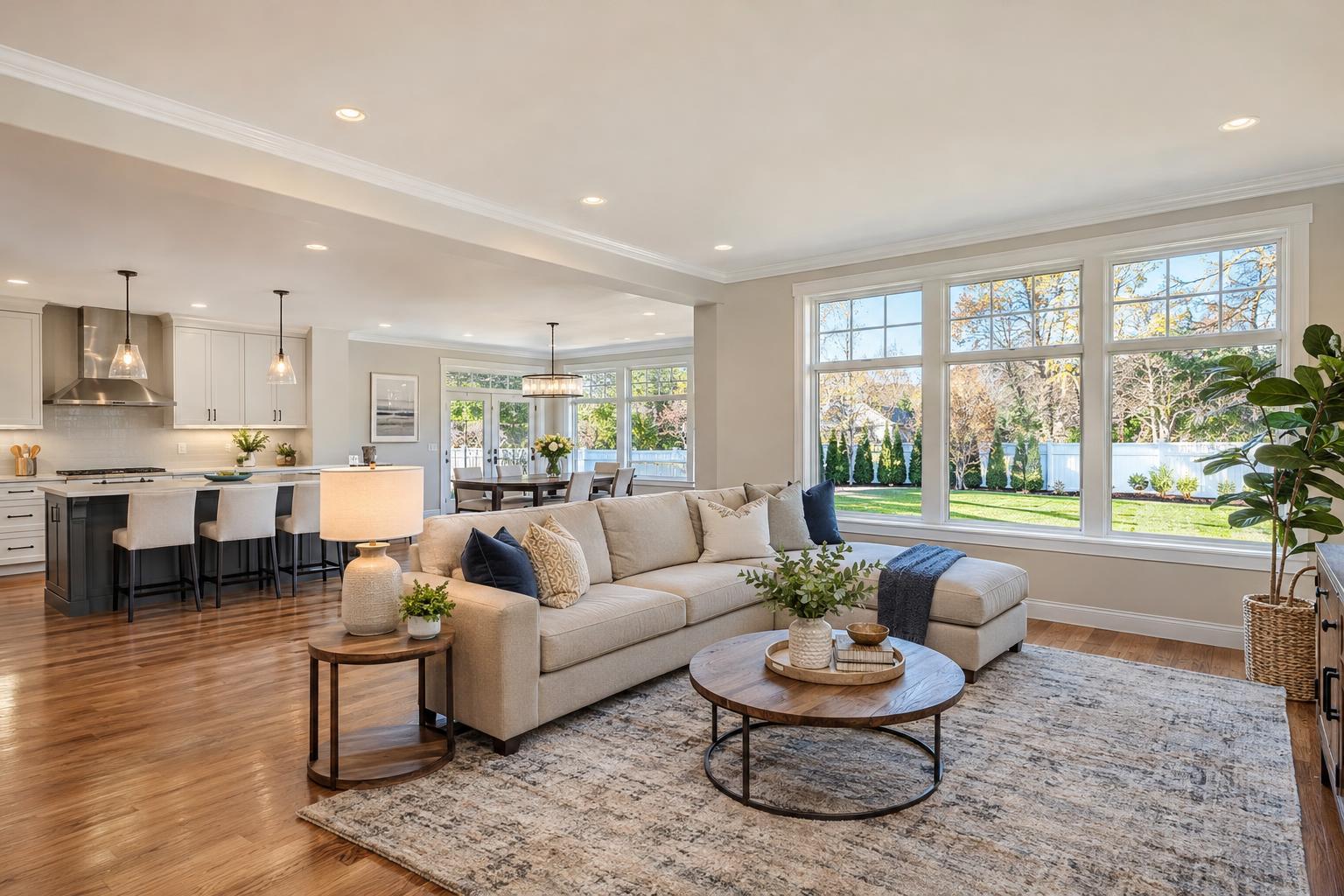
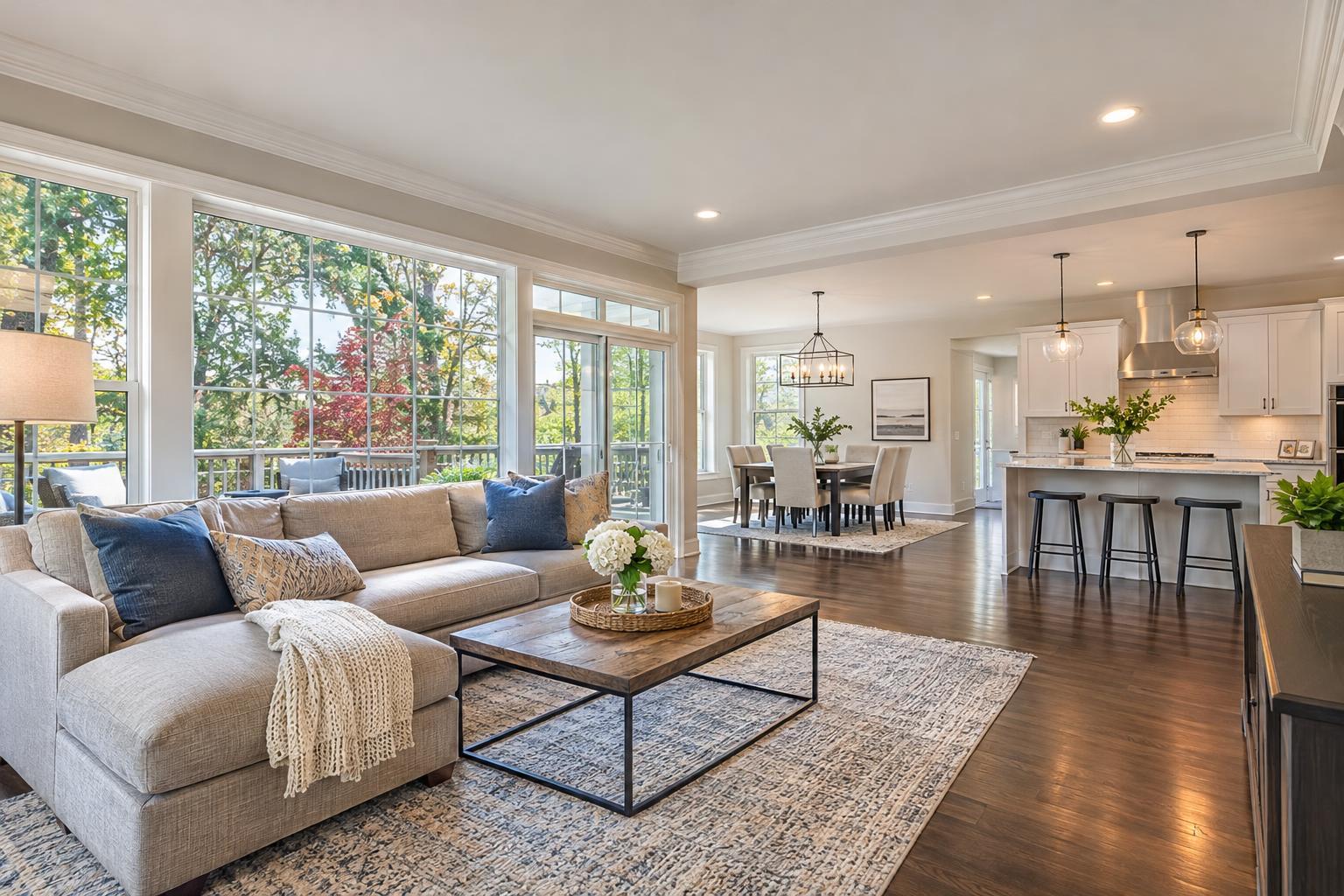
Real estate photography services capture the elegance of a spacious, well-lit living area with modern furnishings and large windows overlooking a vibrant outdoor view.

How to Choose Real Estate Photography Services for Your Next Listing
Choosing real estate photography services in NYC or New Jersey is more than a matter of finding someone with a camera. Whether you’re an agent, broker, or property owner, getting the right images is about helping buyers or renters understand exactly what makes your space worth seeing in person. Getting there takes a bit of homework, some smart questions, and a clear sense of what your property actually needs.
Focus on the Listing’s Story, Not Just a Photo Count
Before you start shopping by package or price, take a moment to think through what a viewer should know about your listing at a glance. Is it a studio in Murray Hill with big windows and built-ins? A Brooklyn brownstone where original pocket doors and staircases matter? Or perhaps a New Jersey home with a backyard and pool that need aerial context? Each property calls for its own approach.
Jot down the standout details:
- Character features like fireplaces, high ceilings, or a dramatic entryway
- Outdoor spaces, skyline or water views, terraces, or shared amenities
- Recent updates such as a modern kitchen or bathroom
- Unique layout features that might not be obvious from photos alone
- Potential challenges, like small bedrooms or busy tenant-occupied spaces
This list will help you decide if you only need listing photos, or if a floor plan, video, virtual tour, drone media, or virtual staging would give buyers a better sense of the property.
What Matters in Professional Property Photography
A proper listing shoot is about clarity, accuracy, and trust. The best real estate photographers go beyond “point and shoot.”
Telling the Story of Each Room
Strong photography helps buyers or renters see how each space fits together. Look for work that:
- Highlights a room’s focal point, not just its size
- Balances wide shots with detail images
- Maintains straight lines—so floors, walls, and furniture aren’t distorted
- Shows natural flow between spaces
Especially in compact NYC apartments, good angles can explain the layout. In larger homes, images should showcase relationships between indoor and outdoor spaces.
Managing Light and Color for Realism
Lighting changes fast in the city—some rooms bask in sunlight while others feel cave-like. A professional real estate photographer will balance interior brightness with window views so neither looks blown out or murky.
Ask to see portfolio samples from properties similar to yours. If your place is mostly shaded, images should still feel bright but honest.
Consistency Builds Confidence
It’s easy to highlight a dramatic kitchen or living area, but your galleries should show a steady look across all rooms. Off-color editing and wild contrasts from space to space can leave viewers wondering what’s real.
Review full listings, not just greatest hits, for editing consistency and attention to detail.
Reviewing Portfolios: Look for Experience With Properties Like Yours
“Amazing photos” are only part of the story. What you want is a real estate photography company in NYC or NJ that understands your type of listing. Manhattan co-ops, Hoboken condos, and suburban New Jersey homes each bring their own quirks—and it shows in the photos.
Ask yourself:
- Do small or difficult spaces still feel inviting, not stretched or awkward?
- Are dim rooms handled without turning everything blue or artificially bright?
- Do larger homes avoid “getting lost” in bland wide shots?
- Do occupied homes look clean and uncluttered, not rushed?
You’ll also get a sense of each company’s style. Some lean toward bright, crisp images; others prefer natural warmth and mood. Your listing should be portrayed honestly, so choose a style that makes sense for your specific property and marketing audience.
When Additional Media Makes Sense
Most listings start with photos, but some benefit from more context.
- Floor plans: Especially useful for quirky layouts, combination units, or multi-story homes. A good floor plan should be based on an on-site visit—not guesses or old PDFs.
- Video tours: These give a feeling for flow and scale, letting viewers “walk” the property without stepping inside. A real listing video is filmed in person, not just assembled from still photos.
- 3D tours: Matterport and similar services allow for room-by-room exploration at a buyer’s pace. They require on-site scanning—not just photos or blueprints.
- Drone media: Great for showing outdoor spaces, context, or rooflines. Not every property or address will be eligible due to FAA rules and practical access.
- Virtual staging: Only for empty rooms. If a space is furnished, it needs to be cleared (or have clutter professionally removed) before digital furniture is added.
Make sure any add-ons actually help your marketing goals, not just pad the delivery count.
Getting the Space Ready: Preparation Means Everything
No matter how good your photographer is, clutter, dirt, shadows, and distractions can undercut the results. For best results, make sure the property is shoot-ready:
- Clear countertops and surfaces
- Remove personal items and paperwork
- Put away cords, pet items, laundry, and cleaning tools
- Open blinds if possible, and replace any dead light bulbs
- Move vehicles, trash bins, and hoses out of exterior shots
- Be sure every room, yard, amenity, or floor is unlocked and accessible during the appointment
If the property is vacant, basic cleaning and confirming the lights are on are still crucial. Dust, wires, or unfinished work pop out quickly in empty rooms.
Communicate Clearly About Process and Expectations
Transparent, up-front conversation makes for a smooth photo shoot and easy delivery. Before confirming your appointment, consider asking:
- How many images are included, and what’s the cost for extras?
- How much time is expected on site?
- What’s the turnaround time for edited photos (and other media, if ordered)?
- Are options available for edits like clutter removal or virtual twilight?
- What happens if the property isn’t ready, or if access issues come up?
- Is drone work possible for this address?
- Are all prices, add-ons, and extra-time fees explained clearly before booking?
When comparing, remember: the cheapest option might not offer the coverage, editing, or communication your listing really needs.
Turnaround should also be discussed at booking, not assumed—especially for listings with tight timelines.
Local Logistics: Know the NYC and NJ Landscape
New York City and New Jersey present their own access challenges. Building policies can require insurance, elevator reservations, or doorman coordination. Brownstones and multi-family homes might mean wrangling multiple floors or tenants. Larger New Jersey homes sometimes involve a lot of ground to cover (yard, pool, basement, garage), all of which takes time and planning.
Share these details with your real estate media provider. The smoother the access plan, the more time the photographer has to focus on capturing great images—not waiting in the lobby.
RealtaSnap: Practical Real Estate Photography for NYC and New Jersey
For anyone in the region looking for solid, professional listing media, RealtaSnap makes the process approachable. Clients can pick photo shoots by image count, add floor plans, 3D tours, video, drone, and virtual staging only as appropriate, and schedule online by address and with clear, up-to-date pricing.
Appointments can be booked directly through RealtaSnap’s real estate photography booking page or for New Jersey listings at RealtaSnap Real Estate Photography NJ. The service is designed specifically for the New York City and New Jersey market—familiar with everything from walk-up apartments and luxury condos to single-family homes and townhouses.
Book With a Plan, Not Just an Address
A little prep goes a long way. By knowing what matters about your property, prepping the space, communicating your needs, and reviewing provider portfolios and options, you’ll set up your next photo shoot for success.
To explore options or book your next listing shoot, visit www.RealtaSnap.com.
FAQ
Question: How many photos do I really need for my listing?
Answer: The size and type of property will guide your photo count—a compact NYC apartment might only need a dozen strong images, while a large multi-level home with outdoor features could benefit from more. Focus on clear, distinct images of each important space, and avoid near-duplicate shots.
Question: What's the difference between a floor plan and a 3D tour?
Answer: A floor plan shows the property’s layout in one diagram, making spatial relationships and measurements clear. A 3D tour lets viewers explore the property virtually, moving from room to room online. Both require on-site capture and can help buyers understand layout, but each serves a different viewing preference.
Question: Can I use virtual staging if the room still has some furniture?
Answer: Virtual staging through RealtaSnap is designed for empty rooms only. If furniture remains, it needs to be physically removed or you’ll need to arrange for professional clutter removal before virtual staging can be applied, to ensure the final result looks natural and clean.