What to Look for in a Real Estate Video Tour for Your Listing
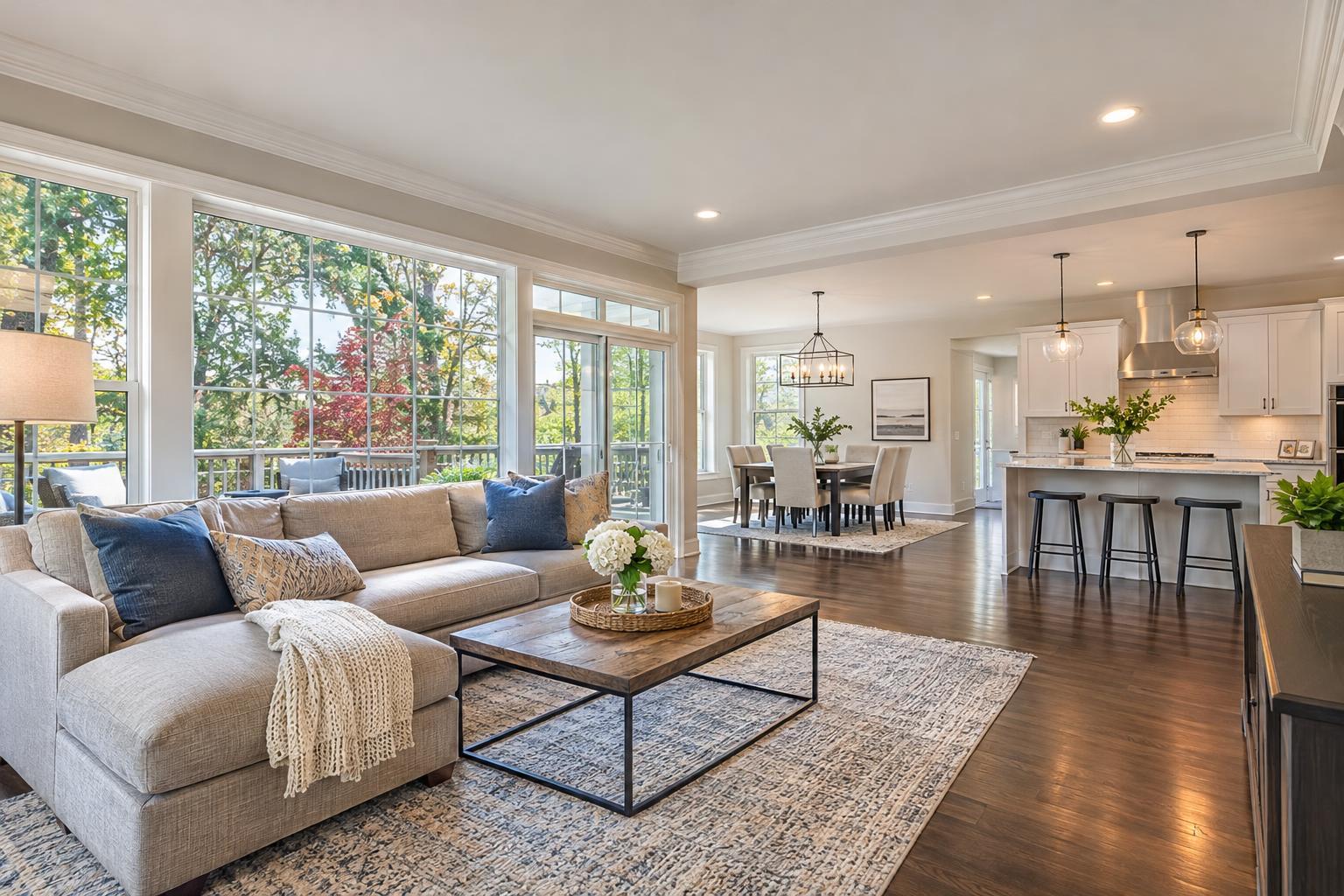
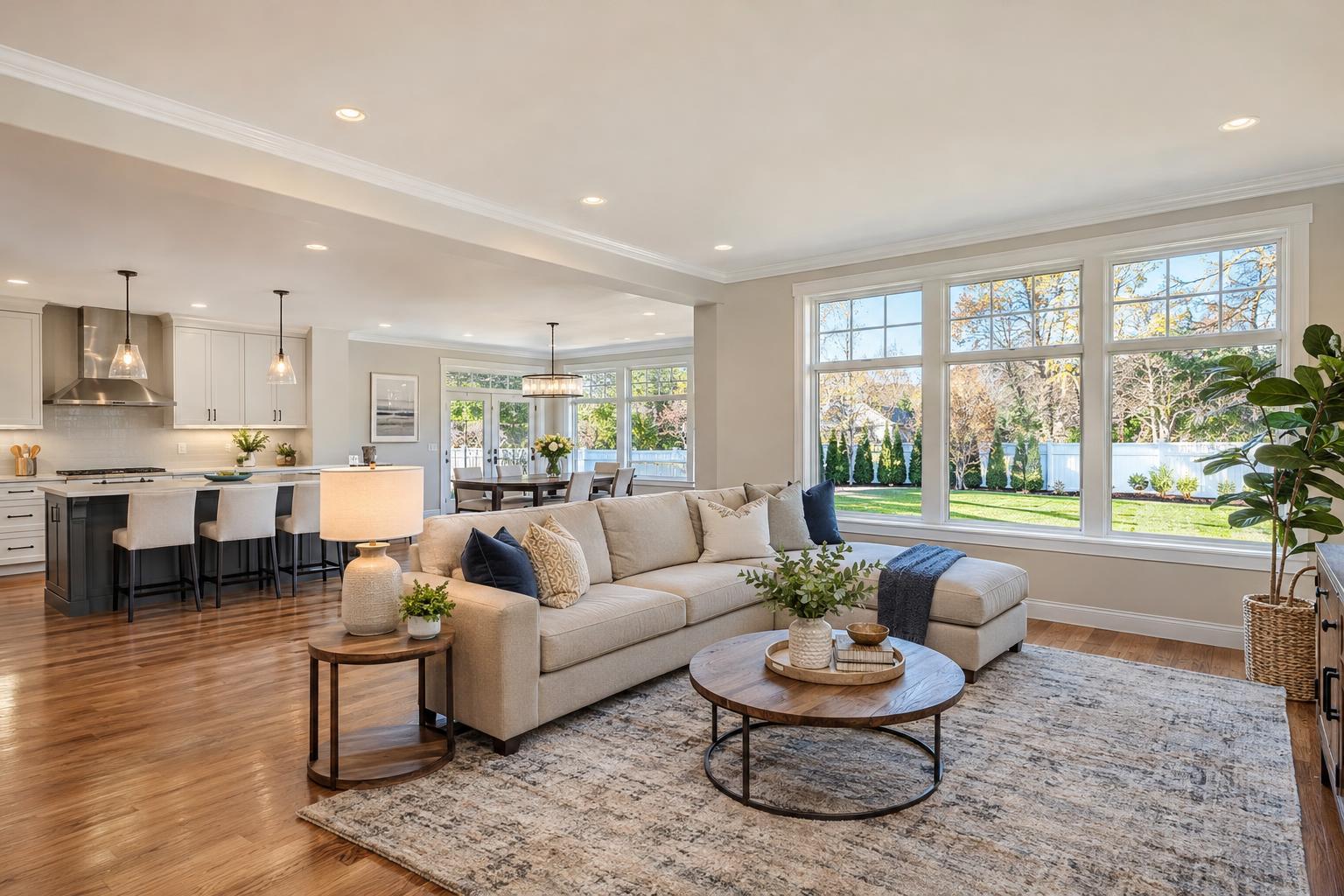
A spacious open-concept living area with elegant decor and large windows overlooking a lush backyard is highlighted in the real estate video tour.

What to Look for in a Real Estate Video Tour for Your Listing
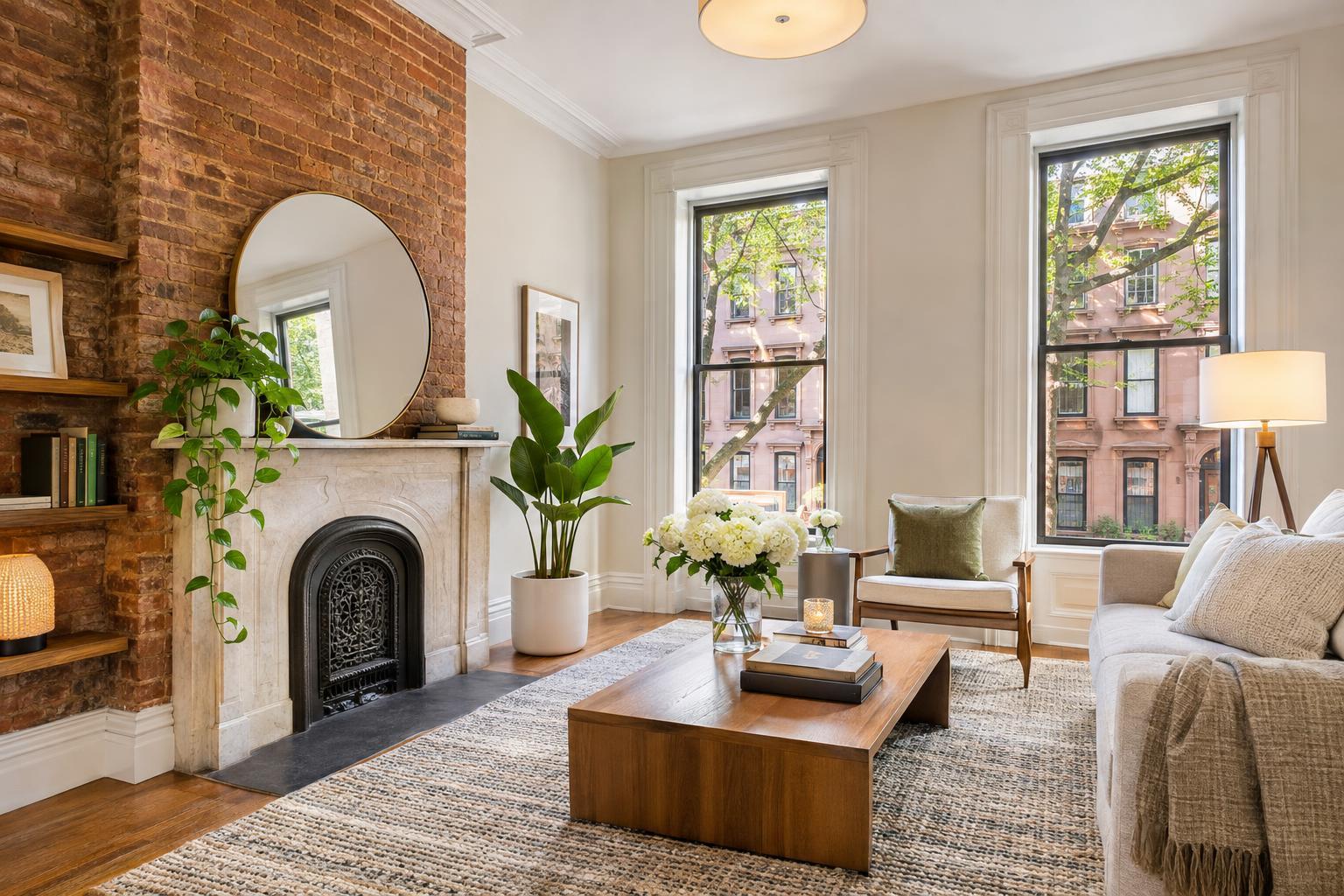
A real estate video tour can do much more than string together a few pretty room shots—it can help viewers actually experience the feeling of moving through a property, provide context beyond static images, and create a cohesive story that simply isn’t possible with photos alone. Whether you’re marketing a compact Manhattan apartment, a Brooklyn brownstone, or a sprawling New Jersey home, thoughtfully produced video introduces potential buyers to the heart and character of a listing.
Let’s break down what sets a high-quality property walkthrough video apart, how it differs from slideshows or 3D tours, what to expect from the process, and how to get the most out of your investment.
Why Choose Video for Your Listing?
Photos remain a must for any listing—they capture features, finishes, and memorable details. But when you want to give viewers a real sense of layout, flow, and atmosphere, video becomes invaluable. A great video tour guides the audience from arrival all the way to that show-stopping view or inviting backyard, making it clear how living spaces relate to each other and offering an emotional introduction to the property.
This is especially helpful for unique layouts (think cleverly designed urban apartments) or larger homes, where understanding how the kitchen, living spaces, and outdoor areas connect makes all the difference.
What Makes a Video Tour Effective?
A property video shouldn’t try to cram in every nook and cranny. Instead, it should deliver an engaging, logical route that highlights what matters most.
Look for real estate videography that:
- Starts with a clear establishing shot of the property or entry
- Progresses smoothly through the home in a logical order
- Pauses long enough for important features to stand out
- Illustrates the connections between indoor and outdoor spaces
- Showcases signature elements without dragging on
- Uses steady, natural movement that feels immersive rather than rushed
- Balances color, light, and editing to keep the presentation clean and inviting
For smaller listings, that tour might cover an efficient path—entry, main living space, kitchen, bedroom, and a signature view. Larger properties may require establishing the exterior, guiding viewers through key rooms, and saving the best features for last.
Video vs. Slideshows vs. 3D Tours
In the world of real estate marketing, “virtual tour” is a catch-all term. But not all formats serve the same purpose—or audience.
Walkthrough Video
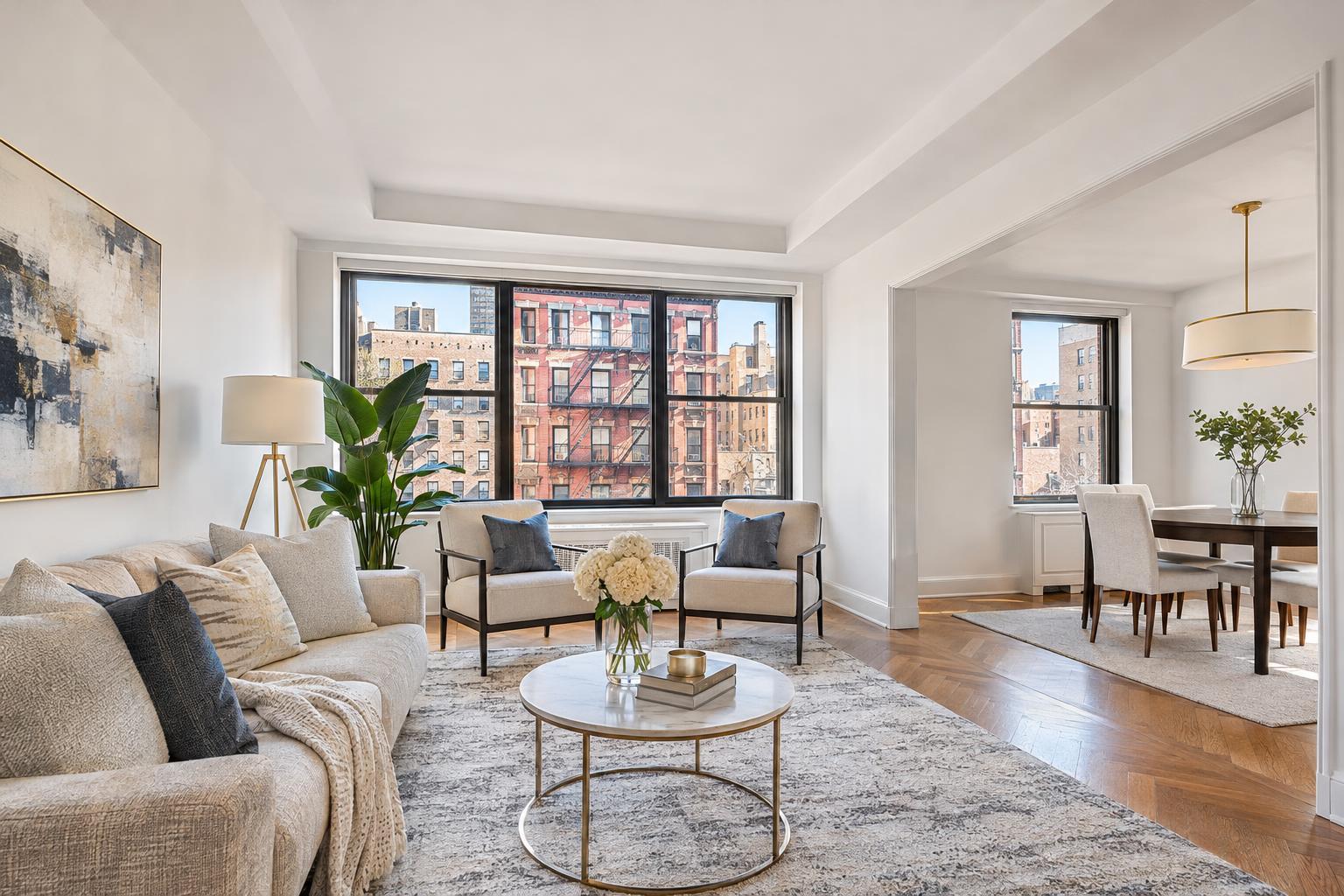
Captured on-site, a walkthrough video has the power to convey how a property feels in motion. It naturally unfolds a space, letting viewers understand transitions, scale, and atmosphere. Done well, it can make the arrival up a storied Brooklyn stoop or the opening into a sunlit Manhattan living room feel immediate and memorable.
A key detail: RealtaSnap does not create slideshow-style videos from photos—true property walkthroughs require on-site video capture to achieve a sense of natural movement.
Slideshows
Slideshows are usually fast-paced collections of listing images, often set to music. While they work well for social media or as a quick highlights reel, slideshows can never substitute for on-site video. They don’t show transitions, distances, or the unique way spaces connect.
Interactive 3D Tours
3D tours (like Matterport) put exploration in the viewer’s hands. They can “walk” a property at their own pace, dropping in on any room in any order. For remote buyers or complex floor plans, this is a valuable tool. But it’s fundamentally different than video—one offers self-directed exploration, the other is a guided narrative led by the camera.
Often, the most effective listings layer formats: on-site video for story and flow, photos for impact, 3D tours for flexibility, and floor plans for spatial clarity. Your choice should reflect your target buyer, the property’s best features, and the kind of experience you want to deliver.
Laying the Groundwork: Planning the Video Route
Effective real estate videography doesn’t “wing it.” Before filming begins, it helps to map out a journey through the home that will make sense to a first-time viewer. Ask yourself:
- What features or views should come first?
- Where should the route start—at the curb, the lobby, or inside the main entry?
- Are there special amenities, rooftop spaces, or outdoor areas to prioritize?
- Are any features better left as surprises (think dramatic skyline windows)?
For a compact Manhattan apartment, the whole tour may last under a minute, focusing on efficiency and sequence: from arrival, to main living space, to the highlight view. In contrast, a Brooklyn townhouse might require moving floor-by-floor, capturing how formal rooms, staircases, and the garden level all work together to define the property.
Prepping Your Property for Video
While similar to photo prep, preparing for video requires a little extra attention. The moving camera catches details that still images might politely ignore—open cabinets, stray cords, uneven curtains, lingering clutter. Before your shoot:
- Clear off countertops and surfaces
- Tidy up or remove personal items
- Turn on helpful lights and open blinds to show off views
- Check ceiling fans for consistent movement (or turn them off)
- Straighten, fluff, or adjust pillows, rugs, and bedding
- Make sure any outdoor spaces or amenities are ready to be filmed
Video generally shows the property as it exists during the shoot—unlike still photography, which can benefit from virtual staging for unfurnished rooms.
Professional Production: What Sets Great Footage Apart?
A polished property video isn’t just about smooth shots. The intention behind every pan, cut, and transition shapes the final experience. Smart production choices do justice to both wide-open spaces and smaller rooms. Proper exposure ensures bright windows or beautiful nighttime views aren’t wasted; straight camera lines keep rooms looking honest and inviting, not artificially stretched.
Editing is just as important as filming. The right pace and music direct attention toward what matters. Good editing avoids repetitive content and keeps the video concise, clear, and watchable.
When Drone Video Adds Context
Aerial footage can be a powerful storytelling tool—when the property calls for it and when a flight is possible. Drone video is best used to provide a unique sense of setting: a large New Jersey home’s impressive yard, a waterfront property’s proximity to open water, or a rooftop’s relationship to its city surroundings.
In NYC, drones are subject to strict limitations based on airspace, weather, safety, and access. For some listings, drone work may not be feasible, but where possible and allowed, it can add a striking layer to your marketing materials.
Choosing the Right Scope for Your Listing
Not every home needs a feature-length production. The best marketing caters to the property and likely buyers. For a straightforward condo, a short, well-paced walkthrough highlighting key spaces is often enough. Listings with more to show—lobbies, amenities, stunning neighborhoods—benefit from broader coverage.
RealtaSnap offers two main video tiers: a Standard walkthrough (about one minute, with clean graphics and agent branding) and a Premium video (up to 90 seconds, with advanced motion graphics, animation, and neighborhood context where appropriate). Social media-friendly vertical or square video cuts are also available.
For more information about available packages, you can explore RealtaSnap’s real estate videography services.
Setting Your Shoot Up for Success
Well-organized planning is key to a smooth shoot. Make a short list of what must be shown (killer views, recently renovated spaces, unique layouts), what’s helpful context (lobby, street, yard, parking), and what’s optional (neighborhood scenes, drone, or interview shots).
Sharing practical instructions with your video team before filming—access needs, elevator or gate codes, scheduling considerations—helps avoid surprises and keeps the shoot on track.
Think of each video as an introduction, not a documentation of every square inch. Prioritizing clarity, story, and features that set the listing apart ultimately results in a stronger marketing asset.
Bring Out the Best in Your Listing
A real estate video tour should tell a story that can’t be captured in stills alone—helping buyers or renters imagine themselves in the property and making it easy to recognize why the home is worth a visit. Whether it’s a skyline view that brightens every morning or a backyard oasis perfect for summer evenings, thoughtful video production can bring those selling points sharply into focus.
If you’re preparing for an upcoming listing and think video could help, take a look at RealtaSnap’s local options for on-site property video in New York City and New Jersey at www.RealtaSnap.com.
FAQ
Question: How long is the ideal real estate video tour?
Answer: It varies depending on property size and features. For most NYC condos or apartments, a concise video under 90 seconds is usually plenty. Larger homes or those with extensive amenities might call for a bit more time, but the goal is always to showcase flow and highlights without unnecessary repetition.
Question: Is it worth doing both a walkthrough video and a 3D virtual tour?
Answer: For many listings, especially when buyers may visit from a distance or the layout is complex, using both can be helpful. Video offers a guided, visually rich experience, while 3D tours allow interactive exploration. Consider your audience and what will help them best understand the space.
Question: Can drone video be included in my NYC or New Jersey listing?
Answer: Drone footage can provide valuable context for properties with notable exteriors or views, but flights are subject to local airspace restrictions, weather, safety, and access. Feasibility is determined case by case. When possible, aerial video can add unique impact to your marketing materials.
We’d be happy to help you plan your next property video—visit www.RealtaSnap.com for details, availability, and online scheduling.