How to Choose a Real Estate Photography Company in NYC
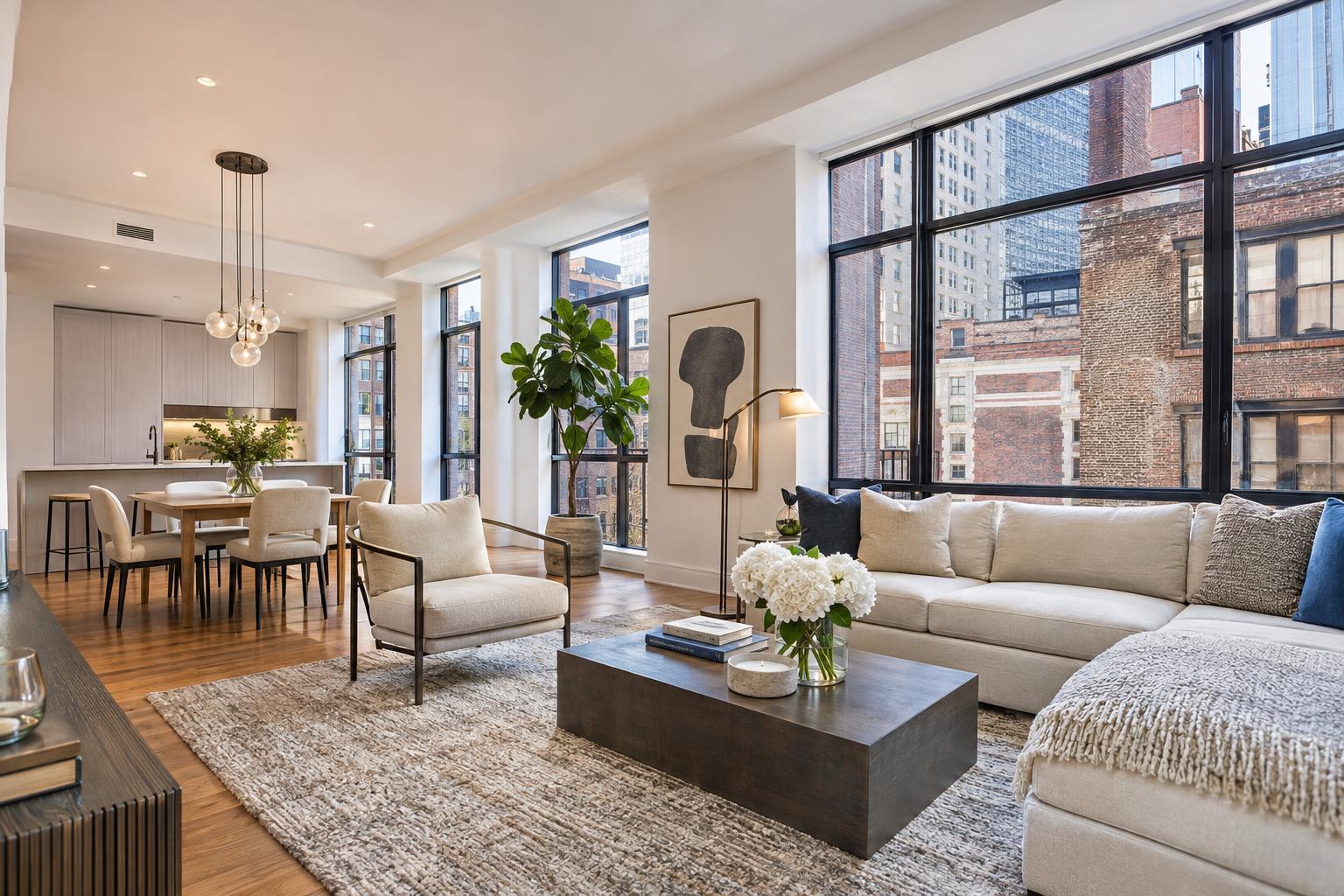
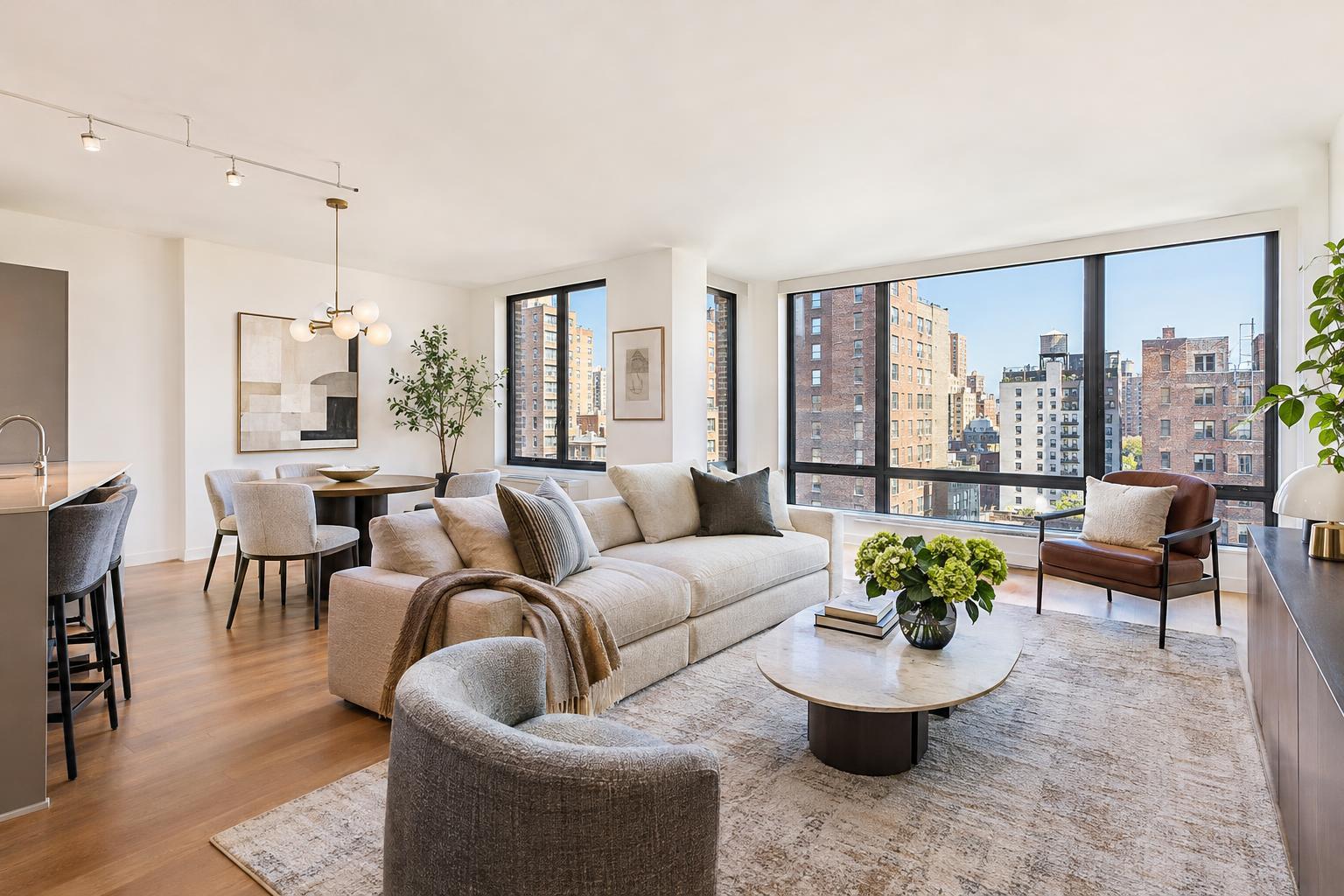
The real estate photography company NYC captures a bright, modern living and dining area with sleek furnishings and expansive city views through large windows.

How to Choose a Real Estate Photography Company in NYC
When selecting a real estate photography company in NYC, it’s easy to get lost among endless websites, portfolios, and price points. But for agents, brokers, property managers, and owners, the right fit has less to do with chasing bargains and more to do with finding a true visual partner for your listing—one who understands the realities and quirks of New York properties.
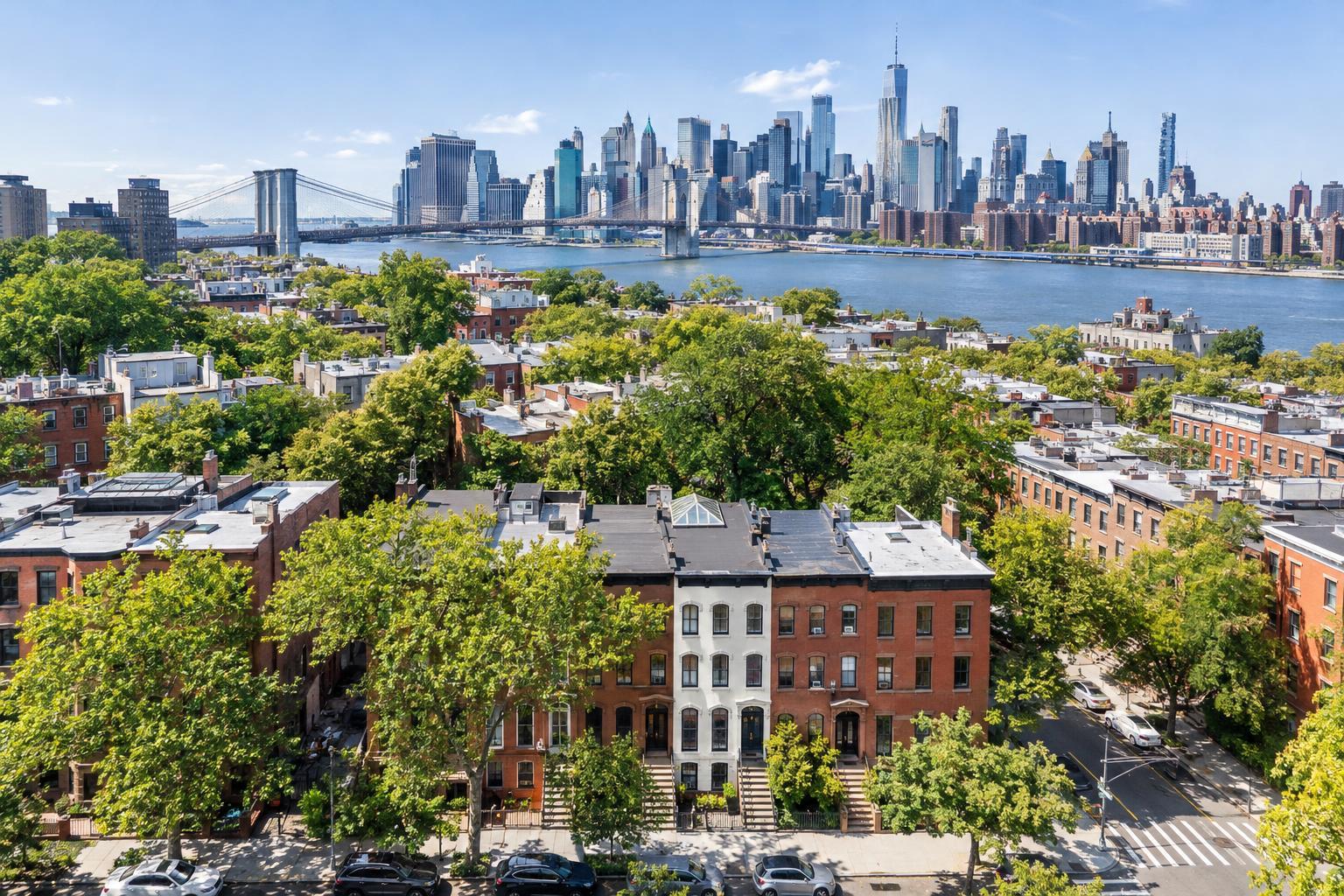
Partnering with the right NYC real estate media provider can reduce headaches and ensure your property is presented accurately and attractively from Manhattan high-rises and Brooklyn brownstones to Queens condos, Bronx multifamily buildings, and Staten Island homes. Here’s what matters when narrowing your search.
Focus on Your Property’s Needs First
Not every property in New York should be photographed the same way. Before comparing real estate photography services in NYC, think about what you want potential buyers or renters to notice about your space. A clear set of priorities leads to more meaningful results—and allows you to communicate your must-haves to any media provider.
For instance:
- A compact one-bedroom needs framing that’s honest about the size without making the layout look weirdly spacious or cramped.
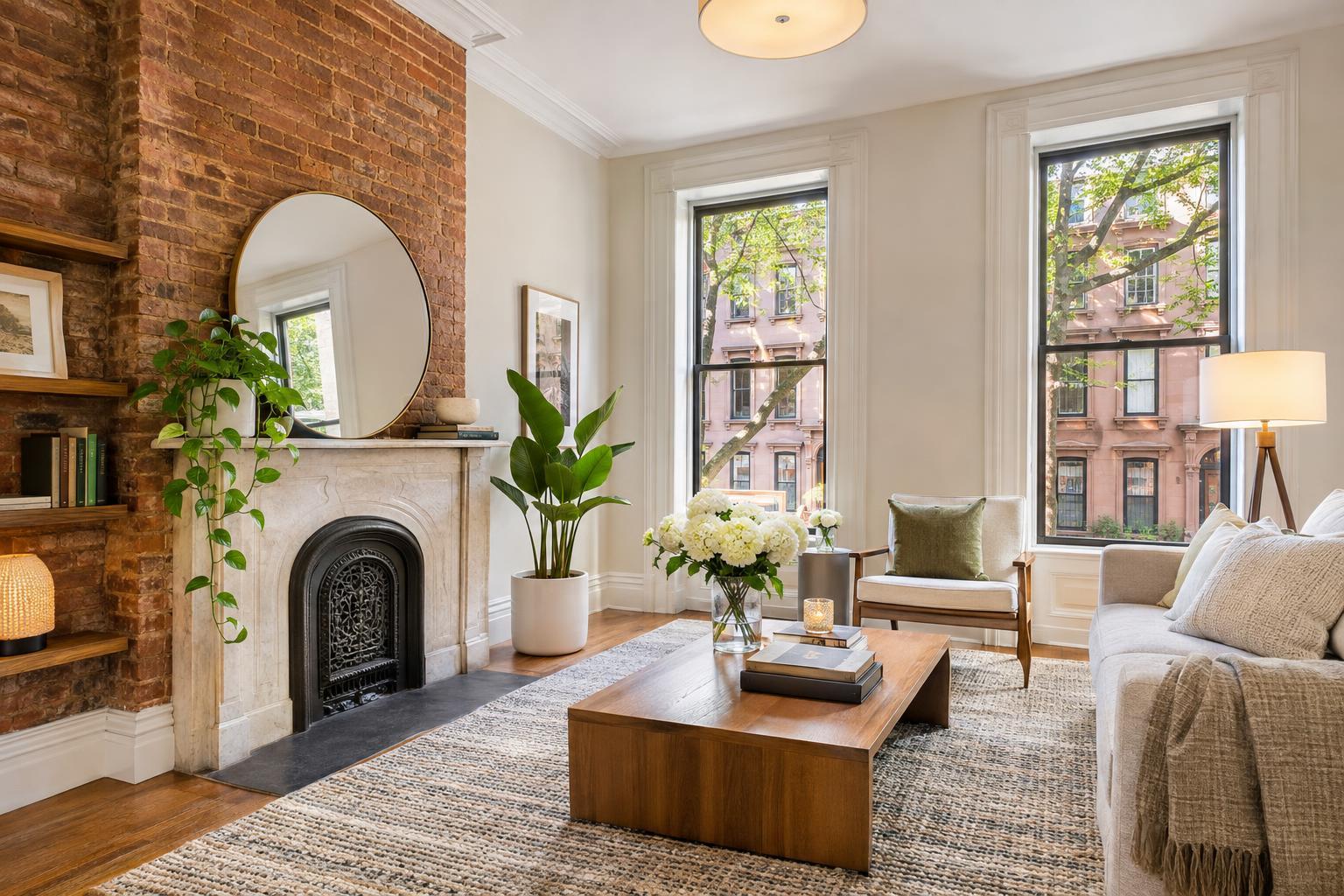
- A pre-war walkup with original millwork and fireplaces deserves careful images that highlight those historic touches.
- A luxury condo may need polished images of finishes, views, amenities, and outdoor space.
- A multilevel brownstone often benefits from a sequence of shots that reveal how rooms connect, not just show separate spaces.
Good providers won’t just drop you into a generic package based on square footage alone. Instead, they’ll ask about your goals for the listing, the audience you’re targeting, and how the visuals will be used (from MLS and listing portals to social media or custom property websites).
What to Look For in a Portfolio
A glossy homepage image doesn’t always reflect day-to-day results. Instead of just glancing at a highlight reel, dive into the provider’s full portfolio. Here’s how to evaluate whether their work is right for you:
Consistent Quality, Not Just Showpieces
Do ordinary listings—busy kitchens, awkward bedrooms, dark hallways—look as good as the brightest, most stylized spaces? The ability to handle less-than-perfect conditions, not just penthouses, reveals true skill.
Logical Compositions and Helpful Angles
Photos should guide viewers through the space logically. Look for a natural rhythm: entry shots, living spaces, bedrooms, bathrooms, amenities, and exteriors. Wide angles can be helpful, but excessive distortion can make rooms feel unrealistic.
Balanced Lighting and Honest Editing
New York interiors often face tricky lighting: deep window wells, shaded rooms, or harsh midday glare. Ideally, photos balance outdoor views with readable indoor details. Watch for editing habits that skew every room blue, orange, overly bright, or washed out. Accurate colors and lighting go further than digital tricks.
Straight Lines and Unwarped Perspectives
Leaning door frames or warped furniture at image edges distract from the property itself. Well-composed images respect architectural lines—especially in homes with details like tall windows, built-in cabinetry, or exposed brick.
Why Local Experience Matters in NYC
Photographing real estate in NYC isn’t just about cameras and editing software. Local logistics can be uniquely challenging and require serious know-how: building access rules, elevator waits, doorman instructions, parking limitations, tenant schedules, and narrow shoot windows are all part of the game.
A real estate photography company with NYC experience will know:
- How to work with building staff, lockboxes, and agent handoffs
- The quirks of elevator reservations or loading docks
- Scheduling around tenants, pets, or ongoing renovation projects
- The best time for daylight in various exposures
- When roof, amenity, or backyard access will actually be feasible
Ask how each provider handles these details before booking. A smooth process up front reduces confusion when shoot day arrives.
Planning and Preparing: Getting the Most from Your Session
Even the best photographer can’t compensate for a messy or unready space. Most established real estate photography services in NYC will give you a prep list—follow it! To give yourself the best chance at clean, inviting photos:
- Switch on all interior lights and replace any obvious burnt-out bulbs
- Clear visible clutter from counters, tables, and bedside stands
- Hide bins, cleaning supplies, and cords
- Open window treatments for light and views (unless privacy is essential)
- Make beds and organize pillows, towels, and rugs
- Move cars from driveways or block fronts for exterior shots
- Remove sensitive documents or personal items
- Share access notes or any features that deserve priority coverage
Preparation means letting the property’s best angles shine rather than covering up reality or manufacturing something that isn’t there.
Clarifying the Workflow
Great photos are important, but so is how you get them. Before committing, ask about the provider’s workflow from booking through delivery. Useful topics:
- How to select the number of photos and add-ons
- Communicating special entry instructions or shoot priorities
- Typical scheduling lead times and rescheduling policies
- What happens if the property isn’t ready at shoot time
- Room for revision requests or additional edits
- File formats, delivery expectations, and turnaround
RealtaSnap, for instance, keeps things simple with online booking—just plug in the property address and your details, customize your order, and pick a time slot. This approach helps agents and managers set expectations and avoid last-minute confusion. You can explore available options through RealtaSnap’s online scheduling portal.
When Does It Make Sense to Add Floor Plans, Video, or Virtual Tours?
Good real estate photography remains the foundation of effective property marketing. But sometimes, it’s worth supplementing with other media—especially for larger, high-value, or complex properties. Consider these add-ons when they genuinely serve your listing:
- Floor Plans: Essential when spatial flow, level changes, or unique layouts are selling points. Floor plans with RealtaSnap are created on-site, never from outdated PDFs or speculative plans.
- Video: Useful for showing movement, transitions, or a property’s ambiance. True property videos are filmed on location—photo slideshows aren’t a substitute.
- 3D Virtual Tours: Enable remote exploration, ideal for buyers relocating or evaluating from afar. Like floor plans, these virtual experiences require on-site capture.
- Drone Content: Great for lots with outdoor amenities, distinctive facades, or water/adjoining context. Drone work in New York City is evaluated by address for safety, airspace, and feasibility—the company can advise during booking.
- Virtual Staging: Makes vacant rooms look livable and helps prospective buyers envision possibilities. For best results, rooms should be empty; if existing furniture or clutter is present, clutter removal is needed first.
Value Beyond Price
While it’s tempting to select a real estate photography company in NYC based on the cheapest quote, what you get for that price matters more than the bill itself. Consider:
- What’s included (number and types of images, coverage of amenities or exterior)
- Editing and image consistency
- Booking convenience and responsiveness
- Options to add floor plans, true video, virtual tours, drone, or virtual staging
- Policies for reshoots, changes, or additional requests
- Experience with your property type and neighborhood
A more expensive but attentive provider often leads to a better result, less stress, and a smoother process overall.
The Right Real Estate Media Partner for NYC Listings
A practical photography partner in NYC should make your job easier—communicating clearly, working around building quirks, helping your listing make a strong first impression, and offering guidance on what media will actually add value. Whether you’re listing a small studio or a multi-family building with shared roofs and complex access, a seasoned local team will know how to handle the details.
RealtaSnap provides professional listing-focused media for properties across New York City and New Jersey, offering photography, video, floor plans, 3D tours, drone, and virtual staging only where it truly benefits the property. To find out more or book your upcoming listing, visit www.RealtaSnap.com.
FAQ
Question: How soon should I book real estate photography in NYC?
Answer: Once the property is ready and you’ve confirmed access details, you can schedule a shoot. With RealtaSnap, bookings can be made online—appointments are available with as little as 24 hours’ notice if there’s an opening on the calendar. For doorman buildings, tenant-occupied properties, or complex listings with multiple services, earlier planning is recommended.
Question: Should I base my choice on the number of photos included?
Answer: Photo count is part of the equation, but it’s only meaningful alongside coverage style and property needs. It’s usually better to have a thoughtful sequence that covers key spaces and features than an oversized gallery of similar shots.
Question: Can a floor plan or 3D tour be created from old photos or building plans?
Answer: Not accurately. Floor plans and 3D virtual tours require on-site capture so they match what actually exists at the property. Archival photos or outdated plans are helpful as references but can’t replace a physical scan.
Ready to present your listing with professional local media? Browse services and schedule your appointment at www.RealtaSnap.com.