What to Look for in Luxury Real Estate Photography
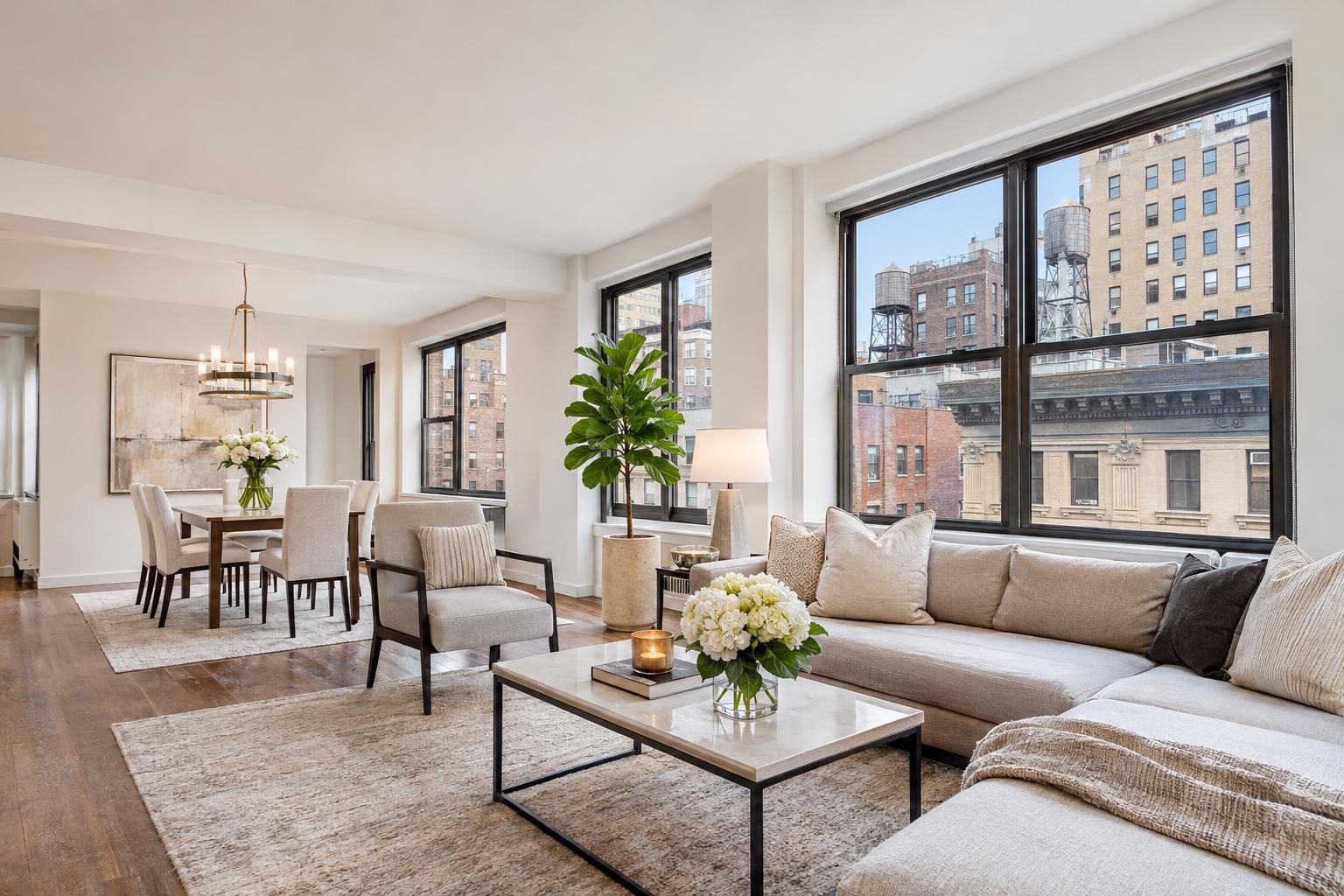
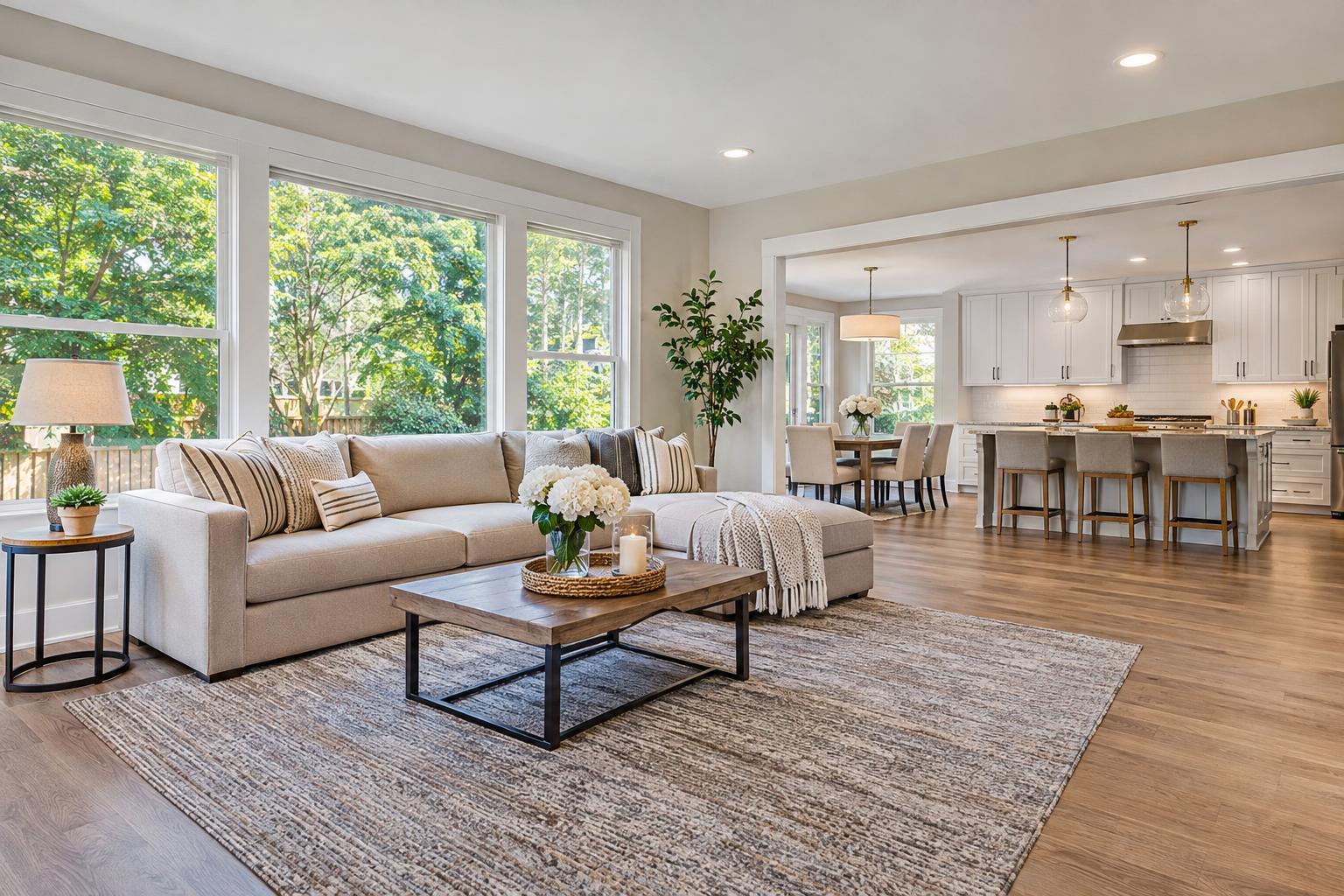
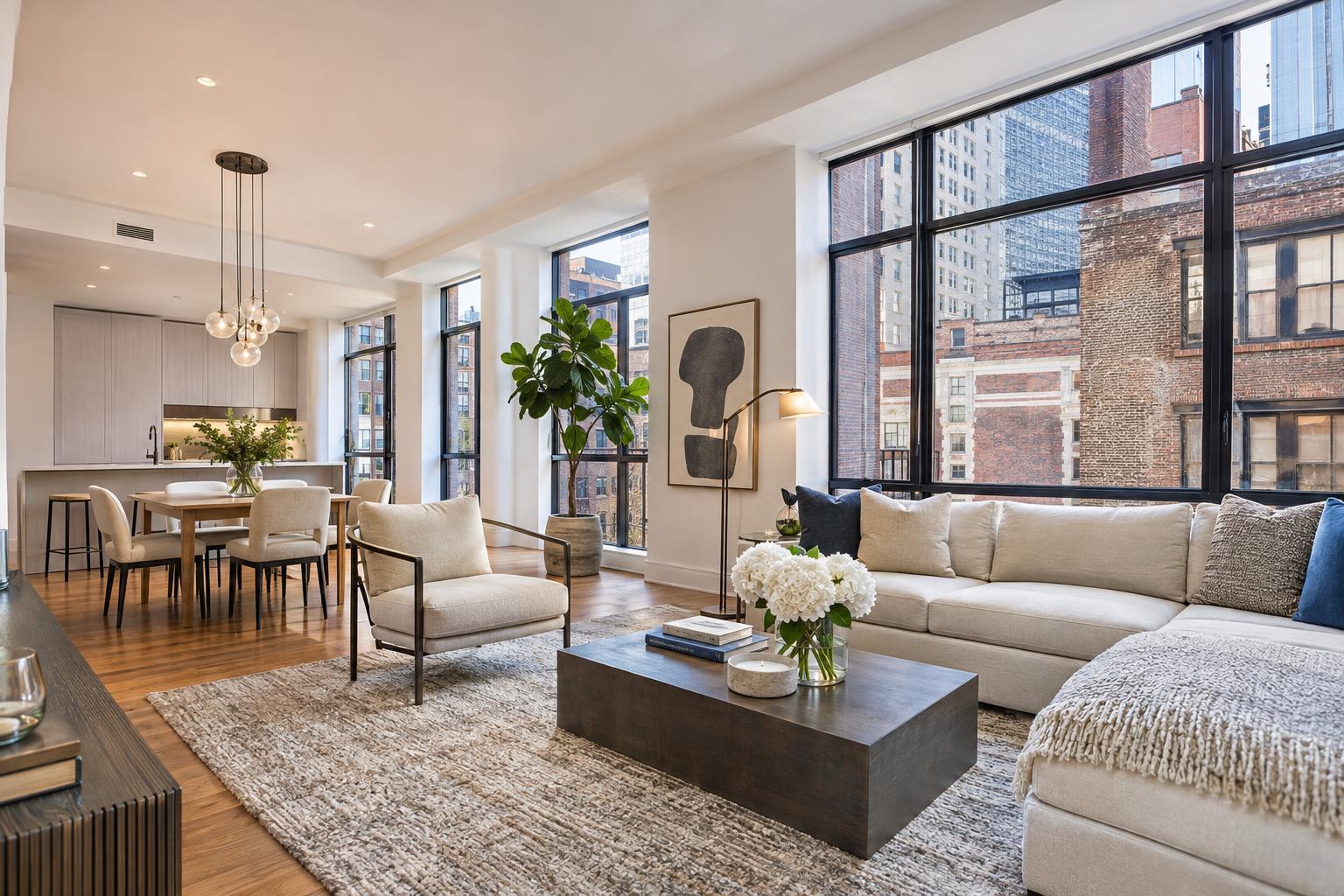
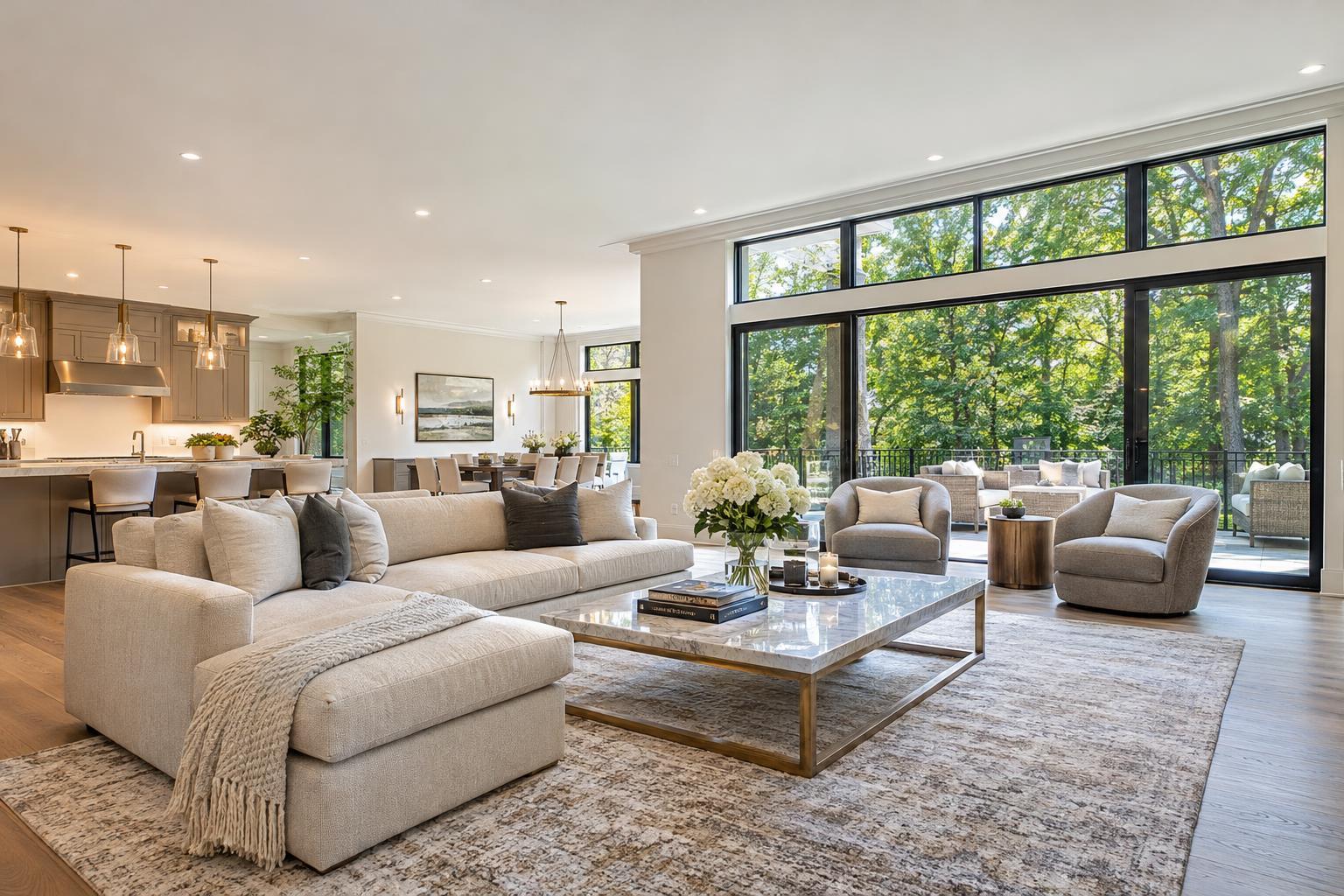
Luxury real estate photography captures an elegant open-concept living space with modern furnishings and large windows overlooking a lush outdoor area.

What to Look for in Luxury Real Estate Photography
Luxury real estate photography in New York City or New Jersey isn’t just about shooting bright, wide images of impressive spaces. For agents, brokers, and developers working in the high-end market, photography is about clearly communicating the special qualities that make a property genuinely valuable: think architecture, materials, light, craftsmanship, and how everything feels as you walk from room to room.
A polished photo might catch the eye, but for a premium listing, the real test is whether the images reflect the care and investment that went into the space itself.
Beyond Pretty Pictures: The Role of Real Estate Photography
High-end real estate photography should do more than decorate your listing. Good photos help a potential buyer grasp the “story” of a property even before setting foot inside. That means revealing how rooms flow, highlighting where light enters, and focusing attention on the custom touches, landmark views, or historical details that set a home apart.
What does this look like for different kinds of luxury listings in NYC and NJ?
- A Manhattan apartment may demand attention to skyline panoramas or iconic park views.
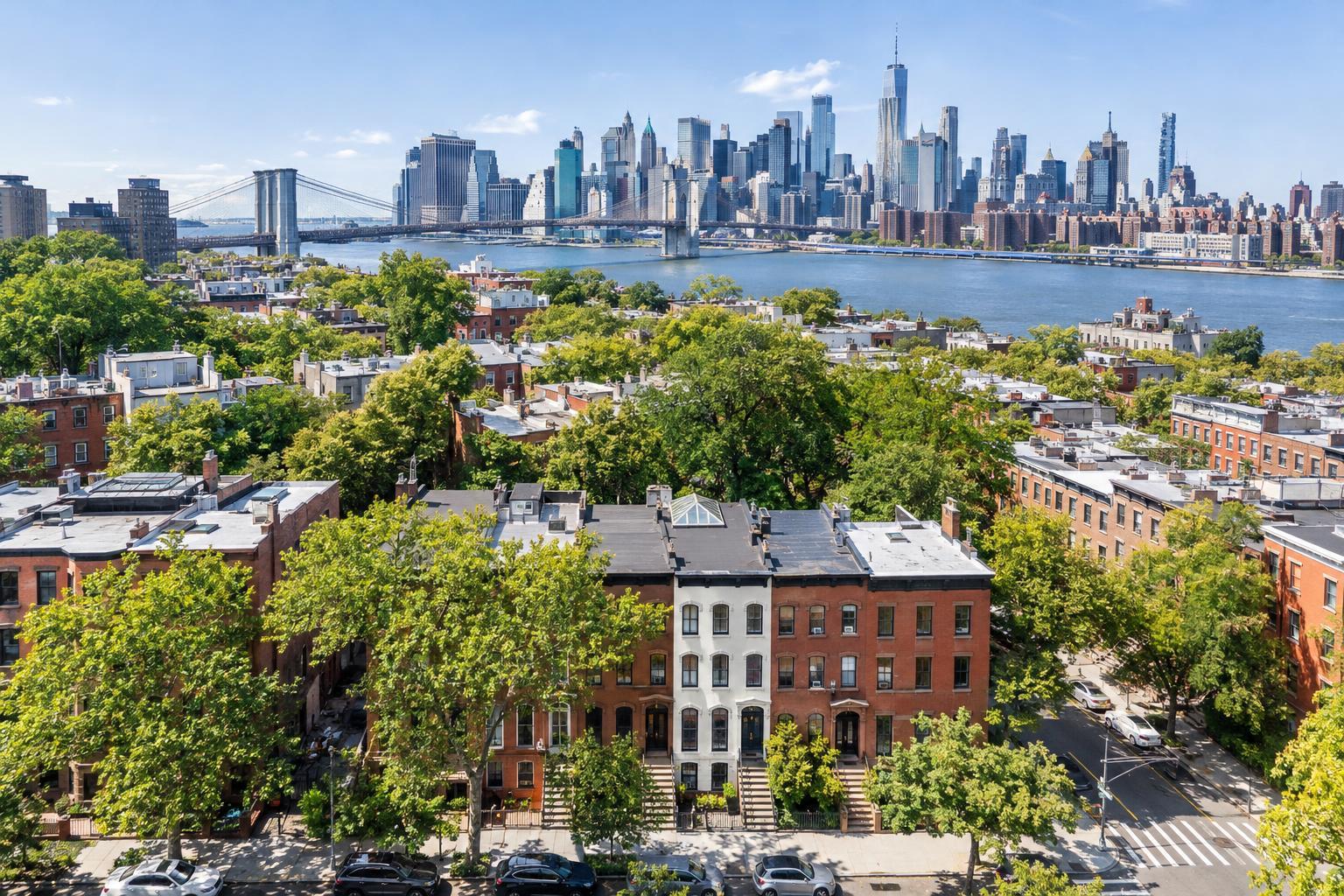
- Brownstones in Brooklyn aren’t just about square footage—the camera should linger on original millwork, soaring ceilings, or lovingly restored stairs.
- New developments often stand out thanks to their architectural clarity, designer kitchens, and seamless indoor-outdoor transitions.
- For larger homes in New Jersey, the visual narrative might connect exterior shots, inviting entries, and a series of connected living and entertaining spaces.
No matter the property, a good photo gallery doesn’t just tick every box room by room. It should guide the viewer, building a sense of place from the moment they start scrolling.
Thoughtful Composition Brings Out the Best Features
In premium property photography, wide-angle lenses are common but using them indiscriminately can backfire. Images that are too wide can stretch rooms awkwardly and distort reality, leaving viewers with an impression that doesn’t match what they’ll see in person. The best photographers use perspective to serve the layout, not obscure it.
Look for:
- Vertical lines that stay straight—door frames, cabinetry, windows.
- Compositions that prioritize a focal point, whether that’s a fireplace, skyline, or dramatic staircase.
- Wide shots to establish a room, but also tighter frames to capture detail and craftsmanship.
- Camera positions that make sense—sometimes the best angle isn’t the predictable corner shot.
- A clear sense of spatial flow, including hallways or transitions between rooms, when they help buyers understand the layout.
A well-composed set of images feels balanced and intentional. Each photo has a reason for being in the sequence.
Smart Lighting Tells the Full Story
Lighting can make or break a luxury real estate gallery. It’s tempting to favor ultra-bright interiors, but the goal isn’t just brightness. You want even, natural illumination that preserves depth, texture, and the play between indoors and outdoors.
Truly high-end listings—corner apartments, spaces with floor-to-ceiling glass, homes boasting sunset terraces—require careful work to balance interior light with what’s outside the window. Overexposed windows wipe out that million-dollar view; underexposed rooms look dark and flat. A skilled photographer will use both capture technique and editing to show it all: what’s inside and the vistas beyond.
Lighting also affects how materials appear:
- Wood should look rich, not orange.
- White walls must stay crisp, not slip into blue or yellow.
- Metallics need to gleam without distracting glares.
- Stone, tile, and fabric should hold their real-life texture.
When evaluating a photographer’s portfolio, check how they handle tricky lighting, reflective surfaces, and deep shadows—not just show-stopping rooms in perfect sunlight.
Editing and Color: Realism Over Filters
Meticulous editing is part of the process in premium real estate photography, but restraint is key. The finished photos should represent the property that buyers will actually tour.
Heavy filters and unrealistic effects can create distrust:
- Avoid galleries where skies or window scenes look copied and pasted.
- Be wary of lawns, water, or interior finishes that look overly saturated.
- Shadows should add dimension, not erase it.
- Wall and floor colors should stay true-to-life without strong color casts.
- Surfaces shouldn’t look plastic or hyper-glossy.
For high-end listings, sophisticated buyers and their agents notice these details. Editing should remove distractions—not alter reality.
Tailoring the Approach: Different Property Types, Different Needs
Every luxury listing is different. The photography that serves a downtown penthouse won’t necessarily fit a historic brownstone or sprawling New Jersey estate.
Manhattan apartments and condos: Tight city space, dramatic views, and quality finishes should come through without distorting scale. Light and window access matter—know the best moment to photograph.
Brooklyn brownstones and townhomes: Architecture and period details rule the day. Clear the clutter, edit with intent, and let the craftsmanship speak for itself.
New developments: Clean lines, material selections, and amenities are crucial. Consistency across images helps developers stand out from crowded competition.
Larger New Jersey homes: Coverage is a challenge. Images should connect exterior and interior sequences. If aerial photos are considered, feasibility depends on address, airspace, weather, and the judgment of a certified drone operator.
For more on the nuances of photography by property type, see the RealtaSnap NYC real estate photography page.
Preparing a Space for High-End Photography
You only get one chance to make a great first impression—good preparation ensures that the shoot reveals the property at its best. A beautifully designed home can feel chaotic if counters are cluttered, beds are messy, or personal items intrude.
Steps to take before your shoot:
- Clear kitchen and bathroom counters of daily use items.
- Remove pet beds, bowls, and toys.
- Straighten out chairs, pillows, and bedding.
- Replace burnt bulbs and turn on lights if the photographer requests.
- Open blinds and shades—let desirable views shine.
- Stash cords, remotes, and cleaning supplies.
- Confirm all areas you want photographed are accessible.
- Move cars away from the front of the property, if needed.
- Share building access instructions, elevator procedures, or any special requirements in advance.
For vacant properties, virtual staging is possible, but only if the space is truly empty or decluttered per the photographer’s policy.
To help agents and sellers, RealtaSnap shares a helpful photography prep guide.
Choosing a High-End Real Estate Photographer
The real challenge isn’t just hiring a photographer—it’s finding someone whose portfolio shows consistent quality across all property types, lighting situations, and room shapes. Anyone can get a nice image of a light-filled living room; the mark of skill is excellence even in tight bedrooms or awkward spaces.
When reviewing portfolios:
- Is the overall gallery clean, bright, and balanced?
- Are verticals straight throughout?
- Do colors match reality across multiple rooms?
- Are difficult elements—window views, glossy surfaces, challenging shadows—handled with care?
- Do you see variety, or the same angle repeated endlessly?
- Does the visual style match your listing’s caliber?
Good communication matters, too. A photographer who asks about your listing’s standout features, amenities, or logistical needs up front is likely to deliver more targeted, useful results.
Supporting Media: Floor Plans, Video, and Virtual Tours
Still photos are the core of most luxury listings, but for certain properties, other visual tools (when appropriate for the listing) can add clarity.
- Floor plans help buyers understand room sizes and relationships.
- Video tours convey movement and flow.
- 3D walkthroughs allow remote viewers to explore interactively.
- Drone photos can provide valuable context for properties with significant lots, rooftop views, or unique surroundings—always subject to airspace, access, and pilot assessment.
Discuss these options with your photographer. The right service set depends on the story you’re trying to tell—and the property’s unique strengths.
Setting a High Standard for Visual Storytelling
Luxury real estate photography is about clarity, not confusion. Look for images that are purposefully lit, thoughtfully composed, color-correct, true to the property, and sequenced to explain what’s special about the home.
For those preparing a premium listing in NYC or New Jersey, RealtaSnap provides locally knowledgeable photographers who take the time to understand each property’s strengths and capture its value with care and precision. If you’re seeking a partner to elevate your next listing, you can learn more and view sample work at www.RealtaSnap.com.
FAQ
Question: How does luxury real estate photography differ from standard listing photography?
Answer: The biggest difference is in the planning and execution. High-end shoots involve more attention to composition, lighting, window views, materials, and the way rooms connect. The result is a visual experience that matches the care and quality invested in the property itself.
Question: Is aerial drone photography always included for luxury listings?
Answer: Not always. Drone shots are only used when they add real context or value—think sweeping land, water views, or rooftop spaces. In cities, drone flights depend on airspace, weather, access, and the discretion of the licensed pilot.
Question: What information should I provide to my photographer before the shoot?
Answer: Let them know about the features that matter most: notable views, recent renovations, standout amenities, building or access procedures, and any rooms or details that deserve extra attention. The more specifics you provide, the better your photographer can plan a gallery that supports your listing strategy.