How to Choose Real Estate Photography Near Me for Your Next Listing
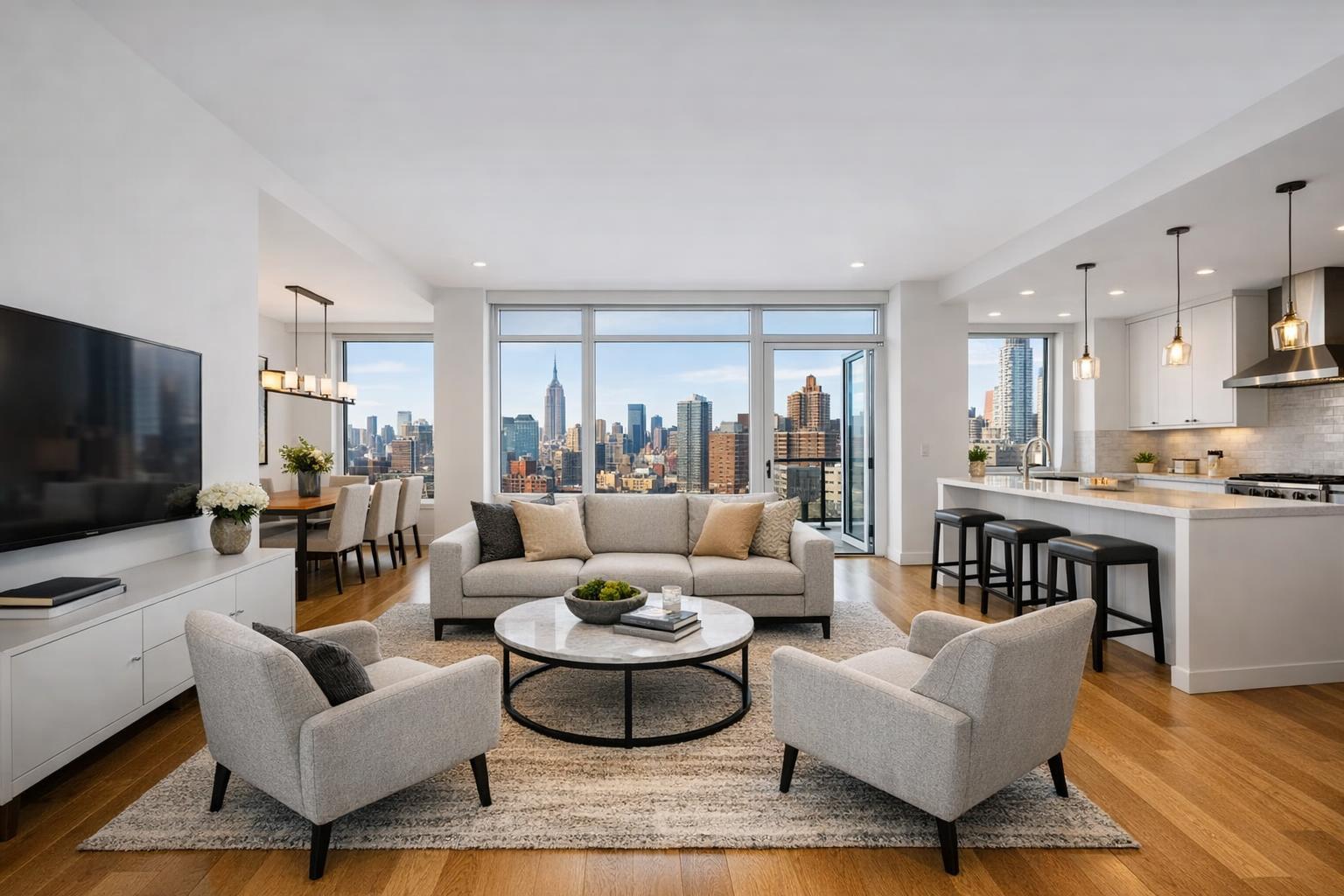
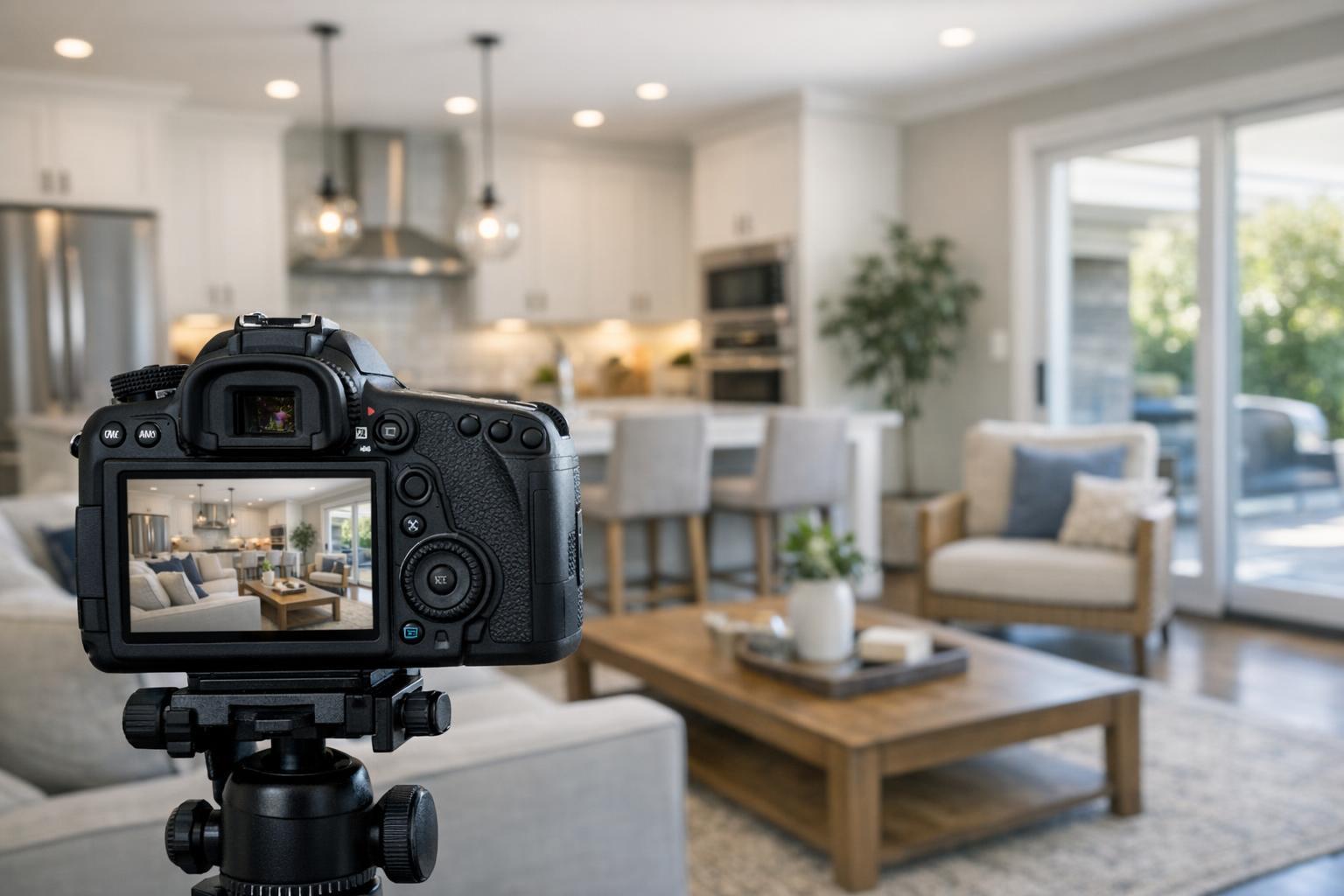
A camera on a tripod captures a bright and modern living room setup, showcasing the sleek interior ideal for real estate photography near me.

How to Choose Real Estate Photography Near Me for Your Next Listing
If you’re searching for real estate photography near me, it probably means you need more than just a set of quick snapshots. Finding a local professional who understands the unique demands of NYC apartments, Brooklyn brownstones, or sprawling New Jersey homes can make a real difference in how your listing stands out.
Let’s talk about what matters when you’re looking for the right real estate photography services—what to look for in a portfolio, questions to ask before booking, how to prepare the property, and why thoughtful media can put your listing in the best light.
Start with What the Property Needs to Communicate
Every property is different, and your decision shouldn’t start with a standard media package. Before comparing options, think about:
- Which spaces or features are most important for buyers, renters, or viewers to see first?
- Does the layout require extra effort to explain how rooms connect?
- Are outdoor areas, views, or unique amenities a selling point?
- Is the space vacant, staged, or lived in?
- Would video, floor plans, or interactive tours help people understand the property, or would clean photos alone do the job?
A studio in Manhattan, for example, calls for careful framing and an honest sense of proportion. Capturing how kitchen, living, and storage areas work together matters more than trying to make each room feel large. Townhouses, brownstones, and multi-level homes in NYC or New Jersey may need shots of staircases, gardens, terraces, and more context—sometimes in a very tight shooting window.
Define the priorities upfront to avoid paying for unnecessary extras.
Judging Real Estate Photography: What to Really Look For
A good portfolio shows more than a few glamorous rooms. Pay close attention to the diversity of work. Does the photographer show consistency across condos, single-family homes, and occupied apartments? How do they handle different types of light, or tight city spaces?
- Accurate Composition: Look for images where vertical lines are straight, rooms feel true to size (not wildly distorted), and the flow from space to space makes sense.
- Lighting and Window Control: The mark of a skilled real estate photographer is balancing interior brightness with window views. In places like NYC where every square foot and view matters, even mixed lighting from overheads, lamps, and streetlight should look natural, not washed out or shadowy.
- Editing Consistency: A professional set should stay consistent in color and brightness from image to image. Ask how much editing is included and whether requests (like removing clutter or personal photos) can be handled. RealtaSnap, for instance, can provide clutter removal and object edits, but always checks if these are needed before the shoot.
Avoid being swayed by over-edited galleries or listings that look misleadingly perfect. The goal is to help viewers understand the property, not to create an illusion.
The Value of Local Experience in NYC and New Jersey
In real estate media, “near me” isn’t just about travel distance; it’s also about local familiarity. NYC listings can require special building access, key pickups, doorman coordination, or elevator reservations. Scheduling shoots in dense apartment neighborhoods means timing is tight, and sometimes daylight hours are limited by what’s allowed in the building.
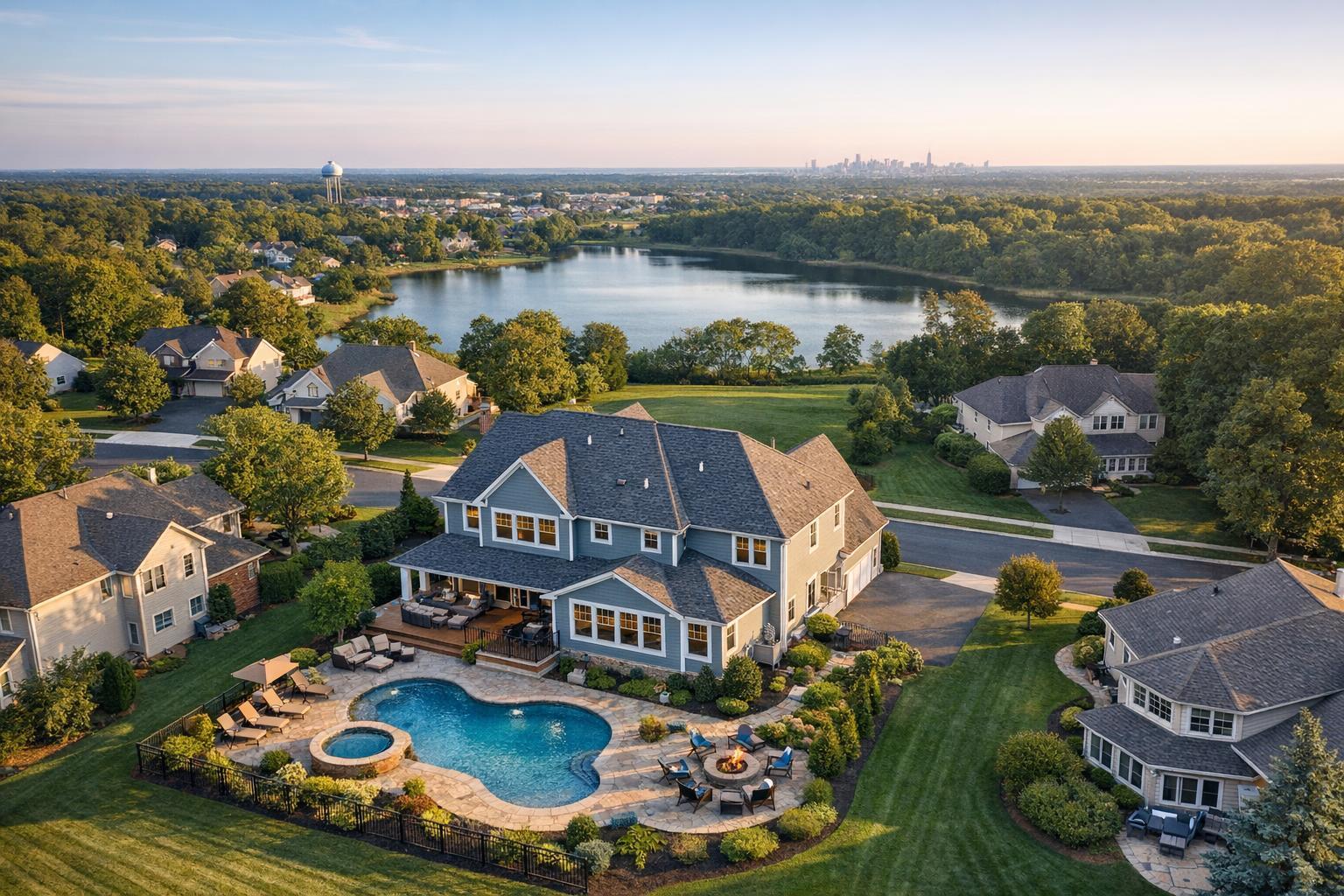
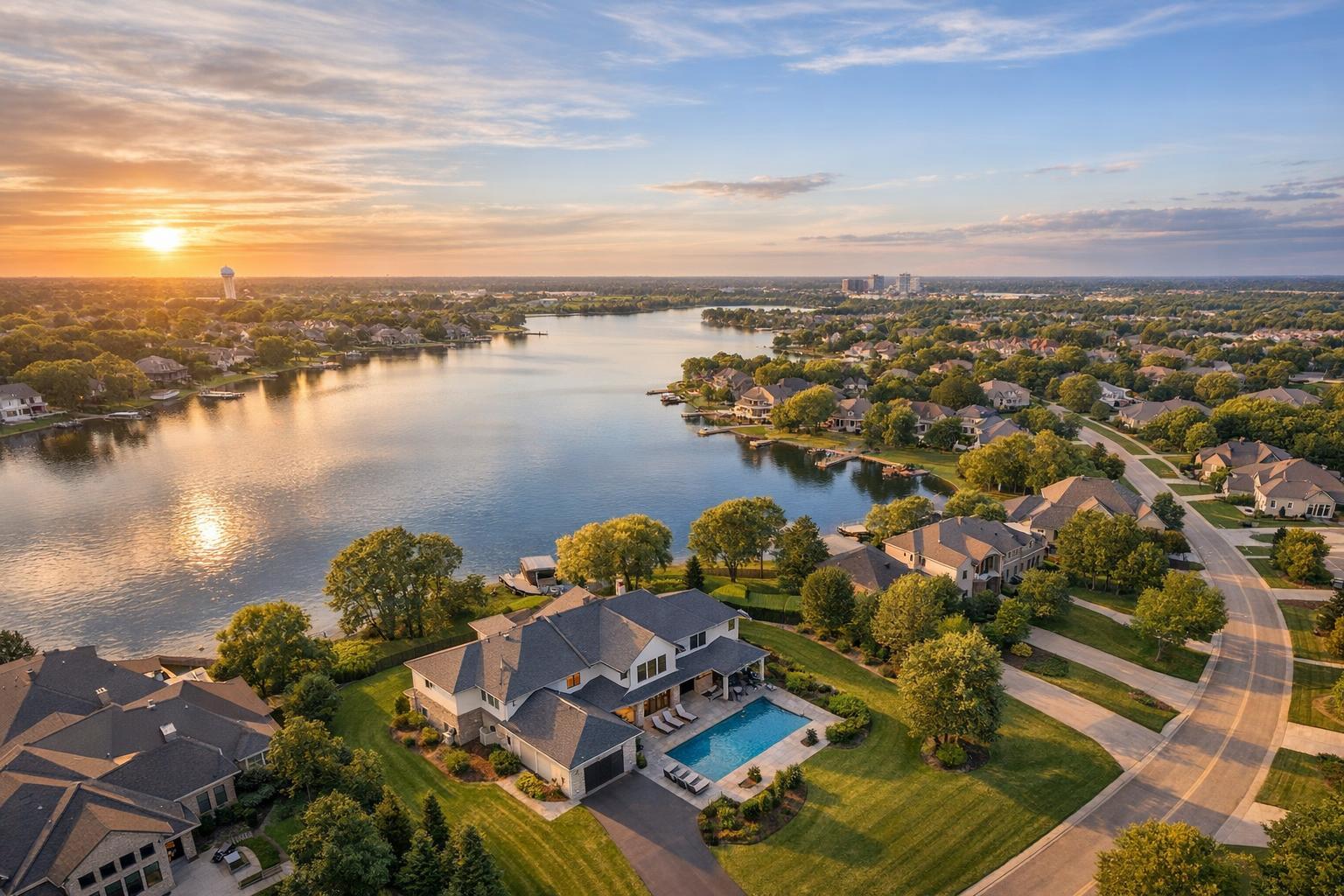
On the New Jersey side, larger homes might need shots of expansive yards, multiple exteriors, garages, or basements. Waterfront and suburban properties benefit from broader coverage and sometimes aerial context.
An experienced local provider can help navigate these logistical quirks. They’ll confirm details like parking restrictions, the location of lockboxes, or if any rooms need extra attention—preferably before the day of the shoot. For most listings in NYC or NJ, being proactive saves everyone time and hassle.
Packages, Scope, and Clear Communication
Comparing real estate photography services is more than just pricing out a “per photo” fee. Here’s what to clarify before you book:
- How many finished photos are included, and is that enough for your property’s size and layout?
- What does the editing process cover? Is basic touch-up included? Are extra edits (like object removal or virtual staging) available if you need them?
- Can you add more photos or other media (like video, floor plans, or 3D tours) if requested?
- What’s the expected delivery time, and how are the images delivered?
- Can the photographer accommodate building or access requirements? Is there a way to share notes in advance?
A clear explanation helps you set expectations with sellers, renters, or anyone else involved. With RealtaSnap, clients can book online, enter address and access instructions, select services and add-ons, and check open appointment times via a live calendar. Availability is always current, and most bookings simply require 24 hours’ notice.
Prep: What to Do Before the Photographer Arrives
No matter how skilled the photographer, last-minute clutter or missing lightbulbs won’t help your listing shine. Encourage sellers or tenants to:
- Remove unnecessary items from counters and tables
- Clear visible cords, personal photos, and pet supplies
- Make beds, straighten furniture, open blinds
- Turn on all lights, replace burnt bulbs
- Move cars out of driveways if exterior shots are needed
- Secure pets and make sure all relevant areas are accessible
For occupied homes, focus on decluttering the spaces that matter most. No one expects perfection but reducing distraction lets your listing’s features stand out.
For more thorough tips, RealtaSnap has a full Real Estate Photography Prep Guide.
Deciding Between Photos and Add-Ons
While professional photos are almost always the foundation, some listings benefit from extra media:
- Video: Great for properties with outstanding flow, outdoor living, or architectural highlights. A true video tour should be captured on-site, not stitched from stills.
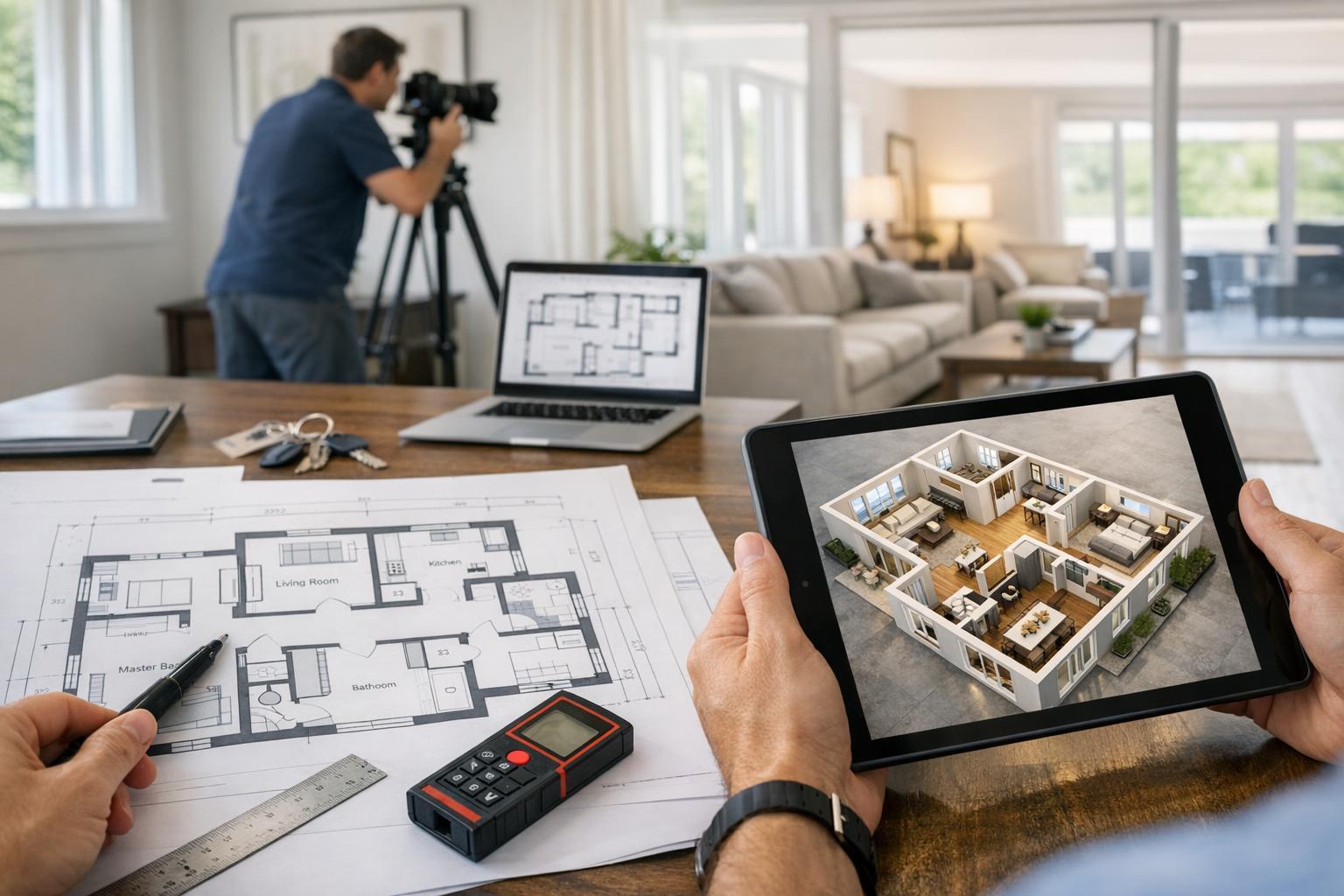
- Floor Plans: Useful for large or unusually laid out homes. Floor plans require on-site measurement and can’t be created accurately from just the listing photos.
- 3D Virtual Tours: Particularly helpful for remote viewers or complex floor plans. Like floor plans, these need to be captured on-site.
- Drone Media: Adds aerial perspective for homes with key exterior features, large lots, or waterfront access. Drone flights in NYC are tightly regulated, and all drone work is subject to airspace, weather, safety, and pilot discretion.
- Virtual Staging: Best for vacant rooms. Digital staging overlays only work correctly when clutter and furniture are already removed.
Choose add-ons that genuinely enhance understanding—not just every option on the menu.
Key Questions Before Booking
A short checklist can save you from confusion or missed opportunities:
- Have you seen portfolio examples similar to your property?
- How many images are recommended for your space?
- Which rooms and features will be prioritized?
- What does the photographer need to know before arrival?
- Are building policies, parking, or access rules in place?
- Is video, a floor plan, or drone imagery worthwhile for this listing?
- What are the turnaround and delivery details?
- How should you submit special requests for editing or add-ons?
Jot down any unusual instructions or priorities. Transparency gives your photographer a better shot at showcasing what matters.
Choose the Photographer Who Fits Your Listing
The best local real estate photographer isn’t always the cheapest or the one with the flashiest portfolio. Look for someone whose work feels honest, whose process is transparent, and who clearly understands the type of property you’re marketing.
In NYC, where apartments are compact but details matter, you want a photographer who appreciates context and manages tight spaces well. In New Jersey, homes often demand more extensive coverage—and sometimes wider angles or exterior media.
If you need a reliable, straightforward solution for NYC or NJ listings—with clear online booking and a real understanding of local properties—RealtaSnap is designed for you. Feel free to check instant availability, browse service options, or review more tips on preparing your listing.
FAQ
Question: How many photos do I actually need for a real estate listing?
Answer: It depends on the layout and features. A smaller space like a studio or one-bedroom might need 10–15 images to cover each area without repetition, while larger homes often benefit from 25 or more to do justice to every important room, exterior, and amenity.
Question: Does virtual staging work in homes that aren’t empty?
Answer: Virtual staging is most effective in vacant rooms. If there’s existing furniture or clutter, digital clutter removal needs to be addressed first, so staging can be layered realistically.
Question: How do I book and what should I have ready before scheduling?
Answer: You can book online with RealtaSnap by visiting www.RealtaSnap.com. You’ll want the property address and any access or prep notes ready. After selecting your services and preferred time, you’ll get guidance on what to prepare before the shoot.
If you have an upcoming listing in NYC or New Jersey and want to see available slots or review your options, we’d love to help. Visit www.RealtaSnap.com to get started.