How to Build a Practical Real Estate Marketing Plan for NYC Listings
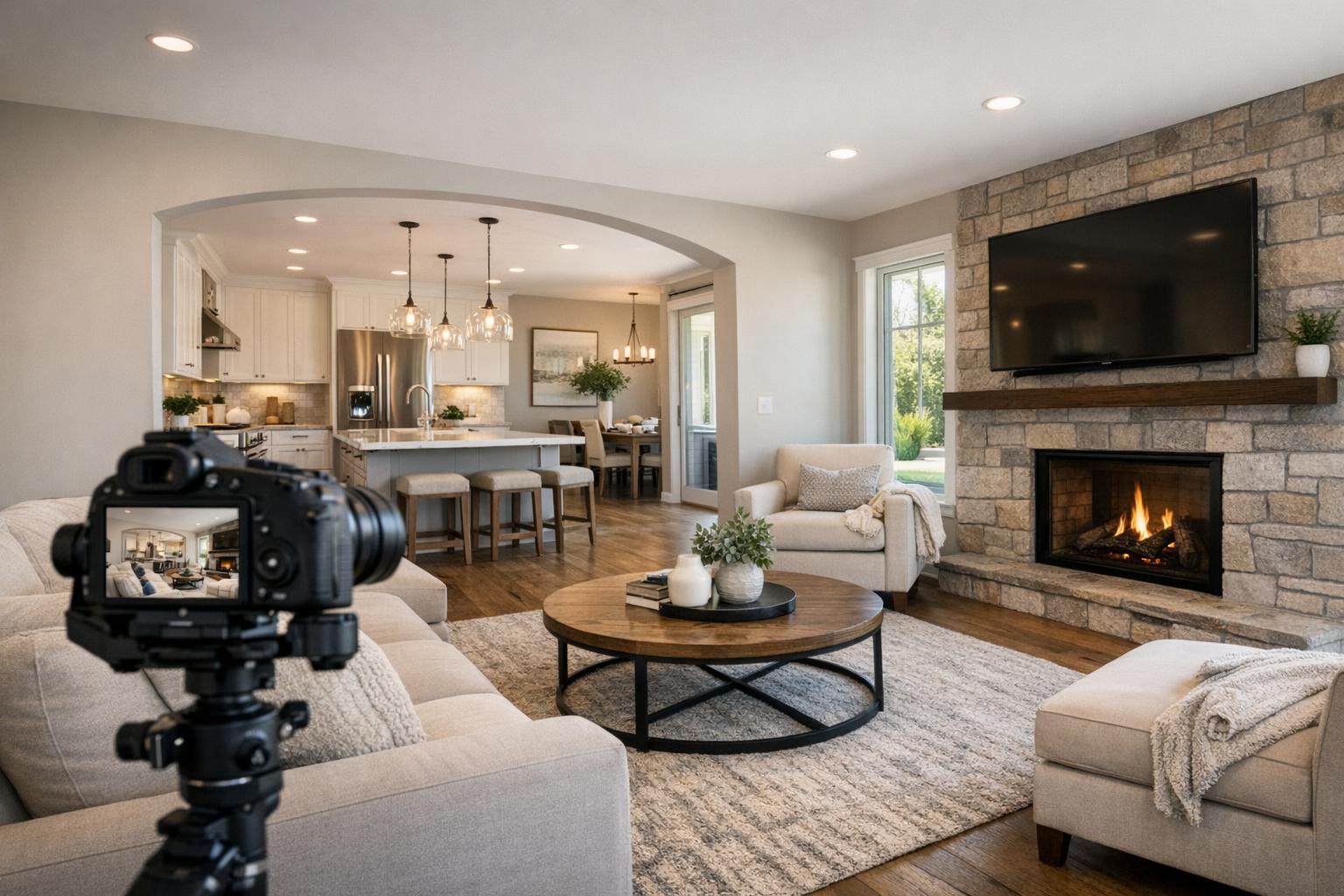
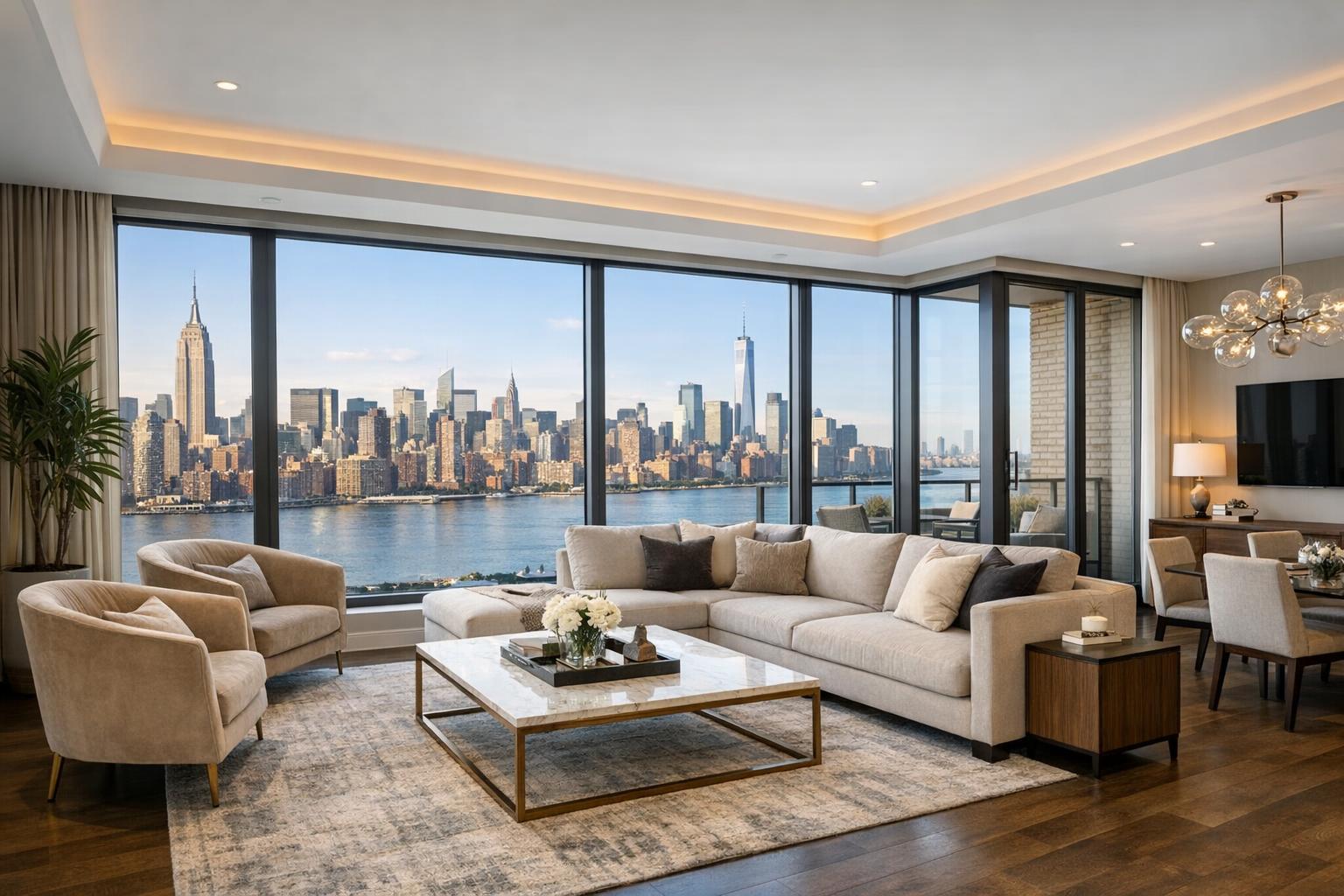
A NYC office setting showcases a real estate marketing strategy, complete with property listings on a laptop, a building model, reports, and a city skyline view.


How to Build a Practical Real Estate Marketing Plan for NYC Listings
Real estate marketing in NYC starts with one essential question: What does a buyer, renter, or future tenant need to truly understand this specific property? That’s the question behind every effective strategy. The best NYC property marketing isn’t about buying every photo, video, and add-on on the menu. It’s about knowing what establishes clarity and appeal for a listing, then picking the right media to tell the story across the platforms you actually use.
Let’s dive into the real decisions agents, brokers, and property managers face day-to-day—and how to put together the marketing plan that fits your actual space, your audience, and New York City’s unique listing landscape.
Begin with the Property, Not the Media Checklist
Every NYC property has its own set of features that matter: layout, window placement, natural light, ceiling heights, distinctive finishes, renovations, storage, outdoor spaces, building amenities, even the block and neighborhood. Before you book anything, walk through the space. Consider:
- Which features are highlights, and which are harder to capture in words?
- Will buyers or renters need help understanding the flow or room sizes?
- Is outdoor space a core selling point—or would a garden photo raise more questions than it answers?
- Is the property vacant, furnished, staged, or something in between?
For example, a long, narrow Manhattan one-bedroom may need great photos plus a floor plan—so viewers understand how the rooms are connected. A restored Brooklyn brownstone might require video to show how you move from parlor to garden to roof deck. A new, empty condo might benefit from virtual staging to demonstrate how the space could look with furniture.
Media should answer real questions, not just fill out a package.
Match Each Asset to a Real Viewer Question
Not every listing needs everything. In fact, the best NYC real estate marketing plans are selective. Here’s how to think about your options:
Photography: Your Foundation
Professional listing photography is the starting point for almost every NYC marketing effort. Good images reveal not just the space itself but its mood—light, proportions, finishes, and views. Agents should plan not just for maximum image count but for impact. Sometimes, three or four clean angles say more than seven repeated shots.
Consider:
- Wide images to document layout and scale
- Close-ups for details (tilework, appliances, built-ins)
- Exterior, garden, view, or amenity shots if they’re real selling features
- Whether occupied furniture helps or clutters the flow
Video: Showing Movement and Flow
Listing video is particularly useful for properties with a real progression—brownstones, larger apartments, or new development units with distinct transitions between living, sleeping, and entertaining spaces. A walkthrough video helps the viewer experience the home, not just see it.
Video is most effective when:
- There’s a clear journey through the property (multi-level, large, or unique layouts)
- Entertaining or outdoor spaces play a central role
- Social media or broker-to-broker marketing is part of your plan
Real video should be captured on site. At RealtaSnap, for example, we don’t produce basic slideshows from stills; our videos are filmed intentionally, with the property prepared for motion.
Floor Plans: Answering Layout Questions
In NYC, especially in older or architecturally distinct buildings, layouts can be confusing. A floor plan can help a viewer quickly grasp bedroom placement, room relationships, circulation, or how a den or dining area fits in.
- Floor plans require an in-person visit to capture measurements.
- These are particularly helpful for apartments with unusual shapes, split bedrooms, or flexible rooms.
3D Matterport Tours: For Interactive, Remote Viewing
A Matterport (or similar 3D) tour provides an immersive, self-guided experience. This format is a favorite with out-of-town clients, time-strapped buyers, and anyone needing deeper engagement before scheduling a showing.
- 3D tours are most valuable for larger listings, furnished models, or properties likely to attract remote buyers.
- The property should be tidy and ready, since viewers can look everywhere—closets, halls, under sinks.
Drone Media: When Exterior Context Is Key
Aerial photos or drone video can be powerful, especially for homes with roof decks, gardens, unique facades, proximity to parks, or water views. In New York City, though, drones are subject to strict FAA rules and local airspace, and feasibility depends on weather, rooftop access, safety, and pilot discretion.
- Don’t promise drone coverage until you’ve confirmed what’s possible.
Virtual Staging: Making Empty Rooms Legible
Vacant properties sometimes leave buyers guessing about what fits where. Virtual staging—digitally adding furniture—can solve this, showing the potential without misleading about permanent features.
- Best for genuinely empty rooms. Existing furniture needs to be removed or edited out.
- Virtual staging should never hide flaws or falsely represent the layout.
NYC Logistics: Plan the Shoot, Not Just the Shots
Even the best media plan can be upended by building access issues or last-minute prep. NYC listings—whether co-op, condo, rental, brownstone, or new construction—have their own quirks.
A little prep goes a long way:
- Clarify building entry, key pickup, visitor sign-in, elevator or freight rules, and whether insurance certificates are needed.
- For shared amenities (roofs, gyms, lounges), confirm access before shoot day.
- For occupied homes, consider a room-by-room walk to clear clutter, hide personal items, open up every photographed space, and check lighting.
Planning the media mix should go hand in hand with these logistics. At RealtaSnap, scheduling is streamlined with online booking—you enter the address, choose services, and share access notes right in the form.
Channel-Smart Asset Planning
Not all assets belong everywhere. Your full photo gallery might be perfect for StreetEasy, while a snappy video clip or single hero shot shines on social. A floor plan may close the deal in an email, and 3D tours can be sent as a follow-up to remote prospects.
Think about your channels:
- Listing portals: Full photo sets, key details, floor plans, and tour links
- Broker and listing sites: Room for video, interactive tours, and amenities
- Email blasts: Lead image, concise pitch, and strong call to action
- Social: Short-form video, single standout images, and story-driven posts
- Direct agent/buyer outreach: The asset that best answers likely questions
You don’t need a different shoot for each channel; a coordinated session makes it easy to crop, edit, or order new versions as needed.
Decision Framework: What Does This Listing Actually Need?
Resist the urge to order everything “just in case.” Here’s a streamlined approach for typical NYC scenarios:
- Studio or small one-bedroom: Photos, maybe a floor plan
- Renovated with killer finishes or views: Photos, possibly video
- Vacant condo or rental: Photos, virtual staging for selected rooms, and floor plan if needed
- Brownstone/townhouse: Photos, video, floor plan; drone if feasible
- New development residence: Photos, video, 3D tour, amenity and model coverage
- Commercial/mixed-use: Photos, floor plan, 3D or aerials if site context matters
Agents can justify the assets chosen based on what they help communicate, not a generic service package.
Keeping It Coordinated With a Single Provider
Working with a single media team keeps things simple: one contact for scheduling and access, a consistent look across all assets, and easier communication. RealtaSnap provides coordinated photography, video, floor plans, 3D tours, drone, and virtual staging—specializing in New York City and New Jersey.
You can view more about our approach or schedule a shoot online.
Make Every Asset Earn Its Place
The real value of a good marketing plan is clarity. The right assets make a compact studio understandable, a brownstone’s layout inviting, or a new development’s amenities stand out. Begin with the property’s true strengths, pick media that answers your market’s questions, and distribute them thoughtfully.
If you’re looking for a coordinated partner who knows NYC real estate media, we’d love the opportunity to earn your business.
FAQ
Question: Does every NYC property require all types of real estate media—photos, video, floor plan, 3D tour, drone, and virtual staging?
Answer: Not at all. Most listings benefit from professional photos as a baseline, but the rest depends on the property itself. Some compact apartments need just photos and a floor plan, while a larger brownstone might warrant video or a 3D tour. Drone and virtual staging are best used when they answer a genuine marketing need.
Question: What should I do to prepare a co-op or condo for a media appointment?
Answer: Make sure building access is settled—check visitor and elevator policies, any management approvals, and plan for keys or entry codes. Inside, clear visible clutter, prep kitchens and bathrooms, open all spaces to be photographed, and confirm access to any shared amenities.
Question: Can virtual staging be added to a room with existing furniture?
Answer: Virtual staging is designed for empty rooms. If there’s still furniture (or a lot of clutter), it’ll need to be removed for the most realistic and appealing virtual result. RealtaSnap can discuss options for decluttering or editing if needed.