What to Look for in a Real Estate Video Tour for Your Listing
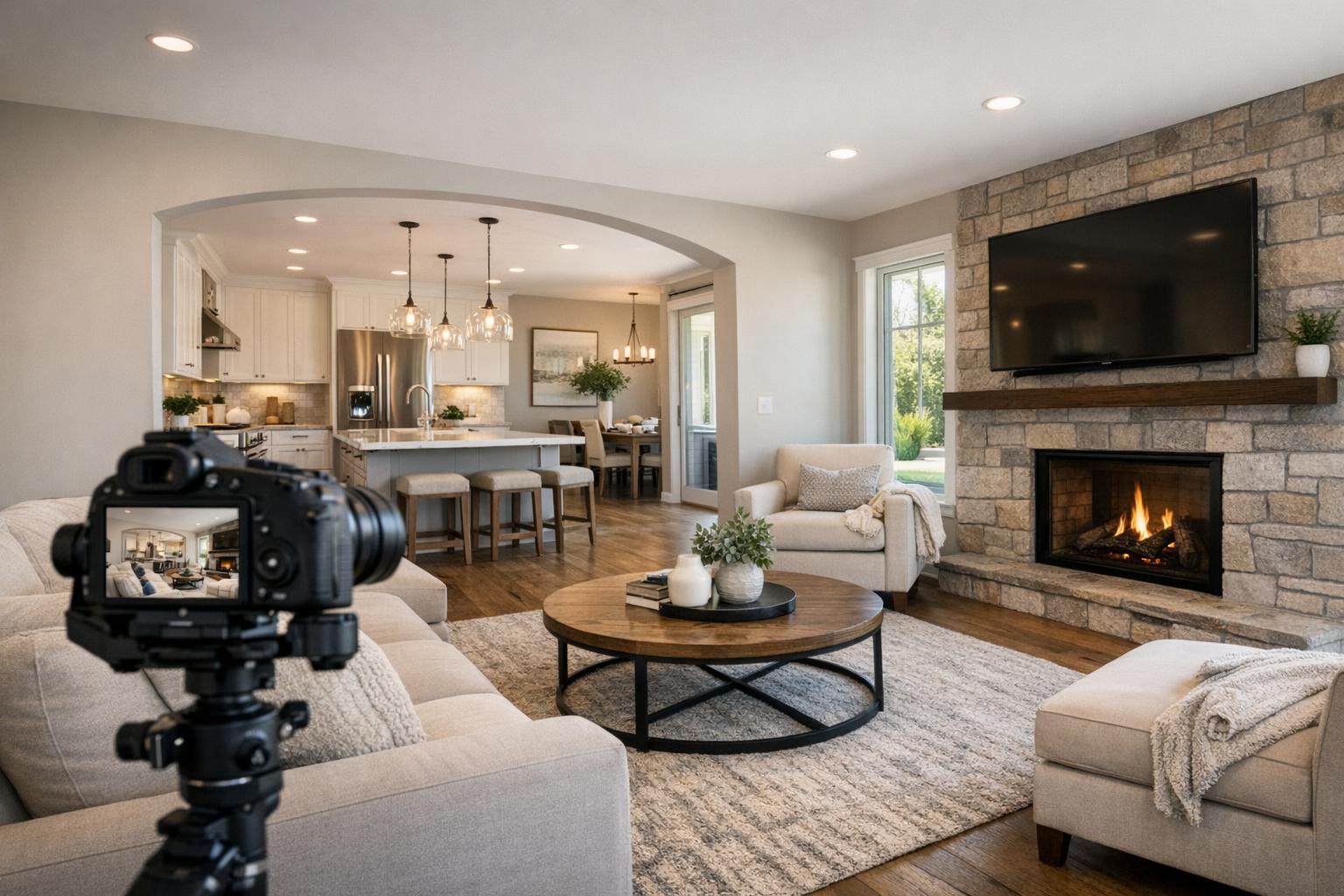
A real estate video tour captures a cozy living room with a stone fireplace, plush seating, and a view into a modern kitchen.

What to Look for in a Real Estate Video Tour for Your Listing
A real estate video tour is often the difference between a listing that’s quickly understood and one that leaves key questions unanswered. For agents, developers, property managers, and even owners choosing how to present a property, understanding what makes a tour truly informative is essential. Let’s dive into how the right video walkthrough helps viewers grasp a property’s layout, room-to-room flow, and appeal—well before anyone books a showing.
More Than a Montage of Beautiful Spaces
High-quality listing photography is a must, but photos can only freeze moments in time. A property walkthrough video takes it a step further by showing how each space connects. The most effective tours do more than survey the most visually striking rooms. They offer a logical, viewer-friendly progression so potential buyers or renters sense how they might actually move through the home.
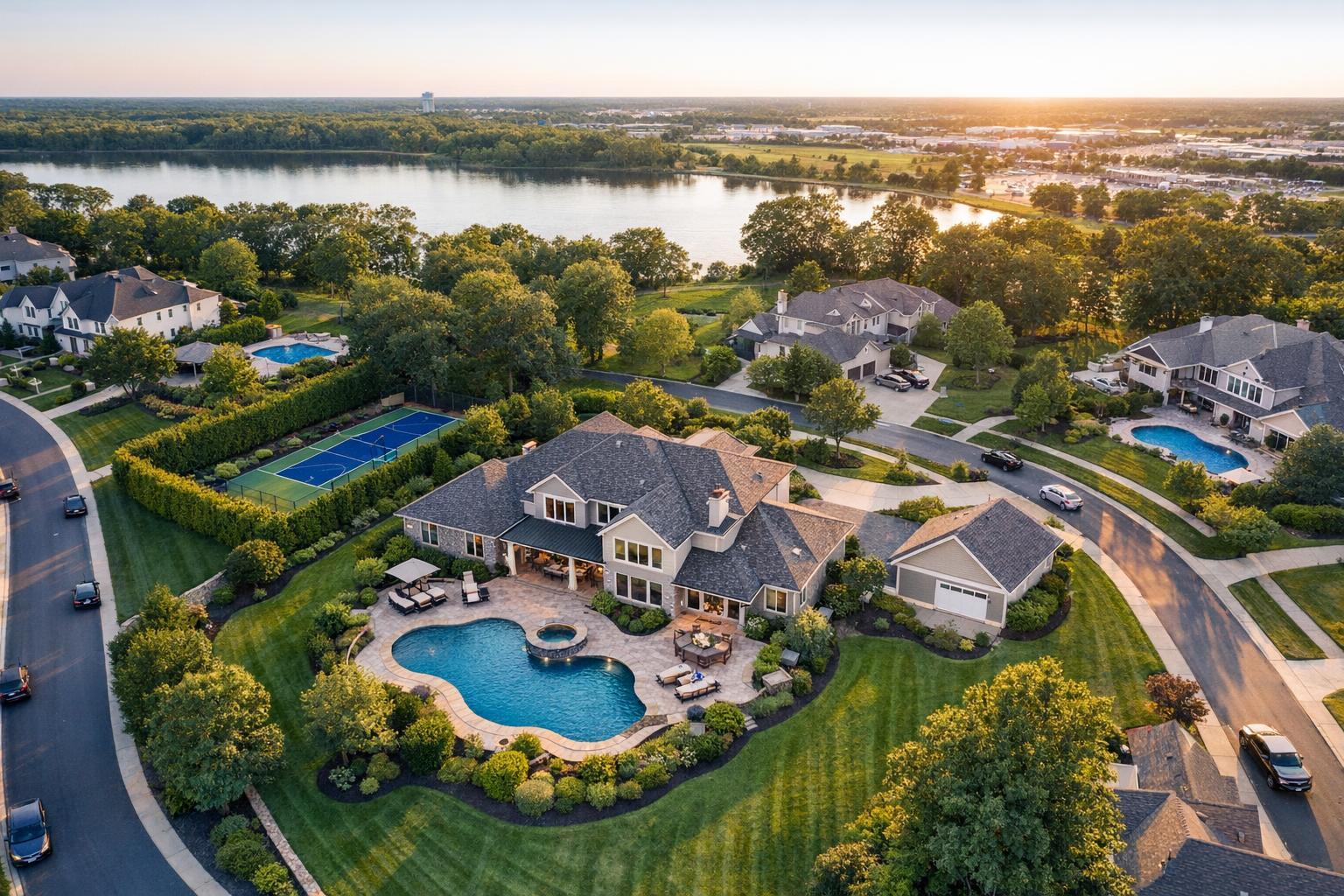
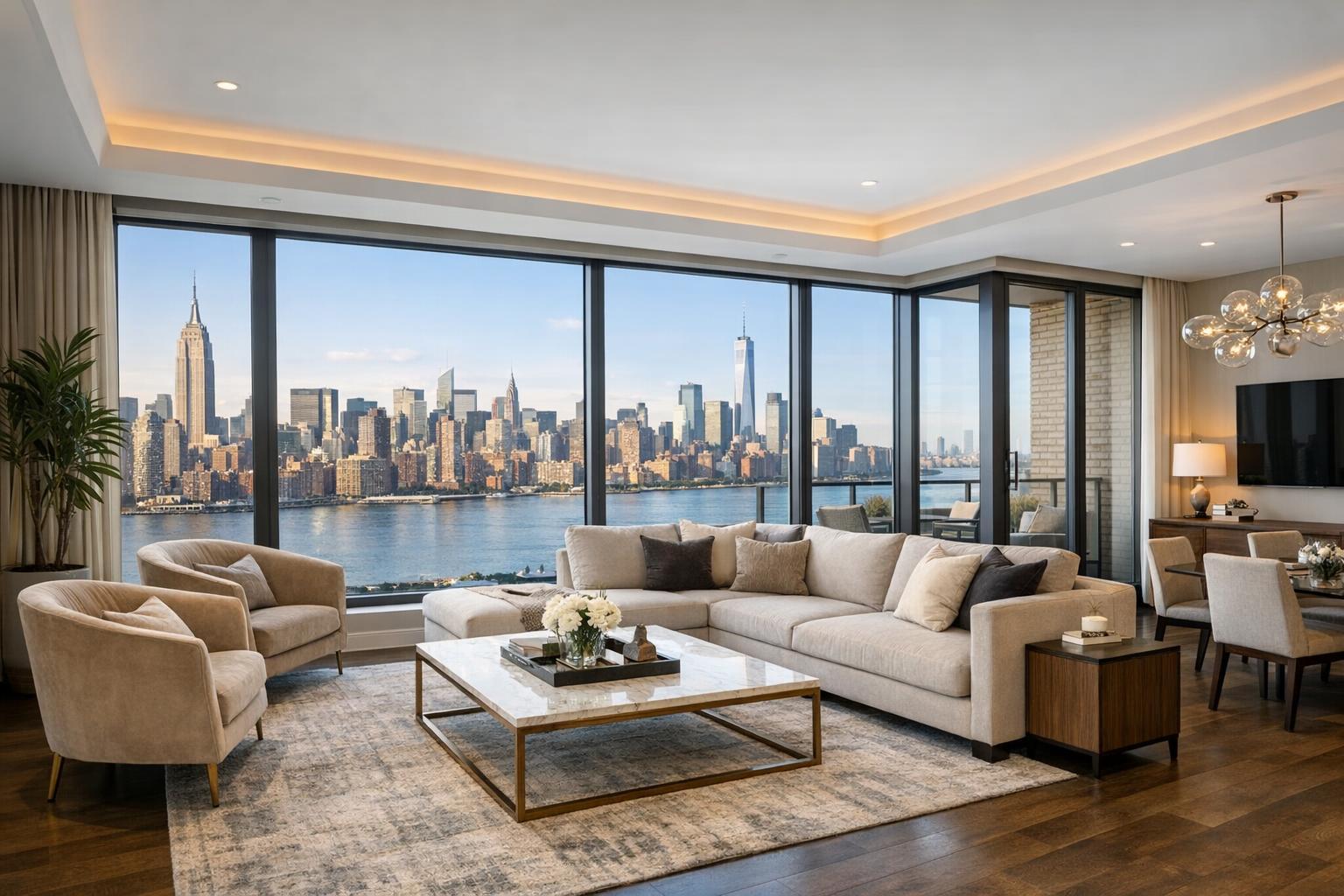
In a Manhattan apartment, for example, the journey might start at the entry, flow into the main living area, pause at the kitchen, then walk through bedrooms and baths—highlighting key views. For a classic Brooklyn brownstone, a video might begin with the iconic stoop, guide viewers through the parlor and kitchen, venture out to the garden, and finish upstairs or in a finished basement. Larger New Jersey homes may require broader coverage, showcasing welcoming foyers, open-concept living spaces, backyard views, home offices, and more.
Instead of showing every nook (and risking a long, wandering film), a good real estate video tour prioritizes:
- Room-to-room connections and sightlines
- The sense of scale, especially in expansive spaces or open layouts
- Where and how natural light moves through the property
- Notable finishes and details: millwork, ceiling height, original elements
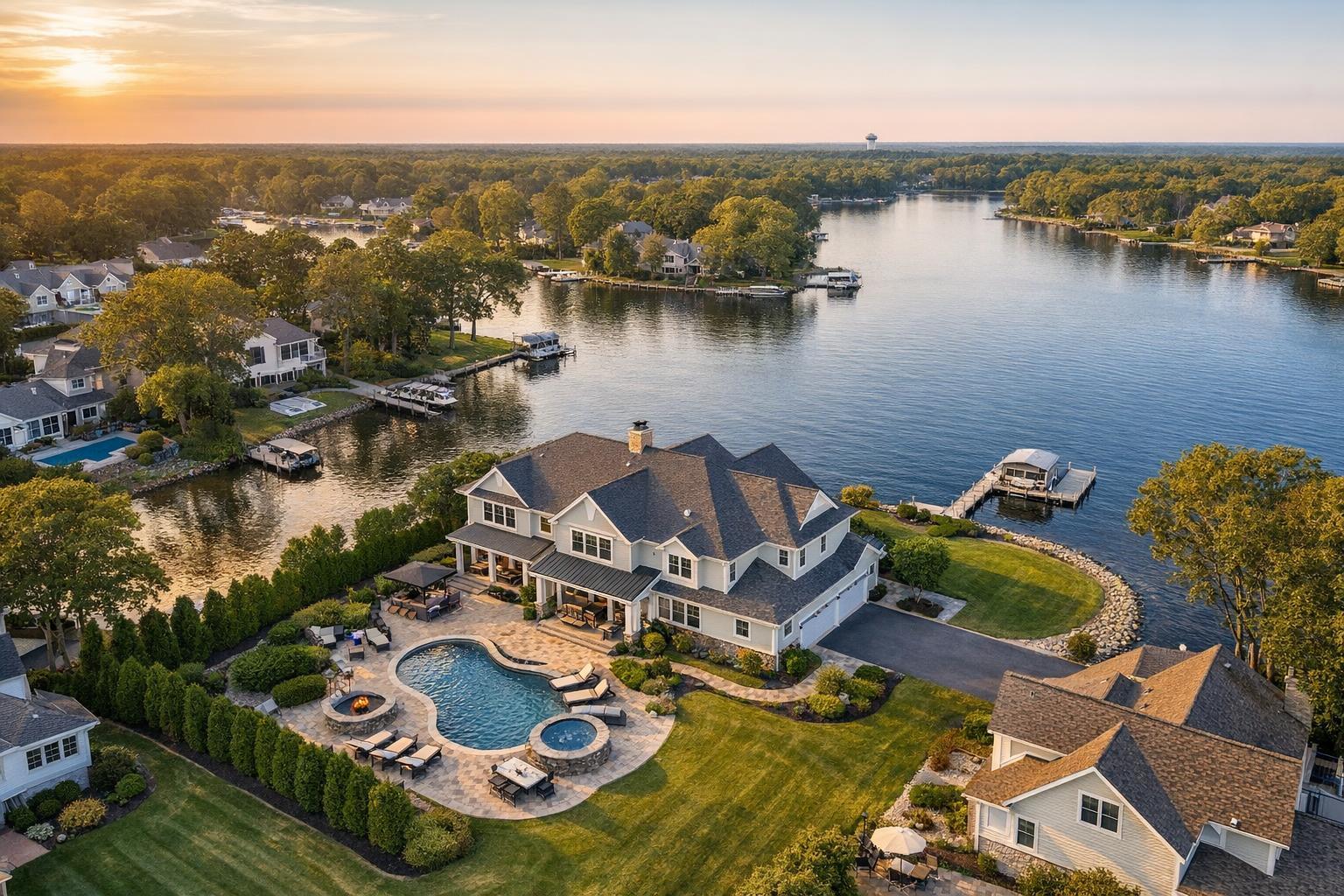
- Outdoor highlights: terraces, private gardens, rooftops, or pool areas
- Location context, including building entrances or recognizable neighborhood views when helpful
Why Movement Matters in Real Estate Video
Still photos are perfect for examining finishes, but only video can reveal how a property feels in motion. Flowing camera work gives depth—helping viewers see beyond static angles. A seamless pass from kitchen island to dining area brings layout to life. Slow approaches to windows showcase daylight and views, while lingering in a suite demonstrates how private spaces are configured without lengthy written explanations.
Properties with nontraditional or complex layouts benefit the most. For example, pre-war Manhattan homes often deserve a video sequence to clarify the transition from public to private rooms. Multi-level homes in Brooklyn or the suburbs showcase their drama—even the unique path between garden, parlor, and upper floors—through guided movement.
Motion, though, requires intention. Well-paced pans and purposeful routes invite viewers to imagine themselves in the space. Abrupt turns or dizzying moves can distract from the property itself. The goal: make the viewer feel gently led, not rushed.
Key Elements of Professional Real Estate Videography
Not every property needs the same style of video. The building type, highlight features, access, and even likely buyers all shape the final cut. There are, however, several signs of a thoughtful and useful property walkthrough:
Clear Opening and Visual Orientation
First impressions matter. The start of your video should set the stage: a glimpse of the exterior or building entry, or a broad, inviting scene from the main living space. In condos or large buildings, lobby and amenity shots add valuable context. Single-family and townhouse listings benefit from showing the façade, walkway, or garden approach.
Intentional Storytelling Through Priority Spaces
Every property has features worth focusing on—maybe a custom kitchen, a high-ceilinged living room, or a perfectly manicured yard. Identifying these priorities before filming helps avoid a video that spends equal energy on unremarkable spaces. The result is an edit that mirrors how a real visitor would linger on the most memorable moments.
Natural Pacing and Cohesive Transitions
A professional real estate video tour gives the audience time to absorb each space, but doesn’t drag. The pacing differs for a compact two-bedroom compared to a sprawling house. Premium listings sometimes include building amenities, neighborhood snippets, or even brief agent commentary to build a fuller narrative.
Editing That Compliments—Not Distracts
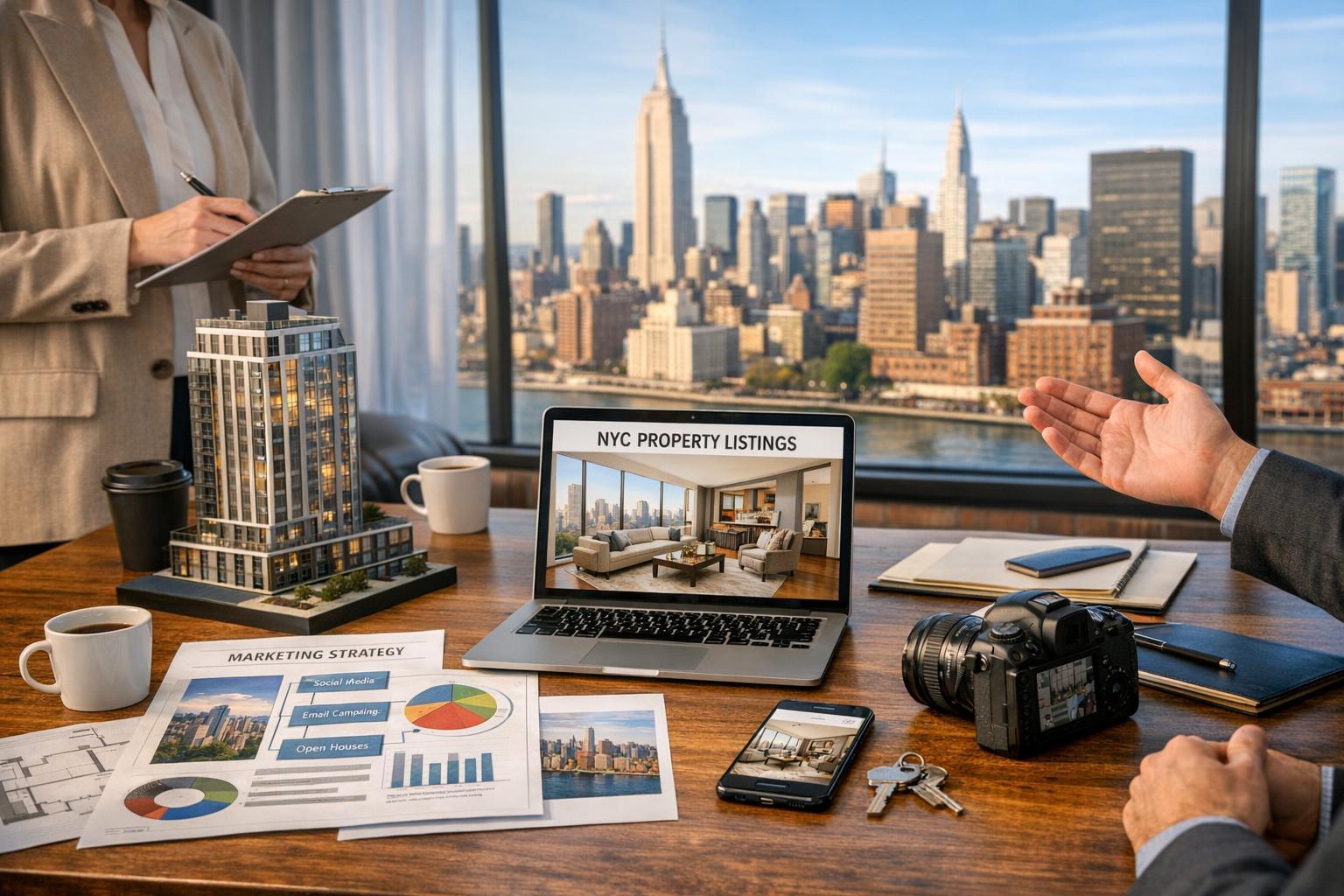
Music, agent branding, and graphics should highlight, not overshadow, the home. Well-placed contact information and brokerage logos can be helpful, but overwhelming text or overactive animation takes eyes off the property. RealtaSnap offers a range of video editing levels—from standard cuts with basic branding to custom versions with in-depth animation and agent interviews—so the content fits the listing’s story.
To learn more about service tiers and approaches, see RealtaSnap’s real estate videography services.
What Sets a True Video Tour Apart from a Photo Slideshow
It’s tempting to cobble together a “video” using a series of listing photos set to music. While this works for quick social promos, it misses the real advantage of real estate videography—namely, showing actual motion and spatial relationships. A proper video walkthrough uses on-site footage, presenting transitions and perspectives that photography alone can’t provide. This is especially meaningful for listings where flow, sequence, or distinctive layouts are big selling points.
At RealtaSnap, all listing videos are captured on site—never assembled from photos or renderings—ensuring accuracy and a smoother result.
Video Tours vs. Interactive 3D Virtual Tours: Unique Roles
A real estate video tour isn’t the right tool for every marketing job. Sometimes, it’s best paired with other types of media.
- A video tour: Offers a guided experience, led by the videographer/editor through pacing, music, and sequence. It works well for most listing portals, agent websites, email blasts, and social sharing.
- An interactive 3D virtual tour: Allows potential buyers or tenants to “walk” through at their own pace, revisiting any room or detail. This is especially effective for remote or detail-oriented viewers.
Both formats require on-site capture for authenticity, and they complement each other for comprehensive listings—video for storytelling, 3D for deep-dive exploration.
Practical Prep Tips: Setting the Stage for Filming Day
Because video reveals a home’s true flow, preparation takes on extra importance. Move through the property as a camera would and note anything distracting or out of place.
Before your videographer arrives, consider:
- Decluttering surfaces and open shelving
- Hiding pet items, cleaning tools, and visible cords
- Replacing burnt-out bulbs and turning on lights where helpful
- Opening blinds or curtains to maximize natural light (after making sure glass is clean)
- Arranging access to all spaces that should appear, such as rooftop amenities or back gardens
- Letting the crew know about building rules, elevator bookings, or restricted areas ahead of time
- Flagging must-show features—renovations, key finishes, outdoor areas, signature views
- Deciding if agent narration or an on-camera interview could add value (versus a “music only” visual tour)
Occupied properties need special care. Excess personal belongings can compete with the architecture on camera, so aim for an environment that feels clean and ready to show.
If you want more detailed prep guidance, check out RealtaSnap's photography prep guide.
Deciding If and When to Invest in a Video Tour
A property walkthrough video is an investment—of time on site, of production work, and of your marketing budget. Consider video especially when:
- Layout, flow, or unique features are too complex for still images alone
- Natural light, views, or movement between spaces are primary selling points
- The neighborhood or building amenities are crucial to understanding the value
- The listing would benefit from agent insights or a personally guided narrative
Listings for straightforward studio or one-bedroom apartments may not need a full tour if photography adequately tells the story. On the other hand, premium condos, historic brownstones, or larger homes—especially in prime Manhattan, Brooklyn, or New Jersey markets—are strong candidates for video, sometimes alongside other assets like drone footage (feasibility determined case by case).
Making Your Listing’s Video Work Across Every Marketing Channel
A horizontal video is perfect for websites and many platforms, but shorter, vertical, or square versions are best for Instagram, TikTok, or quick social posts. Rather than trimming and cropping after the fact, it’s smart to request separate edits. RealtaSnap offers add-on “alt cuts” for social media, along with custom highlight trailers, so your video works hard wherever it goes.
Choosing the Right Video Scope: Standard, Premium, or Interview
RealtaSnap offers several real estate videography service tiers to fit your property’s needs:
- Standard: A one-minute, on-brand video with logo and contact graphics
- Premium: A one-and-a-half-minute cut with extra neighborhood and amenity coverage, plus custom graphics and branding
- Premium + Interview: Extends to three minutes, includes guided narration or interviews (good for complex or high-value listings with a story to tell)
Social media–optimized alt cuts and trailers are available as add-ons. Drone video can also be integrated, but always depends on safety, airspace, and local restrictions.
Pricing varies by scope and package, and full details are available at RealtaSnap.
A well-produced real estate video tour lets your listing shine by showing what can’t be photographed: flow, natural light, and the promise of actually living there. Starting with the spaces that benefit most from movement, prepping carefully, and choosing the right format ensures your listing puts its best foot forward on every platform.
If you’re planning an upcoming listing in New York City or New Jersey and want to explore your video options, we’d love to help you find the right fit.
FAQ
Question: How long should a real estate video tour be?
Answer: It depends on the size and complexity of the property. Simple apartments are well-served by a concise one-minute video, while larger or premium listings may justify a longer edit to fully showcase amenities and unique features.
Question: Can I use listing photos to create a property video?
Answer: While slideshows can be assembled from photos, they don't replicate the experience or motion of an on-site video. Professional property videos are captured specifically for video and planned around the space’s flow.
Question: Do I need to show every room in a video tour?
Answer: No, and in fact, you shouldn’t. The most engaging tours focus on priority spaces and features that help viewers understand the property’s character. Closets and utility areas are often omitted unless they’re particularly relevant.