How to Choose Real Estate Photography for Your NYC or New Jersey Listing
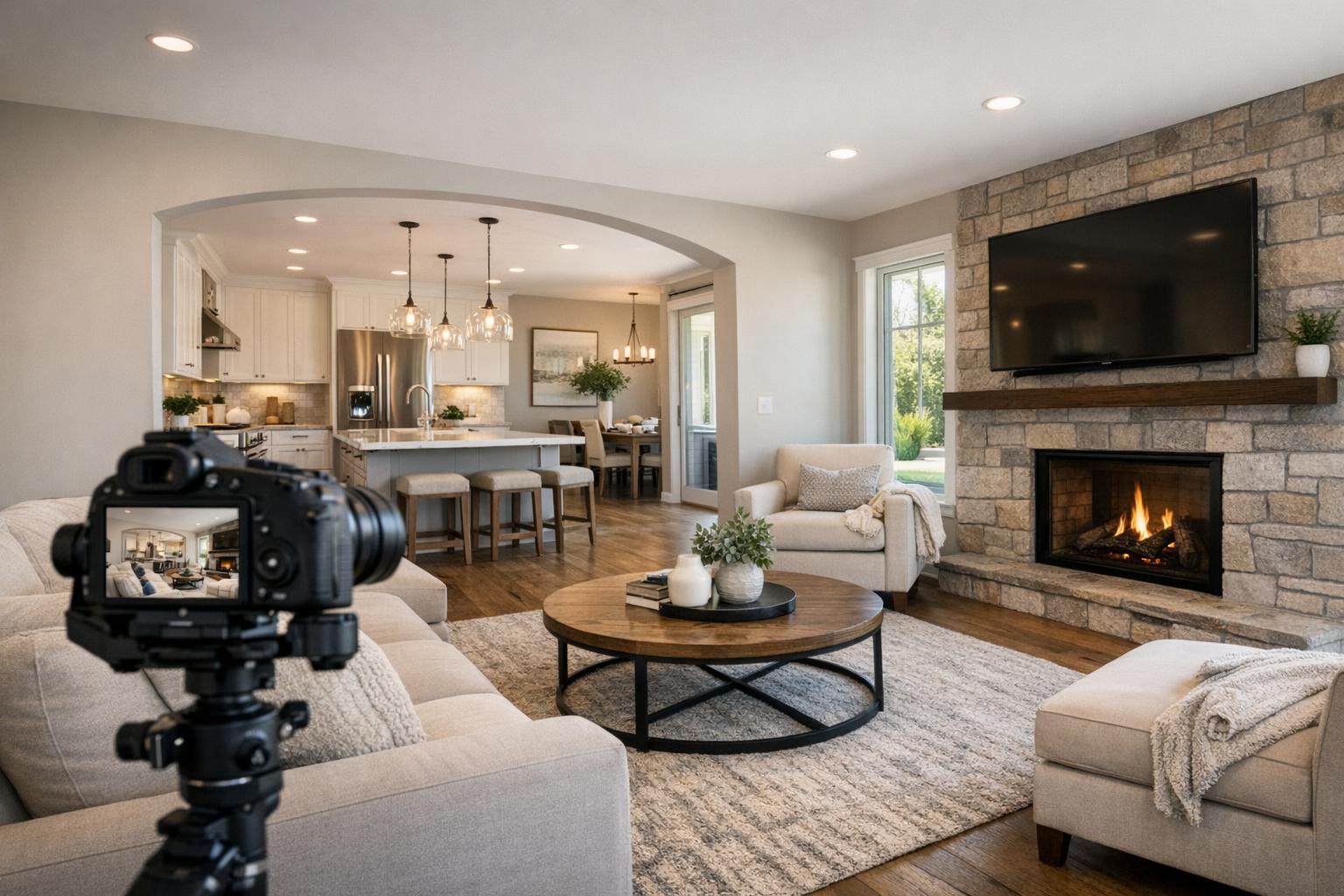
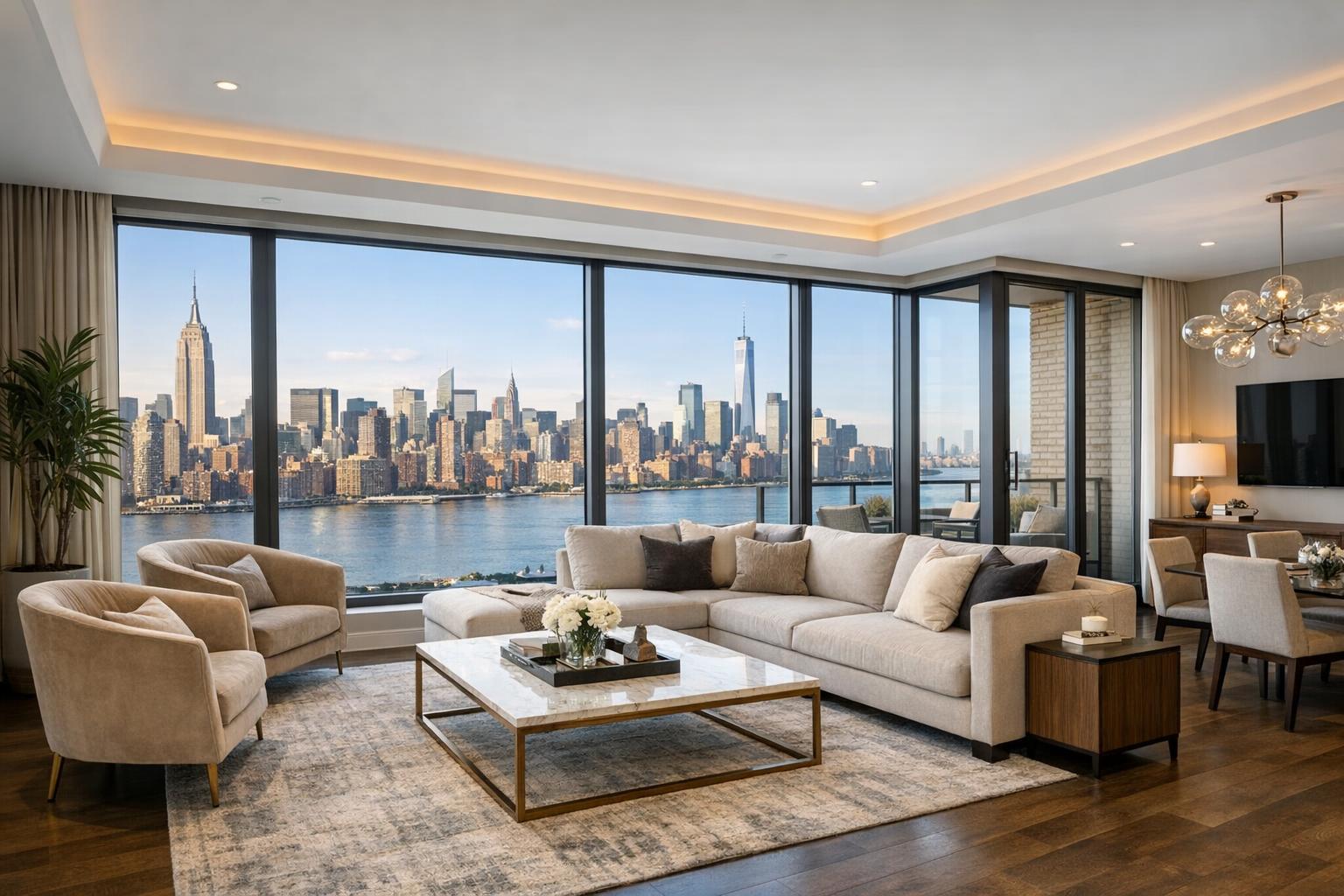
A luxurious living room features elegant furniture and expansive windows overlooking a stunning city skyline.

How to Choose Real Estate Photography for Your NYC or New Jersey Listing
When it comes to real estate photography, the first impression a property makes online can shape every step that follows, from an initial click to a scheduled showing. For agents and property owners in New York City and New Jersey, the right images do far more than showcase features; they help buyers and renters actually understand space, light, and flow. If you’re questioning how to select the best real estate photography services, this guide will help you navigate the process with confidence and clarity.
What Quality Real Estate Photography Should Accomplish
Professional property photography should help viewers answer practical questions at a glance:
- What does this place look like from the street, the lobby, or the front walk?
- How do different rooms relate to one another?
- Where are the standout features—views, storage, light, or finishes?
- Does the sequence of images make sense and feel cohesive?
A polished set of listing photos shouldn’t just look “pretty.” Great photography tells a visual story, leading viewers through the home in a way that mimics how they’d walk it in real life. For a typical NYC apartment, that might mean starting with an exterior, then flowing through living spaces, bedrooms, and any unique amenities or outdoor areas. In a multi-level townhouse, coverage should help viewers understand each floor’s layout and function. Good imagery highlights important details—without distorting size or scale.
Evaluating a Photographer’s Portfolio: Going Beyond the Glamour Shots
Almost every photographer’s portfolio features bright kitchens and sunlit living rooms. But an effective review means looking past the “highlight reel” and evaluating how they handle a range of real-world situations:
- Do architectural lines stay straight, or are doors and windows distorted from extreme lenses?
- Are dark and light spaces both readable, without blown-out windows or unnatural shadows?
- Is the editing clean, presenting wood, paint, and fixtures as they’d appear in person?
- Does the entire gallery feel like one coherent property, with consistent brightness and perspective?
Ask to see full sets from listings similar to yours—especially if your property is compact, older, occupied, or more uniquely laid out.
Tailoring Coverage to Property Type
Listing photography in NYC and New Jersey is rarely one-size-fits-all. Here’s how needs often differ depending on the space:
Manhattan Studios and Small Apartments
Smaller apartments require thoughtful composition, not just more photos. Wide shots can help document tight rooms, but should never misrepresent scale. Key images might include:
- Main living and sleeping area
- Kitchen workspaces and storage
- Bathroom details
- Closets or meaningful built-ins
- Any outdoor space or relevant building amenities
In NYC buildings, coordination with building staff (doormen, managers) and understanding access protocols is often necessary to avoid delays.
Brooklyn Brownstones and Townhouses
Properties with multiple levels or historic details need images that walk the viewer through the layout. Look for:
- Clear transitions between entry, main living floors, upstairs bedrooms, and garden or roof spaces
- Respectful handling of darker interiors or strong window-light contrast
- Documentation of unique woodwork, fireplaces, or outdoor areas
Jersey City & Waterfront Condos
For condos, it’s about balancing the unit’s interior with essential details like balcony views or building amenities, without letting generic common areas overshadow the listing.
Larger New Jersey Homes
Extra square footage doesn’t require double the photos—it needs a smart visual plan:
- Key living areas, kitchen, bedrooms, and baths
- Useful extras: office, finished basement, mudroom, patio, detached garage, or pool
- Exterior shots showcasing yard, entry, or curb appeal
Prioritize what tells the property’s story, rather than showing every corner from every angle.
Light, Windows, and Honest Room Proportions
One of the biggest differences between DIY and professional photography is how lighting is managed. Many NYC and NJ homes combine daylight, warm fixtures, and often, tricky window views. Ask prospective photographers how they handle:
- Rooms with big, bright windows
- North-facing or naturally darker spaces
- Mixes of daylight and artificial light
- Reflective surfaces or distracting mirrors
- Tall ceilings or tight layouts
You don’t need a technical breakdown—just look for a thoughtful approach that keeps rooms inviting but realistic. Great photographers use wide lenses intelligently: enough to capture the feel of a space without making a compact bedroom look cavernous.
Preparing for a Listing Shoot: What Agents and Sellers Should Know
Even the best photos can’t make up for unprepared spaces. Before your shoot:
- Make sure all lights work and are turned on
- Open blinds for natural light (if privacy allows)
- Clear kitchen and bathroom counters
- Remove personal notes, photos, and refrigerator magnets
- Tidy bedding and minimize visible clutter
- Hide pet items, bins, and cleaning supplies
- Move vehicles if driveways or garages are photographed
- Ensure outdoor areas are neat
Homes don’t need to be empty. Actually, well-staged or simply furnished rooms often help buyers imagine themselves living there. The main thing is to reduce distractions so the architecture and layout shine through.
Discuss any specific needs in advance. For example, if you’d rather avoid showing personal items or want to emphasize a renovated kitchen, clear, simple notes help your photographer focus on what matters.
For property prep tips specific to NYC and NJ environments, you can check out the RealtaSnap Photography Prep Guide.
Should You Add Other Media? When Floor Plans, Video, Virtual Tours, and Drone Make Sense
Still images are the foundation for most listings. Some properties, however, benefit from complementary media—especially when layout or unique features aren’t obvious in photos alone.
- Floor plans: Perfect for layouts with multiple levels, unusual room placements, or conversions. These require on-site measurement and capture; they can’t be made from old blueprints or PDFs alone.
- Listing video: If movement, flow, or atmosphere sells the property, an on-site video can connect the dots between rooms in a way stills can’t. These are filmed on location, not generated from stills.
- 3D virtual tours: Interactive scans (like Matterport) let remote buyers “walk” the property virtually. Especially helpful for relocation buyers or homes with complex layouts.
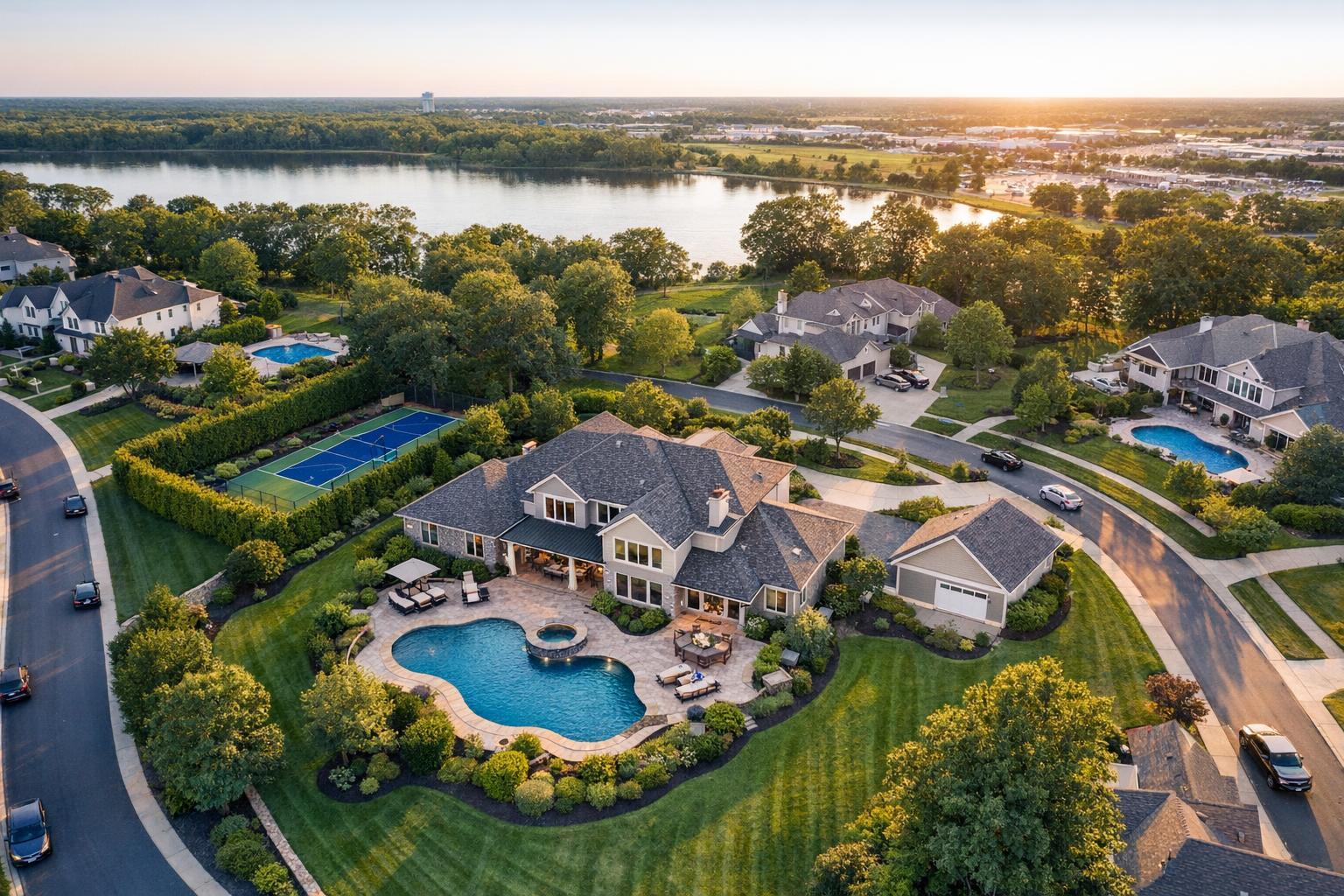
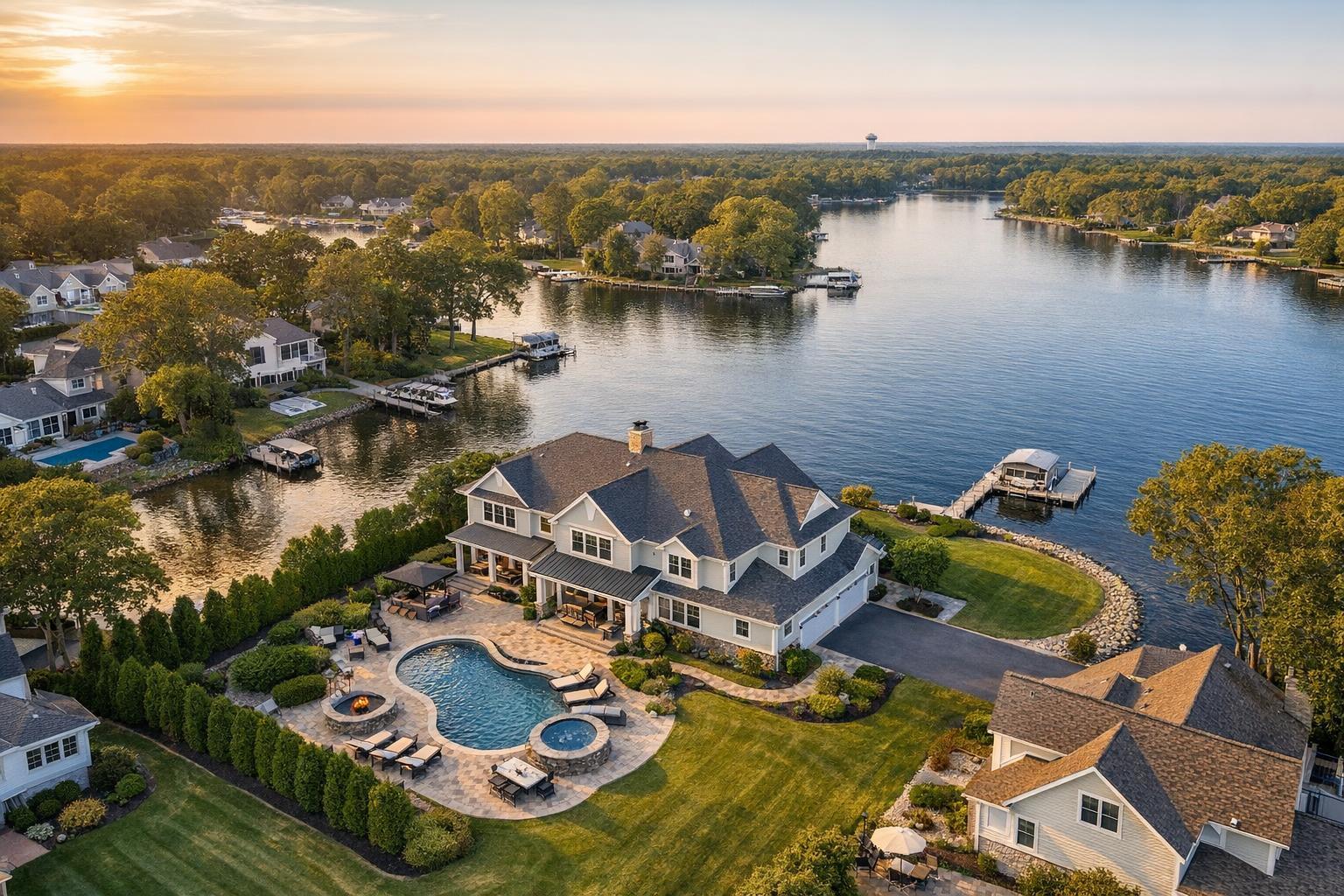
- Drone media: For homes with significant land, distinctive outdoor features, or a need for aerial context. In urban areas, drone flights happen case by case, depending on airspace, safety rules, and pilot judgment.
Smart Questions to Ask Before Hiring
To make sure you get what your listing really needs, consider asking:
- What’s the typical photo count for a property like mine?
- Can I see full galleries from similar listings?
- How do you handle window views and low-light spaces?
- What prep is required before the shoot?
- What’s your delivery timeline?
- Are add-ons like floor plans, video, 3D tours, or drone photography the right fit?
- Any access or building-specific details I should share?
- How are unique editing requests handled?
Expect practical, direct answers. A professional should explain what to expect at the property, what they’ll need from you, and how you’ll receive your images—no vague promises.
Local Insight: RealtaSnap for NYC and New Jersey Listings
RealtaSnap specializes in clean, professional listing photography and complementary real estate media for properties throughout New York City and New Jersey. Options include multiple photo packages, on-location video, advanced floor plans, interactive virtual tours, and aerial media. Everything is booked online with convenient scheduling, clear up-front pricing, and space for note-taking during checkout.
You can see more about RealtaSnap’s approach on the official website.
Choosing a real estate photographer is about more than checking off a list of features—it’s about partnering with someone who understands property, market, and messaging. With the right media, your listing can stand out for the right reasons.
If you have an upcoming property to list, we’d be happy to help with professional photography or tailored media support. Find information or schedule online anytime at www.RealtaSnap.com.
FAQ
Question: How many listing photos do I actually need for a Manhattan or Jersey City apartment?
Answer: It depends on the layout and highlights of your specific unit. Studios and small apartments need a focused set that covers main living space and key features, while larger homes may need additional shots for bedrooms, views, or unique areas. More isn’t always better—a thoughtful sequence helps buyers understand the property without repetition.
Question: Are floor plans included automatically with real estate photography?
Answer: Floor plans aren’t standard with all photo packages. They’re ideal for properties where the layout is a selling point, and they always require on-site capture rather than virtual or archival plans. You can add a floor plan to your order if it benefits your listing.
Question: Can I use virtual staging if a room is already furnished?
Answer: For clean, realistic results, AI virtual staging works best in empty or clutter-free rooms. If existing furniture is present, it needs to be removed before the photoshoot or a clutter-removal edit can be ordered. This makes the finished images look natural and ready for the market.