How to Choose a Commercial Real Estate Photographer for Your Property
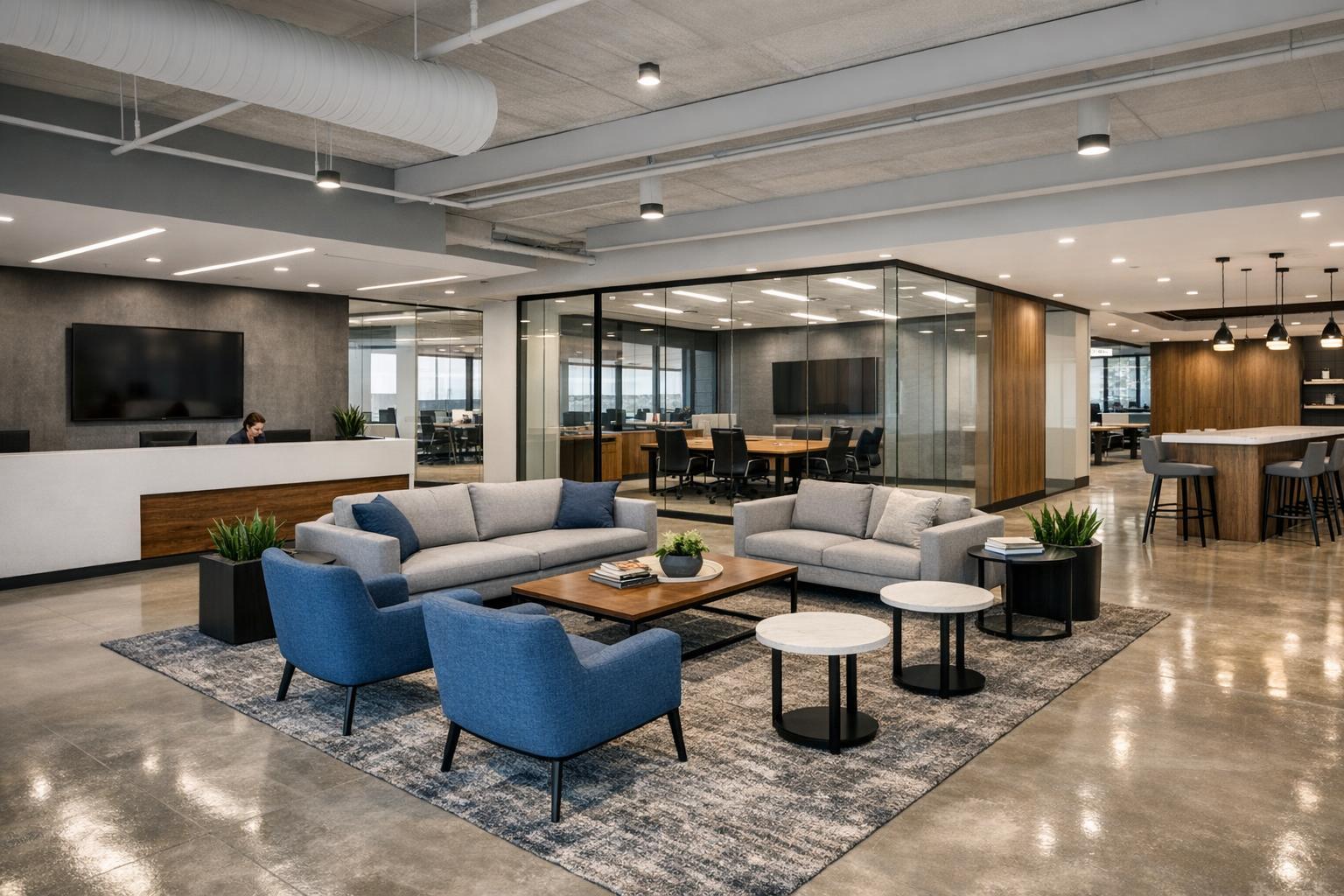
A commercial real estate photographer captured a modern office interior featuring a stylish reception area, open seating with gray and blue furniture, and a glass-walled conference room.

How to Choose a Commercial Real Estate Photographer for Your Property
Finding the right commercial real estate photographer can make a real difference in how your property is understood by buyers, tenants, or investors. A great image is about much more than beauty—it’s about giving viewers a true sense of scale, layout, finishes, and how a workspace or building might function every day. If you’re comparing photographers for properties in NYC or New Jersey, the process can feel different from hiring someone for a residential listing. Here’s a straightforward guide for brokers, property managers, landlords, and developers who want sharp, effective media that serves a business audience.
Think Strategically: What Does Your Property Need to Show?
Before contacting photographers or reviewing portfolios, take a moment to clarify your marketing priorities. The best commercial real estate photography solves specific problems:
- Leasing a space? Images should highlight usable square footage, flexibility, light, and the features prospective tenants weigh as they imagine working there.
- Selling an investment property? You might need coverage of building systems, common areas, and exterior context that underscores value and condition.
- Launching a new development? Consistent visuals can anchor presentations, investor decks, websites, and construction updates.
The intended audience—whether it’s a business owner, operator, or investor—shapes the shot list. For instance:
- Office Space: Reception, open plan areas, private offices, conference rooms, kitchen, window lines, and amenities.
- Retail Storefront: Exterior facing the street, signage, pedestrian access, neighboring businesses, display window exposure.
- Warehouse or Industrial: Loading dock, drive-in access, clear ceiling height, open floor area, office buildout.
- Mixed-Use or Multifamily: Curb appeal, model units, resident amenities, street context, retail components.
Remember, a polished look is good, but showing the true character, layout, and utility matters more for commercial listings.
What Sets Commercial Photography Apart?
Commercial work isn’t just about visual appeal. Buyers and tenants are making decisions with long-term operational consequences, so photos need to deliver clarity and detail that go beyond lifestyle staging:
- Accurate Perspective: Straight vertical lines help convey the actual proportions—critical for offices or warehouses where size and access matter.
- Sense of Scale: Good images give a real feeling for room dimensions, ceiling height, and walkways.
- Lighting Consistency: Natural and artificial lighting should be balanced to keep details visible, making spaces feel open and honest.
- Architectural Details: Unique finishes, glass partitions, upgraded restrooms, or modern kitchens all set some properties apart.
- Functional Access: Entries, elevators, ramps, parking, and key amenities should be shown clearly.
- Context: Exterior shots should reveal building approach, nearby businesses, transit options, or neighborhood fabric.
Great commercial photographers are equipped to handle the idiosyncrasies of the category—giant open warehouses, reflective glassy offices, retail during business hours, or projects in tight urban settings.
How to Evaluate Portfolios—and What to Ask
Don’t just look for pretty pictures. A photographer who “gets” commercial real estate will show you previous projects that align with your property type and marketing goals. Consider these practical questions as you review their work:
- Are interiors bright yet true to life, with views and details preserved?
- Do spaces look believable in terms of size and layout, rather than stretched by ultra-wide lenses?
- Are verticals consistently straight indoors and out?
- Is there a smart mix of wide shots (for context) and focused details (for features)?
- Can you easily understand how a visitor would enter, navigate, and use the property?
- Has the photographer documented active spaces or only vacant ones?
- Are the edits and colors consistent across the portfolio?
An experienced commercial property photographer should be able to walk you through their approach—why certain shots matter for brokers versus investors, how they coordinate with building management, and what makes an image useful for your specific audience.
Planning for a Smooth Shoot: Communication Is Everything
Most commercial sessions benefit from a little planning up front. The conversation before booking doesn’t need to be lengthy, but it should quickly cover:
- Target audience and listing channels (leasing, sale, investment, development)
- Areas of the property that are most important to market
- Timing constraints (when will spaces be vacant, is access limited, do you need to shoot around tenants or staff?)
- Any “problem spots” that require extra care (glass walls, delivery bays, parking lots, or close proximity to busy urban streets)
If there are building rules, managed access, security points, or tenant protocols, share those with the photographer in advance. In NYC, even a minor access issue—like a restricted freight elevator—can affect the day’s timeline. New Jersey sites may require longer travel across a campus or coordinating with multiple property managers.
Photographers who ask good operational questions early on tend to deliver better, more targeted results.
Working with Occupied, Active, or Sensitive Spaces
Commercial real estate rarely sits empty. Offices may have workers present, stores might be open, and industrial spaces could have contractors or deliveries coming and going. Respectful, organized planning makes it possible to deliver clean visuals while minimizing disruption.
Preparation goes a long way:
- Clear clutter, personal items, boxes, and extraneous signage from camera views
- Verify which lights, blinds, and access points can be used during the shoot
- Ensure glass and reflective surfaces are clean
- Coordinate with any staff who need to appear—or not appear—in photos
- Grant access to all spaces that should be featured, such as amenities, rooftops, or loading areas
Some properties are photographed best when partly occupied, to show scale and possible use. The difference between “purposeful activity” and “distraction” is often cleanliness and forethought.
Supporting Media: When Photos Aren’t Enough
While high-quality stills are the foundation for most marketing, certain properties benefit from other visuals:
- Video walkthroughs give a strong sense of movement and connectivity, letting viewers understand how a space flows from the exterior to the interior. These aren’t slideshows; they’re planned productions, best for larger offices, retail, or development sites.
- Floor plans provide spatial clarity for suites, retail, and multifamily. For commercial accuracy, these should be captured onsite—never drafted from old PDFs.
- Virtual tours (3D or 360) allow remote prospects to walk through spaces at their own pace. Like floor plans, they require physical scanning.
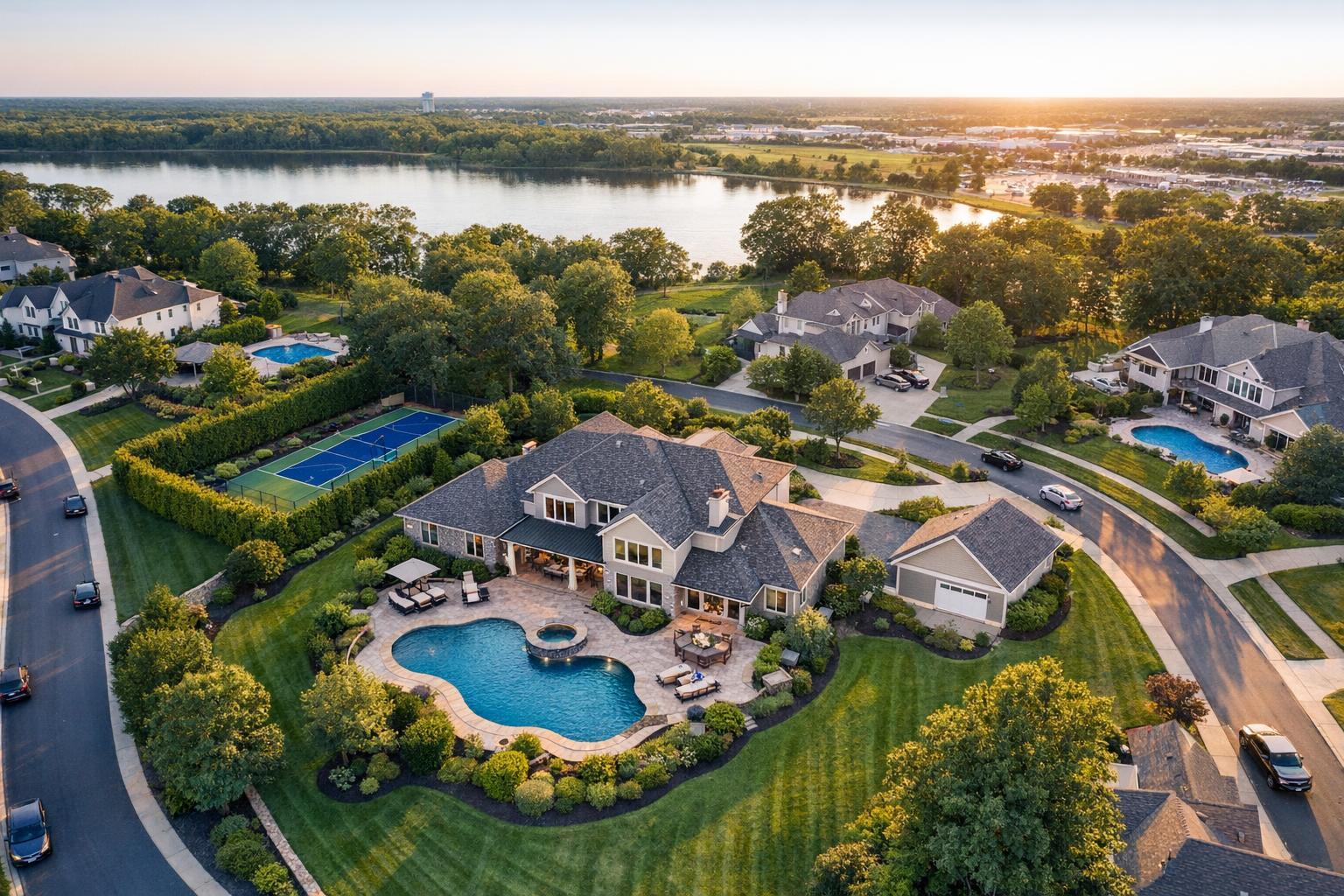
- Aerial drone imagery can show building scale, context, parking, and location features, especially for industrial, development, or suburban office sites. Drone flights depend on FAA rules, weather, access, and local airspace. In NYC and dense metros, feasibility is decided on a case-by-case basis—ask early if aerials are essential.
Comparing Photographers: Look Beyond Price
While budget matters, the lowest price rarely includes the careful planning, site coordination, and editing required for reliable commercial work. Instead, compare providers by asking:
- What property types does your portfolio include, and can you share examples similar to mine?
- How do you develop the shot list and staging plan for commercial properties?
- Can you work flexibly with occupied or access-restricted environments?
- Are video, floor plans, 3D tours, or drone services available as part of the package?
- How are edits, additional coverage, or special requests handled?
- What do you need from me before the shoot?
- How are digital files delivered and organized for marketing use?
Clear, confident answers signal a photographer who understands the realities of commercial real estate, not just polished images.
NYC and New Jersey Context: Local Knowledge Matters
The commercial landscape in NYC and New Jersey is filled with complexities: landmarked buildings, busy lobbies, limited parking, secure elevators, or multi-tenant office towers. Local experience means your photographer already knows these challenges and will talk proactively about timing, permits, and best practices.
RealtaSnap works throughout New York City and New Jersey, tailoring each session to local building realities. You can select your desired media package and schedule directly online; sharing address details and marketing priorities from the start sets the project up for success. View more about our real estate photography for NYC or see options in New Jersey.
Final Thoughts: Turning Your Brief Into Compelling Images
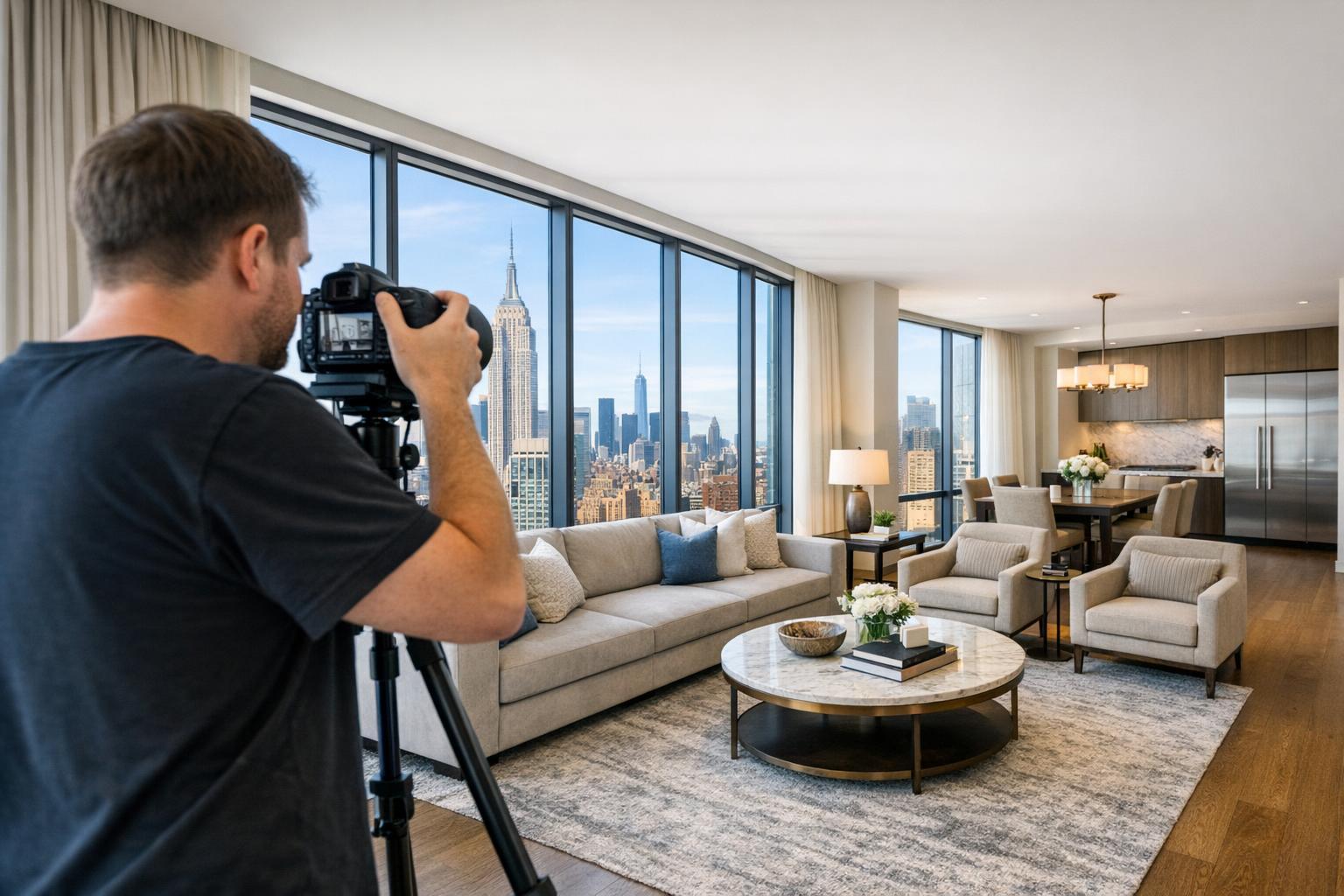
Choosing a commercial real estate photographer is part creative decision, part logistical planning. The best results come from a provider who understands not just how to take good photos, but how to explain a space in a way that fits your goals, audience, and property type. For some it means balancing city views with conference rooms and amenities; for others it’s communicating clear building access, retail frontage, or warehouse circulation that wins over tenants and buyers.
If you’re getting ready to market your next commercial property—and want the media to work as hard as you do—RealtaSnap can help craft a solution that’s focused, consistent, and tailored for professionals. Learn more and schedule online at www.RealtaSnap.com.
FAQ
Question: What should I prepare or send to my commercial real estate photographer before a shoot?
Answer: It helps to provide the property address, property type, marketing goals, access notes or restrictions, building or tenant requirements, and a shortlist of spaces or features to highlight. Floor plans or any existing marketing material can add context, but new floor plans do require an on-site visit for accurate capture.
Question: How do I know how many photos a commercial listing really needs?
Answer: The amount depends on property size, complexity, and marketing purpose. A single retail suite might only need a few targeted images, while a large office or warehouse could benefit from broader coverage to explain circulation, amenities, and unique features. The goal is to clearly tell the story, not to overshoot redundant views.
Question: Is AI virtual staging an option for empty commercial spaces?
Answer: Yes, AI virtual staging can help visualize an unfurnished office, lounge, or similar area. For best results, spaces should be empty or fully cleared—existing furniture must be removed physically or through a separate clutter-removal edit before staging is added. Staging over existing furniture isn’t recommended for professional, realistic results.