How to Choose a Real Estate Photographer for Your NYC or New Jersey Listing
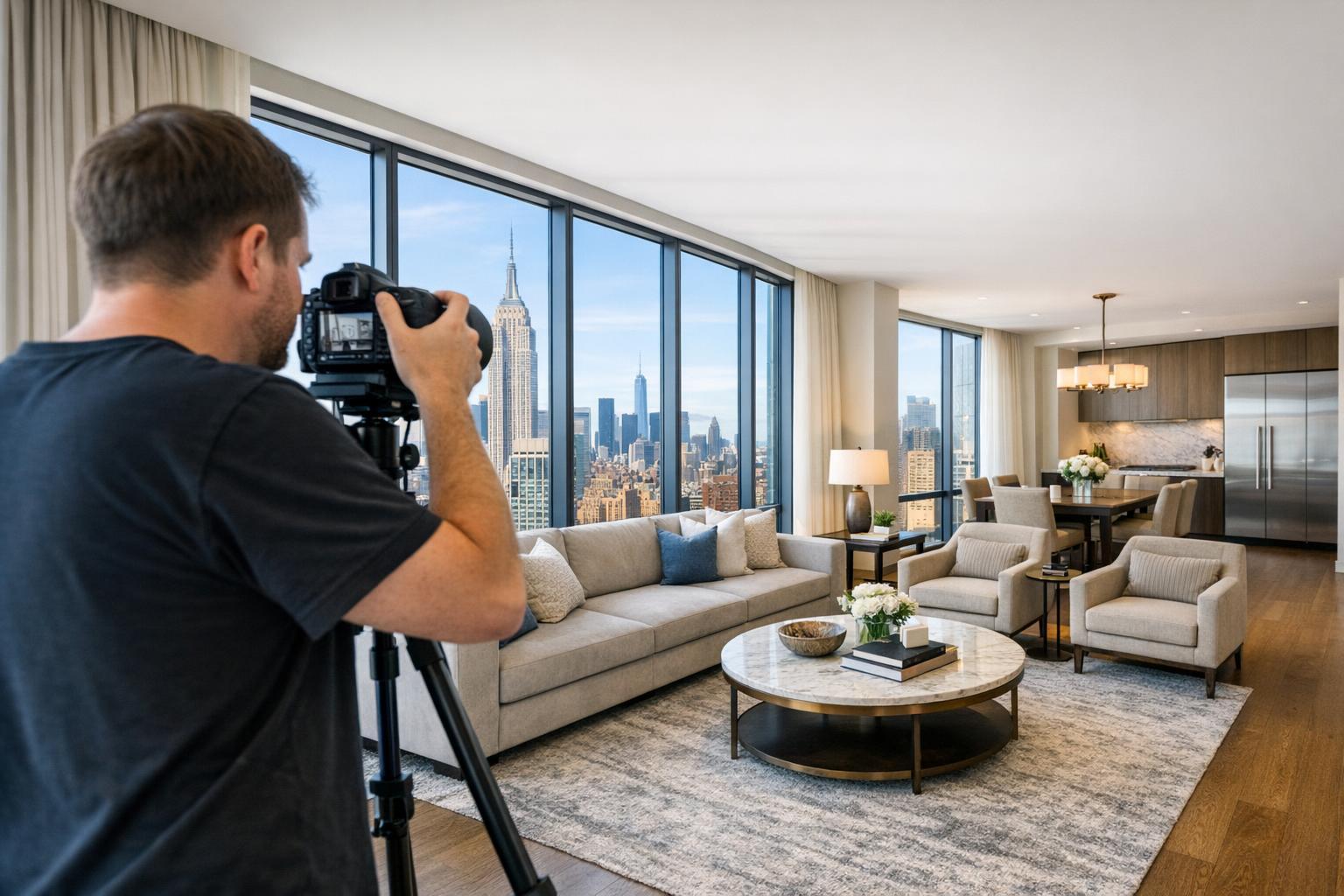
A real estate photographer captures the stunning view from a luxurious, modern apartment with large windows overlooking a city skyline.

How to Choose a Real Estate Photographer for Your NYC or New Jersey Listing
A real estate photographer in NYC or New Jersey is more than just someone with a camera—they're your partner in making properties shine online. Especially in markets as diverse as Manhattan, Brooklyn, and New Jersey, capturing a property’s real character helps potential buyers and renters actually understand what’s on offer.
Finding the right property photographer comes down to more than scrolling through a pretty portfolio. Whether you’re an agent, broker, property manager, or owner, here’s how to look deeper and book with confidence.
Portfolios: Go Beyond the Highlights
It’s natural to glance at a real estate photographer’s best shots, but an eye-catching hero image doesn’t tell you how they’ll handle an entire listing. Ask to review full galleries—ideally, shoots that show the property from basement to rooftop. Pay attention to:
- Whether the brightness and lighting feel consistent from room to room
- If colors look natural (white walls in the living room shouldn’t look blue in the bedroom)
- Walls, cabinets, and door frames staying straight and undistorted
- Clear flow from one space to the next
- Window views preserved without turning interiors into dark silhouettes
- Honest portrayals of challenging spaces, such as small bedrooms or windowless baths
The goal isn’t to make every property look enormous or flawless, but to ensure viewers get a fair and coherent sense of the place as a whole.
Respecting Space and Lines
Wide-angle lenses are a staple in real estate photography services because they help show more of each room. But not all wide shots are created equal. Overdoing it can leave walls bending and proportions warped. As you scan through past work, check if vertical lines (doorways, bookcases, pillars) look as they do in person. Overly stretched rooms or cartoonishly tall windows can set up buyer disappointment—and lead to wasted showings.
A good property photographer composes each shot to balance openness with honesty. The right angle in a compact co-op bedroom will tell the story of its layout and daylight without pretending it’s palatial. Look for images that help viewers grasp what’s possible, not what’s impossible.
Light: The Deal-Maker
Lighting can be a wild card from one property to the next, sometimes even from one floor to another. An uptown apartment might have walls of sunshine in the morning and corners in shadow by afternoon. A New Jersey colonial could be a mix of sunrooms and dim basements.
Talk to photographers about how they approach tricky light—do they balance bright windows and darker interiors? Can they handle the warmth of incandescent bulbs without turning everything orange? Finished galleries should look natural, with wood grains and surfaces reading true to life. Heavy editing can make images pop, but if buyers arrive to find a space that looks nothing like the photos, trust is lost.
Editing with Restraint
Every listing benefits from careful editing, whether it’s basic exposure tweaks or minor corrections. But when it comes to real estate photography services, editing shouldn’t overshadow reality. Some photographers use an airy, bright style while others lean toward bold contrasts—either is valid if it fits the property.
Ask upfront what’s included in post-production. RealtaSnap, for instance, photographs properties as they physically exist. Extra edits, such as clutter removal or virtual twilight, can be arranged for an additional fee. If you’re considering virtual staging for vacant spaces, keep in mind that it works best in empty, undistracted rooms. Existing furniture and clutter typically need to be removed or addressed first for a realistic result.
Fit Matters: Match Skills to the Property Type
Familiarity with local property types is a plus, especially in a region with such variety.
City Apartments & Co-ops
Small Manhattan or Brooklyn apartments often have unusual spaces—tiny kitchen/dining combos, alcove “bedrooms,” and long halls. The best photographers know how to emphasize functionality and capture the layout in a way that makes sense online. Remember to clarify building rules (visitor registration, insurance, elevator scheduling) before photo day to keep things running smoothly.
Brownstones & Townhomes
Brooklyn brownstones can be all about architectural detail, from winding staircases to crown molding and garden entrances. Look for property photographers with experience stitching together multiple levels into a coherent story, making vertical flow and special features easy to grasp.
Larger New Jersey Homes
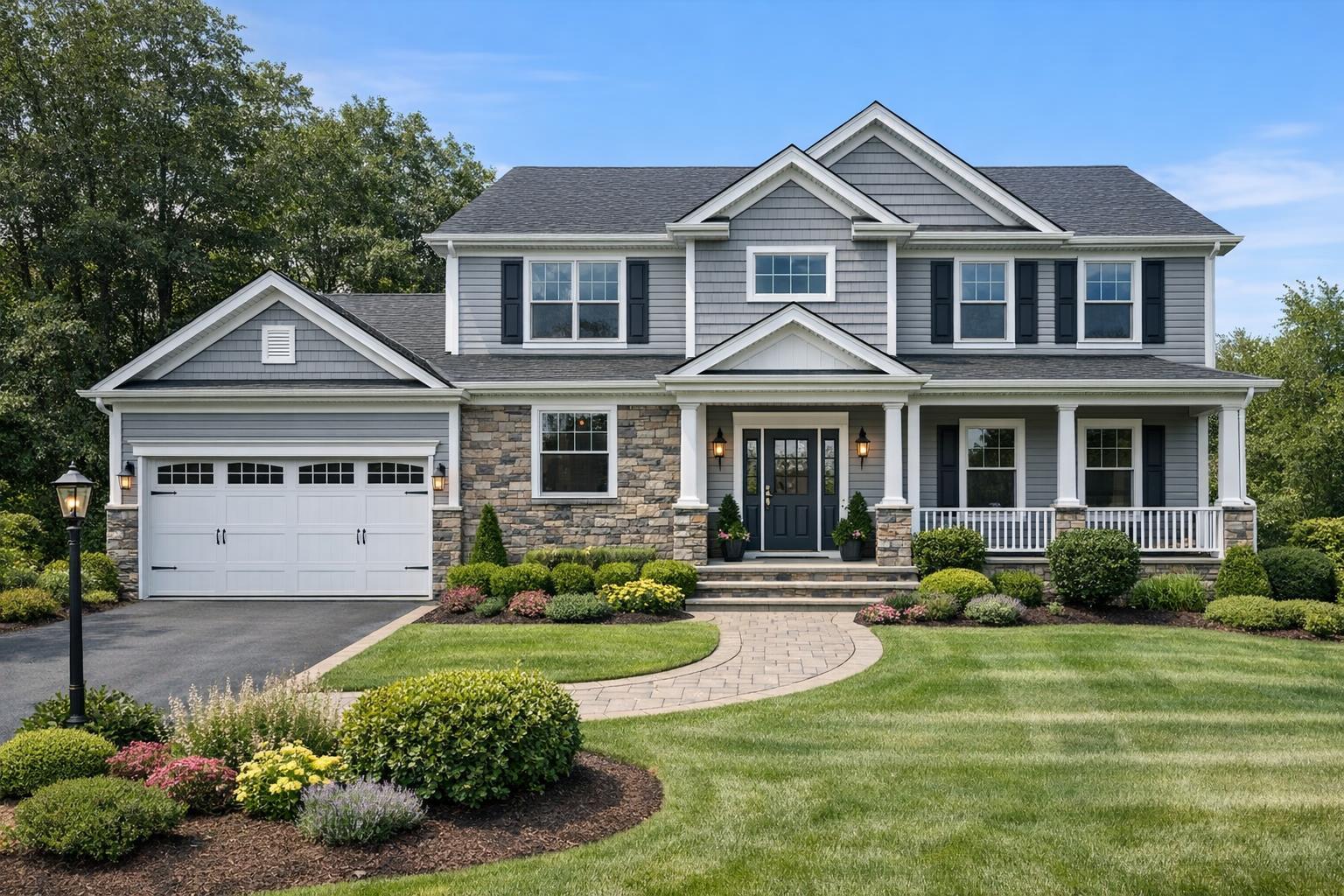
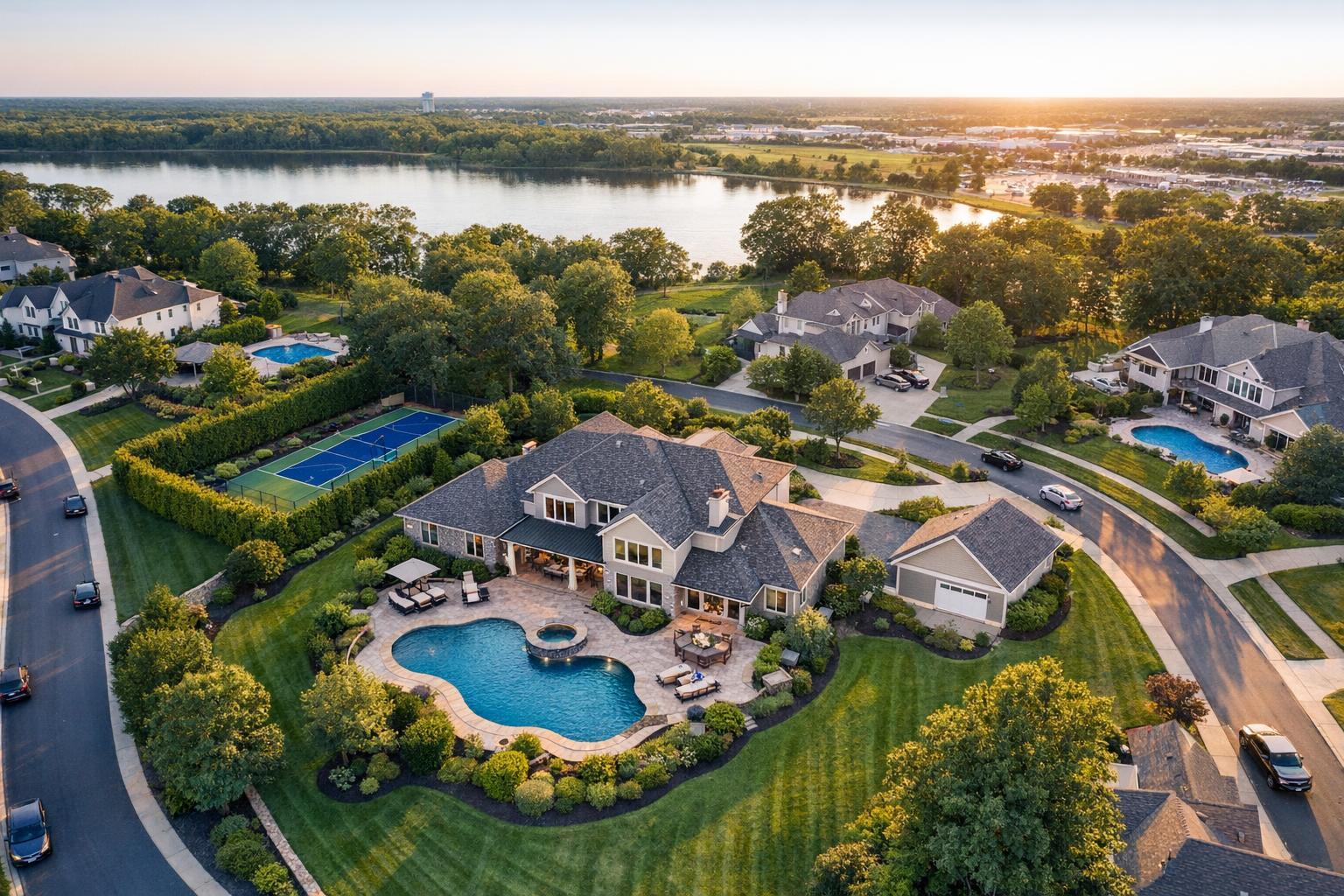
Suburban listings may need more coverage—think multiple bedrooms, finished basements, garages, and outdoor areas. When a home’s setting is part of its value, drone photography might be worth adding. Just remember: flights depend on airspace, weather, safety, and access, so drone coverage should be confirmed with the provider before assuming it’s possible.
Prep and Planning: Set the Stage
Great photos start before the camera comes out. Spend time talking with the photographer about:
- Whether the property is vacant, occupied, or tenant-occupied
- Rooms or features you want highlighted
- Building or site access instructions
- Parking and elevator logistics
- Presence of pets
- Which lights, window coverings, or outdoor areas can be prepped in advance
- Any time constraints due to building or owner needs
- If you want photography alone or additional services (like floor plans or video)
Occupied homes benefit from decluttering—clear kitchen counters, hide pet bowls and personal items, tuck away stray cords, and open the blinds. For larger homes, don’t forget the outside: move cars, tidy patios, and straighten up yard spaces.
Is Photography Alone Enough?
Most listings rely on still photography, but sometimes a floor plan, video, or 3D tour adds real value.
- Floor plans offer a sense of space and flow, especially handy for unusual layouts, multi-level homes, or properties with flexible rooms. These generally require on-site capture.
- Listing videos give a sense of movement and atmosphere. A well-shot video shows how areas connect, ideal for homes with dramatic entries, open-plan living, or outdoor features. RealtaSnap captures true listing video on site rather than creating slideshow videos from still photos.
- 3D virtual tours let remote buyers explore interactively, which is a strong option for vacant properties or ones geared toward relocation buyers. Like floor plans, these require on-site scanning.
- Drone images tell the story of a property’s location—think lot shape, nearby amenities, or waterfront positioning. Drone use is always contingent on local regulations, weather, safety, and access.
You can learn more about what’s possible for your listing on the RealtaSnap website.
Communication and Delivery: Not Just the Photos
The best real estate photographers aren’t just creative—they’re dependable. In a city or state where schedules, tenants, building managers, and sellers all need to be coordinated, easy and clear communication can be as valuable as the right lens.
Some questions to ask before hiring:
- How do they prefer to receive access instructions?
- What preparation is expected before photo day?
- How are special requests handled or logged?
- What’s included in the standard image count or package?
- How do you add extra services or media?
- How are final files delivered?
- Who do you contact with last-minute changes?
RealtaSnap’s online booking keeps things straightforward. You’ll enter the address, add any instructions, select services and extras, pick your appointment time, and leave special notes. Standard shoots need at least 24 hours’ notice, and payment is taken care of at booking. It’s an efficient process designed to save everyone time.
Bringing It Together for Your Next Listing
Hiring a real estate photographer is about more than flashy images. Consistency, accuracy, lighting, editing choices, property-type experience, and solid processes make a real difference across all types—from cozy NYC co-ops to sprawling New Jersey homes. The right photos help potential buyers or renters actually picture themselves in the property and understand what makes it special.
If you have an upcoming listing and want to see what professional, on-site property photography can do, we invite you to visit RealtaSnap.
FAQ
Question: How many photos should I order for a listing?
Answer: The best number depends on your property's size and key features. A smaller apartment usually needs fewer images than a house with several stories, outdoor amenities, or unique spaces. Aim for enough coverage to give a clear picture—without repeating the same view.
Question: Is a floor plan necessary for every listing?
Answer: Not every property requires a floor plan, but it’s helpful for spaces with complex layouts or unusual configurations. If you know layout will matter to buyers, book the floor plan for the same appointment so all the capture happens together.
Question: Can virtual staging be used for rooms with furniture?
Answer: Virtual staging works best for empty rooms. If the space has existing furniture, it should be removed, or a separate clutter removal edit should be ordered first so the final staged image looks natural.