How to Choose a Real Estate Photographer in NJ for Your Next Listing
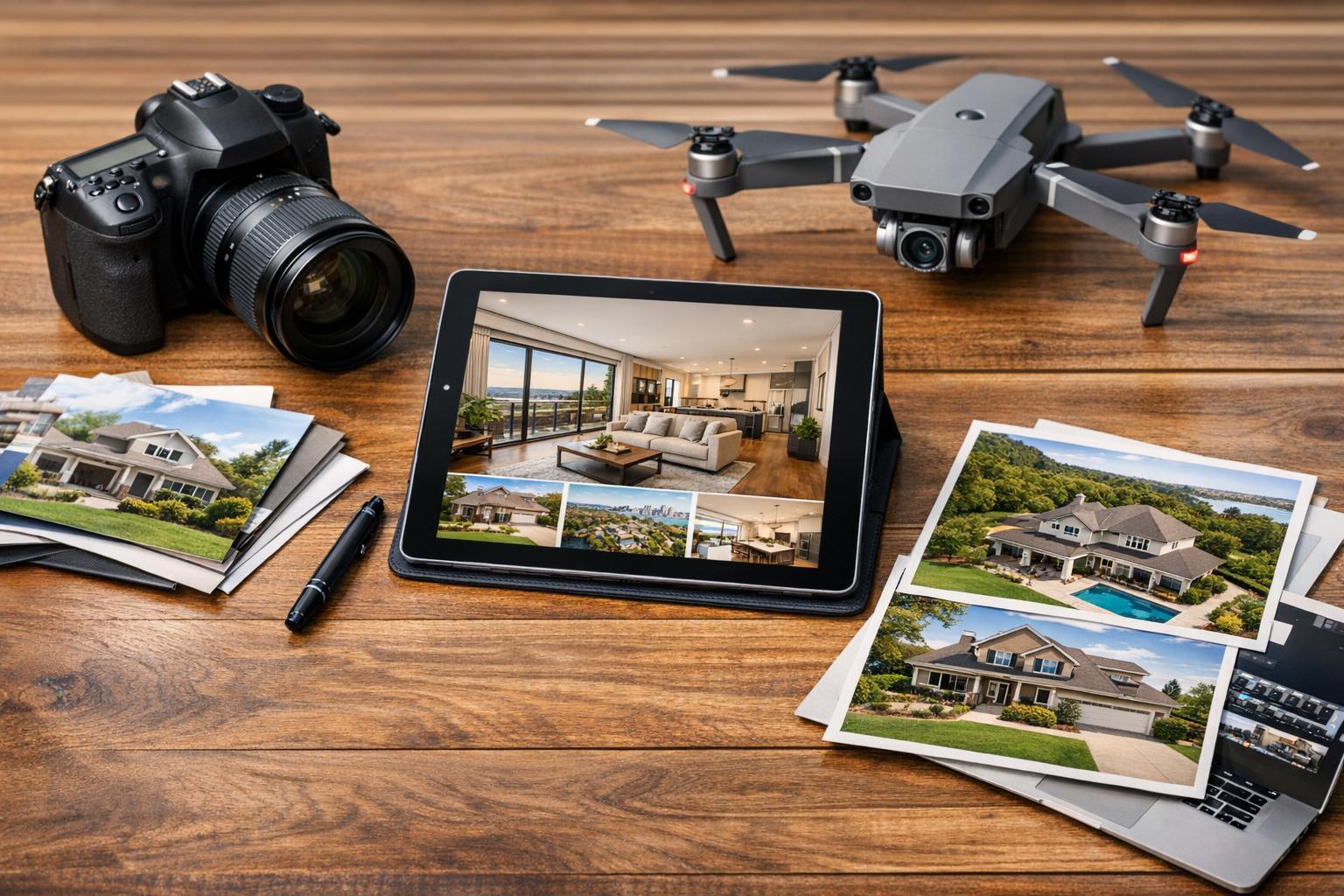
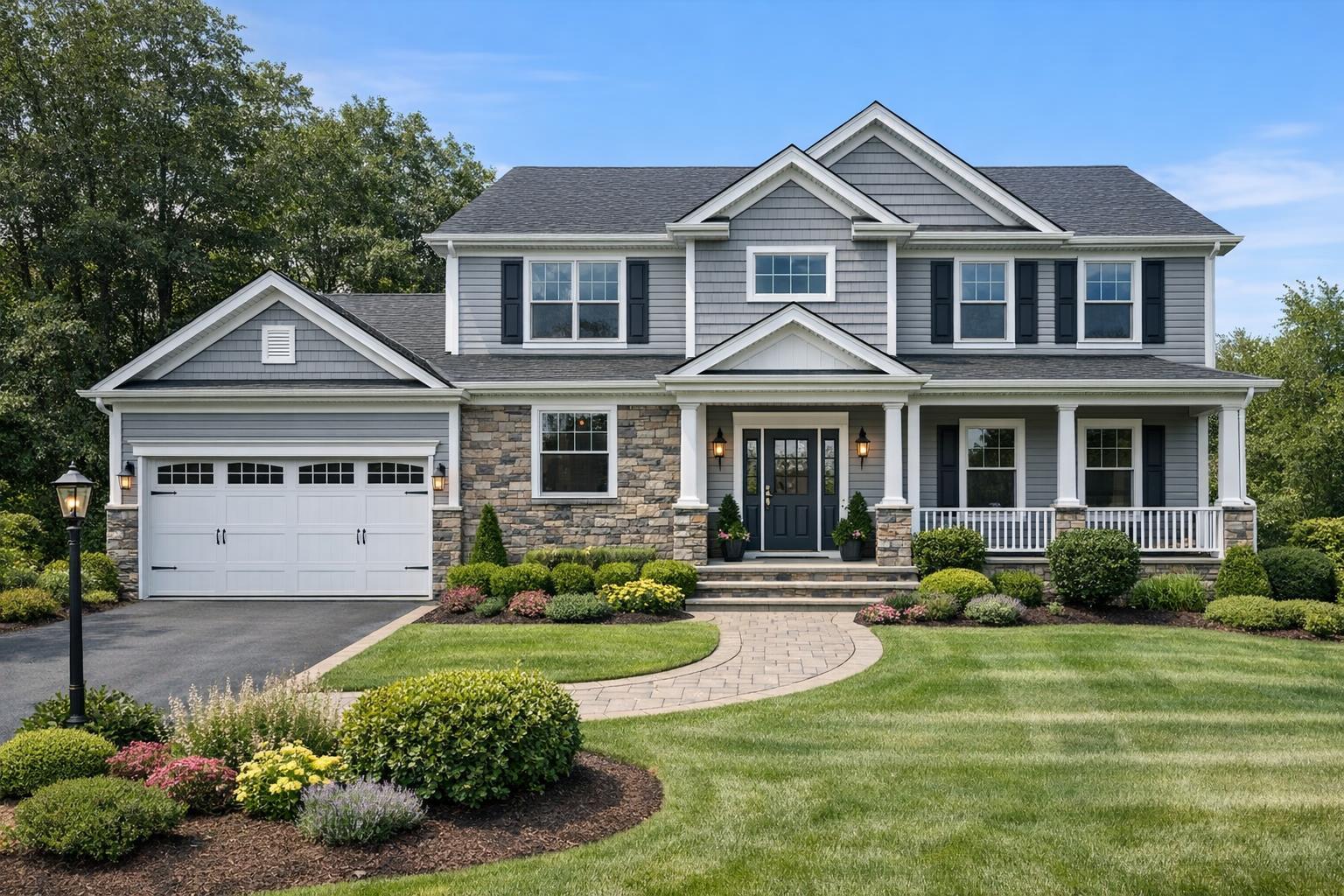
A beautifully landscaped suburban home with classic architectural design is showcased by a real estate photographer in NJ.

How to Choose a Real Estate Photographer in NJ for Your Next Listing
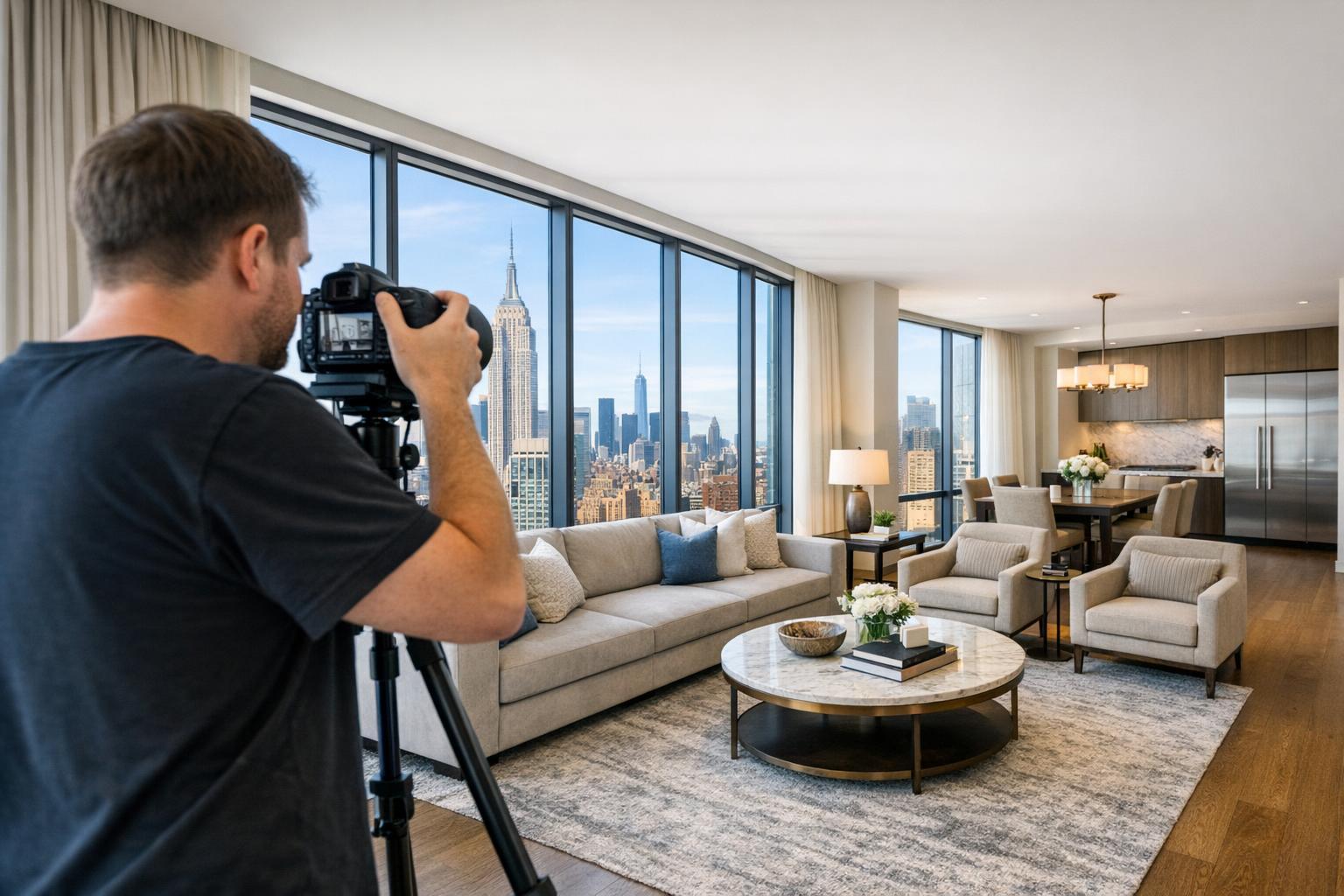
Finding a real estate photographer in NJ who understands local needs, delivers consistently high-quality images, and keeps your life simple isn’t just a perk—it’s essential. Whether you’re listing a compact Hoboken condo, a classic North Jersey colonial, a Jersey Shore retreat, or a commercial property, the images are the first thing buyers notice. The right photographer does more than snap sun-filled living rooms. They create a trustworthy visual introduction, helping everyone from buyers to commercial tenants understand the space before they ever schedule a tour.
Let’s walk through what to really consider when hiring a New Jersey listing photographer, and why practical details matter just as much as a portfolio of dramatic images.
Evaluating Photography—What Matters Beyond the Portfolio
A beautiful portfolio is a start, but it’s only a piece of the puzzle. Ask to see galleries from a range of recent shoots, not just highlight reels. You’ll want to know how the photographer handles:
- Cramped spaces or narrow rooms (think brownstone hallways or smaller condos)
- Big windows or bright outdoor views that can blow out a photo
- Dark interiors, basements, or rooms without daylight
- Bathrooms and utility areas, where honest representation is key
- Both occupied and vacant homes
- Exteriors during all seasons and lighting conditions
- Unique architecture, open layouts, and tricky angles
The images should feel inviting, polished, and realistic. Beware of photos where wide-angle lenses turn small rooms into palaces, or heavy editing changes the true color of cabinets and floors. The magic is in clear, honest representation—making a property look its best while staying believable.
Consistency is non-negotiable. Anyone can nail a few hero shots, but your listing deserves a photographer whose quality holds steady throughout the entire property—every room, every address.
What Distinguishes Professional Real Estate Photography?
Professional real estate photography is both a technical craft and a visual storytelling service. Here’s what to look for in each gallery:
- Balanced exposure and true-to-life color: Interiors should be properly lit, but you should still see out the windows. White walls shouldn’t appear blue, yellow, or messy, and wood tones should look rich without being orange.
- Straight lines and honest perspective: Kitchen cabinets, door frames, and windows should look straight—not leaning or distorted. The photographer should capture rooms as they are, neither stretching nor shrinking their proportions.
- Logical sequencing: The photo set should guide viewers through the property in an order that makes sense, not just jump from the kitchen to a random bathroom to the exterior. Expect to see a story that starts at the curb and flows inside, showing main living spaces before diving into details.
A strong real estate photographer will tailor their coverage for each property, highlighting what truly matters to potential buyers.
Property Type Drives Coverage—and the Photographer Should Know the Difference
New Jersey’s variety is one reason real estate photography here is never one-size-fits-all. Your photographer should adjust their approach depending on the type and location of the listing:
Condos in Hoboken and Jersey City
With smaller, often modern spaces, the challenge is to show openness without distortion. Ask if building amenities (lobby, gym, roof deck, parking) can be included and whether access is allowed. Floor plans are often helpful too, giving buyers context that even the best photo can’t always convey.
North Jersey Single-Family Homes
Here, you might need broader coverage—multiple bedrooms, open-plan living, finished basements, outdoor spaces, and curb appeal shots. Tips like clearing the driveway, tidying patios, and sprucing up landscaping before the shoot make a real difference.
Shore Properties
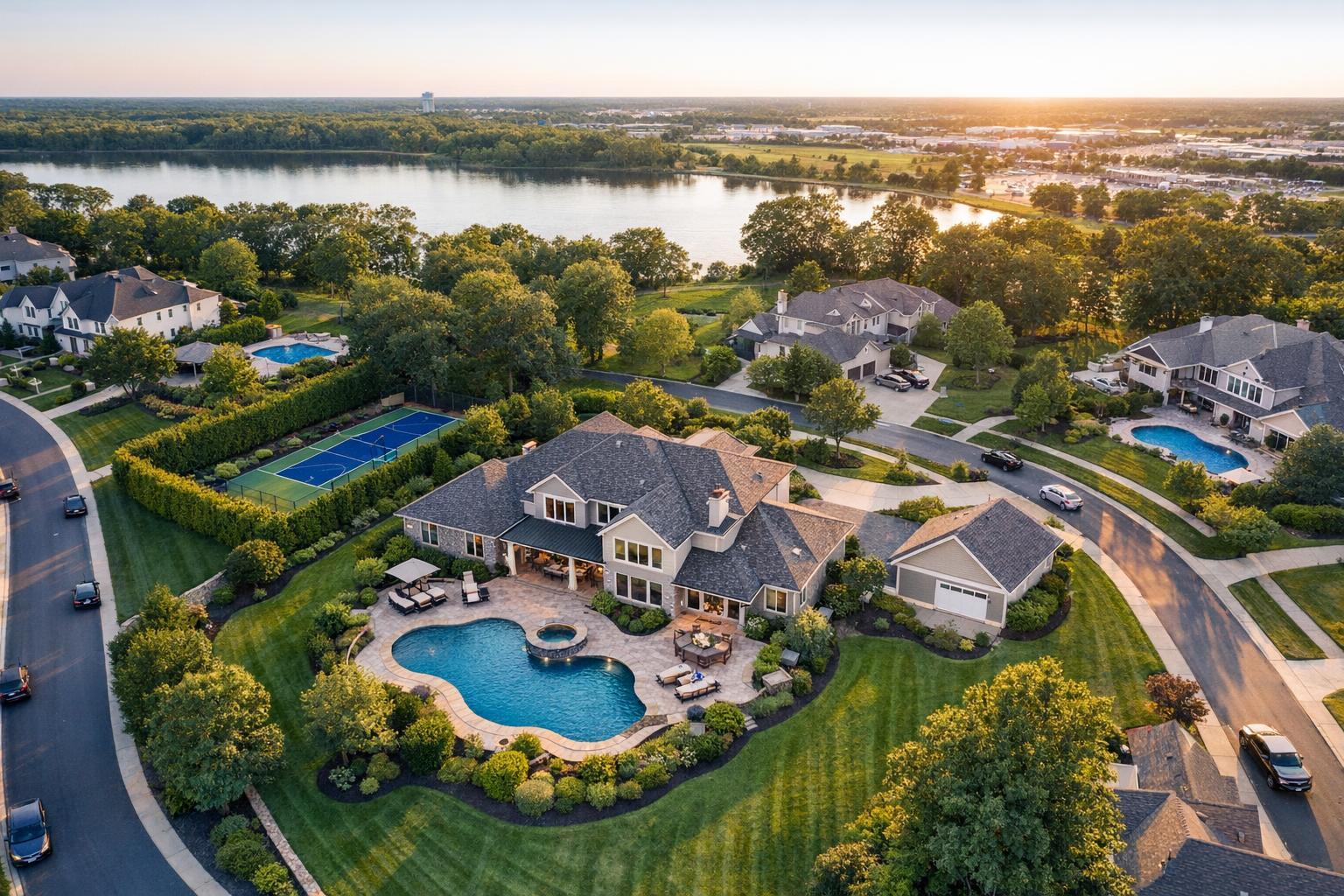
Oceanfront and lakefront homes often need their unique setting shown along with decks, water access, or proximity to the beach. When aerial shots make sense (and local regulations, airspace, weather, and access allow), drone photography can show off the lot, views, and context in a way ground-level images simply can’t. Your photographer should discuss drone feasibility case by case rather than treating it as automatic.
Commercial Real Estate
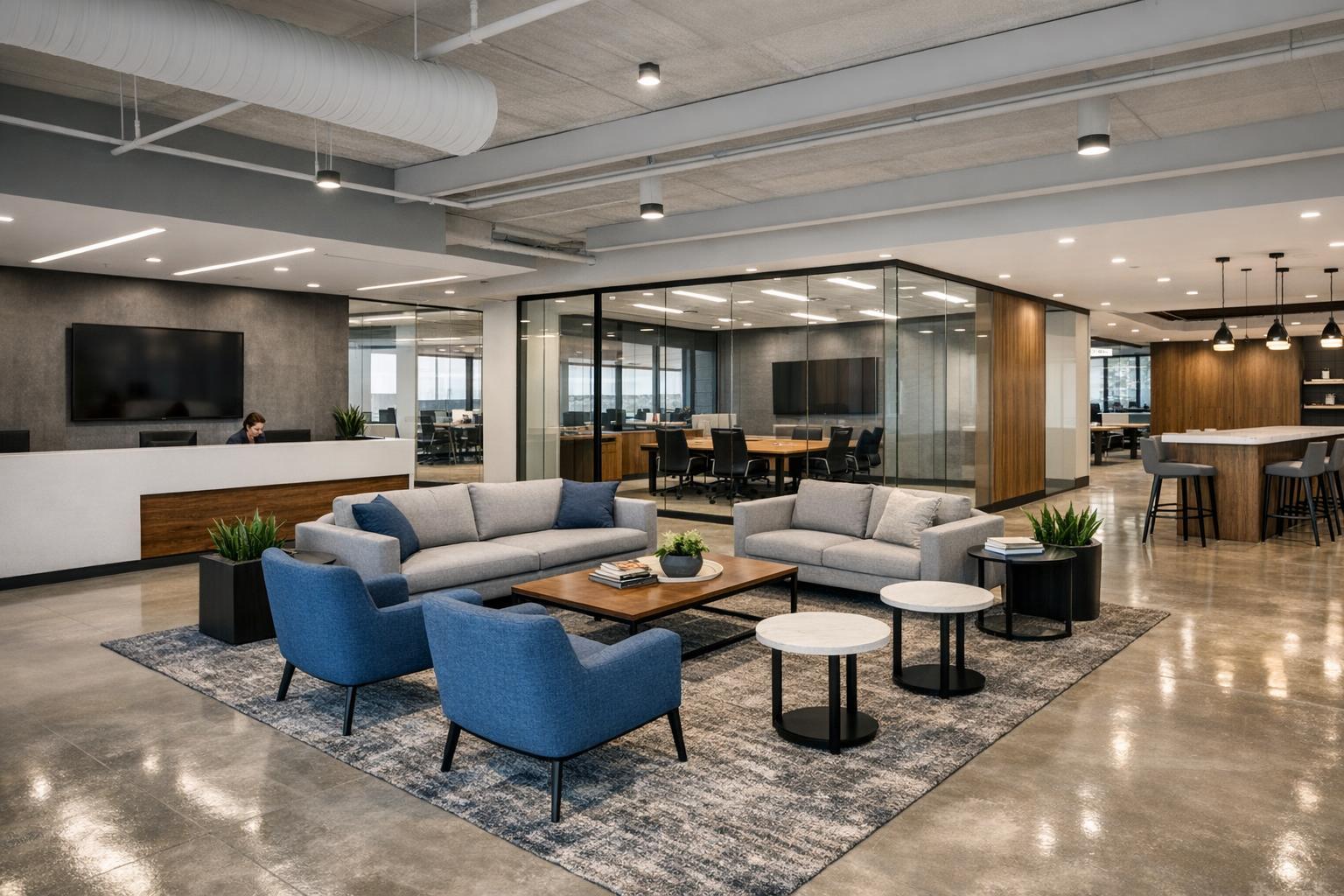
The goals may be entirely different for a retail storefront, office suite, or industrial space. Here, you want a photographer who asks good questions about the intended audience—what actually sells this property? That could mean wider shots, signage, street-facing entrances, or showing how work areas connect.
Communication and Process—What to Ask Before You Book
A polished final gallery is great, but a smooth process and clear communication make everything easier. Before confirming your booking, consider asking:
- What should be cleaned or staged ahead of time?
- How long will the shoot take, and who needs to grant access?
- Are there special considerations for building entry, parking, or shared amenities?
- How are requests for extras (like drone, floor plans, or video) handled?
- When will finished photos or media be delivered?
- Can multiple services (photography, video, floor plans) be bundled in one appointment?
Getting answers upfront helps everyone: the property is presented in its best light, and you avoid hiccups like missed rooms or delays.
Getting a Property Ready—Simple Prep Steps That Matter
Even the best real estate photographer can’t “fix” a property that isn’t prepped. The good news? Preparation doesn’t need to be overwhelming. A basic checklist:
- Clear kitchen countertops, remove papers and cleaning supplies
- Hide cords, pet items, and personal photos where possible
- Make beds, fluff pillows, clear clothes and shoes from sight
- Replace or remove burned-out light bulbs, switch on the rest
- Open blinds/curtains to show off good views (but close them if the view is less desirable or privacy is needed)
- Tidy up exterior spaces: move cars, tuck away trash bins, straighten outdoor furniture
- Make sure every area to be photographed is accessible
Thinking about virtual staging for an empty room? It works best when the space is truly empty—if there’s furniture, it typically needs to be removed, or clutter-clearing edits handled in advance.
When to Add Floor Plans, Video, Virtual Tours, or Drone Media
Photos are the foundation of your listing, but other tools can solve common challenges:
- Floor plans: Help buyers understand how rooms connect, especially in multi-story homes or apartments with unusual layouts. Physical access is needed—these aren’t built from PDFs or past listings.
- Listing videos: Go beyond a photo slideshow. RealtaSnap, for example, films video on-site to showcase flow and movement, which can be especially impactful in homes with great layouts or outdoor living.
- 3D virtual tours: Let remote buyers navigate the space interactively. Useful for relocation scenarios or listings where layout is key. Like floor plans, these require an on-site scan.
- Drone photography: Adds value when surroundings matter (large lots, water views, or commercial property context). Availability depends on FAA rules, weather, airspace, and pilot assessment—ask about feasibility for your specific address.
Booking and Delivery: What a Professional Experience Looks Like
You should be able to book and manage your real estate photography in NJ without endless phone calls or email chains. Look for a provider (like RealtaSnap) that offers:
- Online scheduling, where you enter your service address, select from available dates and times, and specify any relevant property notes
- Clear options for add-ons and bundled media services
- Upfront payment handled directly at checkout, with a simple process for sharing access instructions or special requests
- A real-time calendar—if you see the date open, it’s available
To see how this works in practice, explore the New Jersey real estate photography details.
Choosing a Listing Photographer: What Really Matters
Rather than getting dazzled by a few flashy images, focus on finding a real estate photographer who delivers:
- Accurate, inviting photos with consistent exposure and color
- Honest depiction of spaces—no misleading perspectives or over-editing
- Attention to architectural details and clean composition
- Flexibility in approaching different types of properties (condos, houses, shore homes, or commercial spaces)
- Communication that guides you from property prep to finished gallery
- Efficient, easy online booking and reliable delivery
Media add-ons—like video, floor plans, virtual tours, and drone imagery—are worth considering, but only when they fit the actual needs of the listing.
If you have an upcoming property to list anywhere in New Jersey, RealtaSnap specializes in listing-focused media built for marketing clarity and buyer confidence. You can book photography and media online at www.RealtaSnap.com.
FAQ
Question: How soon should I reserve a real estate photographer in NJ?
Answer: It’s best to book as early as possible, especially for listings with complex access or when you’re bundling photography with video, floor plans, or drone work. RealtaSnap requests at least 24 hours’ notice for standard appointments, and their calendar shows real-time availability.
Question: Is it really necessary to get a floor plan for my listing?
Answer: A floor plan can be a big help when layout or room flow might be a selling point—or when touring buyers may not be local. Floor plans are captured on site (not created from old PDFs or photos), so the property must be physically accessible for this service.
Question: Can I ask for virtual staging in a furnished room?
Answer: Virtual staging is intended for empty rooms. If existing furniture is still in place, it should be physically removed, or basic clutter removal edits need to be handled first for realistic virtual staging results.
Ready to make your next listing look its best, start with www.RealtaSnap.com.