How to Choose Real Estate Photography Services for Your Next Listing
A tablet displaying interior real estate photos is surrounded by a camera, drone, and printed images of houses on a wooden table.


How to Choose Real Estate Photography Services for Your Next Listing
Real estate photography shapes a buyer or renter’s first impression long before anyone steps through the door. But picking a photographer—or more broadly, real estate photography services—is about more than shopping for an open calendar slot and a decent camera. If you’re an agent, broker, owner, or property manager, you’re looking for images that do more than decorate a listing. The right photos should explain the space, highlight its true selling points, and help the property feel approachable. Here’s a straightforward guide to evaluating your options (and a few local details if you’re in NYC or New Jersey).
What Should Real Estate Photography Actually Do?
Great real estate images serve the listing, not the photographer’s ego. They make it easier for prospective buyers or tenants to understand the property’s layout, feel, and condition. The best galleries anticipate and answer the questions viewers actually have:
- How is the space arranged?
- Where are the best features—think natural light, views, or updated finishes?
- Is there a logical flow between rooms?
- Does the gallery provide a sense of scale or just a collection of wide shots?
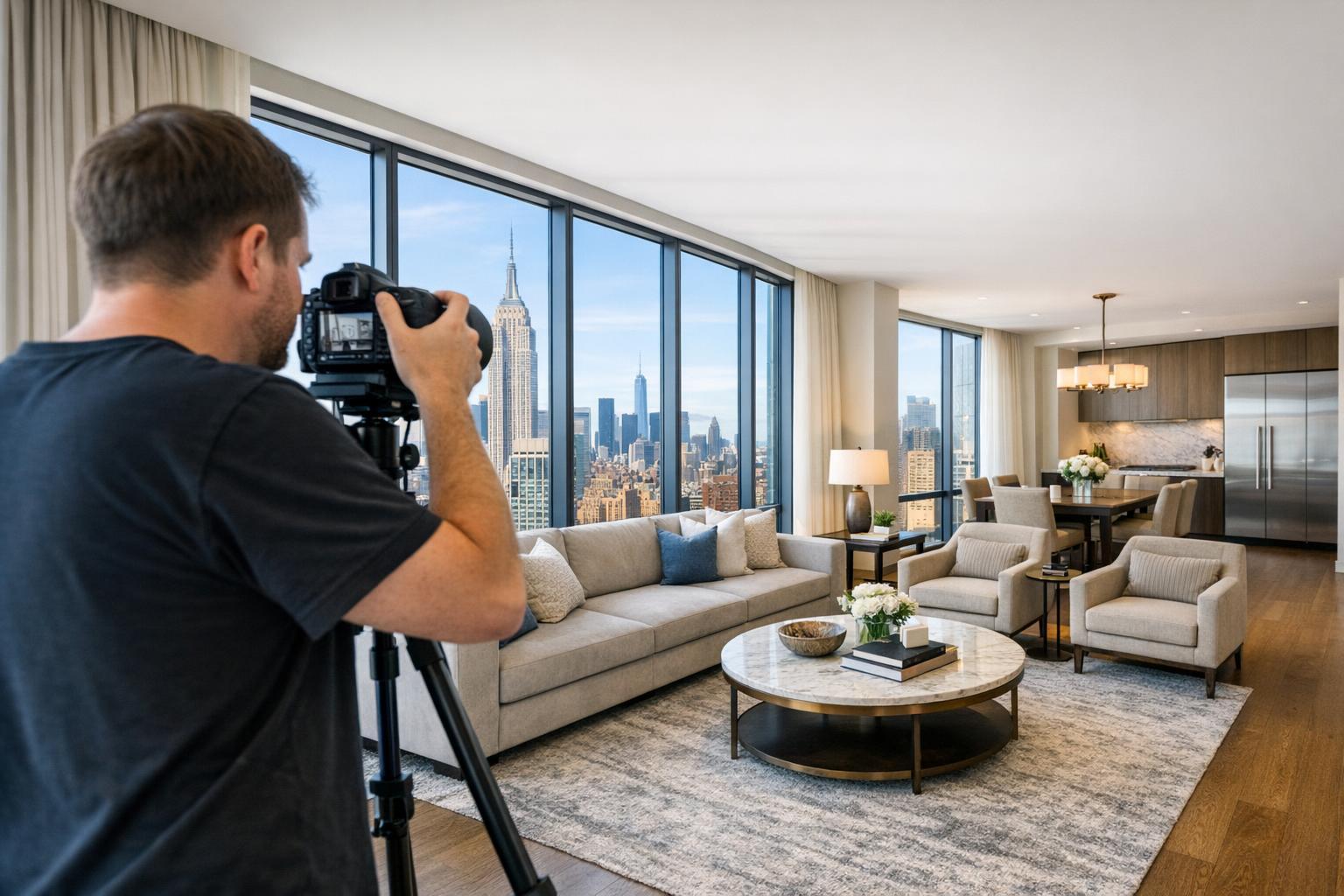
Rather than chasing drama in every frame, solid real estate photography favors clarity and relevance. In a compact Brooklyn apartment, that might mean creatively showing storage, ceiling height, and the overlap of living, dining, and bedroom areas. In a larger New Jersey home, it could call for more images—but only as needed—to tell the story of bedrooms, yards, finished lower levels, or special architectural details.
Comparing Providers: Portfolio and Process Matter
Not all portfolios are created equal. A striking hero shot is great, but what you really want is evidence of consistency, adaptability, and honest editing. When scanning a photographer’s portfolio or checking their gallery, look for:
- Bright, clean interiors without obvious over-editing
- Vertical lines that stay straight, so rooms don’t look warped
- Natural color—no wild shifts from room to room
- Useful angles that show how spaces genuinely connect
- Clear outdoor and amenity shots where they matter
- A light touch with enhancements that preserve reality
Especially in New York City, where some homes have tricky layouts, tight corners, or dim hallway spaces, pay attention to how the provider handles less-than-ideal conditions. Can they make a well-loved walk-up look inviting without inventing square footage? A varied gallery often shows a photographer knows how to work within real spaces, not just sunny, minimalist condos.
Smart Coverage: The Right Amount of Images for Every Space
The number of photos you need tends to follow the property itself, not a rigid formula. Too few, and key spaces may be a mystery. Too many, and the gallery becomes a blur of similar shots. Here’s a practical way to plan your coverage:
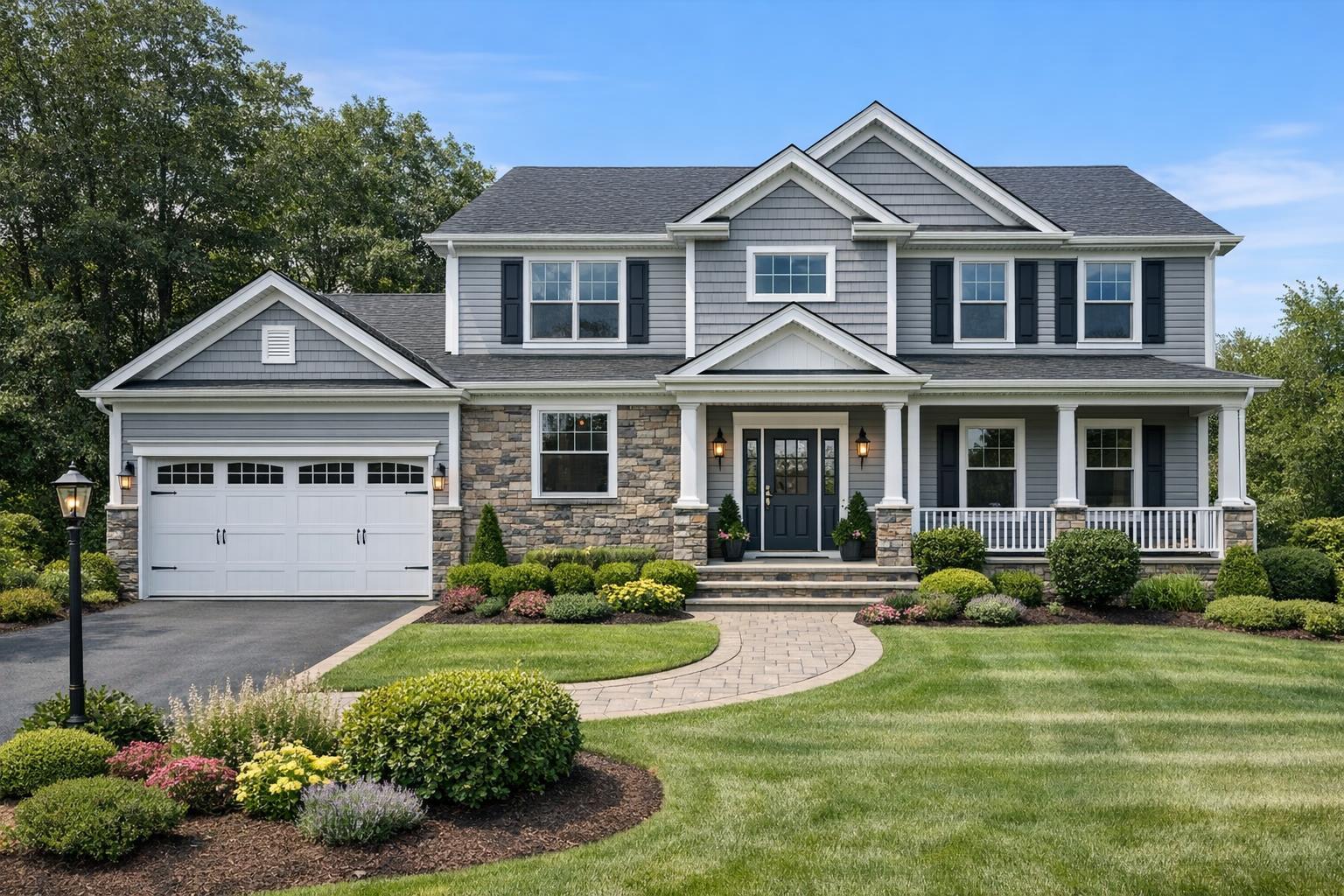
- Exterior approach and front entry
- Main living spaces (living room, dining area)
- Kitchen and any standout finishes
- Primary suite (bedroom and bathroom)
- Additional rooms that matter for the listing
- Distinctive features (fireplace, built-ins, balcony, view, custom details)
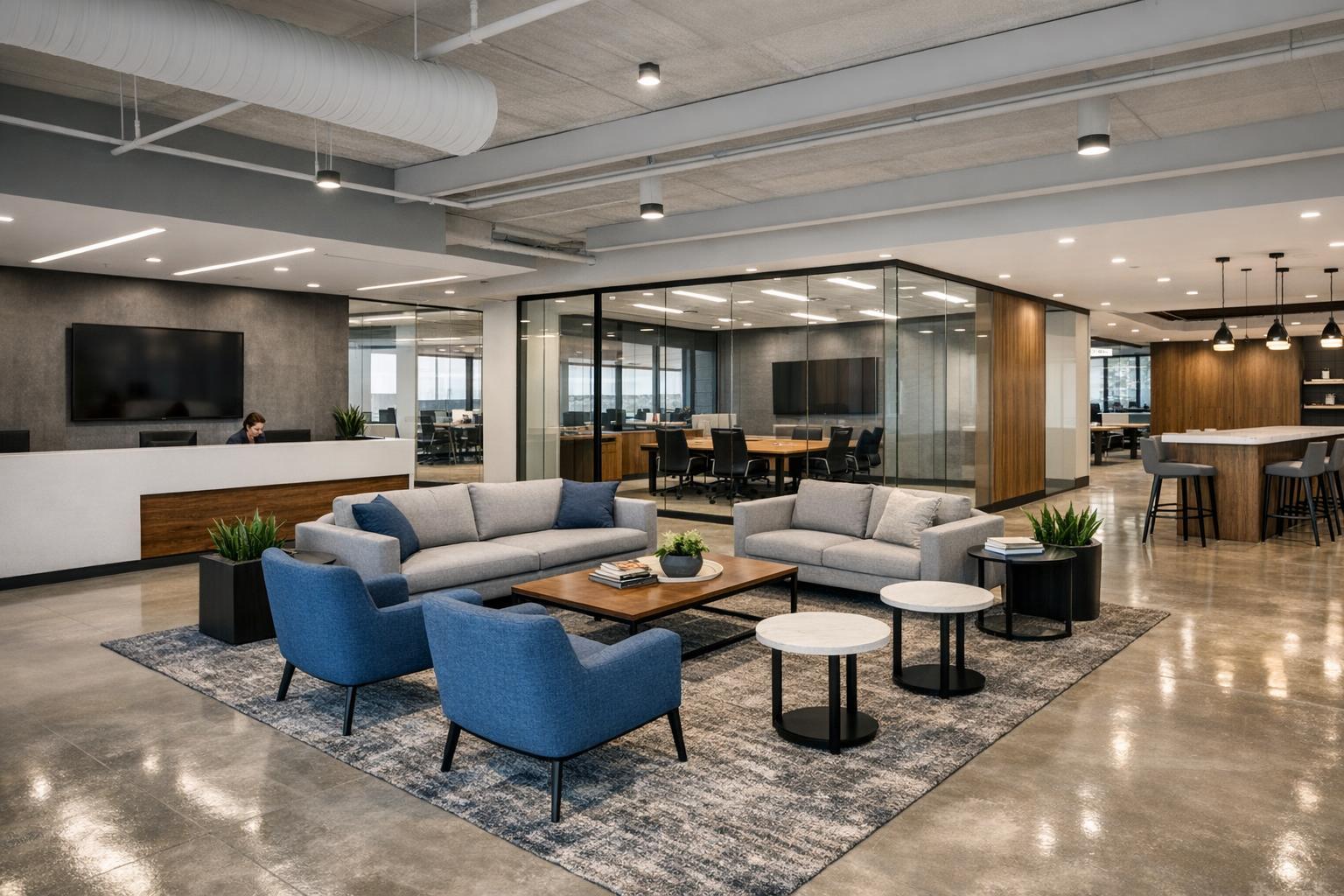
- Building amenities (lobby, gym, rooftop—check for any access rules)
- Outdoor areas (yard, pool, driveway, garage, terrace, if relevant)
In apartments with shared amenities, always confirm what can be photographed and when. Building approvals or time restrictions are common in NYC co-ops and condos. For larger homes in the suburbs or New Jersey, coverage might include more exterior features or multiple bedrooms—again, without flooding the gallery with repetition.
Prepping the Property: What Makes the Biggest Difference
Even the most skilled photographer can only do so much when faced with clutter, dark corners, or last-minute chaos. Your prep work is a huge factor in the final result:
- Clear countertops, tables, and nightstands
- Remove personal photos and visible cords
- Empty pet bowls and tuck away toys
- Make beds and straighten linens
- Open curtains or blinds (unless privacy or a tricky view suggests otherwise)
- Replace burned-out light bulbs and turn on suitable lights for the shoot
- Move cars from the driveway if including exterior shots
- Provide clear access instructions, parking notes, and any necessary building info
Occupied units benefit most from a thoughtful edit rather than a total “lived-in” look. If a space is vacant but could use a little help, ask about virtual staging—it’s designed to work with empty rooms and can be surprisingly effective when clutter isn’t present.
Communication, Booking, and Turnaround: Details to Clarify Early
A smooth experience starts before the shoot. A trustworthy real estate photography service will outline not just what’s included but how scheduling, revisions, and questions are handled. Ask about:
- What information is needed before the appointment
- How to submit access instructions, notes, or special requests
- Typical editing and delivery time frames
- Handling of reshoots or revision needs
- Add-ons, from floor plans to virtual tours or drone (where feasible)
- Bad weather plans for exterior or aerial shoots
For reference, RealtaSnap makes online booking fairly straightforward. You select your address, note access details, choose your coverage, and pay at checkout. Once your shoot is captured on-site, photos are edited for a clean, realistic look that reflects the property as-is.
Curious what a smooth booking platform looks like? Here’s RealtaSnap’s scheduling page.
Finding Experience That Matches Your Property
A provider who knows the quirks of NYC and New Jersey properties will save you a lot of headache. In Manhattan or Brooklyn, photographers need to be comfortable with tight rooms, busy lobbies, building staff, and variable lighting. They’ll understand that a prewar walk-up’s charm is in the details, just as a new-build condo counts on light and amenities.
For bigger homes in New Jersey, you want someone familiar with photographing sprawling layouts, outdoor features, and distinct living spaces without diluting the visual impact. Local knowledge isn’t required, but it can make a practical difference.
If you need real estate photography in the NYC area or New Jersey, RealtaSnap focuses on on-site, listing-ready media for all major property types. You can find more details about available services and approach at www.RealtaSnap.com.
When to Add More Than Just Photos
While still photography is the backbone of most listings, some properties benefit from complementary media formats:
- Floor plans: Useful if the layout isn’t obvious from photos alone
- 3D virtual tours: Great for remote buyers and more detailed exploration
- Video walkthroughs: Show movement, flow, and arrival in a way photos can’t
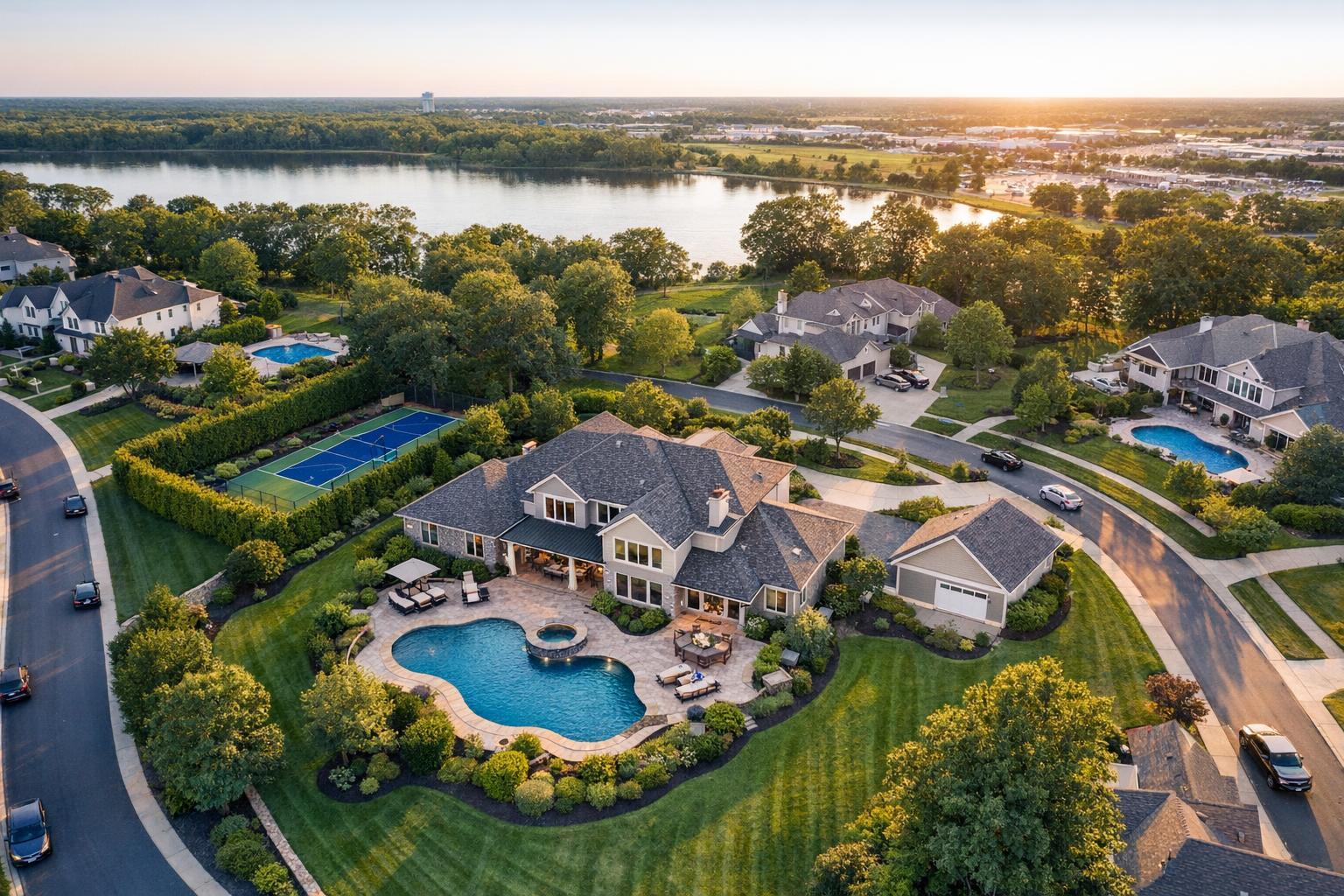
- Drone imagery: Adds context for larger lots, unique locations, or special views (subject to airspace, weather, and pilot discretion)
Not every property needs every possible media type. For many apartments and straightforward listings, clear, accurate stills and a solid description are enough.
What to Look For: A Quick Checklist
- Can you see consistent quality across the photographer’s past work?
- Do the photos help viewers understand the space—not just show off editing tricks?
- Is the booking and prep process clearly explained upfront?
- Will the provider help you decide how many images and which rooms to prioritize?
- Is there familiarity with your region or property type?
- Are add-ons or editing handled transparently?
A little research—and a clear outline of your priorities—goes a long way.
FAQ
Question: What is a reasonable number of photos for a listing?
Answer: It depends on the property. A small apartment might only need 10–15 images if they cover the main spaces clearly, while a multi-level house could benefit from more. Focus on variety over quantity and make sure each image actually adds value for a viewer.
Question: Should I turn on all the lights before the shoot?
Answer: Generally, yes—working lights can help rooms look more inviting and balance any darker corners. Your photographer may adjust lights or window treatments for the best exposures on site.
Question: What can I do if a room is cluttered or has furniture I don’t want in the photos?
Answer: It’s best to declutter before the shoot. Some editing and virtual staging options exist, especially with providers like RealtaSnap, but those work best when the room is already tidy or empty. Prep ahead for the most natural results.
Ready to have your property captured by someone who knows how to present it accurately? You can check availability and get started with booking at www.RealtaSnap.com.