How to Choose a North Jersey Real Estate Photographer for Your Listing
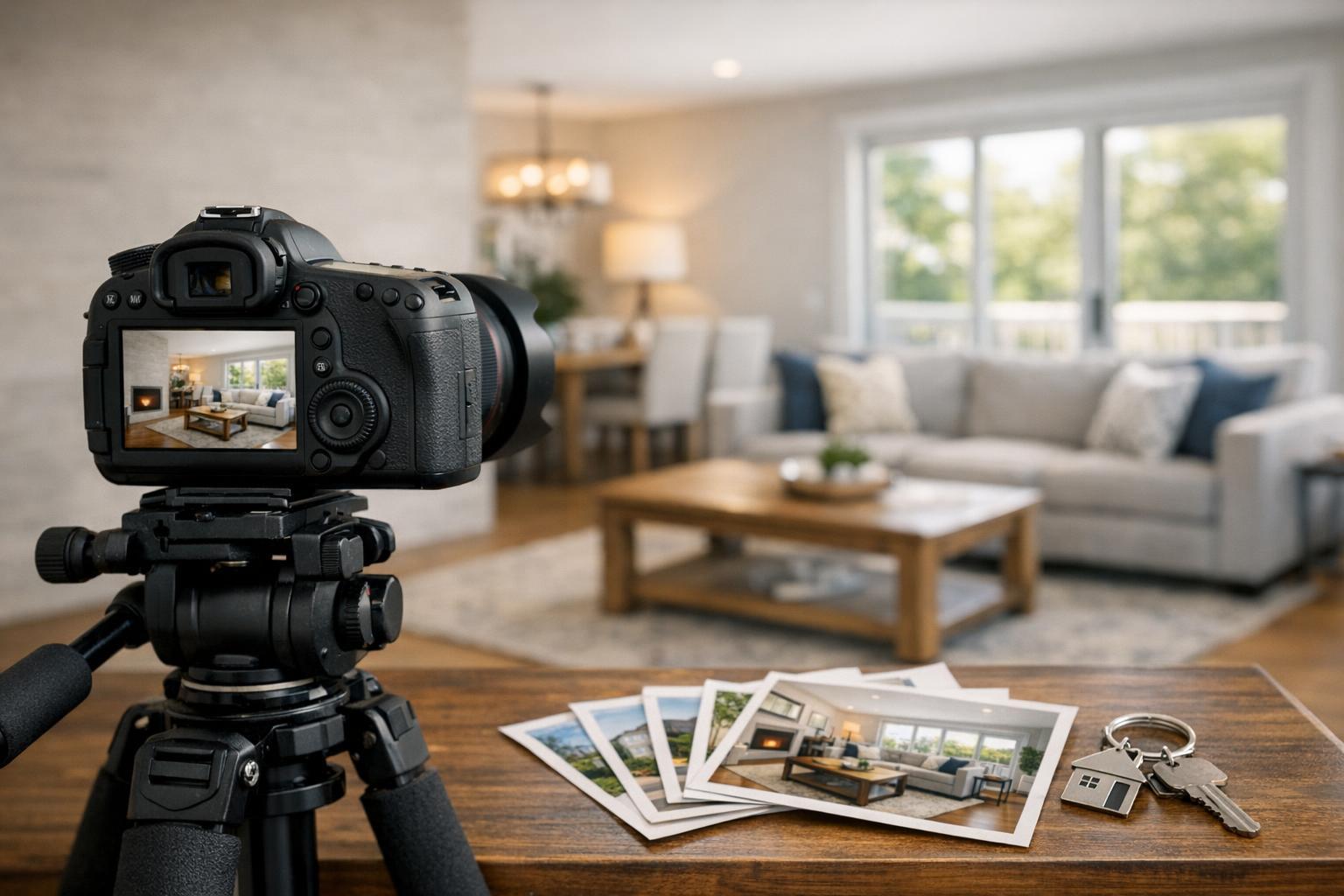
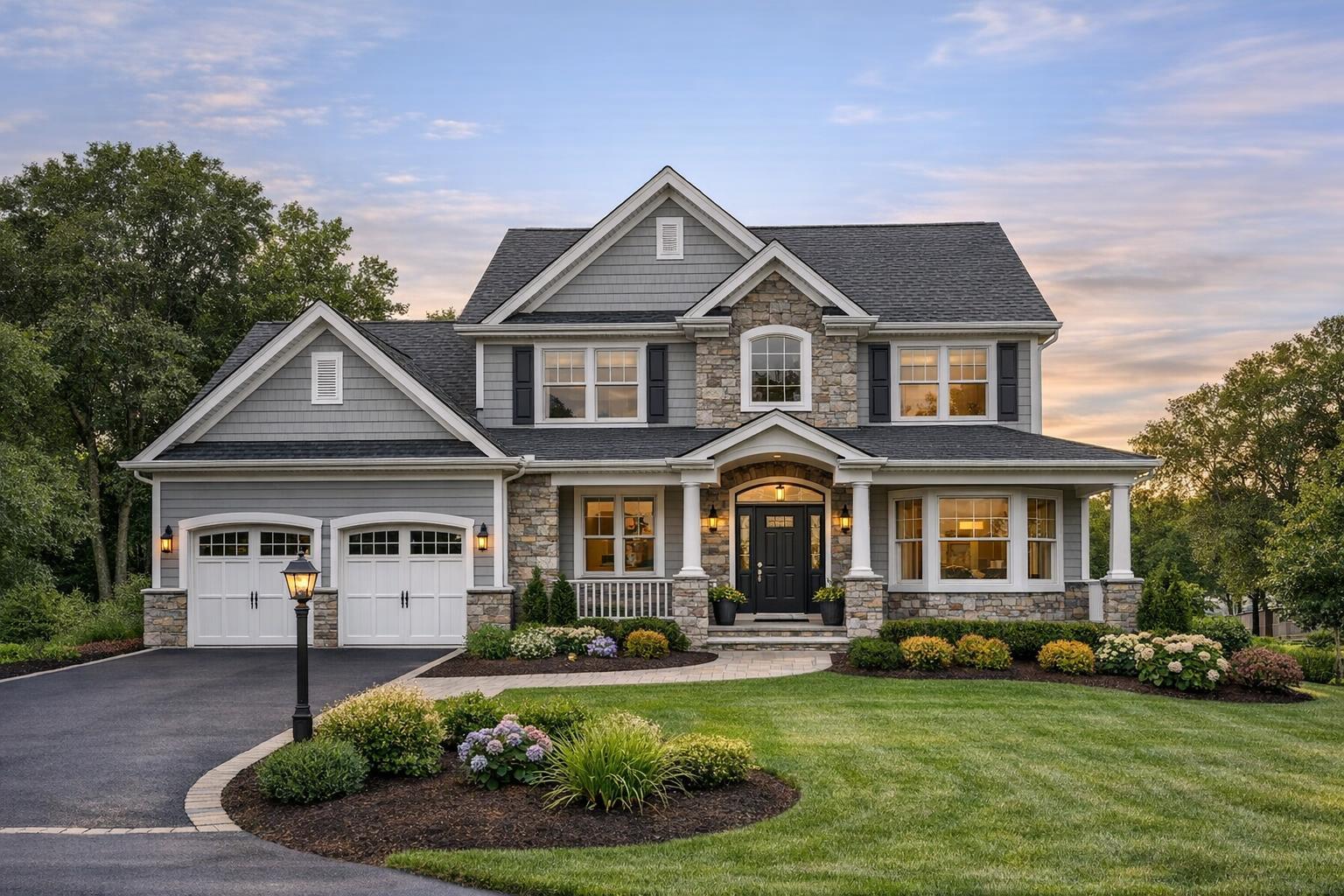
A beautifully captured suburban home with manicured landscaping and a striking facade is showcased through the lens of a North Jersey real estate photographer.

How to Choose a North Jersey Real Estate Photographer for Your Listing
Finding the right north jersey real estate photographer is about more than getting a set of appealing images. Whether you're an agent, broker, property manager, or seller, it's about partnering with someone who understands how to present each listing honestly and effectively—while making your workflow a little easier.
There’s no shortage of photographers in North Jersey. The challenge is finding one who can deliver consistent results, handle the quirks of local properties, and bring some clarity to the real hiring decision. Let’s dig into what you should really pay attention to—and how to avoid the most common frustrations for Jersey City, Hoboken, and broader North Jersey shoots.
Beyond the Highlight Reel: Why Portfolio Consistency Matters
Scrolling through a website’s top images only tells you part of the story. Every photographer posts their best shots, but the scatter between a “wow” image and everyday rooms can be wide. For real estate listings, consistency matters more than the few best photos.
Instead of skimming for the flashiest image, ask to see a few full galleries from actual listings—ideally properties similar to yours. Pay attention to how the photographer handles:
- Smaller bedrooms or tight hallways
- Bright windows in darker rooms
- Kitchens with tricky reflections or mixed lighting
- Unstaged spaces or cluttered rooms
- Buildings with limited outdoor access
- Larger homes with a mix of spaces, from finished basements to backyards
- Commercial interiors or amenity spaces
A strong real estate photographer will show a consistent look: straight lines, believable colors, and careful framing—even in less-than-perfect conditions. If a compact condo looks distorted or a suburban living room is blown out, that’s a red flag. The best pros treat all properties with the same attention, regardless of the square footage or price point.
Editing That Feels Honest, Not Overdone
Editing plays a big role in real estate photography: it helps balance sunlight streaming through windows, tidies up color casts, and keeps galleries uniform. But the goal isn’t to alter reality—it’s to make the property look its most inviting while staying true to what buyers will see in person.
Here’s what to look for in the editing style:
- Windows are visible, but rooms aren’t unnaturally dark
- Walls appear close to their real color (no neon white or shadowy blue)
- Architectural lines remain straight—no “funhouse” bending
- Rooms aren’t stretched so far that the proportions look off
- Outdoor views don’t seem “pasted in” and sky doesn’t look cartoonish
- Each room is bright enough to see details, but not airbrushed to sameness
Ask prospective photographers about their perspective correction process or how they balance tricky light. You don’t need a technical download—but their answer should make you feel they’re aiming for accuracy rather than just “making it pop.”
Local Experience: Matching Photographer to Property Type
North Jersey covers everything from city high-rises to leafy suburban homes, so understanding your target property type is key:
City Condos and Managed Buildings
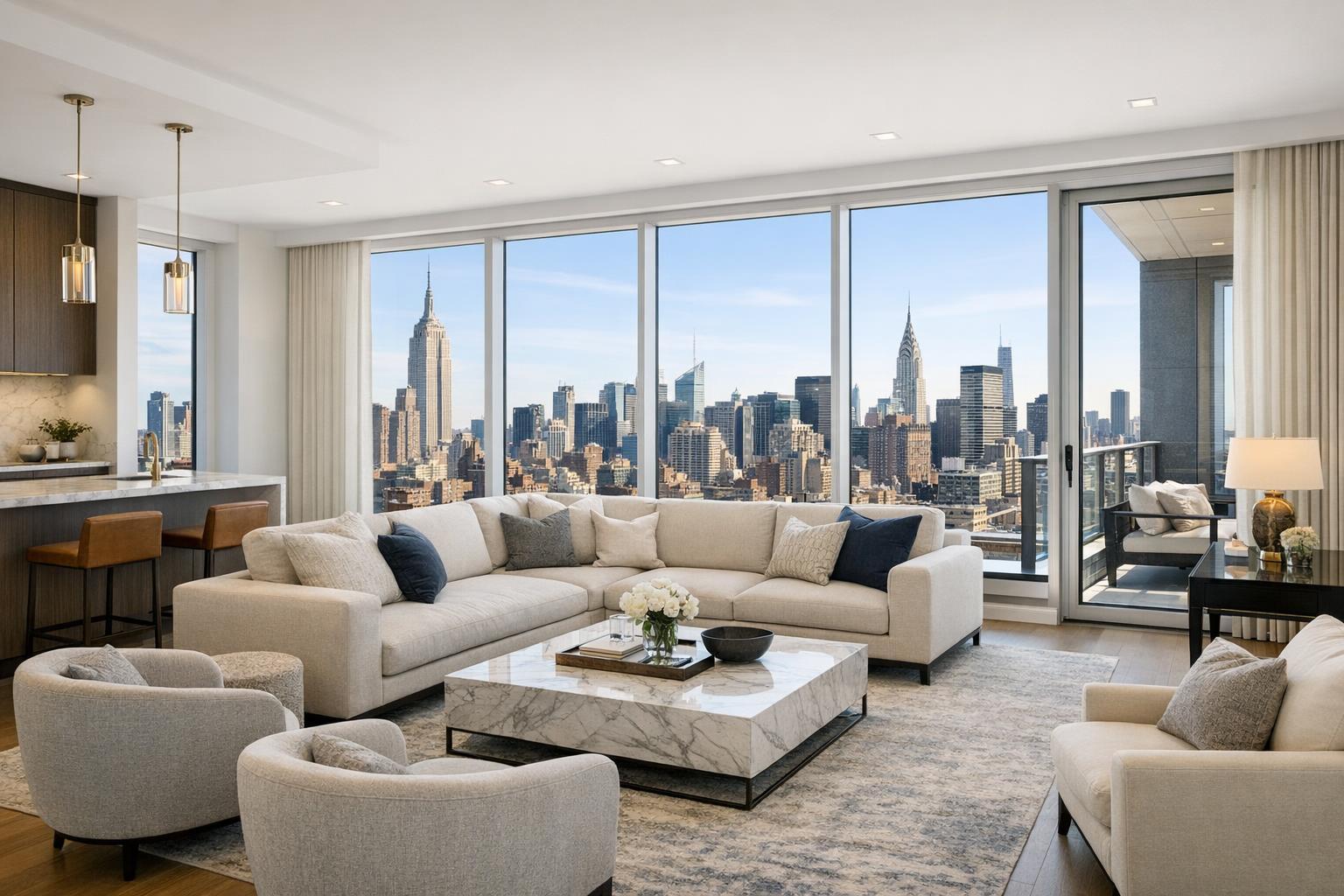
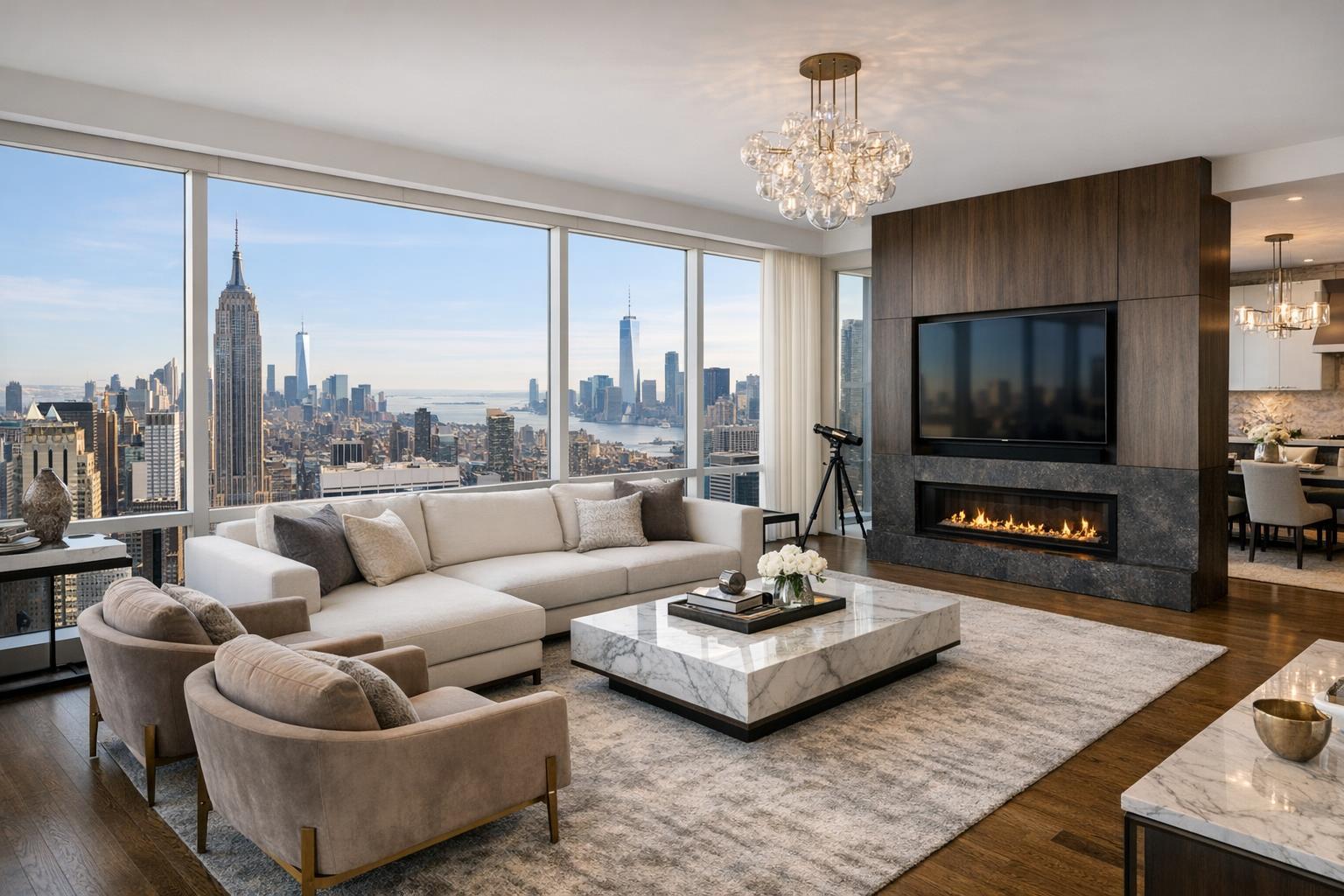
For Jersey City or Hoboken condos, look for a photographer who can handle small room layouts, elevator access, limited daylight, and tight schedules with building management. They should prioritize what matters for your marketing—sometimes it’s a killer kitchen, amenity spaces, or a city view rather than every nook.
Suburban and Single-Family Homes
Larger homes demand visual storytelling that covers both indoor flow and outdoor highlights—front yard, deck, backyard, home office, playroom, you name it. The full gallery should “walk” a viewer from curb to kitchen to the last bedroom, with enough context but without repetition.
Commercial Listings
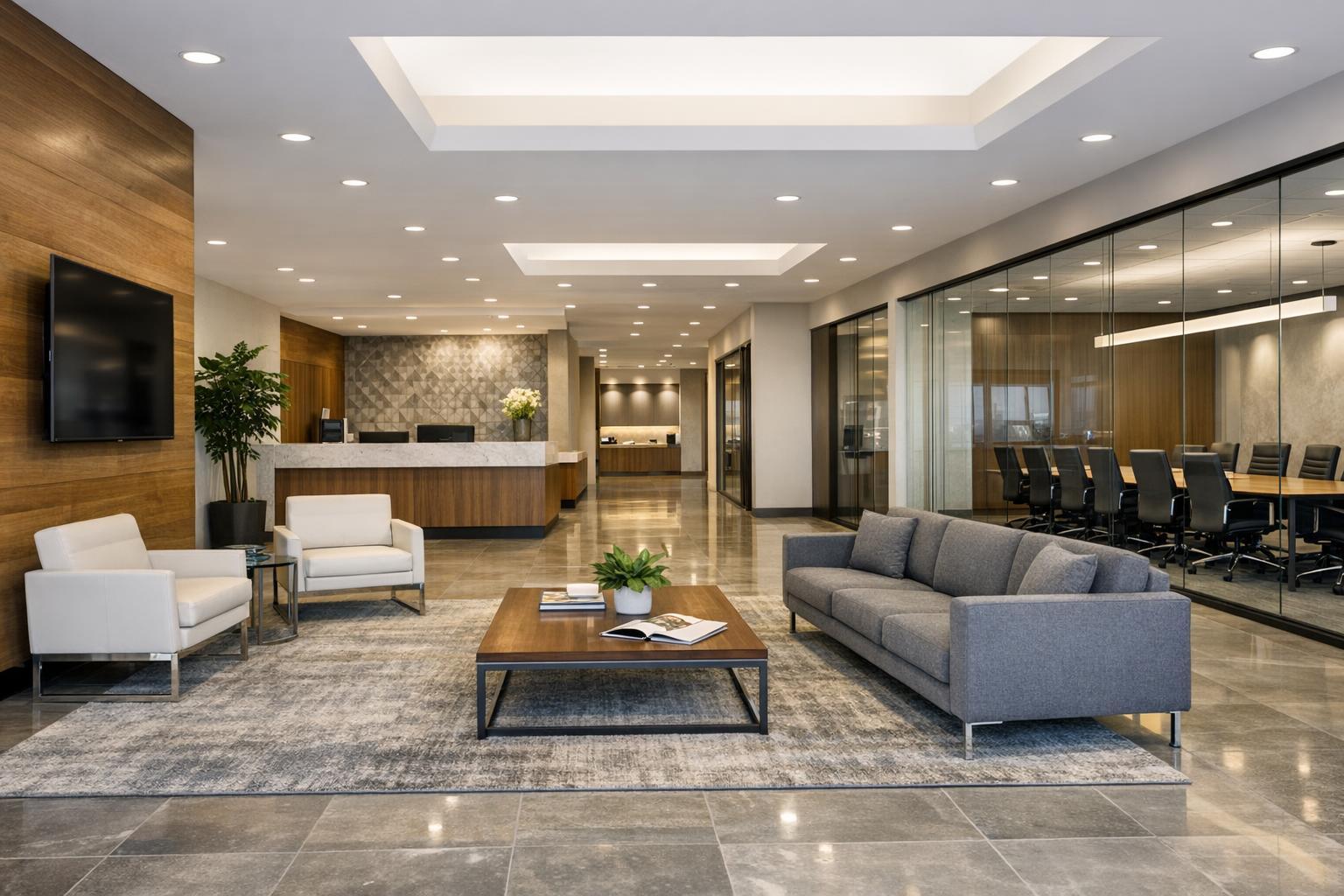
Commercial shoots have different priorities: square footage, finishes, accessibility, or unique “use” shots often trump pretty decor. Make sure your photographer understands these goals up front—leasing brochures and offering memorandums need different images than a Zillow listing.
Communication and Scheduling: Making the Process Smooth
Excellent images are only half the job—a pro photographer should make the project easier, not harder. Clear, frequent communication before and after the shoot means fewer surprises and faster moves to market.
Ask photographers about:
- How to prep the property (what should be cleaned, moved, or hidden?)
- Typical photo counts or package recommendations for your listing
- Expected onsite shoot time and turnaround for final edited images
- Image delivery (download link, gallery, or MLS sizing?)
- Handling building instructions, access, or elevator schedules
- What happens if the weather isn’t cooperating—especially for exteriors or drone shots
- Edit and revision options for photos you want tweaked
For occupied properties, a good shooter or team will help prep the seller so the space feels ready when they arrive. Small moves—decluttering counters, making beds, opening blinds—can make a big difference.
Comparing Pricing: Understand the Full Package
When you’re skimming quotes, don’t just look at the lowest number. Compare what’s actually included: photo count, coverage (what’s included and what counts as extra), turnaround time, travel costs, revision rules, and the option to add floor plans, virtual staging, drone, or video if you need them.
Ask yourself:
- How many delivered images come standard?
- Are all major areas (interior, exterior, amenities) included, or are some add-ons?
- Does the package fit the size and style of your property?
- What’s the policy for special requests or weather reschedules?
- How soon will you get your files?
Right-sizing the service really matters—a one-bedroom condo doesn’t need 50 images, but a four-story, five-bedroom home probably does. Over-ordering coverage can feel repetitive; under-ordering can leave important areas out.
For details on package options and pricing, you can always check RealtaSnap’s pricing and service breakdown.
Making Sense of Add-On Media for Your Listing
Not every listing needs every kind of media, but having a photographer who can recommend extras when they genuinely help can lift your marketing—and save you money where you don’t need it.
- Video Tours: Real video (captured onsite, not slideshows) shows how a property flows and adds energy, especially for renovations, large homes, or unique features.
- Floor Plans: On-site captured floor plans, especially for multi-level or quirky layouts, help buyers understand space in a way photos alone can't.
- 3D Virtual Tours: Matterport-style tours let distant buyers or investors “walk through” a property remotely. These do require scanning the property in person.
- Drone Photography: Great for showing lots, scale, proximity to parks or water, or highlighting outdoor amenities—just keep in mind, drone shoots depend on FAA rules, weather, access, and local feasibility.
- Virtual Staging: Best for vacant (empty) rooms—staged digitally to suggest possibilities. If a room has furniture, you’ll need decluttering or removal beforehand for best results.
A photographer who tries to upsell everything is less helpful than one who matches options to your listing's actual marketing goals.
Preparing for the Shoot: Tips for the Best Results
Simple prep improves just about every shoot:
- Clear countertops, floors, and prominent surfaces of clutter
- Hide personal items in bathrooms and bedrooms
- Open curtains and blinds for natural light
- Replace burnt bulbs so all fixtures work
- If possible, move vehicles so they don't dominate exterior photos
- For virtual staging, make sure rooms are empty or fully decluttered
Your photographer should share their prep advice ahead of time. If you want all the boxes checked, RealtaSnap offers a helpful real estate photography prep guide.
A Simple Shortlisting Process
Instead of agonizing over a single sample image or headline price, stack up a few options using these criteria:
- How consistent is their work across different property types?
- Do edited images look honest and professional?
- Is the photographer experienced with listings like yours?
- Do they respond quickly and offer clear scheduling?
- Is the recommended coverage right for your marketing strategy?
- How transparent are their pricing and add-on options?
- Does their turnaround match your listing timeline?
- Can they provide related services (like floor plans, video, or drone) when you need them?
A methodical comparison keeps the focus on what matters—results, reliability, and ease of process.
Wrapping Up: Making Media Planning Work for You
A great photographer does more than deliver pretty pictures—they help make your listing process straightforward, professional, and low-stress. In North Jersey’s varied property market, it pays to pick someone who knows the local scene, adapts to the quirks of each assignment, and only recommends extra services when they fit your goals.
If you’re ready to explore professional photography and related media for your next listing, you can find more details, see sample work, or book a session with RealtaSnap at www.RealtaSnap.com.
FAQ
Question: How far in advance should I book a North Jersey real estate photographer?
Answer: Booking ahead improves your chances for your preferred time slot, lets you coordinate with sellers or building access, and helps avoid weather surprises for exteriors. At RealtaSnap, bookings are available online and typically require at least 24 hours’ notice.
Question: Do I need extra services like a video, floor plan, or 3D tour for every listing?
Answer: Not always. Most listings start with professional photos, but consider add-ons if your property’s layout is complex, you expect remote buyers, or you’re marketing a unique space. Choose extra media when it actually supports your listing, not just because it’s available.
Question: What’s the best way to get my listing ready for photos?
Answer: Prepare as though buyers will visit in person. Tidy up, clear away personal/cluttered items, and let in as much natural light as possible. For virtual staging, make sure rooms are vacant or fully cleaned out before the shoot.
Ready for your next listing? Visit www.RealtaSnap.com for friendly service, transparent pricing, and a team that knows North Jersey properties inside out.