How to Choose Real Estate Photography Services for Your Next Listing
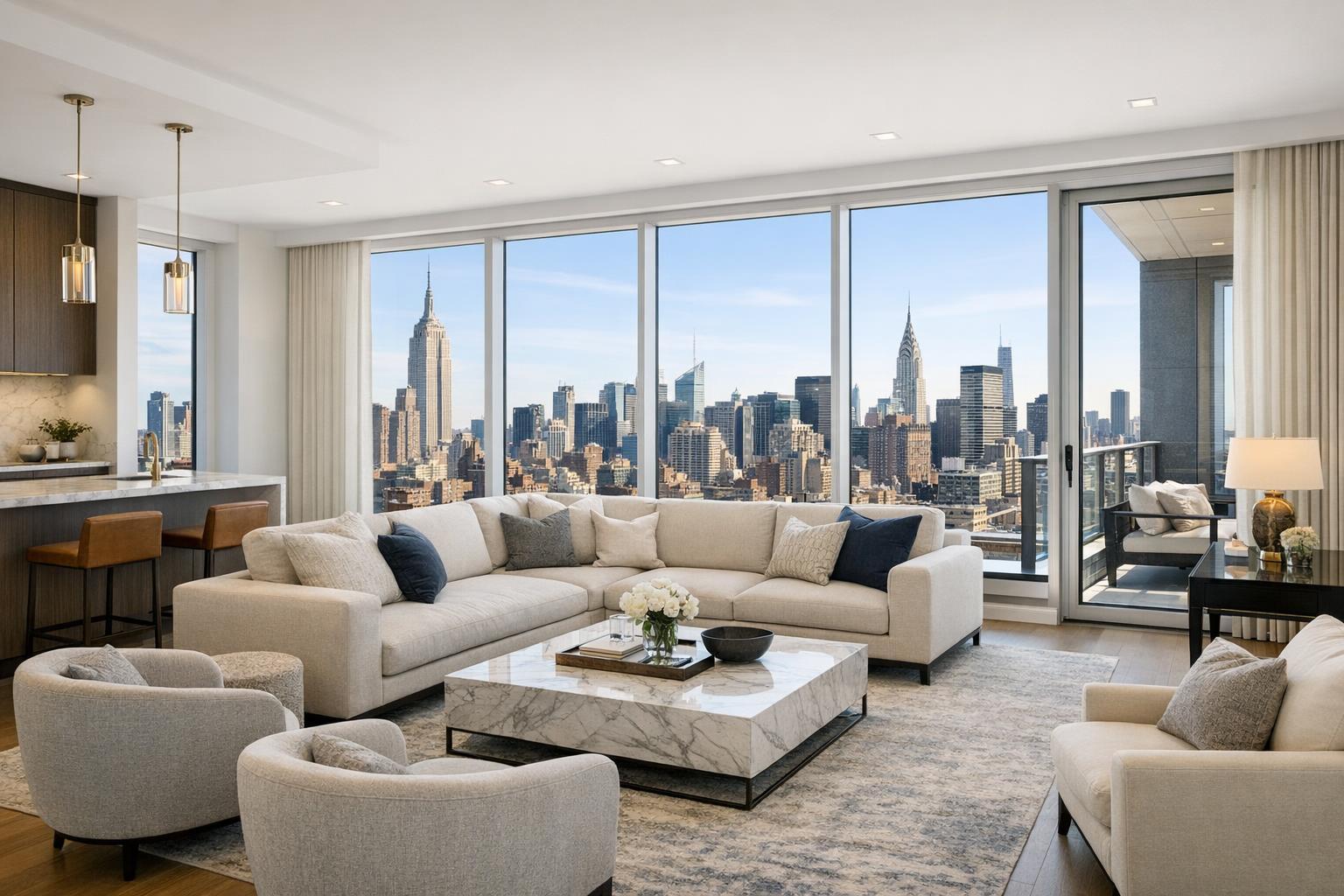
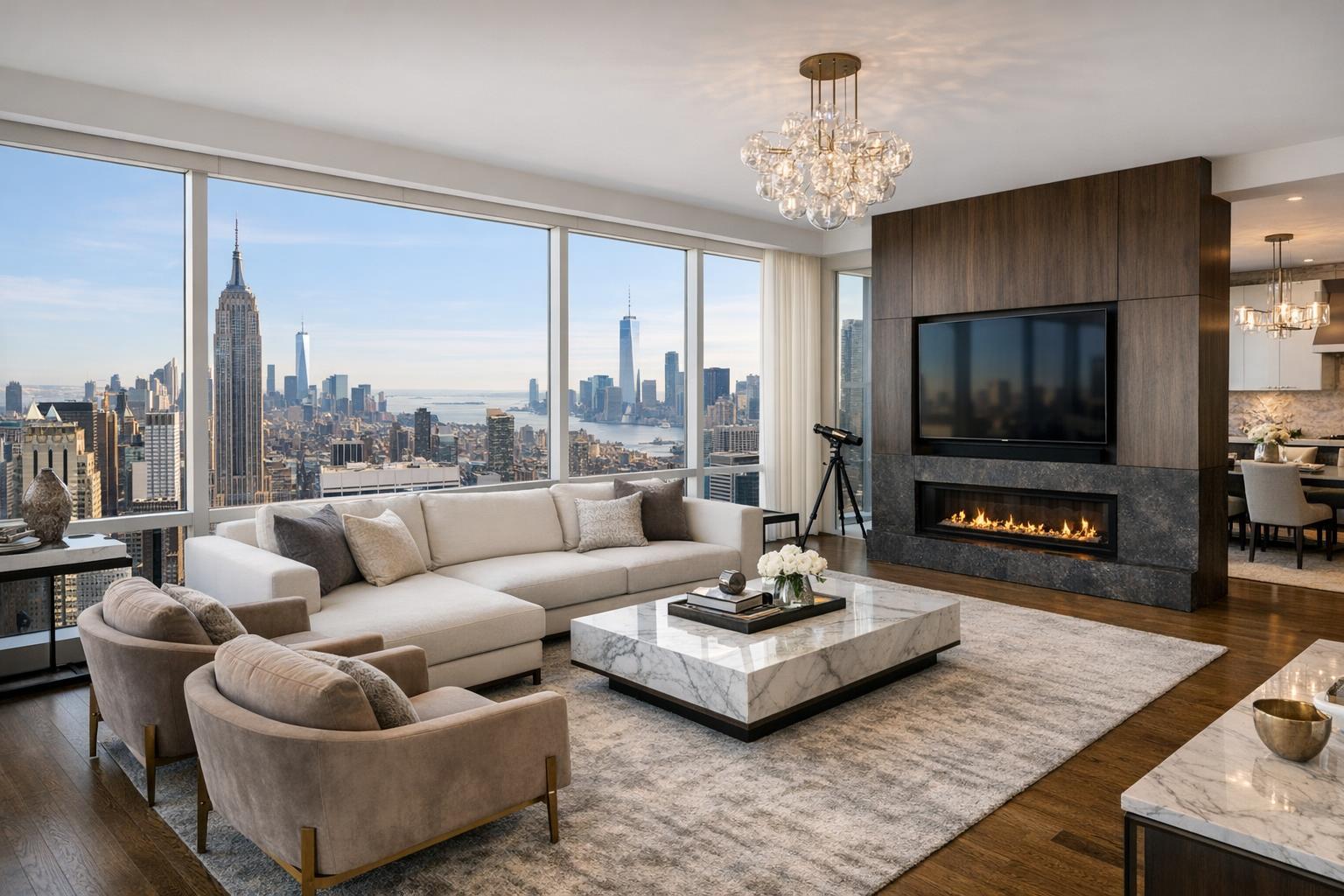
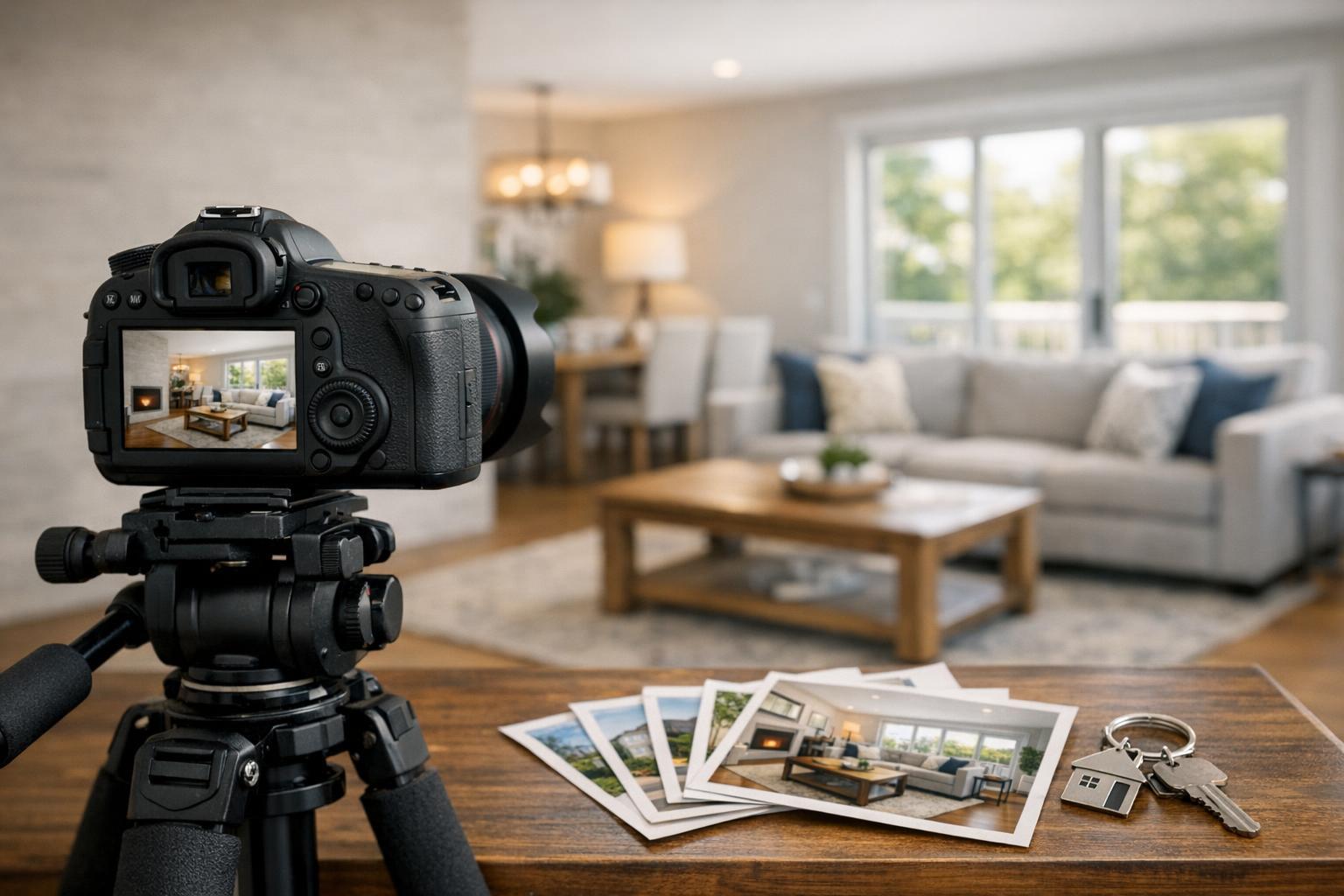
Capturing professional real estate photography services, a camera on a tripod focuses on a beautifully staged living room, with printed photos and house keys elegantly arranged on a wooden table nearby.

How to Choose Real Estate Photography Services for Your Next Listing
Real estate photography services play a crucial role for agents, brokers, managers, and property owners looking to showcase homes and spaces clearly—even before a single viewing takes place. Yet, selecting a provider isn’t a simple matter of comparing prices or counting photos. You’re choosing a partner who will turn a physical property into compelling digital assets, helping buyers and renters quickly understand what’s special about the space.
With so many options available—especially in competitive regions like NYC and New Jersey—it’s important to move beyond basic checklists. If you’re considering your first shoot or routinely marketing listings in a busy market, here’s how to make an informed decision and why the details really matter.
Think About the Story Your Listing Needs to Tell
Every property is unique, and a thoughtful listing isn’t just about coverage—it’s about focus. Before reaching out to a real estate photography company in NYC or New Jersey, consider the key selling points that deserve the spotlight. Is it the airy living room, the renovated kitchen, a skyline view, or perhaps the flow between rooms?
Jot down what you want potential buyers or renters to notice right away. For some listings, emphasizing clarity with wide shots of each room is essential. For others, drawing attention to architectural details or outdoor spaces sets the tone. These choices will help you determine the right mix of media, whether that’s still photography, video walkthroughs, detailed floor plans, or a virtual tour.
Questions to sharpen your approach:
- Which spaces or amenities shape a buyer’s first impression?
- Does the layout need extra explanation?
- Are there exterior features, roof decks, or notable views worth highlighting?
- Is the property vacant, staged, or currently lived in?
- Do you need only photos, or would video, floor plans, or a 3D tour help tell the story better?
A compact Manhattan apartment, a Brooklyn townhouse, and a large New Jersey home all call for different approaches. The goal: pick the media that genuinely help your listing stand out, rather than ordering every add-on just for the sake of it.
More Than a Number: What Quality Coverage Looks Like
It’s tempting to shop for photography based on the number of images included in a package—but the best galleries aren’t simply the biggest. Ten well-composed, purposeful images often communicate more than a bloated set of repetitive shots.
Professional real estate photography should include:
- On-site capture that shows the real, current condition of the space
- Compositions that help viewers understand both the shape and the function of each room
- Balanced exposures, with windows neither glaringly bright nor ignored if views are a feature
- Consistently straight architectural lines
- Editing that cleans up minor distractions but keeps the presentation honest
Wide angles offer clarity, but when overused, can mislead about a room’s true proportions. Similarly, blown-out windows are distracting unless managed well. A capable photographer will strike that balance, delivering images that feel calm, readable, and trustworthy.
Reviewing Portfolios: What Consistency Reveals
Looking at a company’s gallery is one of the best ways to judge their expertise. Beyond the flashy hero image, pay attention to how they handle properties similar to yours. Do you see the same level of care across apartments, brownstones, condos, and suburban homes? Is the photography logical, or do the rooms feel disjointed from shot to shot? The best providers guide viewers through a virtual walk of the space, showing a logical flow, accurate representations of light and color, and minimal editing that never feels artificial.
Here’s what to look for:
- Are compositions helpful, allowing viewers to “walk through” in their mind?
- Does the lighting feel inviting yet natural?
- Are door frames, walls, and cabinetry straight?
- Is the editing restrained—focused on clarity, not dramatic transformation?
- Do they have experience with your property type, especially if your listing is in a dense city or includes challenging elements like outdoor amenities or unusual layouts?
Preparation: A Make-or-Break Step
Even the sharpest lens can’t compensate for a room that’s crowded, dim, or unprepared. A good real estate photography service will share a straightforward checklist so nothing’s left to chance. This isn’t just about making things look pretty—it’s about ensuring viewers see the space, not distractions.
A little prep goes a long way:
- Clear kitchen surfaces (except for a few chosen highlights)
- Remove visible cords, personal photos, pet supplies, and clutter
- Make sure every bulb works and shades are open for light
- Tidy beds and smooth out covers
- Discreetly hide trash bins, bathroom products, and cleaning items
- Ensure driveways (for exterior shots) and all rooms are accessible
Occupied homes sometimes need extra care. The aim isn’t to make them feel sterile, but to minimize anything that could distract from the home itself.
For more on how to prepare for a shoot, RealtaSnap offers a thorough photography prep guide.
Understanding the Booking and Delivery Process
Smooth communication isn’t just convenient—it’s essential. Ask how the provider handles appointments, building access, special requests, delivery of final files, and possible follow-up edits. A clear workflow saves everyone time.
Questions you might consider:
- What info should you provide ahead of the shoot?
- Will you be able to highlight special features or add specific notes when booking?
- How do you select and pay for photography and media services?
- How will you receive your images or video?
- Can you request touch-ups or extra shots after delivery?
With RealtaSnap, booking is done online. You can plug in the address, add notes about building entry or features to emphasize, select your services and add-ons, and pick available dates. Photography packages range from 10 to 50 images, making it easy to scale coverage to each listing’s needs. For a deeper look or to start your schedule, see NYC real estate photography services.
Beyond Still Photography: Choosing Useful Extras
Photos remain the backbone of nearly every listing, but some properties benefit from additional options. Consider these thoughtfully, and only add what supports your marketing:
Video Walkthroughs
A professional video shows how spaces connect, the movement from one area to the next, and the personality of a property. This is especially helpful for homes with unique layouts, strong indoor-outdoor flow, or multiple levels. RealtaSnap’s videos are always captured on site—never simple slideshows of stills.
Floor Plans
A clean floor plan provides viewers clarity about sizes and spatial relationships. They’re required for multi-story homes, unusual spaces, or places where buyers often compare square footage. Creating a floor plan does require physical access; they can’t be made from photos or out-of-date plans.
3D Virtual Tours
For buyers or renters touring from a distance, a 3D experience offers an interactive, walkable sense of the space. Whether it’s through Matterport or a similar platform, on-site scanning is needed—these virtual tours can’t be generated from previous galleries or paperwork.
Drone Photography
Aerial images and videos give fresh context, whether showing lots of land, a dramatic approach, or unique surroundings. Not all NYC or New Jersey locations are drone-feasible due to airspace, safety, or building rules—providers like RealtaSnap assess every drone request based on address, weather, and on-site access.
Virtual Staging
For vacant units, digital staging can illustrate how a room could look fully furnished. However, AI virtual staging is intended only for empty rooms—existing furniture should be removed first, or a paid clutter-removal edit may be required to deliver a realistic, appealing result.
Local Knowledge Makes a Difference
“Real estate photography company NYC” covers a wide range of choices. But experience matters, especially in tightly regulated or diverse environments like Manhattan, Brooklyn, and the wider New Jersey area. A local provider understands the quirks—building access, elevator reservations, doorman requirements, tight room dimensions, or just finding the right natural light for a classic brownstone. For New Jersey listings, bigger exteriors, long driveways, and whole-acre lots require a different shooting rhythm.
RealtaSnap focuses on NYC and statewide New Jersey, bringing experience to listings from compact apartments to expansive homes, and offering both core and advanced listing media.
Build a Relationship—Not Just a One-Off Shoot
You might be hiring for a single listing today, but long-term success often means finding a go-to partner for your marketing. Consistency in quality, communication, booking flow, and accurate presentation removes stress and helps build your professional reputation.
Start every new listing by considering which media best tell the story of the property. Add on video, floor plans, virtual tours, or drone where they’ll help a buyer or renter understand the space. When you’re ready to book property media in NYC or New Jersey, explore your options at www.RealtaSnap.com.
FAQ
Question: How many real estate listing photos do I really need?
Answer: The right number depends on size, features, and layout. A studio or one-bedroom apartment may only need 10-20 thoughtfully shot images. Larger homes with multiple levels and amenities might be best captured with 30-50 images to make sure every important space is shown without redundancy.
Question: Should I add a floor plan or 3D tour to my listing photos?
Answer: If your property’s layout is confusing or buyers will benefit from exploring remotely, both can add value. Floor plans and 3D tours require on-site capture, so decide before your appointment to keep things efficient.
Question: Can virtual staging be used in a room with some existing furniture?
Answer: Virtual staging works best in empty spaces. If a room still has furniture, it should be physically removed before the shoot—or you’ll need to request a clutter-removal edit so the final result looks clean and realistic.
For more details or to schedule your shoot, visit www.RealtaSnap.com.