How to Choose a Real Estate Photography Company in NYC
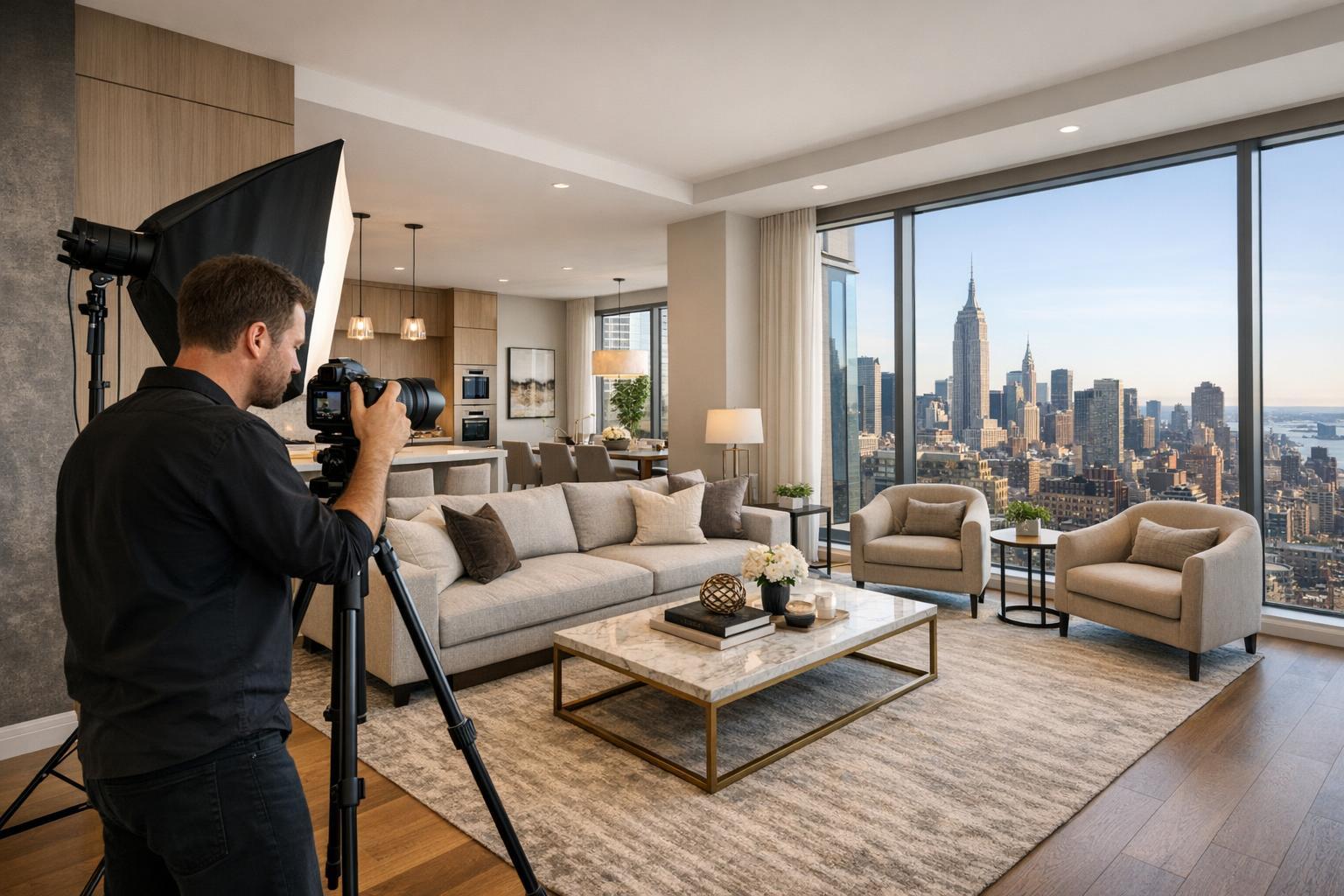
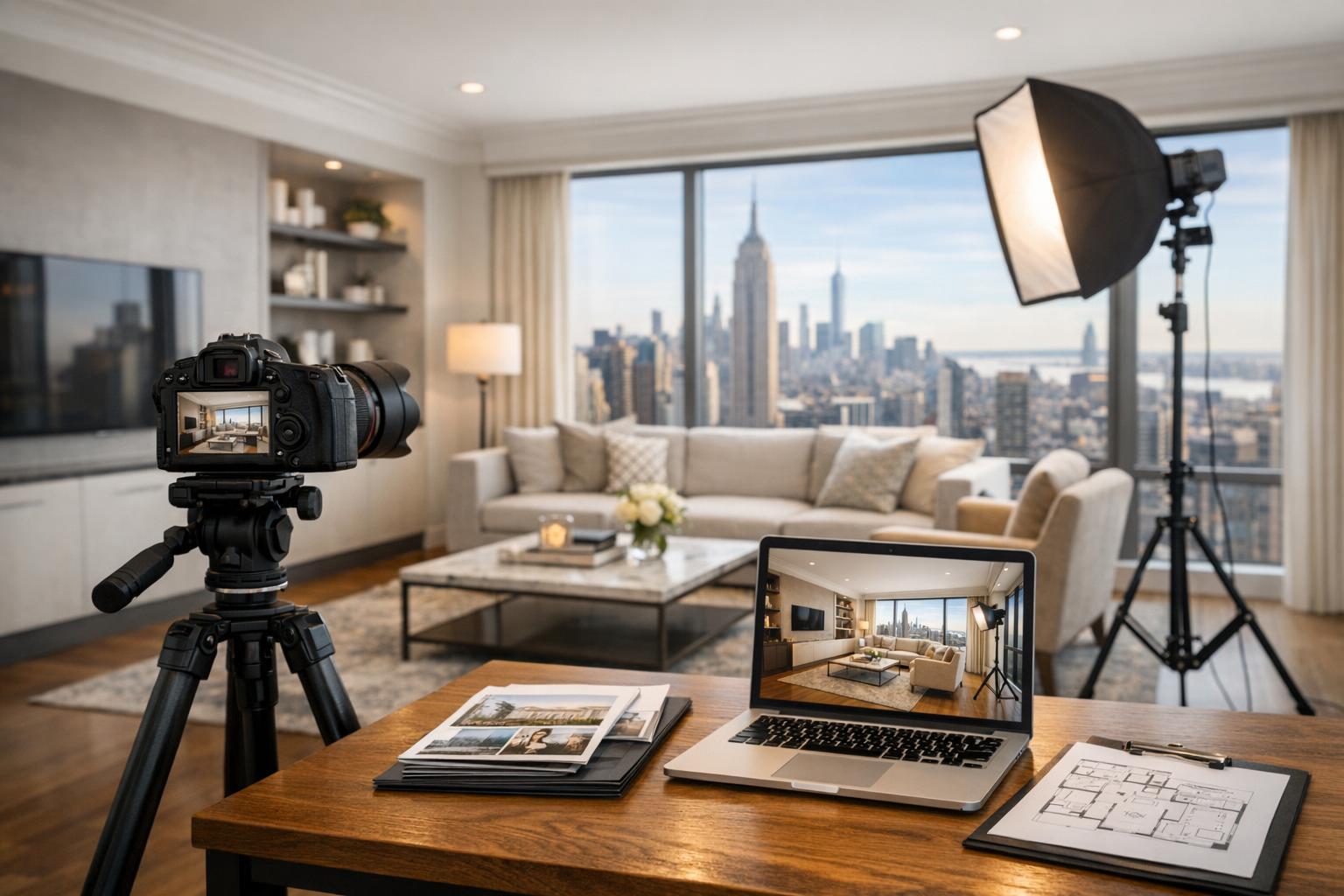
A setup for a real estate photography shoot in NYC features a camera, laptop, and lighting equipment in a modern apartment with a skyline view.

How to Choose a Real Estate Photography Company in NYC
Selecting a real estate photography company in NYC can feel overwhelming, especially with so many providers promising beautiful portfolios and fast delivery. But for agents, brokers, managers, and property owners, what truly matters goes deeper than a few highlight images. In New York City, the right media partner is one who understands your specific property, communicates well, and navigates city-specific logistics to deliver listing-ready images that make sense for your marketing strategy.
If you’re planning to bring a property to market, here’s how to choose a NYC property photography provider who fits your needs.
Look Beyond the Portfolio: Does Their Work Fit Your Property?
A strong visual portfolio is always a plus, but dig deeper than just the most glamorous images. NYC properties come in all shapes and sizes—studios, pre-war co-ops, renovated condos, classic brownstones, or commercial spaces. Scroll past the “hero shots” and look for projects like your own:
- Compact or oddly-shaped apartments
- High-floor condos with sweeping but variable daylight
- Narrow brownstones needing careful, multi-level coverage
- Busy rental units with tenant schedules
- Lofts with open layouts or mixed lighting
- Occupied listings appearing as they actually live
- Offices or storefronts with unique access quirks
Not every photographer thrives in every setting. The ability to shoot a spacious townhouse doesn’t guarantee skill in making a studio feel inviting and true to life. In NYC, the right provider knows how to accurately represent the space in front of them, not just apply a generic look to every listing.
Focus on portfolios where room proportions are easy to understand, lines remain straight, and transitions between spaces feel natural. You want honesty and approachability in the images—so potential buyers walk in expecting what’s shown online.
Consistency Counts: Don’t Just Judge by the Best Five Photos
Nearly any company can deliver a handful of standout shots, especially in ideal lighting. The real test is how they handle the less-than-perfect moments. Ask to see a full listing gallery, especially of properties with practical challenges:
- Dimly lit bedrooms or hallways
- Bathrooms with challenging lighting
- Living rooms facing bright city windows
- Rooms with little space to maneuver
When scanning a gallery, check for:
- Clean, straight architectural details
- Natural, even color from space to space
- Window views balanced without darkening interiors
- Continuity of lighting and style throughout
- Smart coverage of all useful rooms—not just obvious selling points
- Small rooms shown without distortion
- Editing that enhances clarity but avoids overprocessing
If you’re listing regularly, matching editing styles across multiple properties helps your presentation feel unified. For managers, consistency supports smoother workflows across units and buildings.
Navigating NYC Logistics: It’s Part of the Job
In New York, organizing a shoot is rarely as simple as scheduling a time and showing up. Every building handles access differently. Some require doorman instructions, keyholder contacts, elevator reservations, insurance certificates, or parking solutions. Tenants may need advance notice, and amenities like rooftops or courtyards often require special coordination.
A dependable real estate photography service in NYC will ask about these details up front. Before you book, consider the operational side:
- How does the company gather building and access instructions?
- Is there a point of contact for questions or on-site help?
- Do they help you manage scheduling around tenant or owner needs?
- Are building or insurance requirements handled smoothly?
For occupied homes, a little preparation can save time and stress. Surfaces cleared, personal items minimized, lights checked—it all helps showcase the space accurately. Photography can’t solve rooms blocked by moving boxes or excessive furniture, so discuss prep with your provider in advance.
Handling Tight Spaces and Tricky Lighting
Urban homes often require extra thought to tell a clear visual story. It’s not about making every room seem massive, but rather about showing the space accurately and appealingly.
Ask prospective photographers how they approach:
- Kitchens or baths that are particularly narrow
- Long, open living areas where viewers need a sense of flow
- Pre-war details like fireplaces, moldings, or tall ceilings
- Window views that are listing highlights without losing interior clarity
- Apartments with limited natural light
Window views deserve special attention—a dramatic skyline or garden can be an asset if photographed alongside a well-lit, inviting room. And for properties facing courtyards or with interior rooms, professional editing can help without misrepresenting the actual feel.
Editing Style and Turnaround Time
What happens after capture can make as much difference as the shoot itself. Editing impacts everything from color and exposure to the sense of perspective and continuity across your gallery. Ask up front:
- What’s included in the standard edit?
- How are mixed lighting and window exposures handled?
- When can you expect to receive your images?
- How are deliverables organized and delivered?
- Can you request extra edits, object removal, or staging if needed?
- Who do you contact for post-shoot questions?
Quick delivery is wonderful, but clarity and reliability matter more than headline promises. RealtaSnap, for instance, finishes every gallery with careful editing and transparent options for retouching, object removal, and virtual staging when appropriate.
It’s also important to distinguish editing from digital reconstruction. Photography and post-production can refine, but they’re not intended to create an alternate property. Major alterations—especially to permanent features or heavy clutter—should be discussed in advance so everyone knows what’s possible.
Media Services: Choose What Makes Sense for Your Listing
Photography is the core of most property marketing efforts, but in NYC, different homes call for different kinds of media. Not every listing needs every available add-on.
Video
On-site video tours shine when you want to capture room-to-room movement, outdoor spaces, distinctive layouts, or amenities that make more sense in motion. True listing video comes from dedicated onsite capture, not a slideshow of photos.
Floor Plans
Floor plans help with layouts that are complex or hard to understand from photographs alone, especially in multi-level or unusual spaces. These always require an onsite scan—no remote PDF conversions or speculative designs.
3D Virtual Tours
Matterport or similar virtual tours can be a smart upgrade for listings with likely remote buyers, rental units needing fewer repeat visits, or layouts that benefit from interactive exploration. Like floor plans, they require onsite capture.
Drone Media
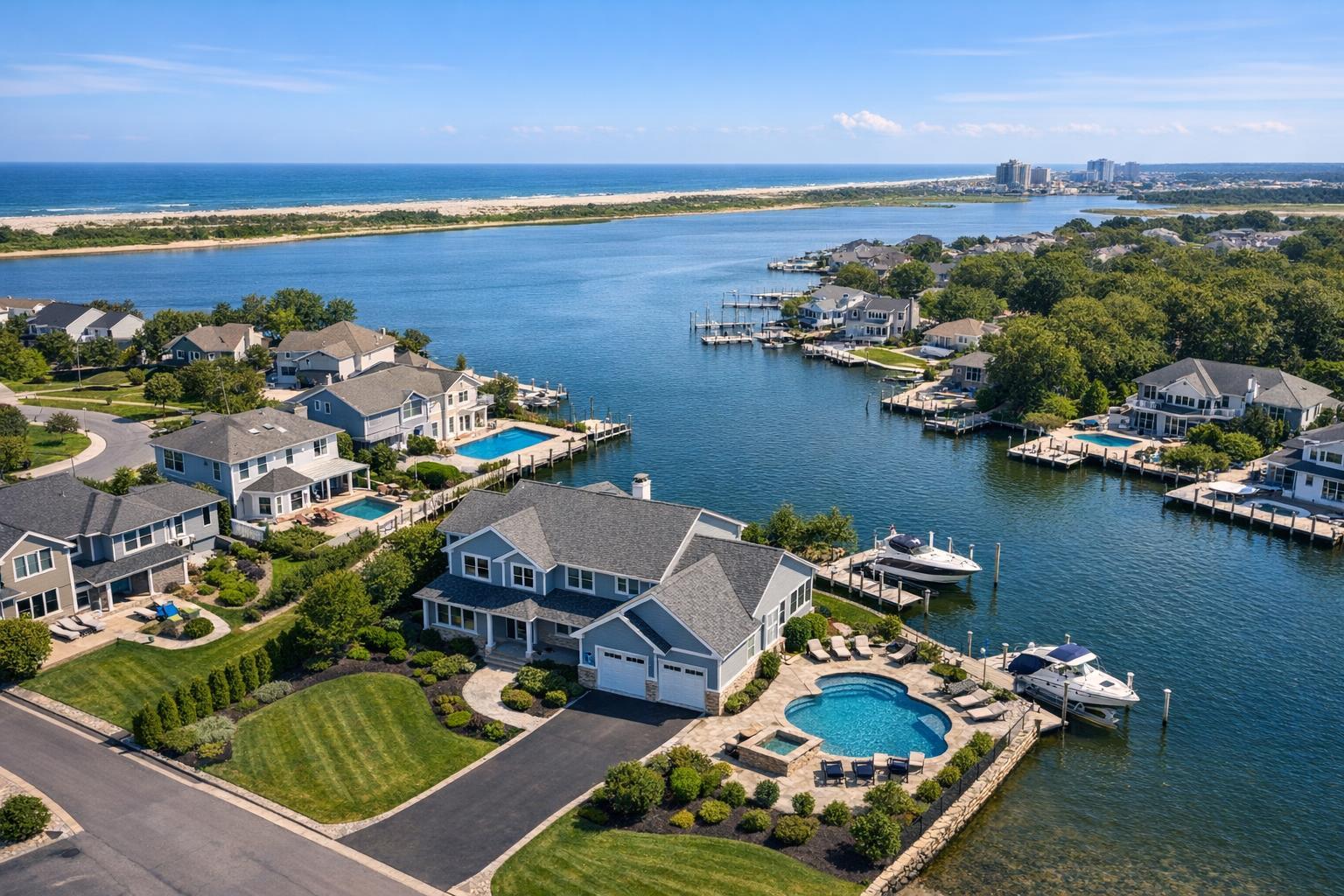
Aerial photos or videos add context for detached, waterfront, or rooftop-accessible properties. Drone shoots in NYC must respect FAA rules, weather, airspace, and pilot discretion. Roof access can help, but is not a guarantee.
Virtual Staging
Adding digital furnishings can make an empty space feel more approachable, but it works best for rooms that are already clear of furniture or clutter. Digital removal of existing furniture should be handled before staging is applied.
When choosing add-ons, ask yourself whether they’ll help viewers understand something that photography alone doesn’t show.
Comparing Companies: Service Structure, Communication, and Pricing
While price matters, what you get for your investment is just as important. An unclear or generic quote can lead to surprises. Look for a provider who makes it easy to see:
- Which services and coverage options are available
- How to select add-ons that fit your space, rather than by habit
- What needs to be captured on-site (versus handled digitally)
- How scheduling and confirmations work
- What information is needed before the appointment
- How to communicate special requests
RealtaSnap’s own online booking flow lets you enter your address, specify access instructions, select your media package, add notes, and pick a time in one step. The services are designed to match the size and specifics of each NYC listing, without forcing every add-on as the default.
If you’d like broader information on NYC media options—including photography, video, drone, and more—visit the main services page.
Preparation Tips for a Smoother Shoot
The smoothest listing launches typically involve some planning:
- Confirm tenant, owner, or building scheduling restrictions in advance
- Provide clear entry instructions for both the photographer and any coordinators
- Declutter, clear surfaces, and check light fixtures before the appointment
- Decide ahead of time if special editing or staging is wanted
- Share any specific shot requests or marketing priorities
Open communication helps avoid day-of surprises and ensures you receive a gallery that feels intentional and market-ready.
Ready for a Smoother Listing Launch?
A NYC property photography partner should bring clarity, reliability, and straightforward communication to every shoot—long before you see the finished images. By prioritizing a provider’s experience with your property type, consistency of work, understanding of NYC access needs, and transparency in service and pricing, you set the stage for a smoother, more successful listing launch.
When you’re ready to work with a team that understands the unique demands of NYC real estate, visit www.RealtaSnap.com.
FAQ
Question: How far in advance should I book real estate photography in NYC?
Answer: It’s smart to schedule as early as possible, especially if you need to work around tenant schedules, building requirements, or tight listing timelines. Some buildings require extra time for approvals or elevator reservations. RealtaSnap’s booking calendar shows available times, and most shoots require at least 24 hours’ notice.
Question: Is it okay to photograph an occupied apartment just as it is?
Answer: It’s certainly possible, and many NYC listings are occupied. Still, a bit of de-cluttering and surface clearing makes a noticeable difference in the photos. For rooms that are heavily furnished or in transition (like during a move), discuss your situation with your photographer so you can create a realistic shot list and prep plan.
Question: Do I need every media add-on for my listing?
Answer: Not at all. Professional photography is the foundation for most NYC properties. Add-ons like video, floor plans, or virtual tours are best chosen based on the space, layout, and marketing plan—not by default. The right provider will help you decide what’s genuinely useful for your listing.