How to Choose Luxury Real Estate Photography for a High-End Listing
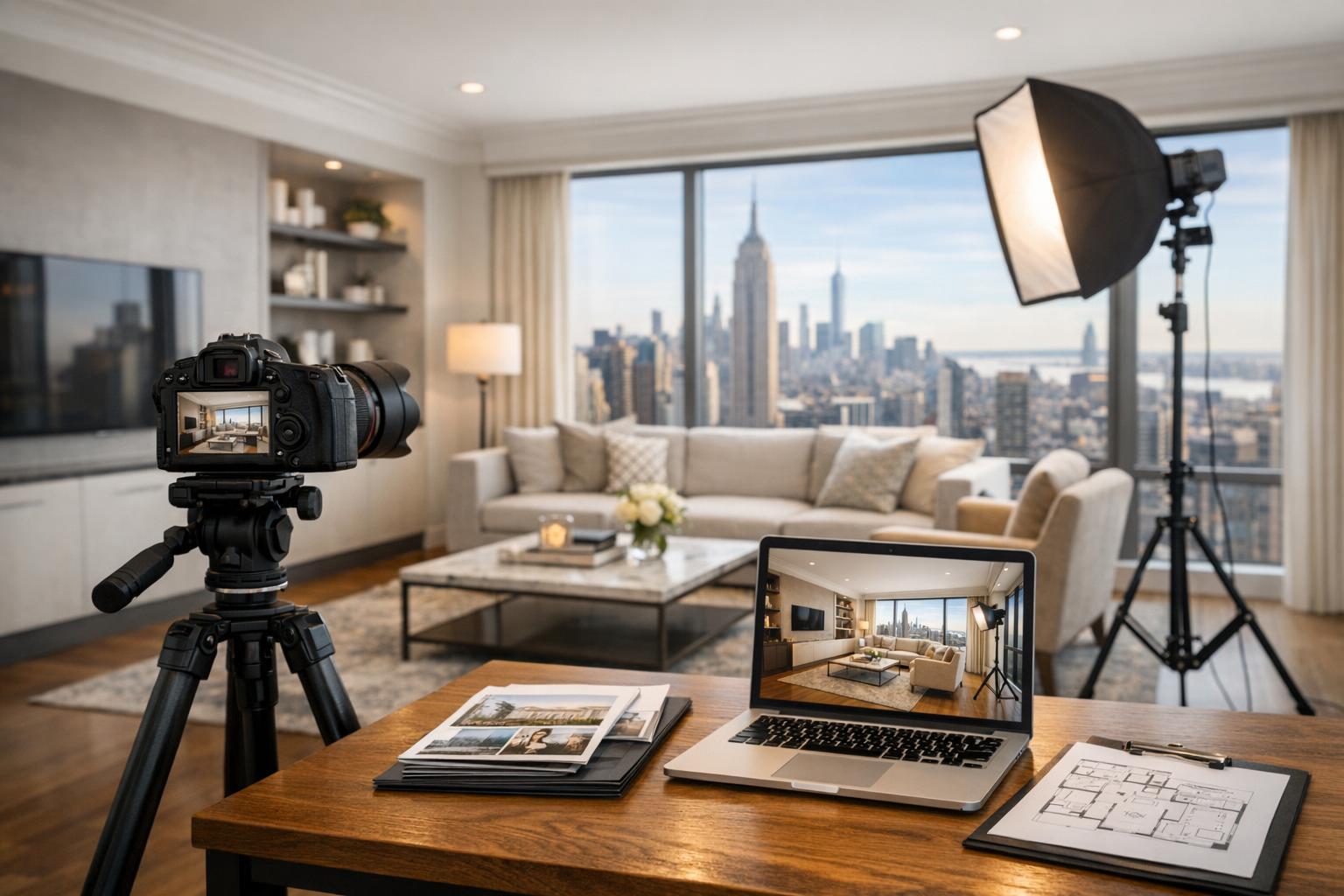
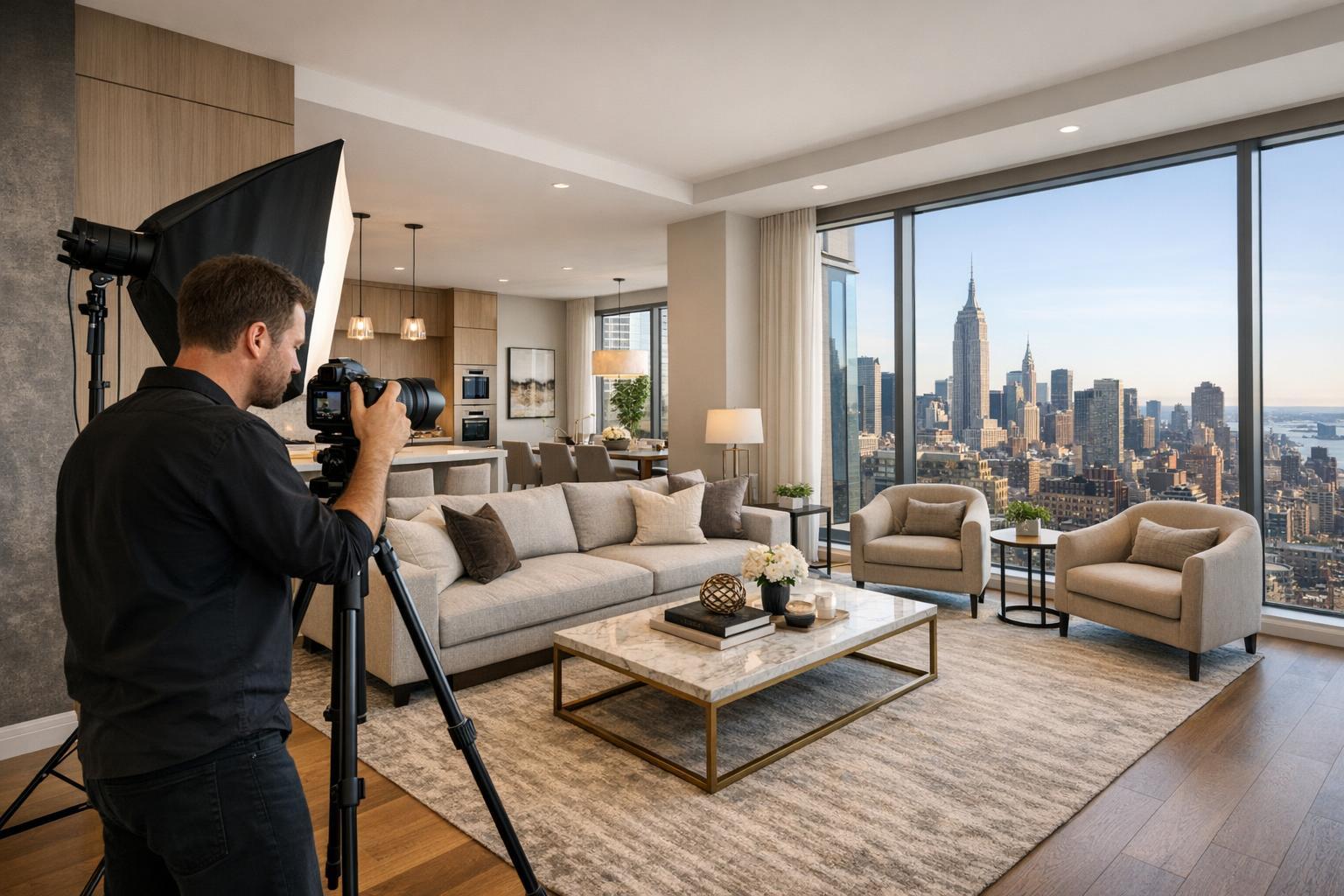
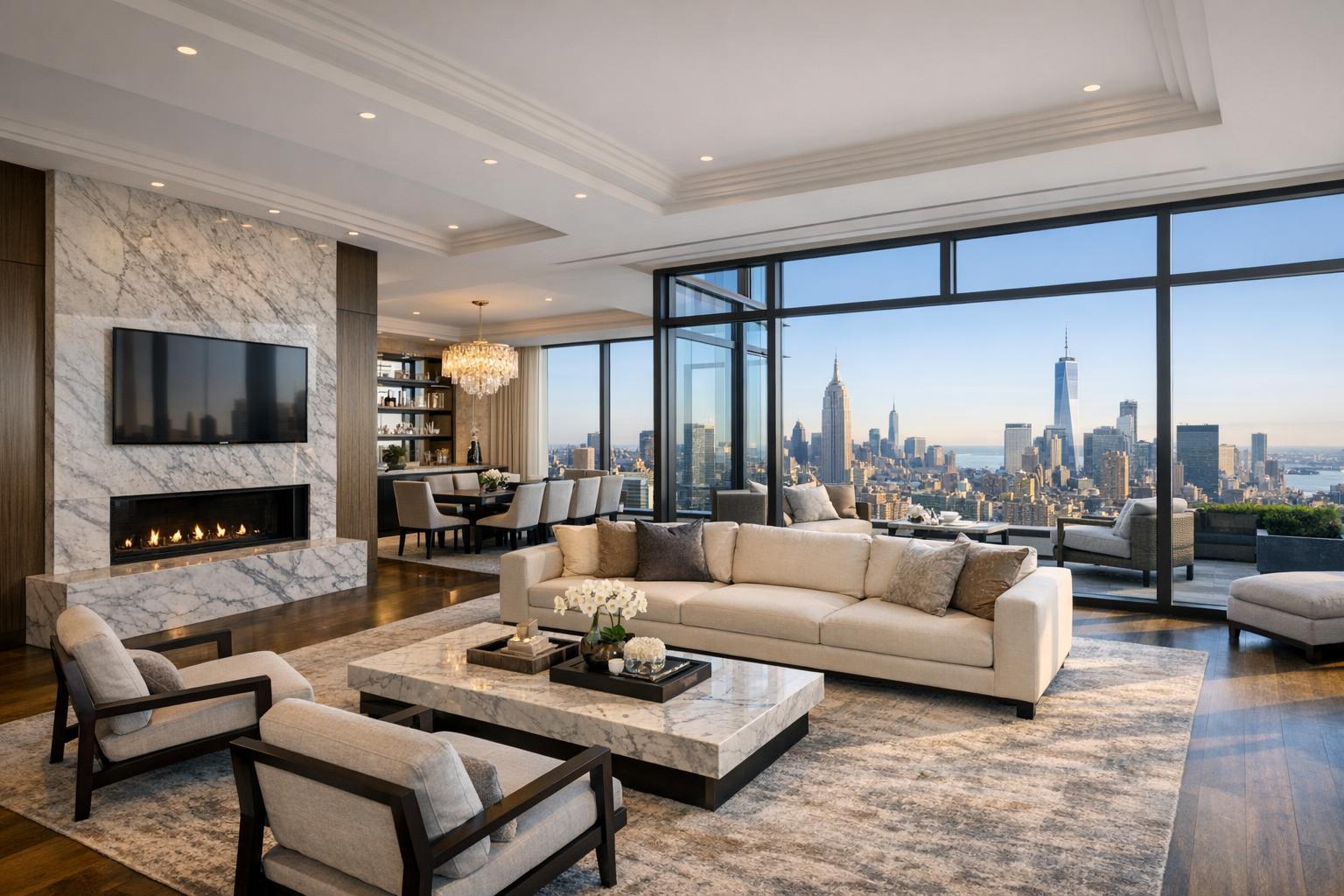
A luxurious living room with marble accents and a floor-to-ceiling window offers a stunning view of the city skyline.

How to Choose Luxury Real Estate Photography for a High-End Listing
Luxury real estate photography in New York City and New Jersey is about far more than simply capturing attractive images of a property. For agents, brokers, and developers working with high-end listings, great photography is a strategic tool. The right images should help buyers immediately understand the architecture, layout, finishes, atmosphere, and most importantly, the true personality of the home. Here’s how to thoughtfully select a luxury real estate photographer—and set your property up for success.
More Than Just Coverage: Why Editorial Photography Works
Standard real estate photography typically aims to provide complete coverage: each main room, exterior shots, and enough images to build a listing gallery. But luxury properties benefit from a distinct, editorial approach. Instead of treating every space as interchangeable, the best photographers identify the property’s strongest visual features—whether it’s a dramatic view, original period details, a custom kitchen, or seamless indoor-outdoor flow.
An effective high-end collection will:
- Lead with the property’s most important selling points
- Balance wide shots, artful angles, and key details
- Guide viewers logically from image to image, mimicking the experience of moving through the space
- Avoid overwhelming choices with redundant or repetitive photos
For these listings, more is not always better. Every image should have a purpose, telling a part of the property’s story without burying its best features.
What Makes a High-End Gallery Stand Out?
A luxury real estate photographer should bring a thoughtful blend of technical skill and creative judgment. Here are a few signs you’re working with someone who understands the assignment:
Balanced Light and Window Views
In upscale homes, windows often showcase unique city or waterfront views. It’s essential that these are handled carefully. If the windows are bright white or blown out, or the interiors seem oddly dark, a major selling point can be lost. Look for images that feel true to the experience: exteriors visible, interiors well-lit, and light levels that feel believable instead of theatrical.
Straight Lines and Clear Scale
Architecture benefits from careful attention to vertical and horizontal lines. Leaning walls, distorted rooms, and overly wide lenses can make a space feel misrepresented. Skilled editing ensures that lines remain straight and spaces appear as they do in person—not exaggerated or squeezed.
Intentional Composition
Anyone can shoot a room from the doorway. True high-end property photography finds perspectives that naturally highlight the property’s focal points—perhaps framing a historic dining room to show its relationship to a grand staircase, or capturing a modern kitchen’s finishes and flow in a single, balanced shot.
Clean, Honest Editing
Edits should refine, not transform. Overdone skies, saturated colors, or digitally “enhanced” features set unrealistic expectations that rarely hold up during a showing. The best work is polished, clean, true to life, and consistent across the gallery.
How to Evaluate a Photographer’s Portfolio
When you review a photographer’s sample work, don’t get distracted by a few dramatic “hero” shots. Instead, dig into full galleries. Look for consistency, not just flashes of brilliance—does their work hold up across varied property types, conditions, and lighting challenges?
Ask yourself:
- Are views handled thoughtfully?
- Are interiors both bright and believable?
- Do vertical lines stay straight?
- Are both main spaces and unique details well-represented?
- Do different property styles (pre-war apartments, modern condos, brownstones, large homes) all feel appropriately captured?
Adaptability is crucial, especially in the NYC and NJ luxury markets. A photographer who can do justice to a Manhattan penthouse should also know how to present a Brooklyn brownstone or a North Jersey estate.
Tailoring the Visual Story by Property Type
Luxury is never one-size-fits-all. What matters in a compact Manhattan condo differs greatly from the priorities of a historic co-op or a sprawling New Jersey home. Here’s how a nuanced approach makes all the difference:
Manhattan and City Apartments
In Manhattan, every square foot matters. The photography needs to balance making rooms feel welcoming and “usable” without faking scale. Key visuals include open layouts, window exposures, built-ins, and views. Clean staging and decluttering are your best friends, as even small distractions can shrink a space visually.
Pre-War and Historic Spaces
Older properties—think classic Upper West Side or Gramercy co-ops—require a focus on authentic charm: moldings, ceiling height, fireplaces, and unique detail work. The best galleries show both the context (wide shots of rooms) and the craftsmanship (tight shots on special finishes)—not just a random set of close-ups.
Brooklyn Brownstones and Townhouses
The vertical flow of staircases, parlor floors, garden access, and architectural quirks all want to be part of the visual sequence. Images should connect floors and spaces, helping buyers grasp the unique layout instead of leaving them to guess at a series of disconnected rooms.
Larger New Jersey Homes
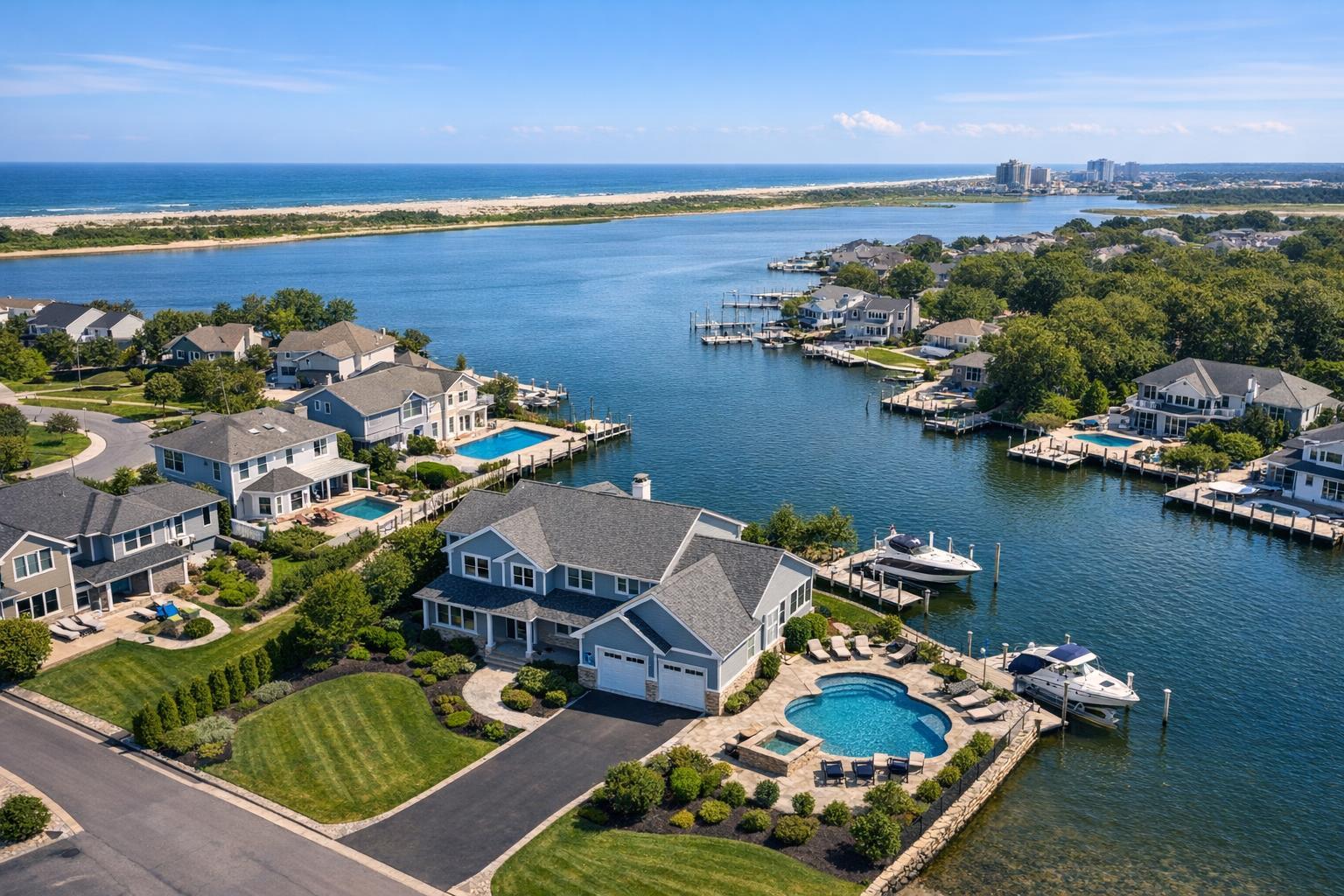
In North Jersey and beyond, homes often include several living spaces, extensive grounds, and a lifestyle element—think pools, outdoor kitchens, or woodland views. Property photography here needs to showcase both shelter and site, sometimes with the support of thoughtful aerial or drone work (which is always subject to feasibility, safety, and regulation).
Preparing a High-End Space for Photography
Even the most talented luxury real estate photographer needs a well-prepped property. Preparation is a team effort between agents, owners, stagers, and media pros. Here’s a quick checklist:
- Remove personal items, excess furniture, pet supplies, cords, and countertop clutter
- Clear off kitchen appliances, bathroom counters, and visible storage
- Replace burned-out bulbs and make sure all lights work
- Open blinds and window treatments when privacy allows
- Make beds, fluff cushions, tidy up, and align dining furniture
- Hide remotes, paperwork, and cleaning gear
- Confirm access to all areas planned for the shoot (rooftops, common spaces, amenities)
- Arrange for elevator reservations, parking, or building approvals if needed
For occupied homes, editing after the fact shouldn’t take the place of in-person decluttering. If you plan to use virtual staging, remember: it’s best suited for empty rooms or spaces where furniture has already been cleared or removed virtually as an add-on.
Asking the Right Questions Before Booking
Getting the right result requires clear communication upfront. Some practical questions to ask your photographer:
- What features of the property would you prioritize in the gallery?
- How should the property be prepared to photograph well?
- Can you show examples from similar homes or buildings?
- How do you handle challenging light, tight spaces, or prominent views?
- What coverage (number and type of images) is best for this listing?
- Are there access, building, or timing issues to consider?
- Would video, floor plans, 3D tours, or aerial media help tell the story?
Remember, not every listing needs every available media type. Photography is your foundation, and complementary media should address real needs: floor plans to explain layout, video for movement, 3D tours for remote exploration, and drone when the site or setting demands extra perspective.
Why Consistency Matters: Reviewing RealtaSnap’s Approach
For agents seeking stress-free, listing-focused photography in NYC or New Jersey, RealtaSnap offers professional HDR photography with a focus on clarity and true-to-life representation. Unlike “one size fits all” studios, the process is tailored from the initial brief: share the address, property type, size, access details, and features you want buyers to see first. This helps ensure your gallery is focused and intentional, whether you’re promoting a light-filled Manhattan jewel box, a Brooklyn classic, or a spacious New Jersey retreat.
Packages are simple and scalable—choose exactly the coverage you need, and add extras like AI virtual staging, video, or drone on an as-needed basis. You can book directly and view service options at www.RealtaSnap.com.
Choose Images That Clarify and Inspire
Outstanding luxury property photography isn’t about special effects or an endless scroll of similar shots. It’s about understanding what makes a home unique and presenting it, accurately and invitingly, to the right audience. Prepare carefully, communicate your goals, and choose a photographer with a consistent, story-driven portfolio. When you’re ready to take the next step, you can find more info and schedule online at www.RealtaSnap.com.
FAQ
Question: How many photos should a luxury listing feature?
Answer: The number depends on the property and its key features. A thoughtfully edited gallery should cover main living spaces, important transitions, outdoor or view highlights, and the kinds of details that add real value—without repeating angles or cluttering the gallery.
Question: Are detail shots important in high-end property photography?
Answer: Absolutely, as long as those details represent real selling points like original woodwork, custom cabinetry, premium stone, or special hardware. Tighter shots are most effective when they’re paired with wider room images that give context to where the details belong.
Question: Can virtual staging be used for luxury homes with furniture present?
Answer: Virtual staging is generally best for empty rooms. If a space already has furniture, it will need to be removed or reduced—either physically or via an approved clutter-removal edit—before virtual staging can be applied to ensure a realistic result.
If you’re ready to book or just want to see more of what’s possible, you can find details and availability at www.RealtaSnap.com.