How to Choose an Architectural Photographer in NYC for a Property Project
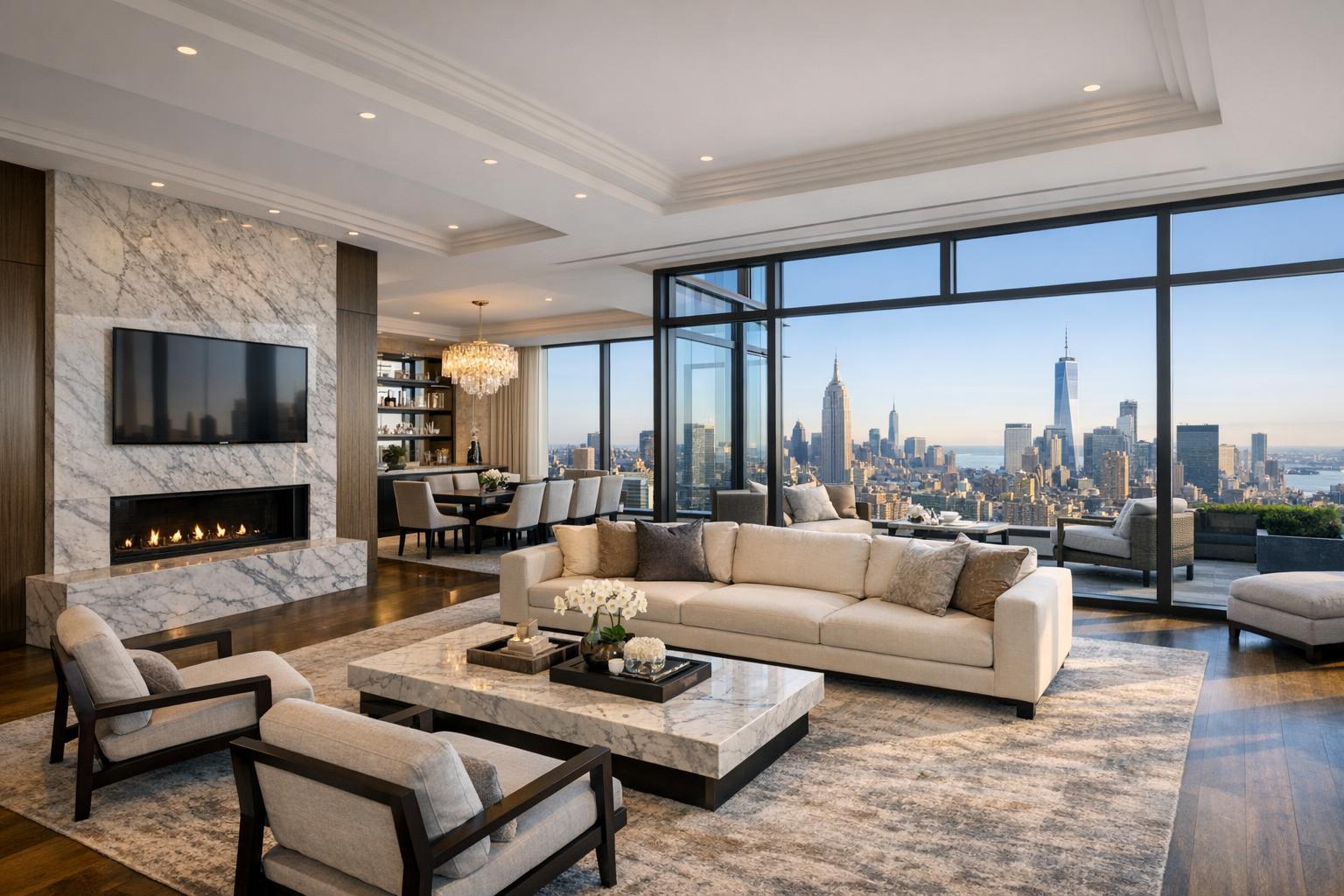
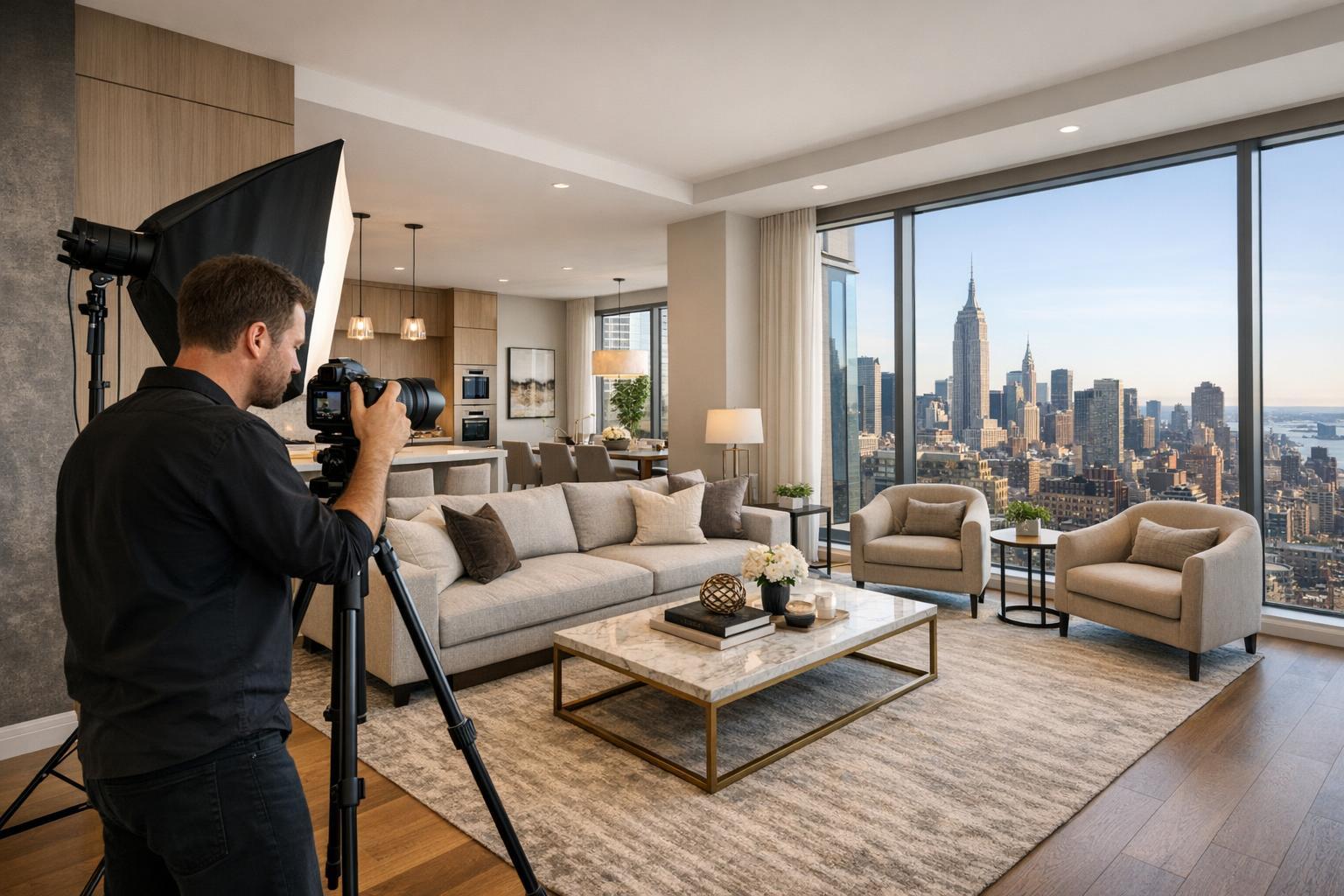
An architectural photographer in NYC captures an elegant apartment interior with a stunning city skyline view.
How to Choose an Architectural Photographer in NYC for Your Property Project
Working with an architectural photographer in NYC means more than simply getting a set of property photos. Whether you’re a developer unveiling a new building, an architect building your project portfolio, a broker prepping a listing, or an owner showcasing space for lease, the right photographer can influence not just how a space looks—but how it’s understood and valued.
Let’s break down how to choose the right photographer for your project’s needs, what distinguishes true architectural photography from standard listings, and what to expect before and after the shoot.
Beyond the Snapshot: What Sets Architectural Photography Apart
In New York City, the best architectural photography is intentional. It’s about showing a real space—its lines, proportions, light, and finishes—in a way that’s true to both the designer’s vision and the property’s real-world appearance.
While listing photography and architectural photography share some goals (clarity, professionalism), architectural captures demand a deeper focus on:
- Perspective control: Vertical lines stay upright so architecture feels solid, not warped.
- Thoughtful composition: Frames guide the viewer naturally, revealing the rhythm and relationships of each space.
- Balanced light: Photographers manage natural and artificial light so rooms feel dimensional, never flat or washed out.
- True-to-life materials: Wood, stone, glass, tile, and fabric should appear authentic, without unrealistic filters.
- Scale: Photos help you sense ceiling heights, window dimensions, and how rooms connect—especially important in NYC’s mix of compact, historic, and custom spaces.
This approach shines in buildings with remarkable interiors or details: Brooklyn brownstones with restored woodwork, Manhattan lofts with exposed beams, or new developments with custom amenities. The aim isn’t to mislead or exaggerate, but to represent the space at its best and most honest.
Pinpointing the Purpose: Why Will These Images Be Used?
Before talking with any NYC property photographer, define where and how the images will be used. The vision for your project—whether that means marketing materials, an architect’s website, press kits, leasing decks, or investor presentations—informs the choice of photos, the scope of the shoot, and the best time of day.
Think about:
- Will the photos appear in residential or commercial listings?
- Are they destined for brochures and sales tools?
- Is the priority a polished architectural portfolio or a straightforward project record?
- Will press, social media, or editorial coverage be part of the plan?
- Do you need before-and-after documentation for renovations?
The intended use shapes everything from the structure of a shot list to the amount of detail needed. Clarifying this up front can save you from realizing later that you’re missing a key shot of the rooftop, facade, or a signature interior finish.
Property Types: Choose a Photographer With Relevant Experience
New York City buildings come with their own quirks and requirements. When reviewing portfolios, look for a photographer who’s handled projects like yours:
- Manhattan apartments and condos: It’s crucial to present compact or layered layouts clearly without odd distortions. Timing for daylight vs. twilight shoots may matter if the views are a selling point.
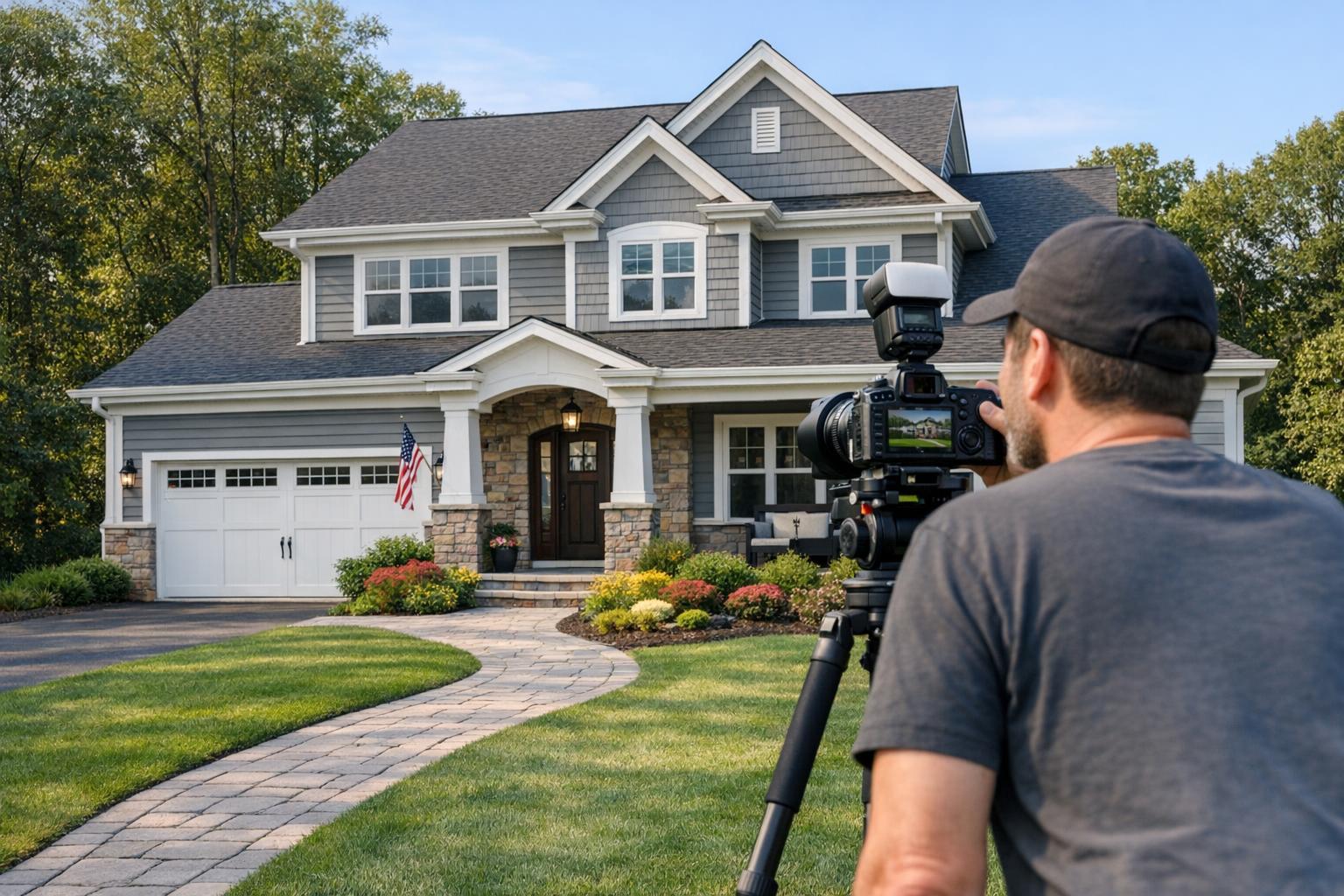
- Brooklyn brownstones and townhomes: Capturing these means balancing wide contextual shots (stoops, stair halls) with close-ups of details (mantels, medallions, garden access). The story should flow from exterior to interior.
- New developments: Consistency is key across varying units and shared spaces. Ask if the photographer can deliver a unified look for model units, amenity areas, and exteriors.
- Offices, retail, and hospitality: Commercial real estate photography usually focuses on both function (flow, amenities, circulation) and feel (lighting, finishes, atmosphere). A strong portfolio should show not just empty rooms, but how people might imagine using the space.
If possible, ask to see work from similar property categories. Does it capture both the broad sweep and the telling detail? Does each image set feel cohesive?
What to Look for in an NYC Architectural Photographer’s Work
Comparing galleries goes beyond looking for the most dramatic shots or luxury projects. Focus on these qualities:
- Straight lines and stable perspective: Are walls, windows, and cabinetry level and true?
- Realistic lighting: Do interiors feel balanced, not artificially bright or muddied by tough window light?
- Material accuracy: Do the images represent paint colors, wood, steel, stone, and tile the way they appear in person?
- Purposeful framing: Does each photo help viewers understand the layout, proportions, and key features?
- Consistency: Is there a thread running through the set, regardless of the room, property, or project size?
A reliable architectural photographer brings repeatable discipline to every shoot, not just to a few highlight moments.
Planning Your Shoot: Details That Matter
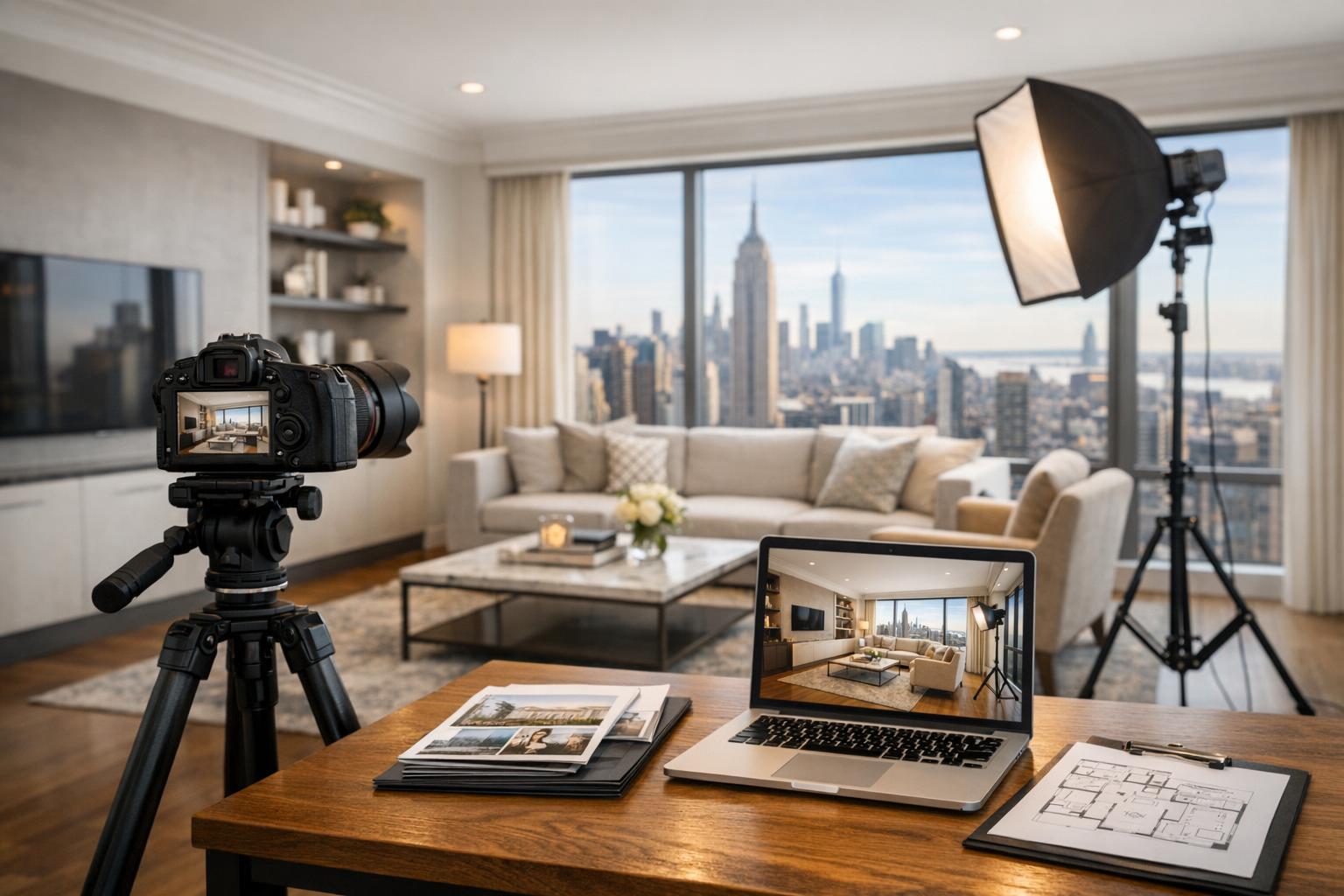
The best results come from collaboration before anyone unpacks a camera. Preparation is a two-way street, starting with a discussion about your goals and any practical constraints. You’ll want to cover:
- What are the must-capture spaces or angles?
- Is the property occupied, vacant, under construction, or staged?
- Are there access or scheduling challenges?
- Who will provide site access and make on-the-fly decisions?
- Will certain rooms or outdoor areas need to be photographed at specific times of day?
- Are you interested only in photography, or will you need video, floor plans, or drone images as well?
If you’re photographing an occupied space, take some time to prepare—put away personal clutter, cables, boxes, and anything that might distract from architectural features. For vacant units that require a furnished look, discuss AI virtual staging. RealtaSnap’s service is designed for empty rooms, so any existing furniture or clutter should be removed first to keep the results believable.
Shot Lists: Guide Without Locking Everything Down
A shot list helps everyone stay aligned—especially for large projects—but some flexibility should stay in the mix. While you’ll want to specify must-haves (facade, lobby, living areas, amenities, outdoor spaces), a good photographer may find unexpected angles on site, especially as lighting changes or a new detail catches the eye.
For complex properties, group priorities by location or function. This gives structure to the session while leaving room for creative judgment and incidental discoveries.
Will Other Media Strengthen Your Project?
Photography is the foundation, but some listings, portfolios, or campaigns benefit from extra context:
- Floor plans: These are especially valuable for larger properties and unique layouts. Proper floor plans require an onsite scan—not a repurposed PDF or drawing.
- Video: Short cinematic tours, captured on-site, help viewers see room-to-room flow and experience a property through motion.
- 3D tours: Services like Matterport can let out-of-town clients explore an entire space virtually. These always require onsite capture of the completed property.
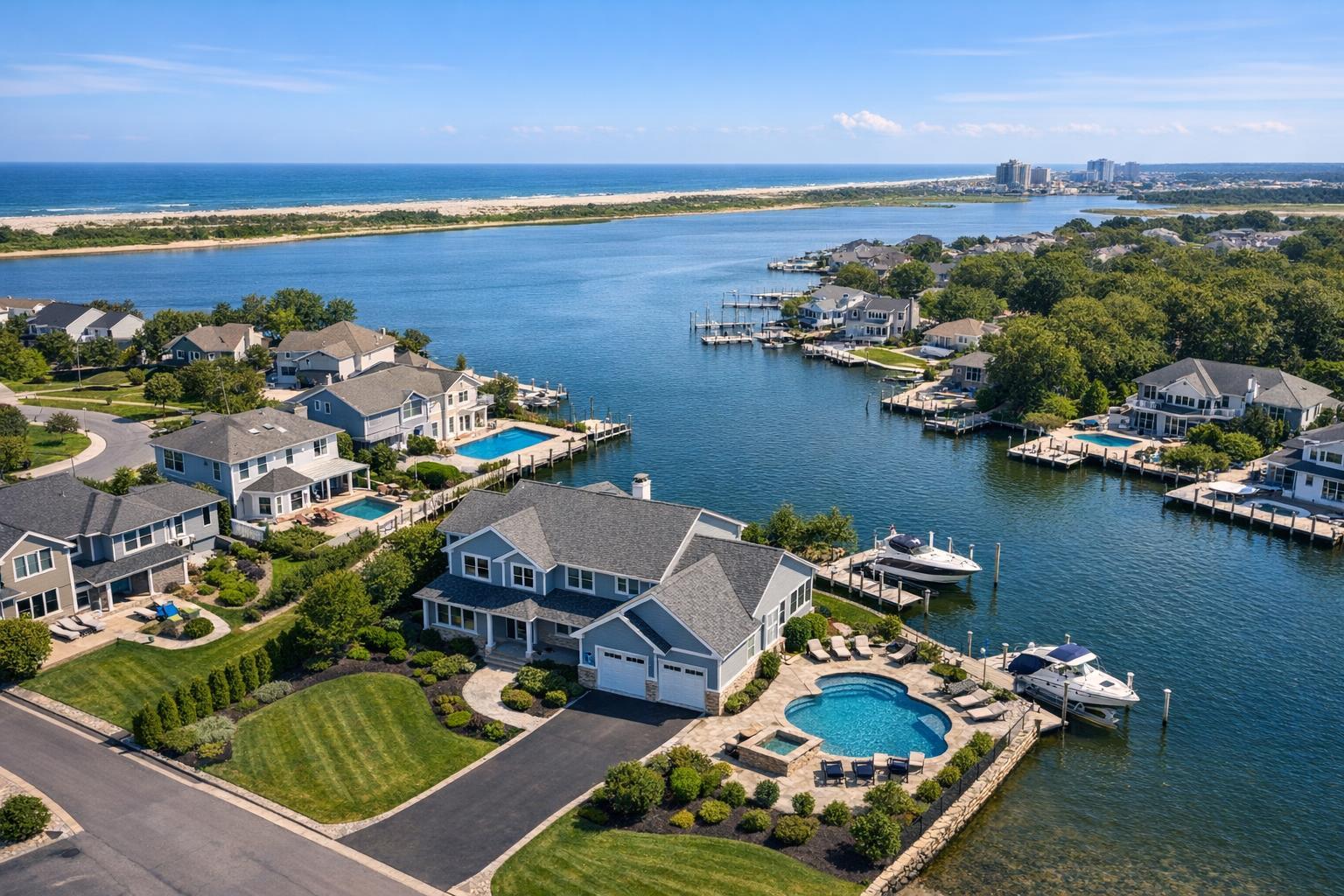
- Aerial/drone media: Drone photos and videos can provide compelling context for rooftops, garden access, or proximity to parks and subways. However, drone work in NYC is subject to airspace, weather, and access limitations. Always confirm feasibility before counting on these angles.
Licensing, Usage, and Deliverables: Be Clear Before You Book
Make sure to talk through licensing before the project begins. Consider:
- Who needs the right to use the photos—developer, architect, builder, agent, owner?
- Will the images be featured in print, online ads, editorial, or paid campaigns?
- Will multiple project partners need access?
- How will image credit be handled?
- Are alternate crops or additional retouching likely to be needed?
Each property will warrant a different number and style of images depending on use—not just on square footage. Be as specific as possible about needs so you don’t have to request last-minute add-ons.
Working with RealtaSnap in NYC
For property-focused photography in New York City, RealtaSnap offers a practical, client-friendly approach. You'll find standard HDR photo packages, cinematic 4K video, floor plans, virtual tours, and drone services. Projects are booked online with transparent scheduling, and you can explore RealtaSnap’s NYC photo services or visit the main website to learn more.
If you have a property project coming up—even beyond Manhattan to Brooklyn, Queens, the Bronx, or Staten Island—RealtaSnap can help you map out a coverage plan that makes sense for your schedule and goals.
FAQ
Question: How does architectural photography differ from commercial real estate photography in NYC?
Answer: Architectural photography focuses on design intent, materials, spatial flow, and light. Commercial real estate photography often aims to show usable spaces, amenities, and location in a way that helps tenants, buyers, or investors make practical decisions. The best projects often blend both approaches.
Question: How should I prepare a property for an architectural shoot if it's occupied?
Answer: Preparing means minimizing clutter—tucking away personal items, cables, and any distractions. For virtual staging, rooms should be empty or professionally decluttered first to ensure the staged result reads clean and real.
Question: If I need twilight or exterior photos, how do I plan for that in NYC?
Answer: The best exteriors are photographed in good natural light, depending on building orientation. Twilight, with its ambient city glow, is great for shots featuring building lighting, illuminated windows, or city views. It’s wise to discuss these needs and timing when booking so everyone’s on the same page.
Explore more, view sample projects, or schedule your own shoot at www.RealtaSnap.com.