How to Choose a Real Estate Video Tour for Your NYC or New Jersey Listing
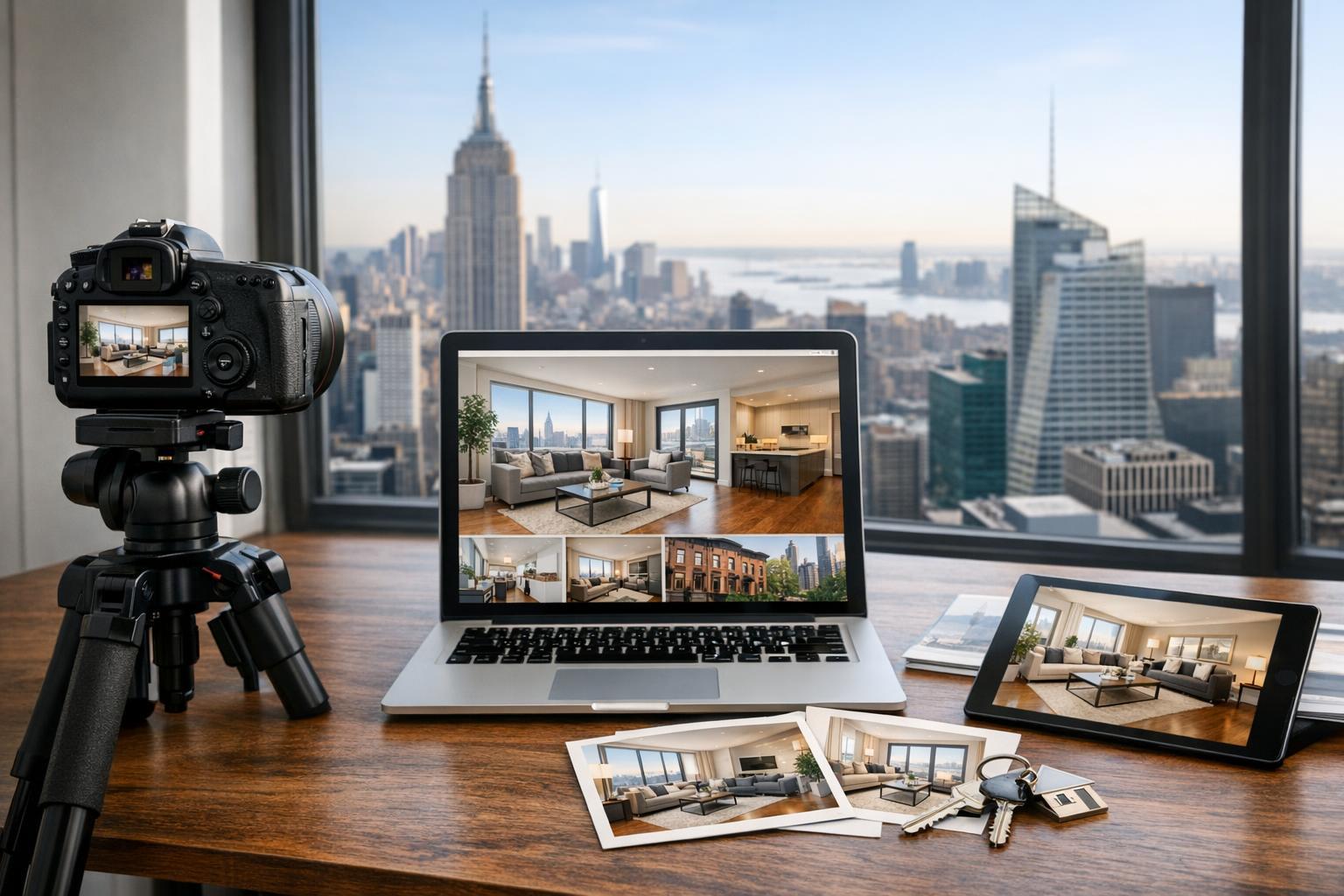
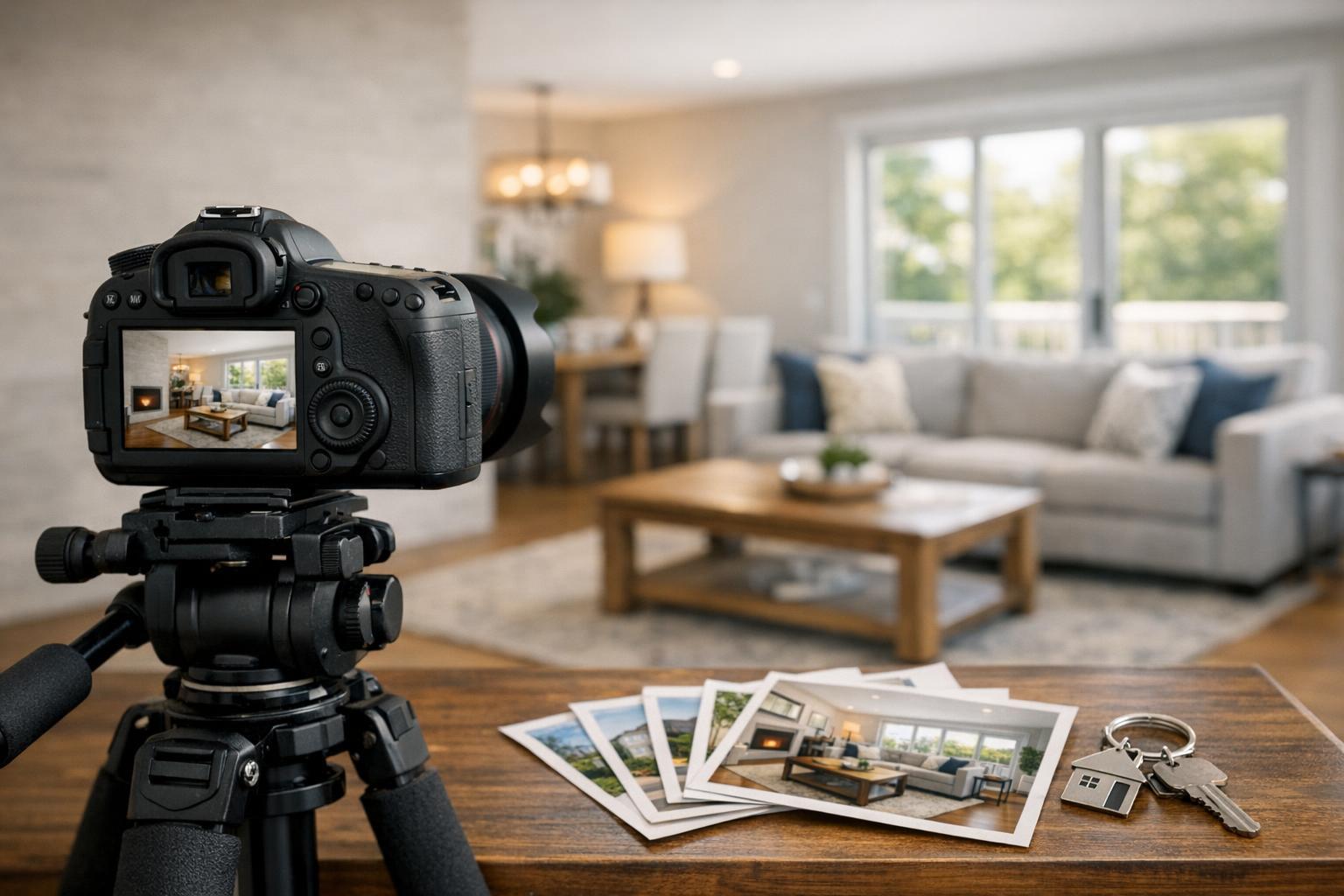
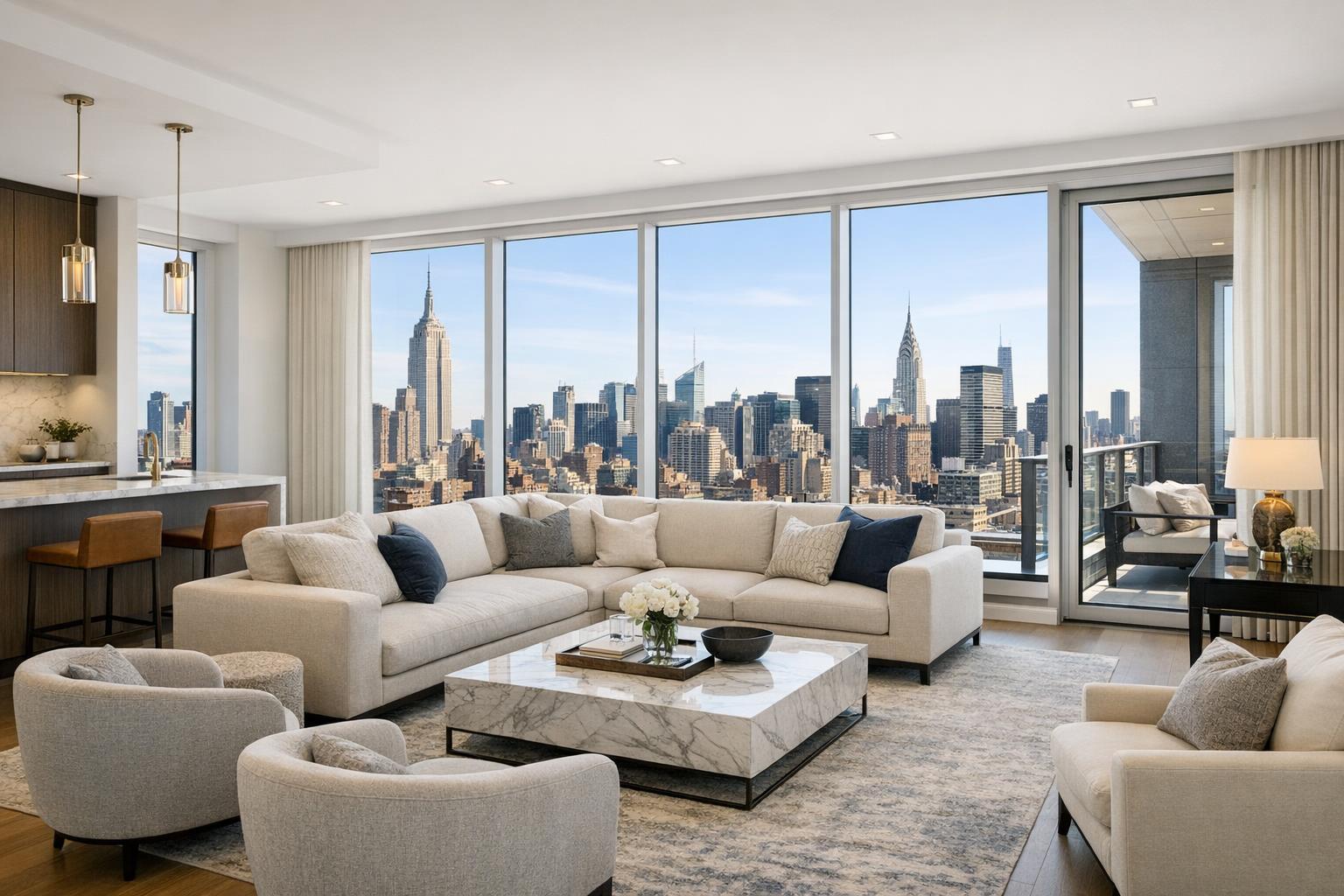
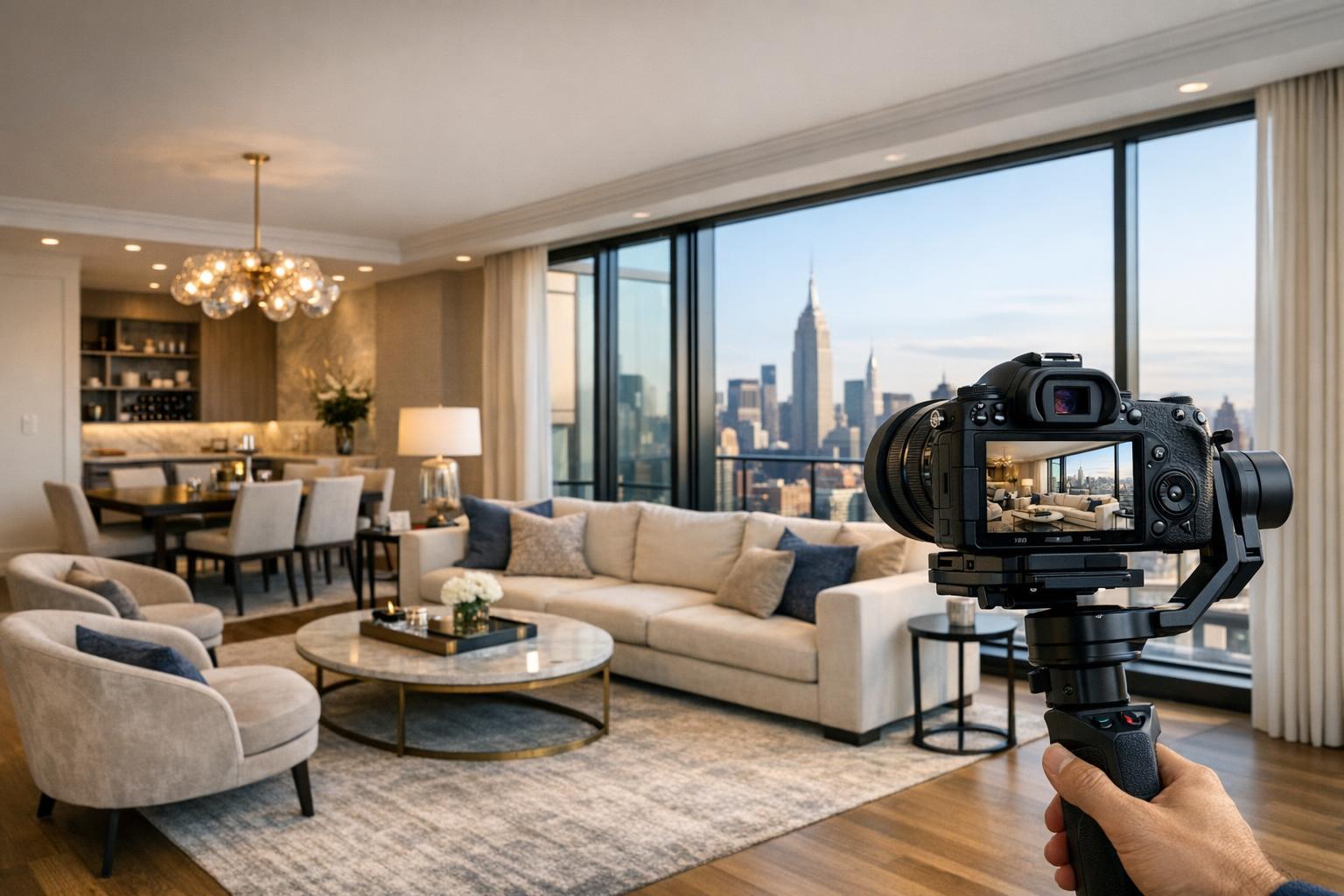
A camera on a gimbal captures a real estate video tour of a luxurious living room with a stunning cityscape view in the background.

How to Choose a Real Estate Video Tour for Your NYC or New Jersey Listing
A real estate video tour offers something photography alone can't: an inside look at how a property actually feels and flows. If you're an agent, broker, property manager, or developer in the New York City or New Jersey area, figuring out whether a video tour is worth adding—and how it should be captured—can shape how prospective buyers or renters perceive the space before they even book a showing.
Let's dig into the practical differences between video, slideshows, and 3D tours, how to decide what your listing really needs, and what to expect if you want a video that's purposeful (not just a collection of clips). We'll look at local examples and break down prep work, so you’re not left guessing or wasting budget on media that doesn’t tell your property’s story.
What Video Shows That Photos Can’t
Photographs remain essential for marketing a listing—there’s no substitute for a crisp image of a sun-drenched living room or a sparkling kitchen. But when you want to show how you move from the entryway to the main gathering space, how light drifts from one area to another, or how a hallway connects private bedrooms to that coveted backyard, you need video. For listings throughout NYC and New Jersey, this is especially true when dealing with homes that don't fit a cookie-cutter mold.
Before jumping into production, ask: What is the listing’s visual story? Are you trying to showcase an open plan, the drama of a brownstone staircase, the slick transition from lobby to amenity floor, or simply the best city view from the balcony?
Local Examples
- A tight Manhattan one-bedroom may only need a brisk, no-nonsense video emphasizing the entry, living space, bedroom, and any standout building perks or views.
- Brooklyn brownstones often benefit from a slower, floor-by-floor walk, capturing those original moldings, parlors, and sometimes a lush rear garden.
- Jersey City condos or larger North Jersey homes might justify longer-form coverage if you want to fit in multiple levels, outbuildings, or an impressive backyard oasis.
Tailor the footage. Don't cram every listing into the same sequence—help viewers understand what makes your property unique.
Choosing the Right Format: Video, Slideshow, or 3D Tour?
The phrase "video tour" gets tossed around, but not all tours are created equal. Here’s how the options break down:
Professionally Captured Property Video
A true property video is filmed on site, using smooth camera movements to guide viewers as if they were walking through the space themselves. Through careful editing, music, and branding, it tells a story: how the kitchen invites you in, how the bedroom feels tucked away, whether the terrace is connected or private.
Property videos are most impactful when:
- The home’s layout has a logical or interesting flow.
- You want to show off details or finishes that need movement or multiple perspectives.
- Light changes dramatically from one part of the day to another.
- There’s a natural link between indoor and outdoor living.
- You want to highlight amenities or a striking exterior setting.
Well-edited movement draws attention to what matters, without overloading the senses.
Slideshow-Style Video
This option uses a series of still photos with transitions or music. Easy for presentations or social snippets, slideshows are not substitutes for the lived movement of a space. You can't show the flow from kitchen to dining room, or that satisfying moment when French doors swing open to a patio.
If your goal is to communicate the property’s rhythm or atmosphere, a slideshow won’t cut it. RealtaSnap makes a clear distinction here: all property videos are filmed on location rather than produced from photo slideshows.
Interactive 3D Tours
3D tours (like Matterport) let viewers explore on their own, clicking through scan points and spinning around to get a sense of space. This works well for buyers or renters who want to measure distances or orient themselves, but it’s a self-guided experience.
A video leads viewers along your story at a specific pace. A 3D tour puts the map in their hands. Both can be valuable, but they don’t serve the same needs—and both require on-site capture.
How Much Coverage Do You Really Need?
Not every listing is begging for a three-minute epic. For a studio, a social-focused rental, or a move-in-ready condo, shorter, sharper presentations work best. If the scale increases—a historic brownstone, a new development with shared amenities, or a sprawling New Jersey home—investing in more comprehensive video may make sense.
A brief video tour works well for:
- Studios and compact apartments
- Condos with a few standout rooms
- Quick-turn rentals
- Listings where photos already do the heavy lifting
- Social media or email blasts that demand brevity
Expanded or premium video coverage is worth considering for:
- Multi-level homes, brownstones, or properties with a dramatic layout
- Listings with large amenity spaces, gardens, or outdoor entertainment areas
- Homes where agent-led interviews bring insight on design or lifestyle
- Properties with neighborhood appeal—lobby, skyline, nearby parks, or cityscapes
With RealtaSnap, you can choose from options designed to fit your listing’s needs, from standard walk-throughs to premium productions with on-camera interviews. It just depends on how much there is to show, and who is likely to be watching.
What Makes a Real Estate Video Easy to Watch?
Great real estate videography is subtle. Viewers shouldn’t feel rushed through a maze of rooms or distracted by flashy effects.
Visual Sequencing:
The most effective tours mimic the natural path a guest would take—from entry, to living spaces, to bedrooms or outdoor features. For a townhouse, that might mean a deliberate journey from the stoop to the backyard. In a condo, you might start in the lobby and ascend to the main living area.
Camera Movement:
Motion should reveal, never distract. A steady push into a living room, a gentle pan across a foyer, or a precise glide down a hallway are more effective than frantic cuts or handheld bounces.
Pacing:
Each space deserves enough screen time for viewers to get their bearings; the edit should linger just long enough for key features to register. Too fast, and buyers feel lost; too slow, and you risk losing their attention.
Lighting:
Natural light sells. Time your shoot for when the space shines brightest—some rooms glow at midday, others at sunset. Prep the property to maximize good light: open blinds, switch on lamps, and be ready to adjust for the season or weather.
Getting Ready for a Video Tour
Prepping for video is a bit different than prepping for photos. When a camera moves through a space, stray cords, everyday items, or out-of-place chairs can easily creep into the frame. That means decluttering every sightline and making sure every area that will appear on camera is clean, accessible, and naturally lit.
Basic prep checklist:
- Clear off all surfaces (countertops, vanities, tables, open shelves).
- Remove personal effects, wires, pet items, cleaning supplies, and excess furniture.
- Make beds, align chairs, roll up loose rugs.
- Open curtains and blinds where possible, aiming for natural light.
- Switch on all interior lights and swap out burnt bulbs.
- Clean up outdoor areas—balconies, terraces, stoops.
- Double check access to all areas you want filmed, including amenities or shared spaces.
- If possible, walk the route yourself in advance to spot any issues with flow, accessibility, or visual distractions.
Occupied properties need a little extra planning: make sure everyone involved knows when filming will happen and what needs to be cleared or staged in advance.
Filming Exteriors, Amenities, and Neighborhoods
A listing’s surroundings often matter as much as the rooms themselves. Exterior video—whether of a classic Brooklyn façade, Manhattan lobby, North Jersey view, or hidden backyard—sets the tone for a listing.
Aerial video and drone shots are sometimes possible but depend on airspace, weather, and permission. In tough NYC neighborhoods, drone footage isn’t always feasible, but when it is, it can be a powerful addition for suburban or waterfront homes. Focus exterior coverage on what strengthens the listing—don’t let neighborhood clips overshadow the property itself.
Tailoring Video for Your Marketing Channel
Think ahead about where your video will appear:
- Full-length, horizontal video tours are well-suited to listing pages, YouTube, direct email, or presentations.
- Shorter, vertical edits are effective on Instagram, TikTok, Stories, or social ad campaigns.
If you're booking with RealtaSnap, attachments like 30-second trailers or social-media alt cuts can be added so your footage works wherever you need it. Branding or contact text should enhance but not overwhelm—keep essential info visible without covering up great features.
For more about RealtaSnap's video offerings and social-ready add-ons, see real estate videography in NYC.
Does Every Listing Need a Video Tour?
Not always—but when a property's value or story depends on movement, flow, or context, a purposefully produced video can make a difference:
- Does the arrangement of rooms, entry experience, or view help sell the story?
- Are there features—lighting, gardens, or amenities—that photos can’t explain?
- Will the property be seen on platforms or campaigns where video gets real attention?
- Do you have enough unique content for the video to feel engaging, rather than repetitive?
- Can the space be properly staged and ready for an in-person shoot?
If you’re answering yes to several of these, video is probably worth the investment. You’re not replacing great photography—you’re adding another dimension to your listing’s story.
For tailored media that fits your property, RealtaSnap focuses on on-site videography for NYC and New Jersey professionals who need more than just a generic photo montage. Learn more or schedule a session at www.RealtaSnap.com.
FAQ
Question: How long should a real estate video tour be?
Answer: The ideal length depends on your property and your goals. Studio apartments or small condos work well with a 1-minute video, while larger homes with amenities or agent-led tours may need up to 3 minutes. It’s best to focus on flow and highlight features without adding filler.
Question: Can I use photos to make a video tour?
Answer: You can create a photo slideshow, but it isn’t the same as a professionally filmed video tour. True video shows movement, transitions, and the unique character of a space—something a photo sequence can’t fully communicate. RealtaSnap videos are always filmed on site, not generated from stills.
Question: Should I order both a video and a 3D tour for my listing?
Answer: Video and 3D tours serve different purposes. Video is great for storytelling and overviews, while a 3D tour gives viewers full control to explore on their own. If your listing would benefit from both a guided preview and interactive self-touring, the two formats can complement each other.
If you ever need advice on what’s best for your listing or would like to discuss options, we’d love the opportunity to help.
www.RealtaSnap.com