How to Choose Real Estate Photography Services in NYC for Your Next Listing
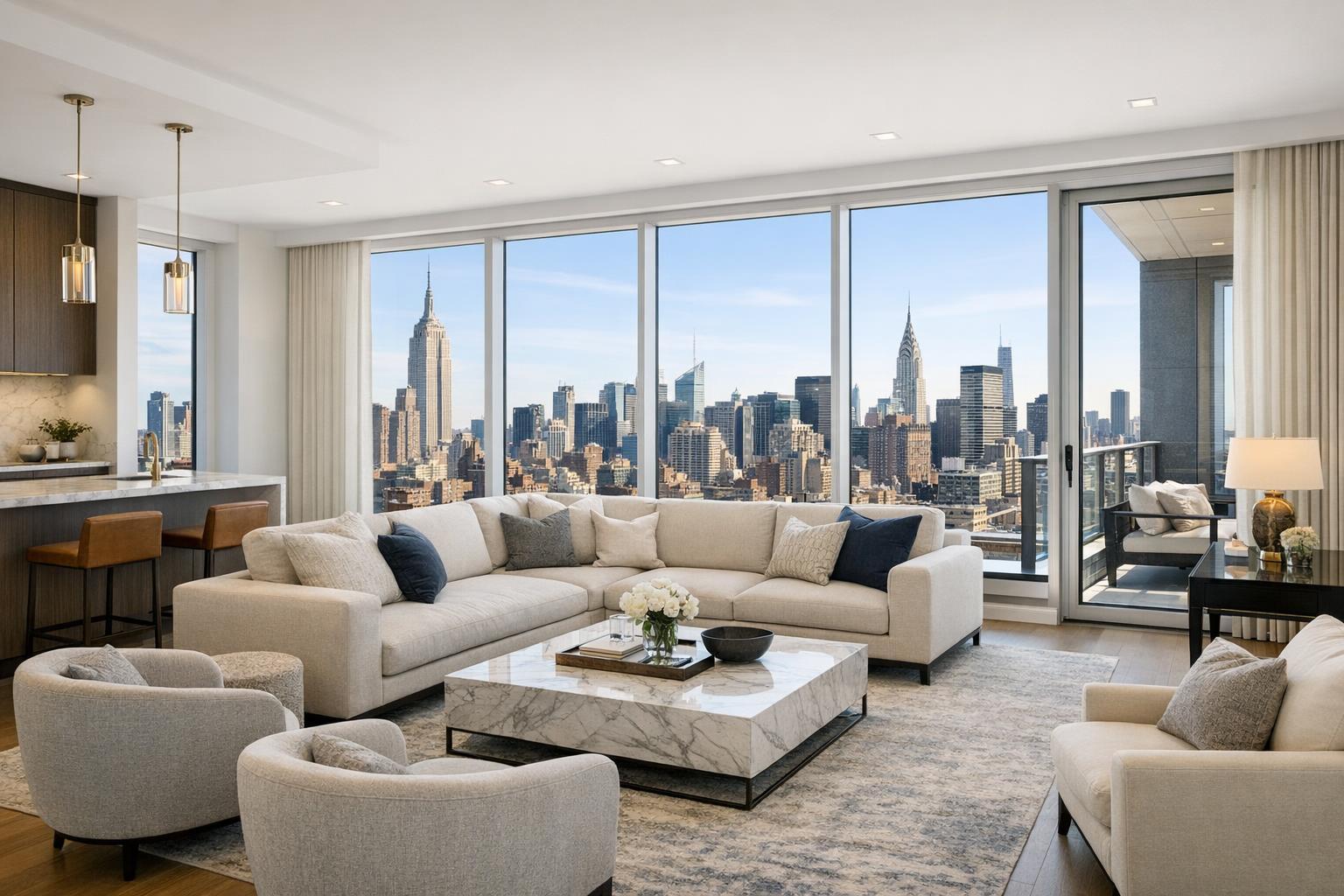
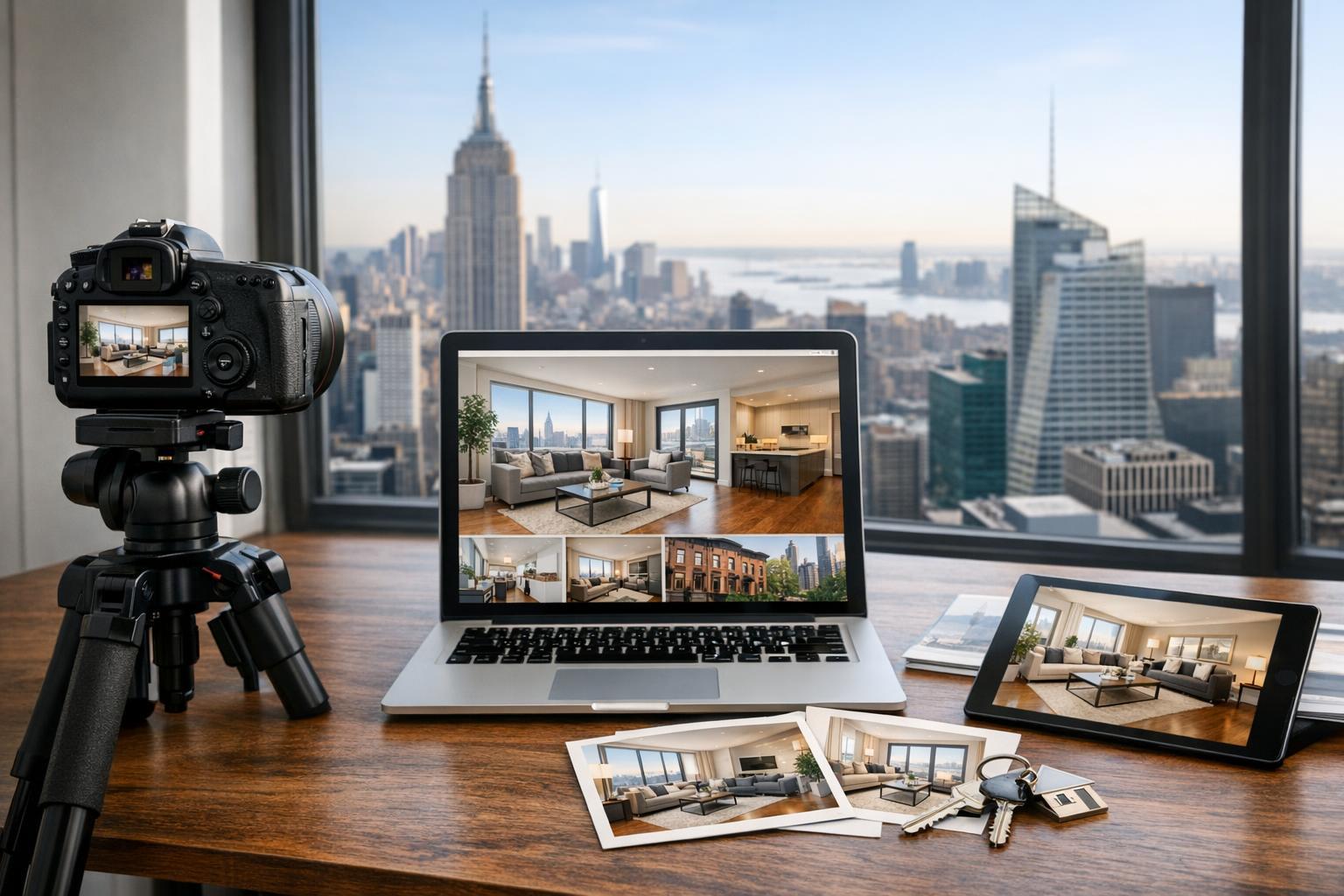
Real estate photography in NYC captures a luxurious apartment's interior on multiple devices with a stunning skyline backdrop.

How to Choose Real Estate Photography Services in NYC for Your Next Listing
Real estate photography in NYC can make the difference between a listing that stands out for the right reasons and one that gets lost in the crowd. Yet, with so many providers and property types in the city, picking the right partner is less about scrolling through portfolios and price sheets, and more about understanding what good photography should really deliver for your space.
Let’s explore what professional property photography should achieve for New York City listings, how to identify the right fit for your building, and what to expect from the experience—whether you’re prepping a compact studio, a Brooklyn brownstone, or a high-rise condo with sweeping skyline views.
What Great Listing Photography Does—And Why It’s Not Just About the Camera
A polished set of listing photos should do more than show bright rooms. The best real estate photography services in NYC help viewers quickly grasp what the property is, how rooms connect, which features matter, and what it might be like to live there. This is especially valuable in New York, where layouts, architectural styles, and even natural light can vary dramatically block by block.
Look for these essentials:
- Clear, accurate representation: Photos should make the most of each room without hiding real limitations or exaggerating dimensions.
- Balanced exposure: Window views should be visible, but never at the expense of a dark or washed-out room.
- Straight architectural lines: Vertical walls, doorways, and cabinetry should feel natural and undistorted.
- Intentional composition: Each shot should serve a purpose—whether it establishes the layout, highlights a detail, or shows connections between rooms.
- Logical sequence: Consider the flow of images. Does a viewer feel lost, or can they “walk through” the unit from entry through bedrooms and common spaces?
Wide-angle lenses have their place—especially in small NYC rooms—but trustworthy real estate photography prioritizes clarity and credibility over forced drama.
NYC’s Housing Mix Demands Local Expertise
Every New York City property comes with its unique quirks. A service that thrives with Midtown penthouses might not automatically excel in Park Slope brownstones or Upper West Side pre-wars.
Small apartments and tricky layouts
Studio and railroad-style apartments are common here. Skilled photographers know how to shoot these spaces so that they’re understandable, not overwhelming. Can you clearly see where a kitchen ends and living space begins? Are the angles honest? How do they handle narrow corridors, doorways, or awkwardly placed mirrors?
Character-rich spaces: Pre-wars, brownstones, and townhomes
Original details like fireplaces, millwork, or ceiling medallions can make or break a listing’s visual appeal. Ask a prospective provider how they approach both celebrating these features and capturing the way the property flows—especially up and down stairs, out to a garden, or between parlor and basement levels.
High-rise views—without overemphasis
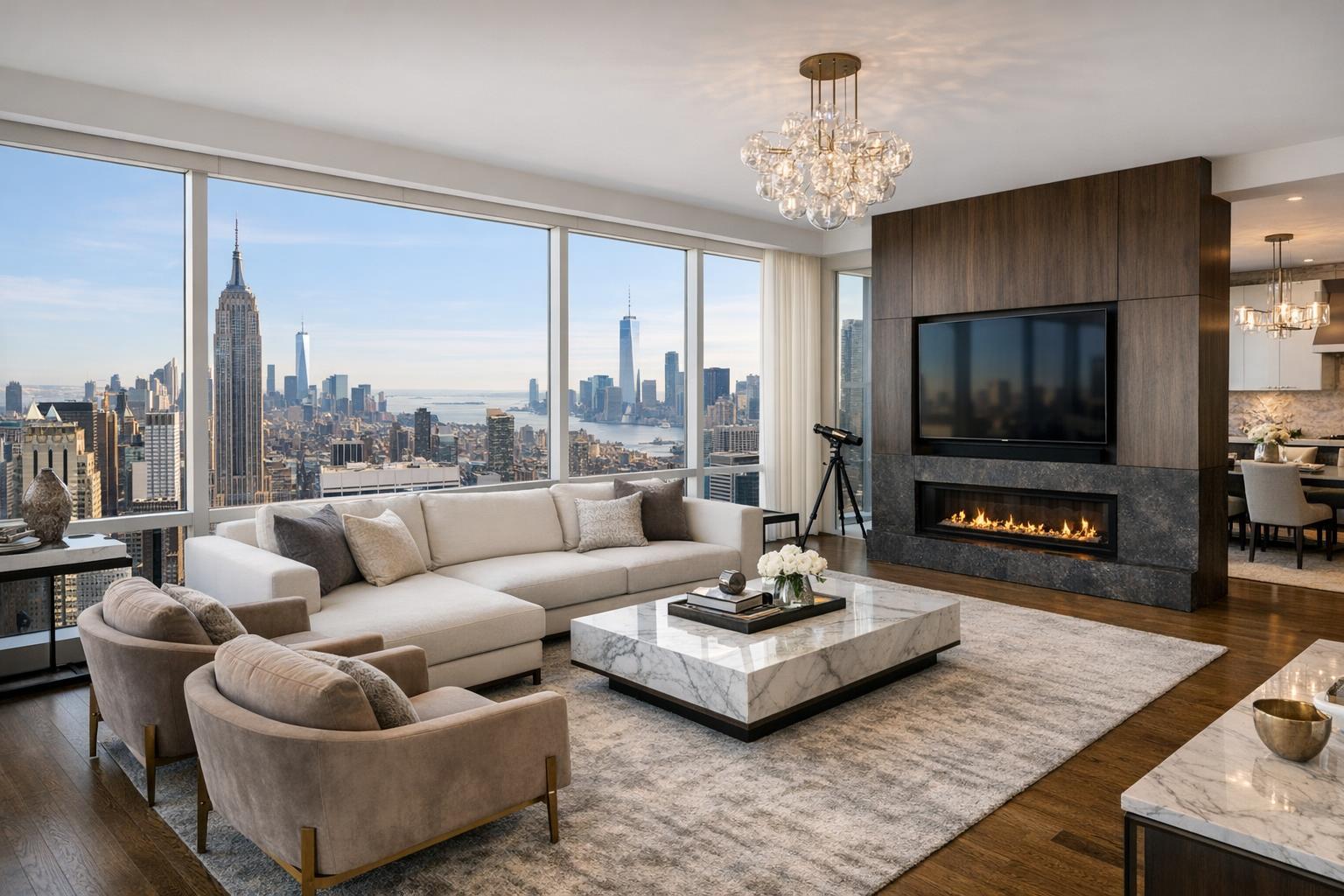
A wall of glass framing the city skyline is a selling point, but good photography keeps the focus on the home itself. Look for examples where light, reflection, and changing window views are balanced without losing the sense of the actual rooms.
Occupied homes vs. vacant units
Lived-in apartments can be visually busy. Top-tier photographers will discuss preparation and, where appropriate, offer add-ons like clutter removal or editing. Remember: clean surfaces, tidy beds, and clear floors make every shot easier—preparation pays off. For virtual staging, most companies (including RealtaSnap) require the room to be vacant or physically decluttered ahead of time.
Reviewing Portfolios for Relevance
A standout sample photo is nice, but what you really want is a photographer who can handle properties similar to yours: a compact walk-up, a classic co-op, a luxury condo, or a brownstone full of historic detail. When you look through their work, ask yourself:
- Does their portfolio include apartments with comparable size, light, and layout?
- Are the shots consistent and believable (not over-edited or strangely tinted)?
- Are window views shown realistically?
- Do small kitchens and bathrooms feel inviting instead of claustrophobic?
- Is there a logical visual sequence?
- Do they show a full set, or just “hero” images?
Consistency across different property types and lighting conditions is key.
Want nuance on what to look for? See RealtaSnap’s NYC real estate photography examples.
Communication and Process Matter
Equipment is important, but, in NYC, logistics and communication often define the client experience. Before booking, ask providers about:
- How they arrange property access (doorman, super, lockbox, key pickup, etc.)
- Their expectations for property prep—what needs to be moved, hidden, or staged
- Special requests for amenities or key features
- What’s included in the standard package and what’s an add-on
- Delivery timeline for the final photos and how files will be shared
- Options for retouching or removing objects (and any fees)
- Backup plans for weather or access delays
A responsive team makes all the difference in keeping your listing process smooth.
Choosing the Right Coverage for Your Listing
Photo packages should be tailored for the property, not just sold based on square footage. An efficient shoot for a studio will look different from coverage for a 3-bedroom, multi-level townhouse.
- Smaller units: Entry, main living space, kitchen, bath, storage, plus any amenities or notable views should be included.
- Larger apartments, brownstones, townhomes: Show distinct rooms, multiple baths, outdoor spaces, building amenities, and features like staircases or terrace access.
Complementary services—such as floor plans and video—add value when they help a buyer understand a complex layout or highlight features that still photos struggle to convey. Just keep in mind that floor plans and videos require on-site visits; they can’t be created remotely.
Find add-on details and prep instructions here: RealtaSnap’s prep guide.
Prepping the Space: Simple Steps, Big Impact
No photographer can “fix” an unprepared unit in post-production. Minimize distractions so your property’s best features shine:
- Clear countertops and surfaces of clutter.
- Remove personal items, pet supplies, and visible cords.
- Tidy up beds, open blinds for natural light, and turn on lights if needed.
- Ensure every photographed space is accessible during the appointment.
- Confirm with the building if special access or notice is required.
If you’re short on time, focus on the rooms that drive the listing—living room, kitchen, main bedroom, and baths.
Comparing NYC Real Estate Photography Services: What to Ask
As you sort through your shortlist of providers, these criteria can help you make a practical decision:
- Does their past work match your property type?
- Is the overall style clean and credible?
- Are their offerings clearly explained (package size, add-ons, deliverables)?
- Is booking straightforward?
- Do they account for the quirks of NYC buildings and neighborhoods?
- Are extras like floor plans or video genuinely useful for your current property?
RealtaSnap: A Local Partner for NYC Listings
RealtaSnap specializes in listing-focused photography—serving all five boroughs with menu-style options so clients can pick the photo coverage and add-ons that match their needs. Bookings are handled online, with room to include detailed access notes, select services, and confirm times that work for you.
Photo packages start at 10 images, so you can focus your shoot on what truly matters for your property type. Popular complementary options include floor plans and video tours, both requiring on-site visits and physical access.
Ready for professional property photography that makes your listing easier to understand—and easier to love? Learn more or get on the schedule at www.RealtaSnap.com.
FAQ
Question: How should I decide how many photos to order for my listing?
Answer: Think about your unit’s unique mix of rooms, views, and amenities. A compact studio may only require 10–20 focused images, while a multi-bedroom apartment, townhouse, or character property often needs more coverage to give buyers a real sense of flow and key features. Coverage packages at RealtaSnap start at 10 photos with flexible increments, so you only order what your listing needs.
Question: Is it okay to use virtual staging if my apartment is furnished?
Answer: Virtual staging works best on empty spaces. If your apartment is furnished, the furniture should be removed before capture, or you can inquire about clutter removal as an add-on. This helps ensure the virtual furniture looks natural and supports the room’s dimensions and features.
Question: Are floor plans or videos worth adding to every NYC listing?
Answer: Not always—floor plans are most helpful when spatial flow is a key selling point or if the layout is unusual. Video can be a strong asset for larger or more complex properties where movement and transitions matter. For smaller, straightforward listings, focused photography is usually sufficient.
If you have a listing coming up, RealtaSnap is happy to answer questions or help you book—visit www.RealtaSnap.com.