How to Choose Commercial Real Estate Photography for Your Property
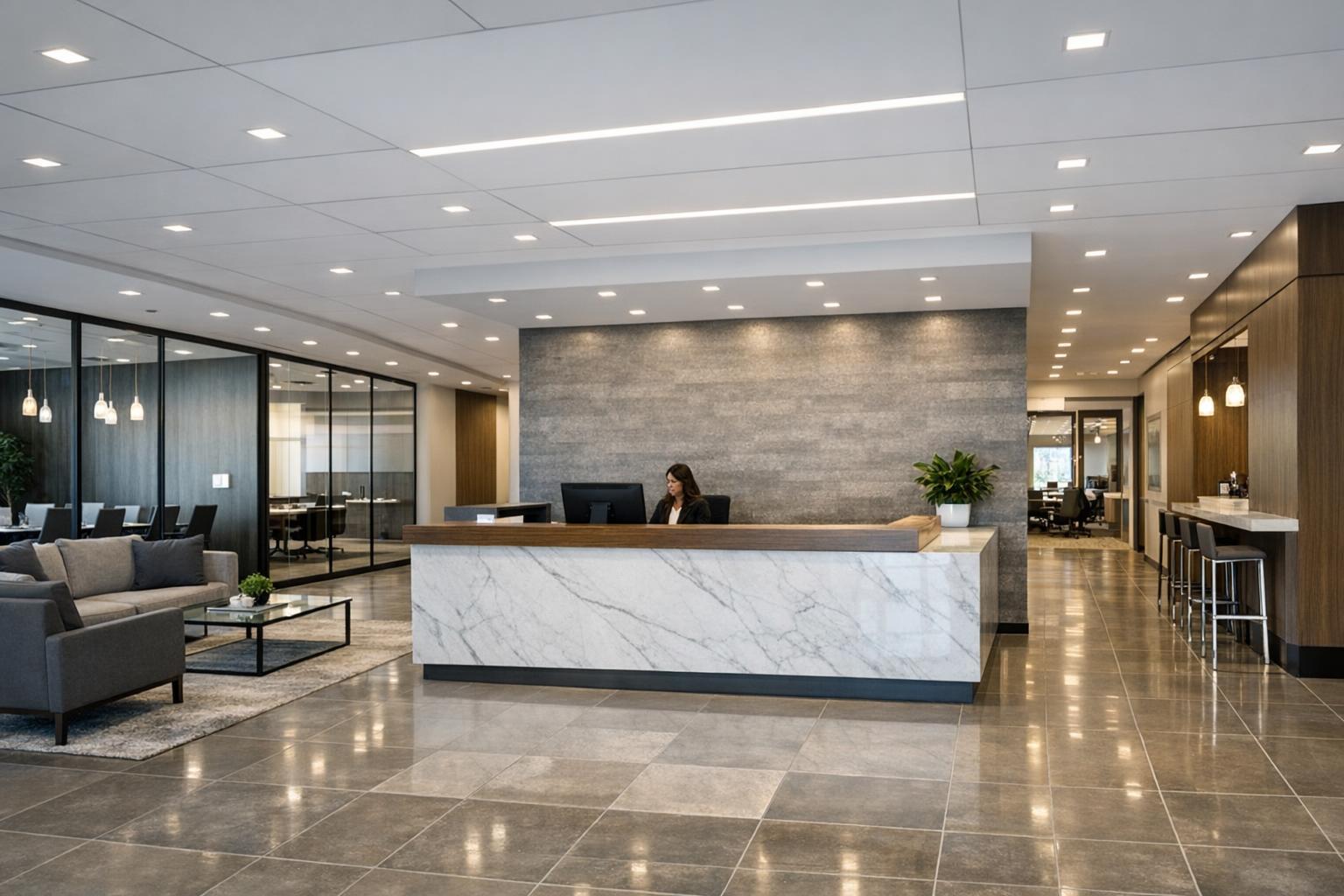
Commercial real estate photography captures a modern office reception area with sleek marble accents, contemporary furnishings, and sophisticated lighting.

How to Choose Commercial Real Estate Photography for Your Property
Commercial real estate photography in NYC and New Jersey is more than just capturing crisp images of office suites or retail spaces. If you’re responsible for marketing a commercial property—whether as a broker, manager, developer, or owner—the right visuals help prospective tenants, buyers, or investors understand the space before ever setting foot inside. Getting those visuals right involves more than hiring a photographer with a wide lens and a steady hand. From documenting scale and layout to highlighting building features and street presence, there’s a lot to consider.
Beyond Curb Appeal: What Makes Commercial Photography Different?
While residential photos are often meant to spark an immediate emotional connection, commercial property photography serves a wider agenda. Here, accuracy, context, and clarity are just as important as first impressions. The photography should answer real questions: What does the exterior look like from the street? How do lobby and workspaces connect? What’s the ceiling height, the light quality, the amenity situation? Can truck deliveries access the site? Would a new tenant or business feel at home here?
Each commercial property tells its own story. A Midtown Manhattan office, a Brooklyn retail corner, a multifamily building in Jersey City, or an industrial warehouse in North Jersey—each calls for a customized visual approach that fits their unique appeal.
Setting Your Objectives: Start With the End in Mind
Before reaching out to a commercial property photographer, clarify who the photos are for and what you want them to accomplish. Are you marketing an office suite for lease? Promoting a redevelopment site for sale? Showcasing a retail storefront to attract new tenants? Laying out these fundamentals helps everyone stay on target.
Ask yourself:
- Am I selling, leasing, repositioning, or looking for investment?
- Will the audience see these images online, in print, or through broker blasts?
- Which property features need the most spotlight?
- Are there spaces that shouldn’t be photographed—or require extra privacy?
- Will photos alone do the job, or should other media be considered?
A clear brief means your photographer can plan a targeted, efficient shoot—saving time on the day and producing images that actually support your goals.
Matching Coverage to Property Types
No two commercial spaces are alike. Matching the photo strategy to the asset means thinking about how decision-makers will judge that specific property.
Offices & Corporate Suites
Office photography isn’t just about making a lobby look sleek. People want a sense of flow: Is there a natural sequence from the entry, to the reception, through collaborative work areas and private offices, and into meeting rooms or lounge spaces? It’s helpful to balance wide shots that establish scale with closer photos of finishes or amenities, all while keeping those signature New York City vertical lines straight. Plan ahead for elements like freight elevator timing and daylight windows—these can affect shoot scheduling in Manhattan and surrounding areas.
Retail & Hospitality Spaces
For a Brooklyn storefront or New Jersey restaurant, street presence is everything. Showcase the storefront, signage, and how the business reads to both foot traffic and drivers. Interiors should show layout, depth, special features, and the customer experience. Try to frame the space as it truly feels—don’t let one out-of-context image flatten its identity. Include exterior context when the neighborhood is a selling point.
Multifamily Buildings
In apartments, condos, or multipurpose buildings, you’re balancing “resident lifestyle” with necessary details. That may mean shooting lobbies, units, amenity spaces, laundry rooms, fitness centers, and outdoor features—while making sure compositions remain consistent from unit to unit. If photographing occupied homes, give tenants notice, and do a quick declutter before the shoot if possible.
Industrial & Warehouse Properties
Industrial photography is all about functional clarity. Future tenants and buyers want to see loading docks, circulation routes, parking aprons, interior volume, ceiling heights, and gates. Wide, level angles help viewers understand space and flow. Avoid distorting the dimensions or exaggerating size—accuracy is key.
Mixed-Use Buildings
Photography for mixed-use properties should connect the dots: the storefront, the residential entrance, upper floors, shared amenities, and exterior context. Expect to take shots from various angles and distances to help viewers orient themselves.
Selecting the Right Commercial Property Photographer
A strong portfolio is a good starting point, but look closely at how photographers have solved real-world challenges. Are verticals straight? Exteriors clear? Interiors connected and logical? Do whole galleries feel intentional, not just one or two punchy “hero” shots?
Here’s what to keep an eye out for:
- Architectural discipline: Photos should represent the actual space—not a warped, oversold version.
- Consistent lighting and color: Properties rarely exist in flat light. Look for examples where a photographer handled daylight, interior fixtures, and even reflective surfaces like glass and polished stone—without blowing out views or muddying details.
- Complete, consistent sets: The best galleries feel unified in color and finish. Consistency is especially useful for larger properties with multiple suites or units.
- Experience in active, occupied settings: Not every commercial shoot happens in a vacant building. Make sure your photographer is comfortable working around employees, tenants, customers, or scheduled building operations.
When to Add Complementary Media
While photography forms the foundation of most commercial marketing, certain properties benefit from more. Here’s when other media can help tell the full story:
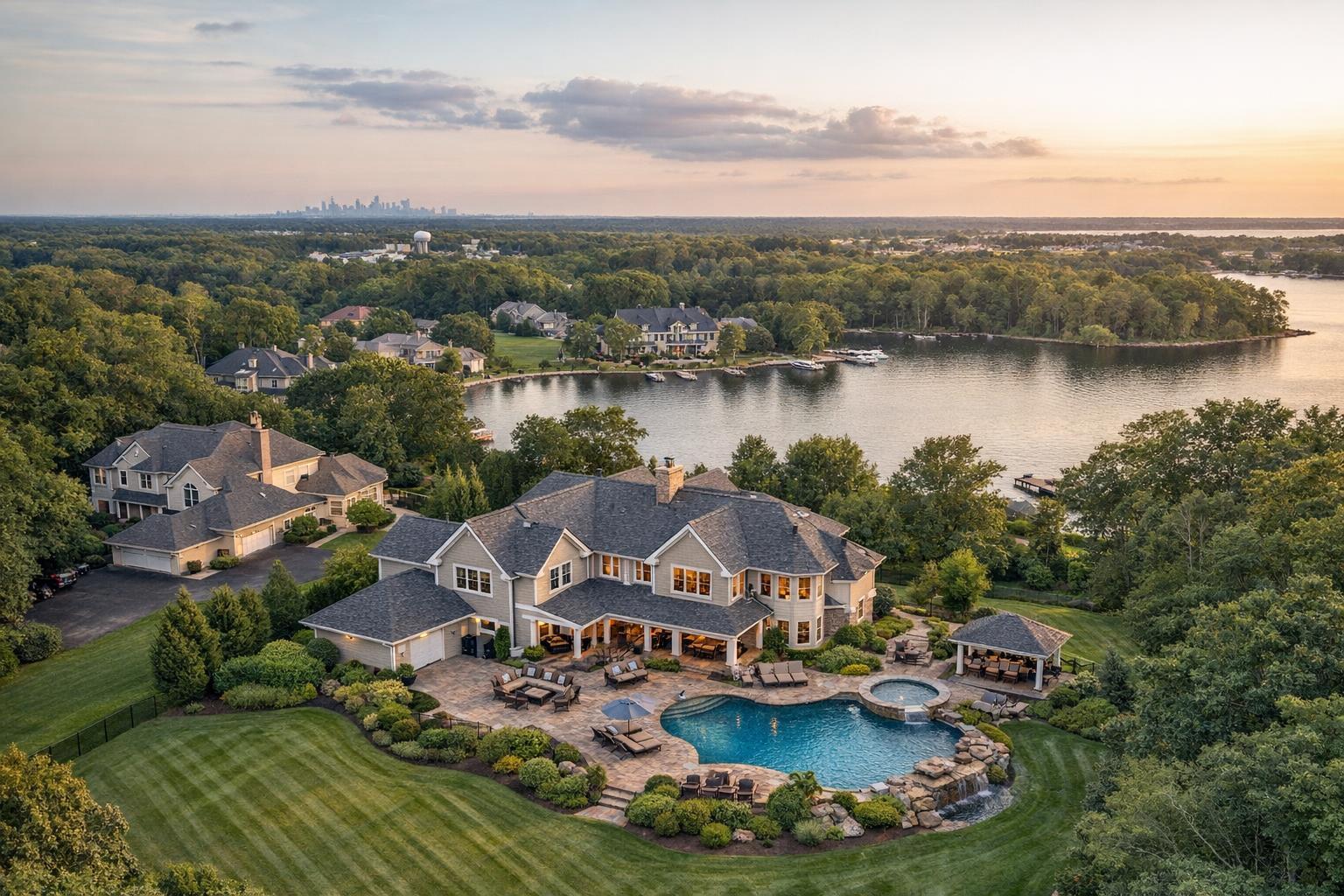
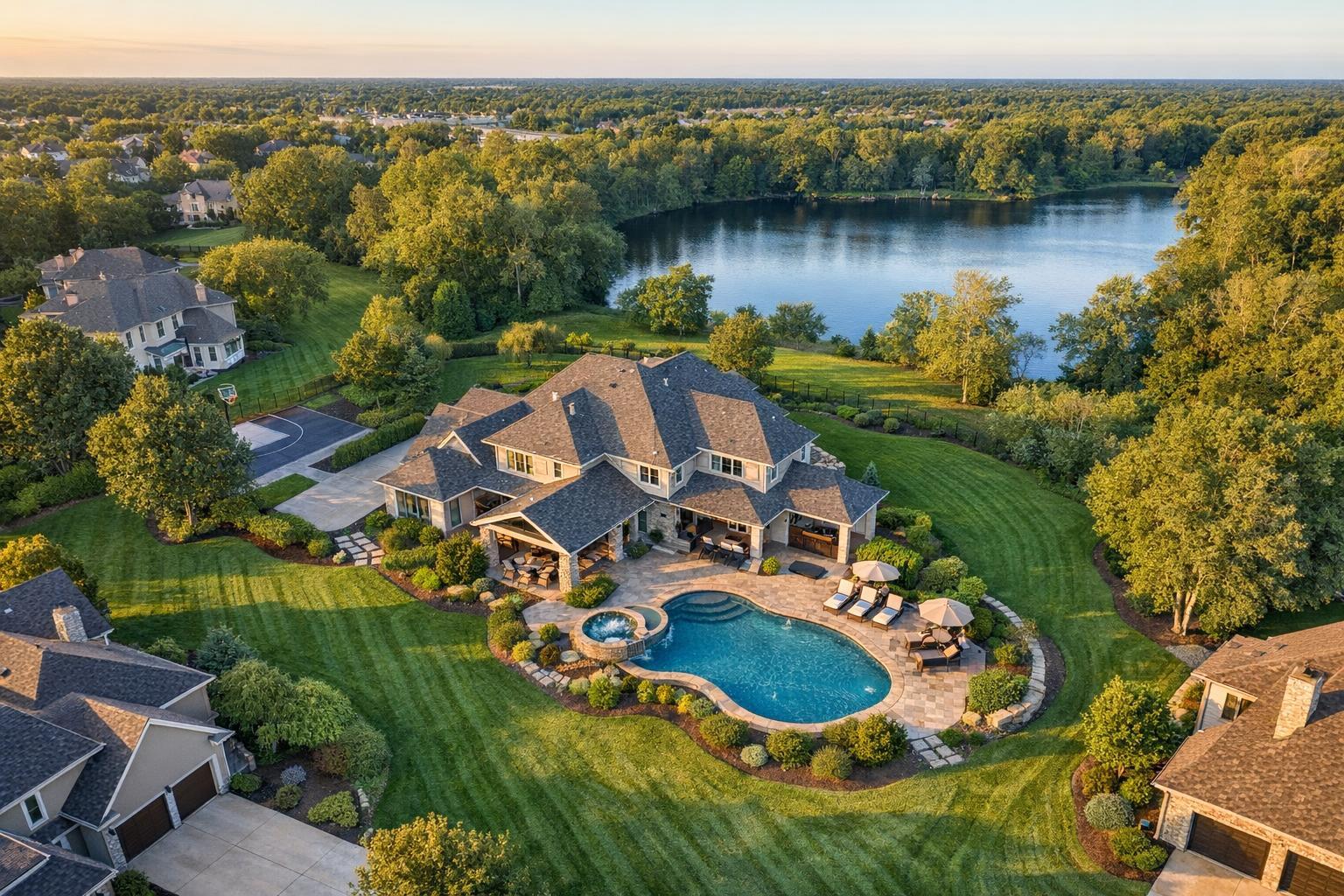
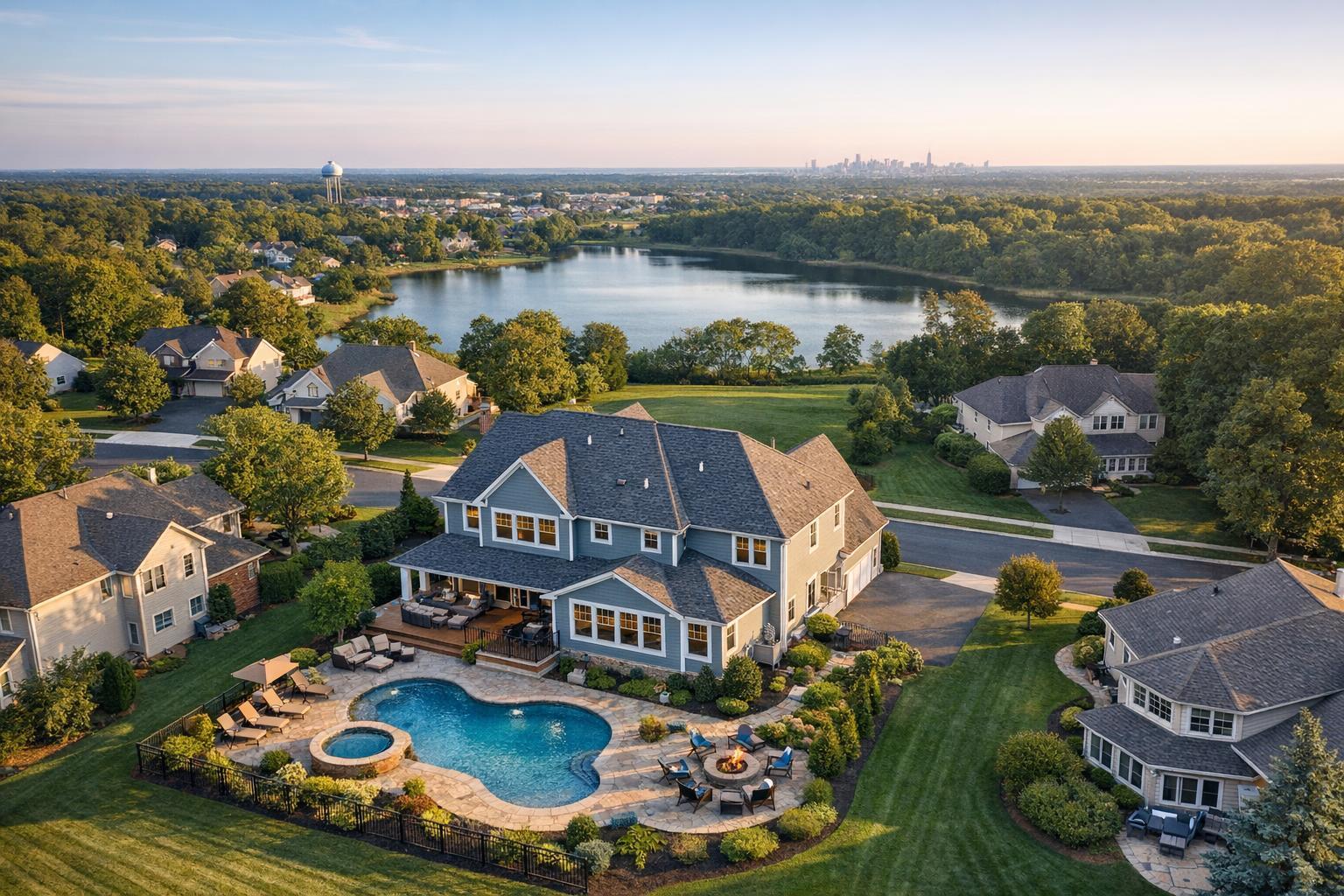
- Aerial (Drone) Photos/Video: If site context, access, parking, or surrounding neighborhood are major selling points, aerials can make all the difference. In NYC and North Jersey, not all areas are flyable—drone work depends on airspace, weather, property access, and safety protocols.
- Video: A video tour can showcase the spatial sequence and energy of the property—especially offices or retail spaces with a clear flow or story.
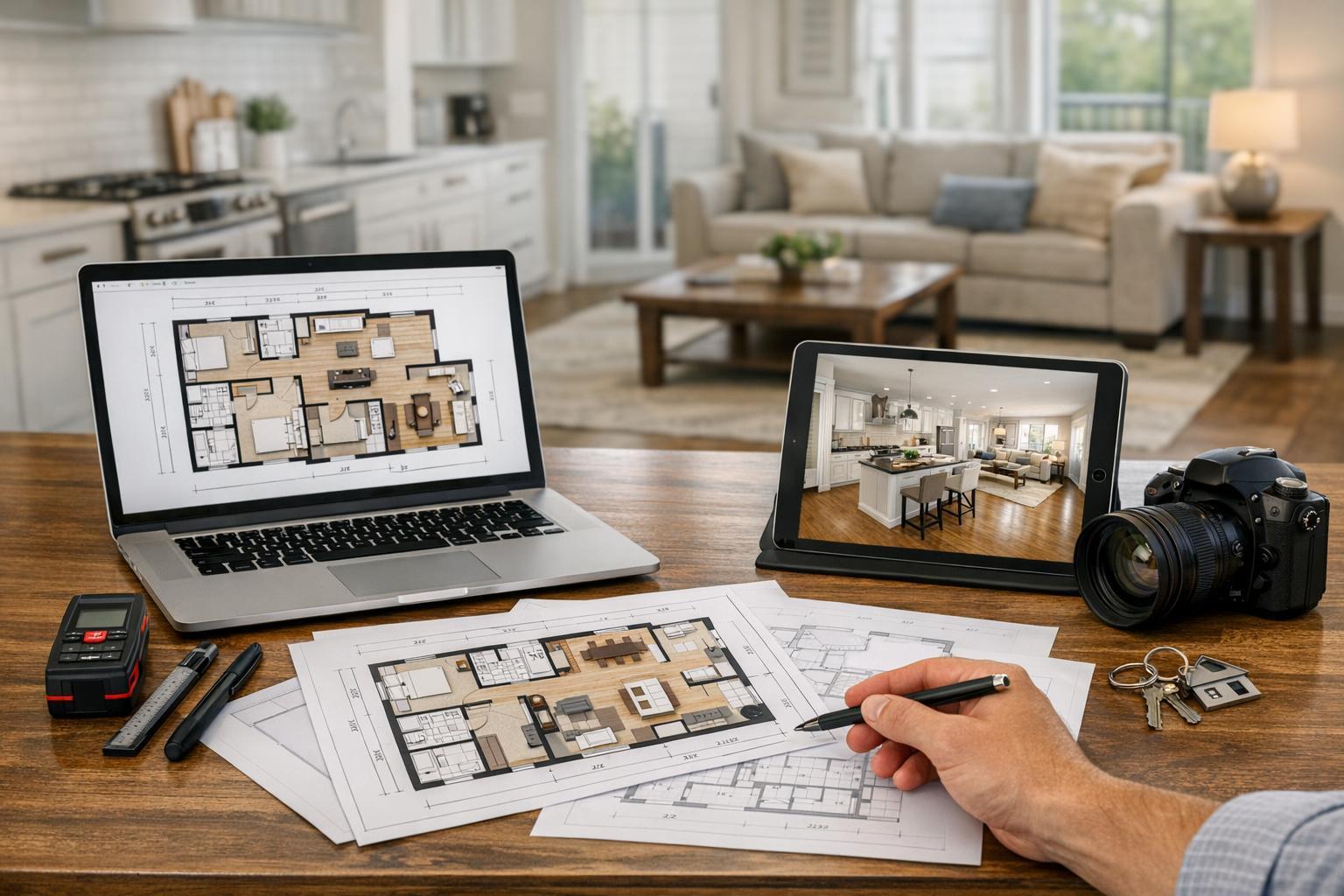
- Floor Plans: Especially useful for multi-unit spaces or large, complex layouts. RealtaSnap captures floor plans on-site; they’re not made remotely from existing plans.
- 3D Virtual Tours: Great for out-of-market viewers or situations where repeated in-person tours aren’t practical. Like floor plans, these require on-site capture.
Getting Ready for Your Shoot: Preparation Tips
You don’t need to renovate the entire space, but a bit of prep goes a long way. Removing clutter, stray boxes, extra signage, visible trash, and personal desk mess will help present the space as clean and market-ready. Check that all lights are working, shades are set to highlight (not obscure) natural light, and access is coordinated for any out-of-the-way features or rooftop spaces.
If you’re considering virtual staging for an empty unit, make sure the space is physically cleared first—RealtaSnap’s staging is designed for vacant rooms, not layered over existing furniture or clutter.
Working With RealtaSnap
RealtaSnap specializes in listing-ready commercial media for NYC and New Jersey properties. Whether you need crisp interiors, inviting exteriors, targeted amenity shots, or specialty add-ons like drone, video, or floor plans, the process is straightforward—transparent pricing, online scheduling, and client-focused service. For more on photography and related commercial media options, start with the commercial real estate photography page or visit www.RealtaSnap.com.
FAQ
Question: How many photos do I need for a commercial property listing?
Answer: It depends on the size and complexity of your property. A small office might need only core spaces covered, while a larger building, multifamily, or industrial site will likely benefit from broader coverage of exteriors, key amenities, and representative interiors. The goal is to help viewers genuinely understand the property without including unnecessary duplicates.
Question: Can I schedule a shoot if there are people working or tenants present?
Answer: Yes. Many commercial shoots happen in active spaces. The photographer can work around people and business operations, as long as you coordinate access and any privacy or clearance needs ahead of time. It helps to let occupants know the schedule in advance to ensure space is ready and any sensitive areas are identified.
Question: When does drone photography make sense for a commercial listing?
Answer: Drone or aerial images are most useful when property context is important—think standalone buildings, industrial parcels, sites with large parking fields, or properties near key roads or transit. Feasibility depends on location, airspace rules, weather, and safety considerations, so it’s handled case by case.
If you have an NYC or New Jersey property coming up, we’d be happy to help you make it look its best. Learn more or book online at www.RealtaSnap.com.