What to Look for in Real Estate Photography for an NYC or New Jersey Listing
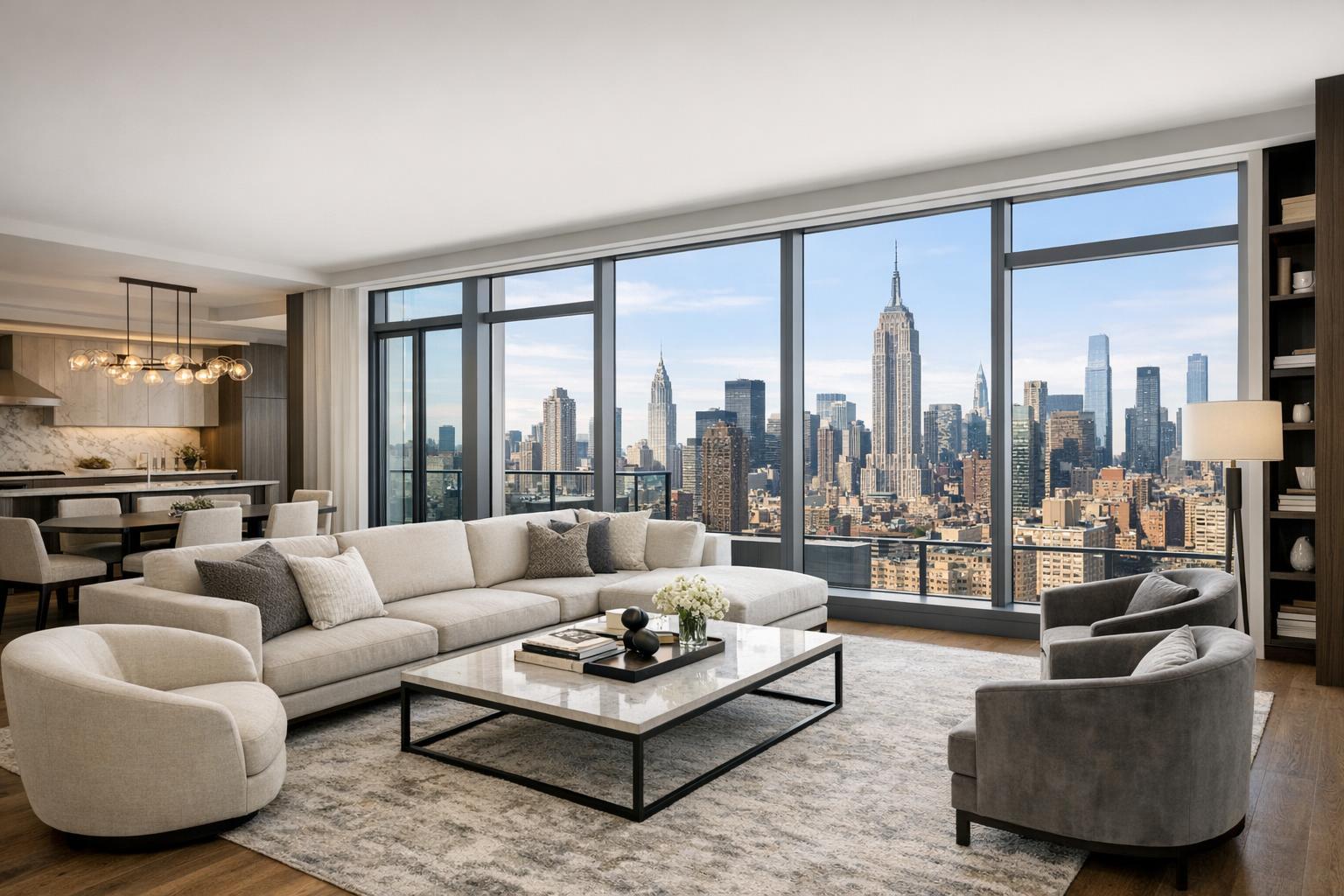
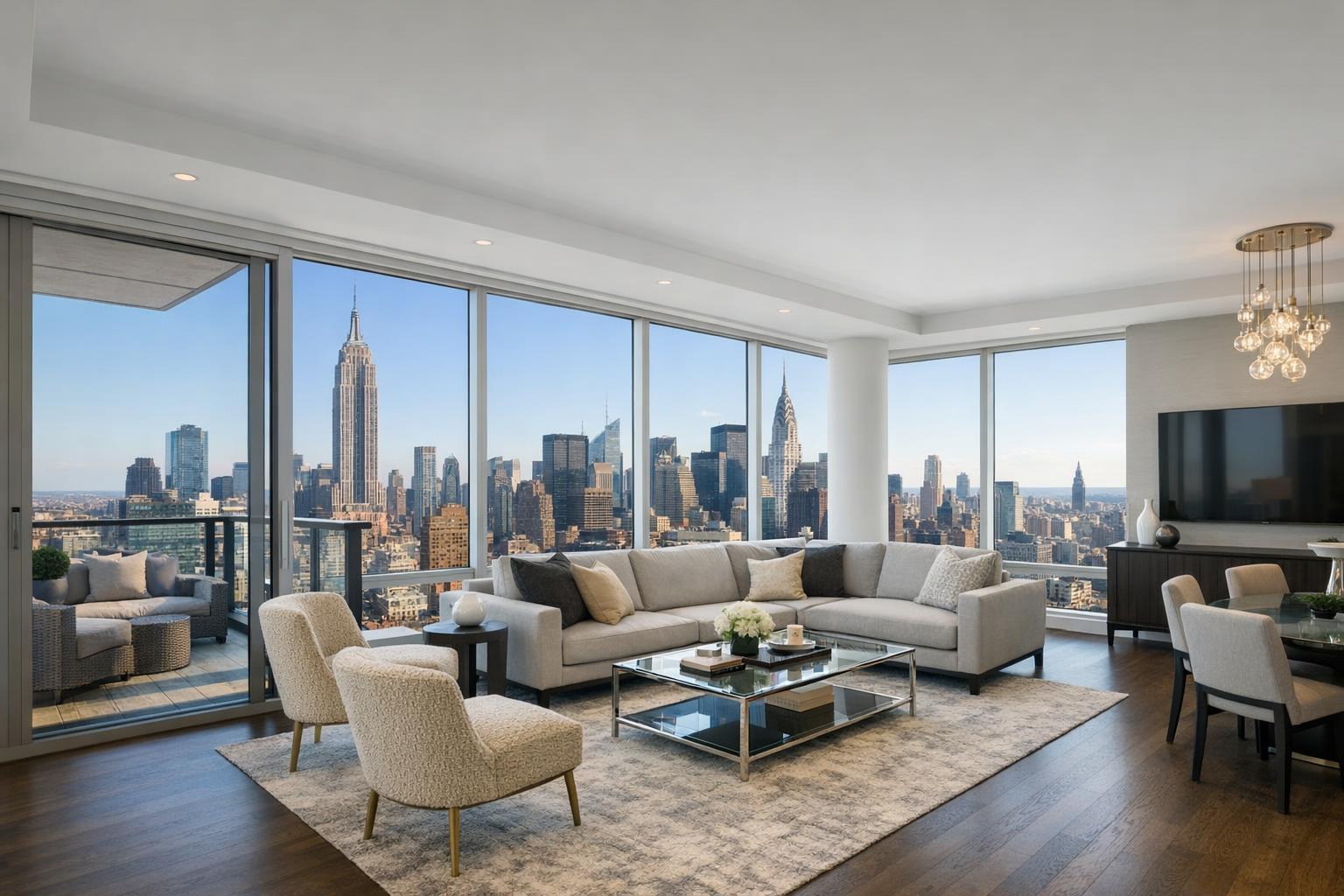
A luxurious living room with modern furnishings and expansive windows offers a stunning view of the city skyline.

What to Look for in Real Estate Photography for an NYC or New Jersey Listing
Real estate photography for NYC and New Jersey listings is more than a collection of attractive images — it’s a practical storytelling tool. Buyers and renters rely on photos to do a lot of the heavy lifting before ever setting foot in an apartment, brownstone, condo, or suburban home. The right visual approach should make each space clear, give honest context, respect proportions, and help agents and sellers answer a classic question: What does someone need to see to picture themselves living here?
This article breaks down what great professional property photos do, how to assess real estate photography services, and how NYC and New Jersey market quirks shape the kinds of images your listing really needs.
Why Professional Listing Photography Matters
In such a dense and competitive region, your listing’s photos do an enormous amount of explaining — often in the few seconds someone decides whether to keep scrolling or reach out. The strongest photos support three main goals:
- Make each room easy to understand
- Highlight details or features that set a property apart
- Show how rooms and amenities connect in real life
It’s not about overediting or staging drama. Instead, the best listing galleries keep things true, show practical layout, and create a flow of images that guides the viewer through the space.
Essentials of Clear, Useful Real Estate Photography
Real Rooms, Not Illusion
It’s always tempting to make every room look spacious. But stretching proportions or obsessively using wide-angle lenses can make prospective viewers skeptical or confused. For compact Manhattan studios, Brooklyn brownstones, or cozy Jersey City condos, clarity is far more effective than distortion.
Look for shots that:
- Show enough to establish room layout
- Make focal points — a fireplace, a terrace, exposed brick, or a killer view — easy to spot
- Avoid chopping off furniture, doors, or architectural details in awkward places
- Keep the camera at a sensible height that makes the space feel livable
- Mix wide shots with well-chosen close-ups to highlight updates or craftsmanship when warranted
For larger New Jersey homes, thoughtful coverage traces the home’s path: entry, main living spaces, kitchen, primary bedroom, finished basement, outdoor area, and any amenities that deserve focus. There’s no rigid formula — the story should fit the real home.
Balanced Lighting Over Gimmicks
Light is often the biggest difference between a quick snapshot and a polished listing photo. NYC apartments may have shifting daylight, tall neighboring buildings, or a mix of bright windows and dim interiors. New Jersey homes sometimes have larger rooms, high ceilings, or shadowed spaces.
Professionally edited property photos usually draw on multiple exposures to balance window light with interior detail. The finished effect should feel inviting and neutral — not intensely blue outside, not blown out inside, and never flat or lifeless. Overediting stands out; good editing blends into the background and leaves the space readable.
Special lighting attention is needed for spaces with:
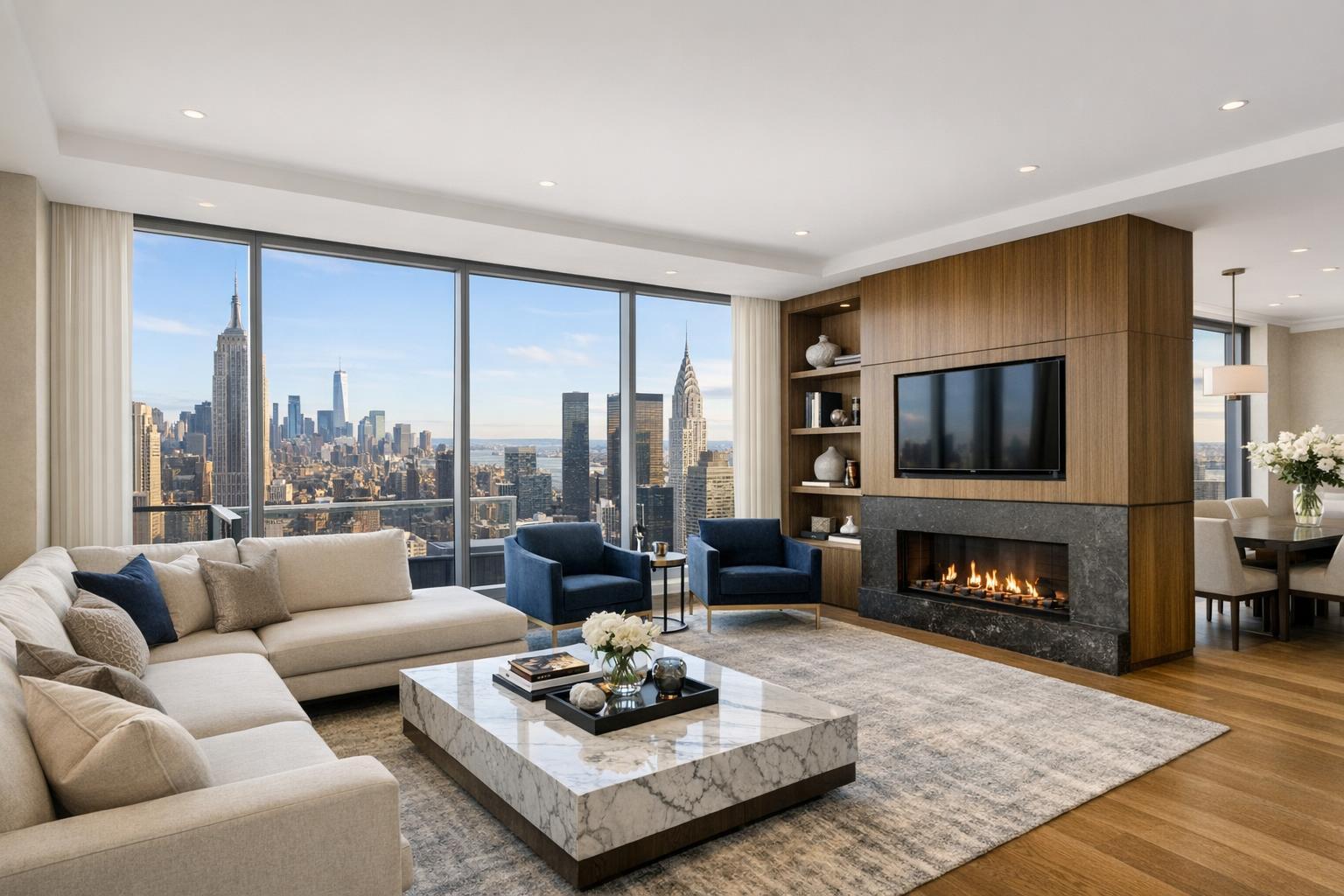
- Floor-to-ceiling windows and city or water views
- Dark or heavily textured walls, exposed brick, or deep woodwork
- Shiny surfaces and mirrors that can create distracting reflections
- Mixed warm and cool light sources
- Lower-level or north-facing rooms
Natural Lines and Honest Proportions
Architecture with strong lines (think: tall windows, detailed moldings, staircases, or glass walls) quickly reveals when something looks off. A photo that makes a wall tilt or stretches cabinets into funhouse shapes does no one any favors. Vertical features should read as vertical, unless they don’t in real life.
Consistent, subtle perspective correction signals quality and builds trust. If a provider’s portfolio jumps from one color cast to another, or kitchen cabinets appear strangely warped, ask about their editing process and request more examples.
Planning for a Coherent Listing Gallery
Great listing photos tell the story of a home in a logical, memorable order. That doesn’t mean every gallery follows the same sequence, but it does mean you should lead with images that set the context and move naturally from public to private spaces.
Think through:
- Does this property’s exterior or building context matter first?
- Which room is the “main event”?
- Are there visual amenities (views, yards, terraces, pools) that should be captured at a specific time?
- Are common areas or shared amenities relevant?
- Should the gallery highlight custom built-ins, renovations, or restored details?
Whether it’s a high-rise condo with city views or a multi-level brownstone, planning the sequence prevents missed opportunities and avoids forcing buyers to piece together the layout themselves.
Preparation Makes the Difference
Before the photographer arrives, the way a property is prepared can affect every image. The goal is not magazine-level styling; instead, it’s about removing distractions so potential buyers or renters can focus on the space itself.
A quick prep checklist:
- Clear off kitchen and bathroom counters
- Remove laundry, trash, pet supplies, and extra clutter
- Simplify refrigerator doors (magnets can wait for the next home)
- Make beds and straighten up side tables
- Open or adjust window coverings with privacy in mind
- Switch on all working lights; replace burned-out bulbs
- Move cars if outdoor shots are needed
- Make all spaces accessible and communicate in advance about any off-limits areas
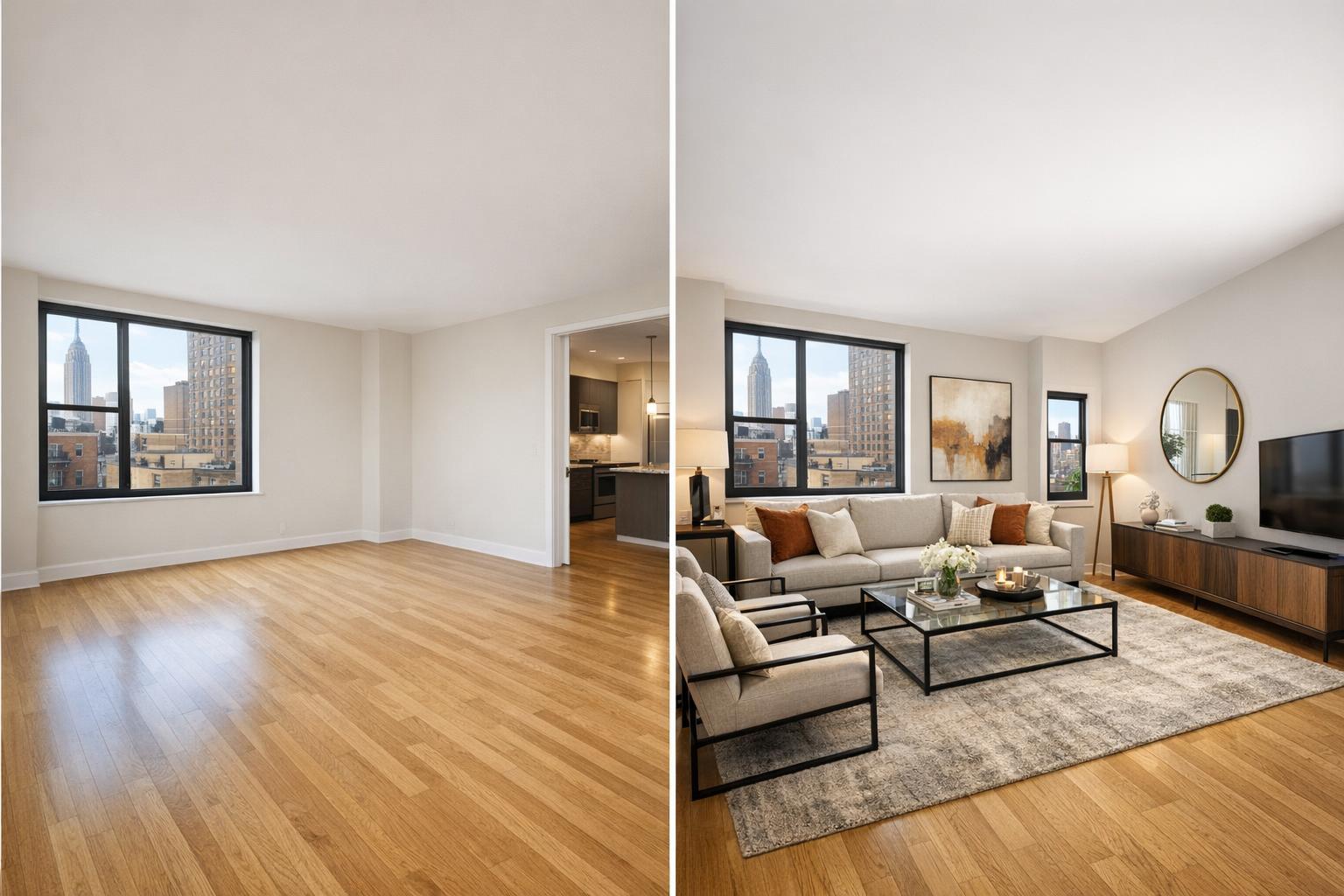
For occupied homes, shifting a few pieces of furniture or tidying a crowded corner can enhance photos with little extra effort. Vacant homes might consider virtual staging. Just remember that true virtual staging is meant for empty spaces — existing furniture will either need to be moved or digitally removed through a paid editing process before virtual furnishings can be added.
Local Context: NYC and New Jersey Real Estate Photography
Real estate photography looks a little different in the city compared to the suburbs or New Jersey’s many distinct neighborhoods.
Smaller NYC Apartments, Condos, and Co-ops
Compact city homes demand clear storytelling. Many apartments overlap in size and style, so it’s important to highlight what sets one unit apart: window exposure, ceiling height, custom finishes, a clever layout, or private outdoor space.
Building logistics sometimes come into play. Confirm how to access the building, move through elevators, and whether amenities like roof decks, courtyards, or gyms are available for photos (and if building approval is required).
Brownstones, Townhomes, and Multi-Level Homes
Homes with strong architectural character — like classic brownstones, townhomes, or houses with multiple levels — benefit from photos that capture both wide context and striking details: original moldings, staircases, fireplaces, and garden access. Because layouts can be vertical or a bit unconventional, sometimes adding a floor plan or video tour can help buyers make sense of the flow.
Larger New Jersey Properties
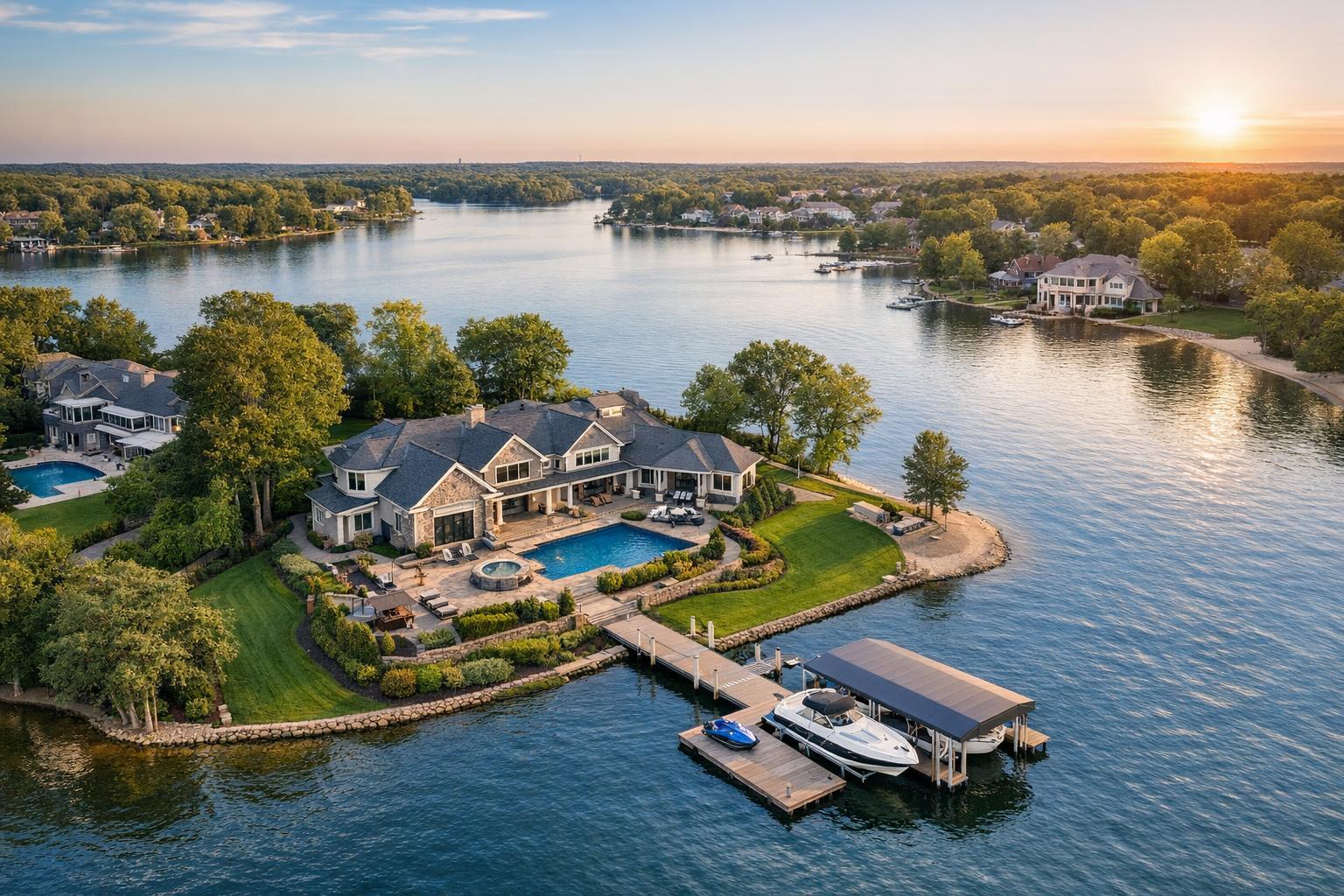
Detached homes in New Jersey often need the photos to establish a relationship between indoor rooms and outdoor space. A kitchen might naturally open to a patio, or a lower level connects to a yard. Don’t forget driveways, landscaping, pools, or notable outbuildings. Occasionally, drone photography may be feasible to show larger lots or unique locations, always within FAA and site access rules.
When to Supplement Photos with Other Media
Most standard listings only require professional photography. But some properties — sprawling homes, multi-level layouts, or anything with exceptionally unique features — can benefit from additional formats.
Floor plans allow buyers to see relationships between rooms and dimensions, which is especially helpful when spaces are unusual or hard to navigate through images alone. On-site capture is required for accuracy.
Listing videos can show movement through a property, which helps potential buyers understand how rooms connect or highlight a dramatic arrival sequence.
3D virtual tours (like Matterport) offer remote, interactive exploration and also require physical on-site scanning.
Drone and aerial imagery may add important context for larger homes, waterfront properties, or unique landscapes — but always depend on local regulations and feasibility.
When in doubt, keep the focus on what helps buyers or renters make a confident decision, not simply what’s trendy.
Comparing Real Estate Photography Services
Not all real estate photography services are created the same. As you weigh your options, consider asking:
- How does the photographer decide which rooms and features to prioritize?
- Are images professionally edited for natural light and perspective (not just filtered)?
- How many images are included, and are extras available when warranted?
- Can complementary media (floor plans, video, 3D tours, aerials) be captured during the same visit?
- What’s needed for access and preparation before the photographer arrives?
At RealtaSnap, listing photography is always captured on-site in NYC and New Jersey, with professional editing so that images look natural, balanced, and true to life. You can see more about RealtaSnap’s real estate photography packages for apartment, condo, brownstone, and home listings across the region.
If you’re preparing for your own shoot, you might also find the real estate photography prep guide helpful.
Building Galleries That Work for Viewers
Great listing photography serves your audience first. That means clear, bright, straightforward images that make it easy to visualize room flow and highlights — not overwhelming them with repetition or digital tricks. Take a moment to walk the property first as if you’re seeing it for the first time, noting what questions arise and which features truly matter.
Ready to get clear, on-site images for your NYC or New Jersey listing? Visit www.RealtaSnap.com.
FAQ
Question: How many listing photos are really necessary?
Answer: There’s no universal number. For smaller city apartments, focused photos of main rooms, kitchen, bath, and any view or outdoor space are usually sufficient. Larger homes may require more images to show each key space and amenity. Each photo should add something new and useful, not just repeat an angle.
Question: Do I need to be there during the shoot?
Answer: Being present can help with access or if there are special features to highlight. For most listings, clear communication about what to prioritize (or skip) ahead of time is often just as effective. The most helpful thing is to keep rooms ready and easy for the photographer to move through.
Question: When should I consider adding a floor plan or 3D tour?
Answer: Floor plans are great for properties with an unusual or complex layout, or where room relationships aren’t clear from photos alone. 3D tours are especially helpful for out-of-town buyers or anyone who wants to “walk” the space remotely. Both require on-site capture, so it’s best to decide before the appointment if you want to include them.